
Safety
General information, not medical advice
Your prescriber and the leaflet in your pack know your situation. This page does not.
- Follow your prescriber and the leaflet
- Don't start, stop, or change a dose on your own
- Doses and warnings differ by country and product
Glivec Tablet: Uses, Dosage, Side Effects, Precautions and Alternates
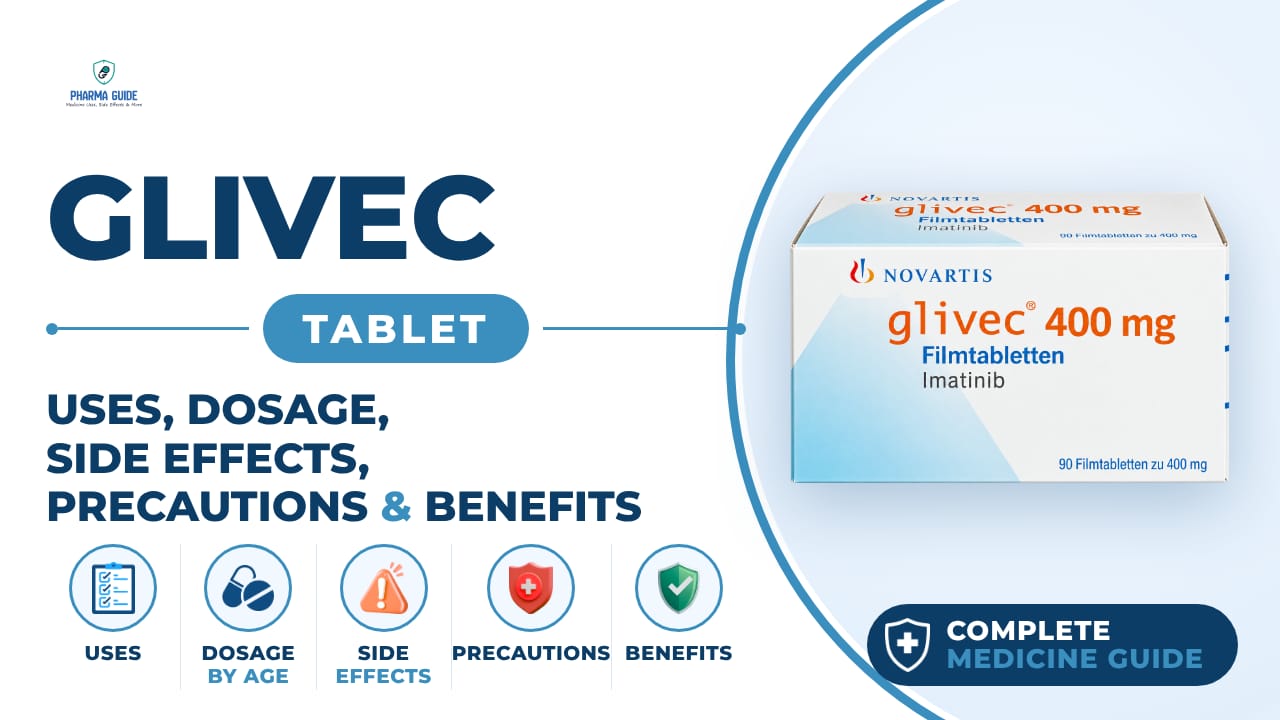
| Generic name | Imatinib (Imatinib Mesylate) |
|---|---|
| Drug class | Tyrosine kinase inhibitor (anticancer medicine) |
| Forms | Tablet, Capsule |
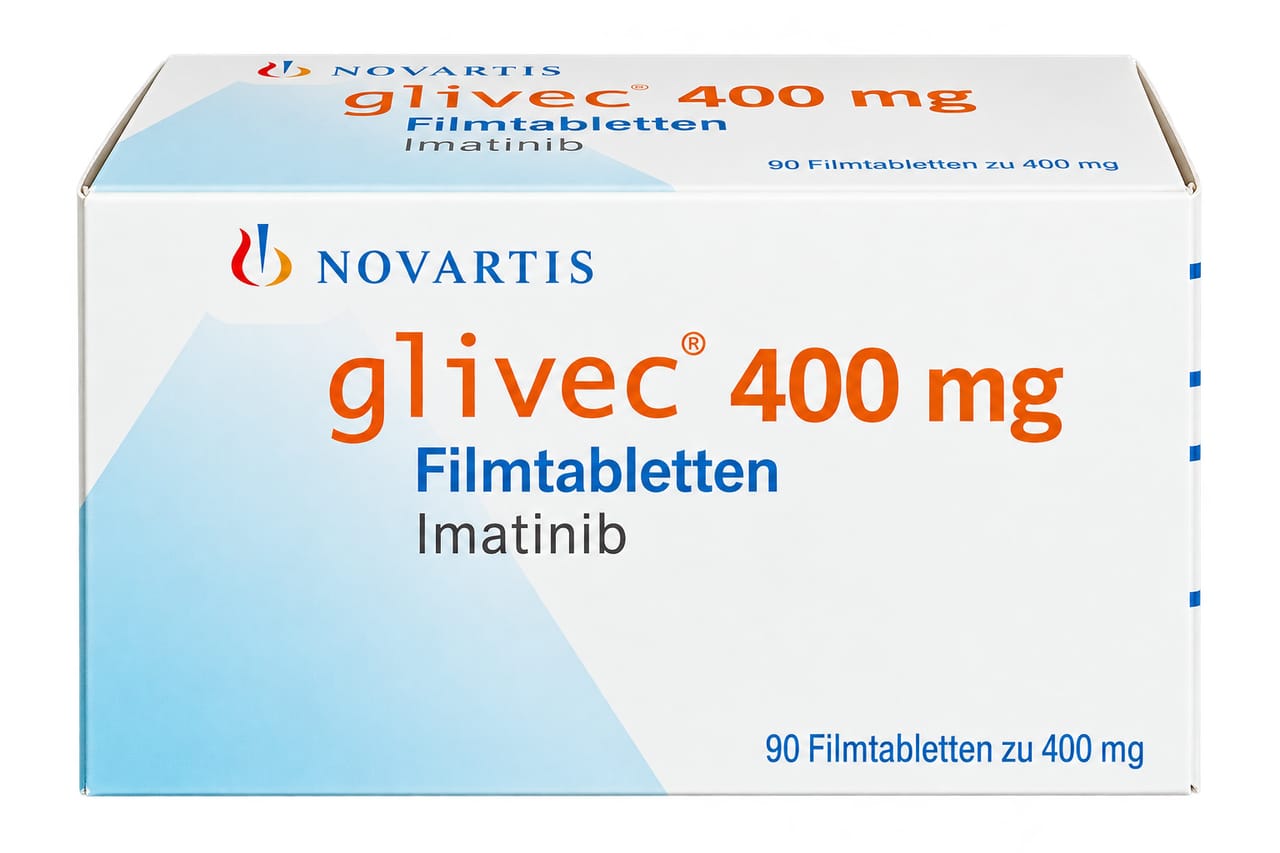
Quick overview
Glivec Tablet contains imatinib (imatinib mesylate), a tyrosine kinase inhibitor used to treat certain cancers and leukaemias in children and adults, including chronic myeloid leukaemia and gastrointestinal stromal tumours. It works by blocking enzymes that drive uncontrolled cell growth, helping to slow cancer growth and control blood cell counts. It is taken by mouth, usually once daily with food, and dosing is individualized based on age and condition.
What is Glivec Tablet
Glivec is an anticancer medicine that contains imatinib. It belongs to a group of medicines called tyrosine kinase inhibitors and is used to treat certain types of cancer and leukemia in children and adults.
Glivec Tablet uses
- Chronic myeloid leukaemia (CML), including in patients who are Philadelphia chromosome positive
- Acute lymphoblastic leukaemia with Philadelphia chromosome positive (Ph+ ALL)
- Myelodysplastic / myeloproliferative diseases (MDS/MPD)
- Aggressive systemic mastocytosis (ASM)
- Hypereosinophilic syndrome (HES) and/or chronic eosinophilic leukaemia (CEL)
- Gastrointestinal stromal tumours (GIST)
- Dermatofibrosarcoma protuberans (DFSP)
- Blood cancer
Benefits of Glivec Tablet
- Slows the growth of cancer cells and helps control cell division
- Can shrink tumours and reduce cancer cell counts
- Helps control blood cell counts in related blood diseases
How Glivec Tablet works
Glivec blocks certain enzymes called tyrosine kinases that are found on the surface of cancer cells. These enzymes normally tell the cells to divide out of control. By blocking them, Glivec slows the growth of cancer cells and kills them, while leaving normal cells alone.
Glivec Tablet dosage
Take this medicine with a meal and a large glass of water to help avoid stomach irritation. Take it at the same time every day. It is usually taken as one dose a day, but your doctor may tell you to split it into a morning and an evening dose.
If you cannot swallow the tablets, you can dissolve them in a glass of water or apple juice and drink the mixture right away. Do not stop taking this medicine suddenly unless your doctor tells you to. Do not take a double dose if you miss one—just take the missed dose when you remember, or skip it if it is almost time for the next dose. Avoid drinking grapefruit juice while taking this medicine.
Children and adolescents taking this medicine may have slower growth, so doctors will monitor growth regularly.
| Age group | Dose |
|---|---|
| Under 1 year | Not established; specialist-directed |
| 1–17 years | 340 mg/m² once daily for Ph+ CML in chronic phase; maximum 600 mg/day |
| 18–64 years | 400 mg once daily for CML chronic phase; other cancers may require 400–800 mg/day |
| 65+ years | Individualized; commonly the same indication-specific adult dose |
Available forms and strengths
- Tablet
- Capsule
Side effects of Glivec Tablet
Common
- Headache
- Dizziness, light-headedness or vertigo
- Upset stomach, nausea, vomiting
- Diarrhoea, constipation
- Rash, eczema, itchy or dry skin
- Skin darkening or lightening
- Sunburn-like symptoms happening more quickly than normal
- Swelling, stiffness in joints or muscles
- Pain in bones or along veins
- Weakness, feeling generally unwell
- Numbness, tingling in fingers and toes
- Change in sense of taste
- Irritated eyes, blurred vision
- Ringing in the ears
- Changes in appetite and weight
- Hair loss
- Throat pain, cough or cold symptoms
- Loss of interest in sex, problems with sexual function
- Breast enlargement, nipple pain
- Painful periods
- Slowing of growth in children and adolescents
- Weight gain
- Loss of appetite
- Stomach pain
Serious
- Unexpected bleeding or bruising
- Signs of low blood pressure such as feeling light-headed, dizzy or fainting
- Pale skin, tiredness, difficulty breathing and dark urine (signs of low red blood cells)
- Numb or cold toes and fingers
- Muscle weakness and spasms with abnormal heart rhythm
- Severe stomach pain, blood in vomit, stool or urine, black stools
- Rapid weight gain or severe fluid retention
- Widespread severe rash with fever, yellow skin or eyes, difficulty breathing (signs of a serious allergic reaction)
- Sudden swelling and redness of the skin (cellulitis)
- Difficulty hearing
- Eye pain, worsening eyesight, or bleeding in the eyes
- Nausea with loss of appetite, dark urine, yellow skin or eyes (signs of liver problems)
- Signs of infection such as fever, severe chills, sore throat or mouth ulcers
- Muscle cramps or joint, muscle or bone pain, including after stopping treatment
- Pain in bones or joints (signs of osteonecrosis)
- Severe headache, weakness or paralysis of arms, legs or face, difficulty speaking, sudden loss of consciousness
- Chest pain or irregular heart rhythm
- Nausea with diarrhoea, vomiting, stomach pain or fever (signs of bowel problems)
- Muscle spasms with fever, red-brown urine, pain or weakness in muscles
Warnings and precautions
- This medicine is not recommended during pregnancy because it may harm the unborn baby. Tell your doctor if you are pregnant or planning to become pregnant.
- It is also not recommended while breastfeeding because there isn't enough information about its safety for the baby.
- Use with caution if you have kidney problems, as this medicine may increase in your blood and your doctor may need to check your kidney function and adjust your dose.
- Use with caution if you have liver problems, as this medicine may build up more in your blood and your doctor may need to check your liver function and adjust your dose.
- There are no known interactions between this medicine and alcohol, but you should tell your doctor if you drink alcohol.
- This medicine may cause dizziness, light-headedness or drowsiness, so be careful before driving or using machines until you know how it affects you.
- This medicine may cause bleeding in the stomach, so use it carefully if you already have stomach or intestine problems.
- This medicine can cause low thyroid hormone levels, especially if you have had your thyroid gland removed. Your thyroid hormone levels should be monitored closely.
- Tell your doctor before getting any vaccines, since this medicine may change how vaccines work and your doctor may want to delay vaccination.
- Children under 18 should use this medicine with caution because it may slow their growth. Growth should be monitored closely during treatment.
- This medicine can weaken your immune system, making infections more likely, so try to avoid close contact with people who have infections.
- This medicine can make your skin much more sensitive to sunlight, so wear protective clothing and sunscreen and avoid sunlamps or tanning beds.
- This medicine should be used carefully if you have heart problems, since it may make heart conditions worse, and your doctor will monitor your heart function.
- This medicine can cause the body to retain fluid, so it should be used carefully if you already have fluid retention or heart failure.
- This medicine can affect your bone marrow's ability to make enough blood cells, so regular blood tests are needed to monitor this.
- Use a method of contraception to prevent pregnancy during treatment and for 15 days after you stop taking this medicine.
- If you have had hepatitis B before, this medicine may cause the infection to become active again, so tell your doctor about any past hepatitis B infection.
Storage
- Store it in a cool dry place away from moisture, heat or sunlight; for example, do not store it in the bathroom or near a sink, or in the car or on windowsills
- Keep it where young children cannot reach it
- Keep your medicine in the original container until it is time to take it
- If you no longer need to use this medicine or it is out of date, take it to any pharmacy for safe disposal
- Do not use this medicine after the expiry date
When to see a doctor
- Get medical help right away if you have signs of an allergic reaction, such as shortness of breath, wheezing or difficulty breathing, swelling of the face, lips, tongue or other parts of the body, or rash, itching or hives.
- Call your doctor right away if you become pregnant or think you might be pregnant, or if you think you are having an allergic reaction.
- Call your doctor straight away, or go straight to the emergency department, if you notice any serious side effects such as unexpected bleeding or bruising, signs of low red blood cells, chest pain or irregular heartbeat, severe stomach pain or black stools, rapid weight gain, severe rash with fever, yellow skin or eyes, or signs of infection like fever and chills.
- If you think you have taken too much of this medicine, you need urgent medical attention—contact your doctor or go to the emergency department at your nearest hospital right away, even if you feel fine.
Alternatives
- Dasatinib
- Bosutinib
- Asciminib
Watch the video
FAQs
What is Glivec Tablet used for?
Glivec is an anticancer medicine used to treat chronic myeloid leukaemia (CML), Ph+ acute lymphoblastic leukaemia, myelodysplastic/myeloproliferative diseases, aggressive systemic mastocytosis, hypereosinophilic syndrome, gastrointestinal stromal tumours (GIST), dermatofibrosarcoma protuberans and other blood cancers.
How should I take Glivec Tablet?
Take it with a meal and a large glass of water at the same time every day, usually once daily, though your doctor may split it into two doses. If you cannot swallow it, you can dissolve it in water or apple juice and drink immediately. Avoid grapefruit juice while taking this medicine.
What should I do if I miss a dose of Glivec Tablet?
Do not take a double dose. Take the missed dose when you remember, or skip it if it is almost time for your next dose.
What are the common side effects of Glivec Tablet?
Common side effects include headache, dizziness, nausea, vomiting, diarrhoea, rash, skin colour changes, joint or muscle swelling, weakness, numbness or tingling, changes in taste, appetite or weight, hair loss, and slowing of growth in children.
Is Glivec Tablet safe during pregnancy?
Glivec is not recommended during pregnancy as it may harm the unborn baby, and it is not recommended while breastfeeding due to insufficient safety information. Effective contraception should be used during treatment and for 15 days after stopping.
General information, not medical advice
Your prescriber and the leaflet in your pack know your situation. This page does not.
- Follow your prescriber and the leaflet
- Don't start, stop, or change a dose on your own
- Doses and warnings differ by country and product
Sources
Video
Related medicines

Injectafer Injection: Uses, Dosage, Side Effects, Precautions and Alternates
Iron products
Injectafer (ferric carboxymaltose) treats iron deficiency anemia and heart failure-related iron deficiency via IV. Learn uses, dosage, side effects, and

Gliclazide Tablet: Uses, Dosage, Side Effects, Precautions and Alternates
Sulfonylurea (hypoglycemic/antidiabetic agent)
Gliclazide Tablet is a sulfonylurea for type 2 diabetes that boosts insulin release. Learn about dosage, side effects, warnings, and precautions.