
Safety
General information, not medical advice
Your prescriber and the leaflet in your pack know your situation. This page does not.
- Follow your prescriber and the leaflet
- Don't start, stop, or change a dose on your own
- Doses and warnings differ by country and product
Glycomet Tablet: Uses, Dosage, Side Effects, Precautions and Alternates
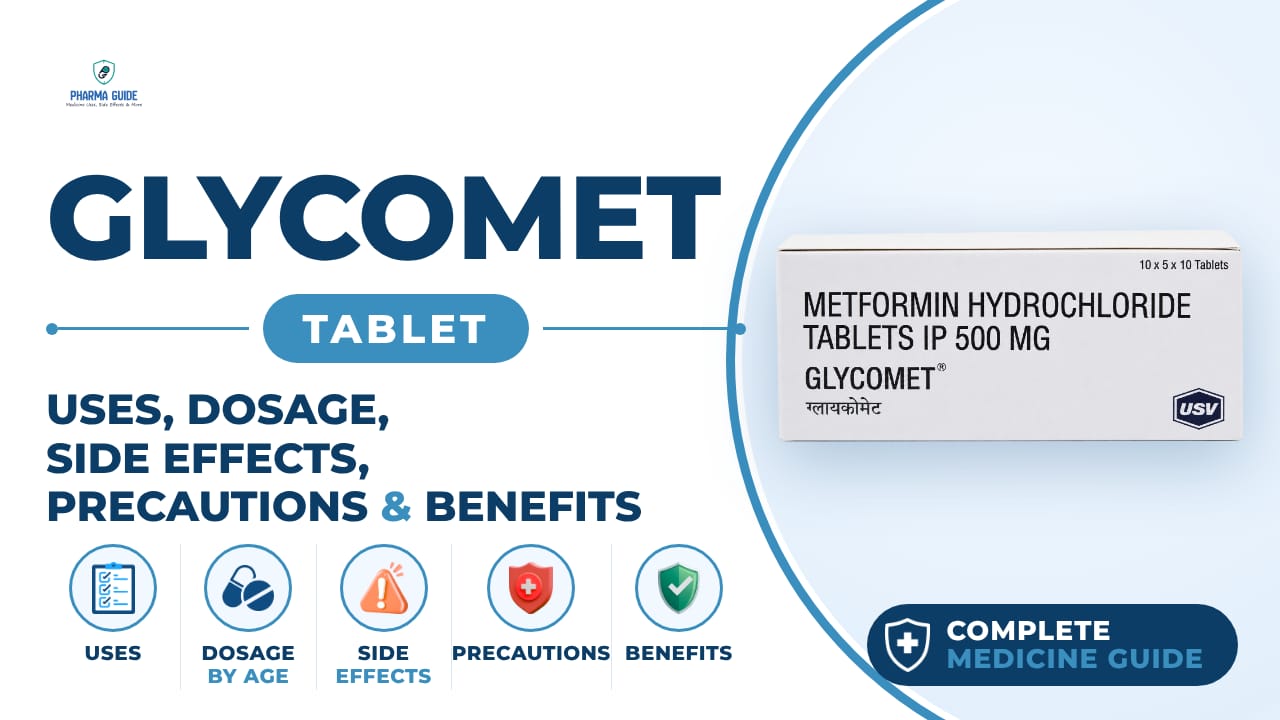
| Generic name | Metformin |
|---|---|
| Drug class | Biguanide |
| Forms | Tablet, Sustained-release (SR) tablet |
Quick overview
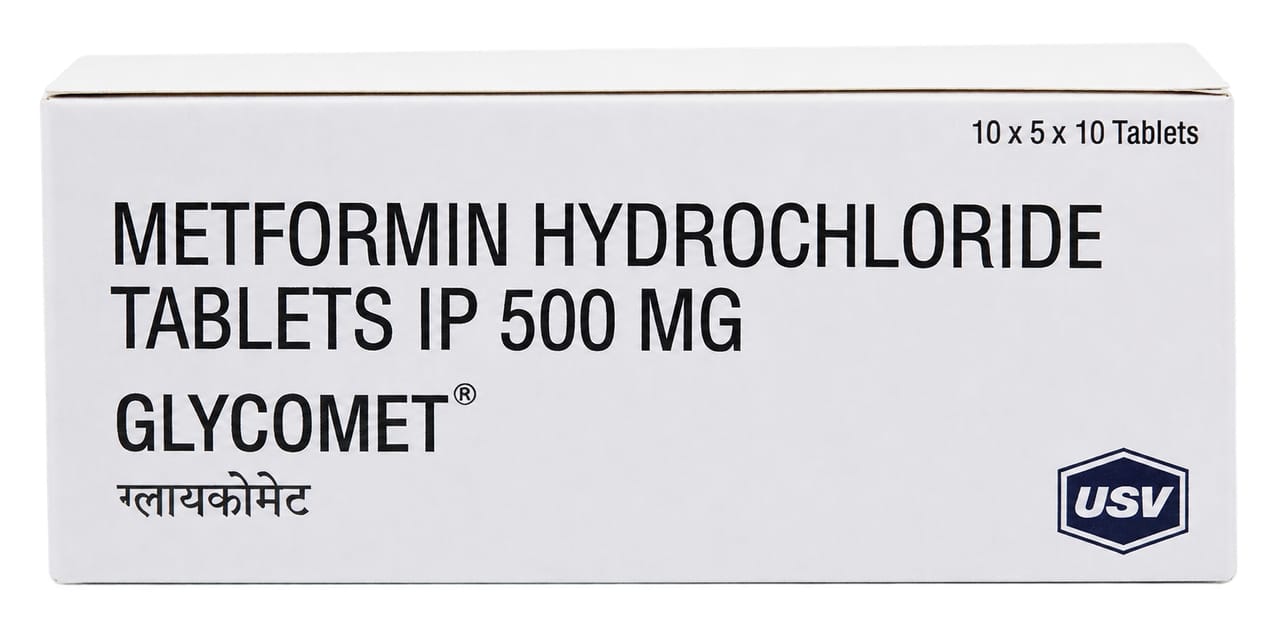
Glycomet Tablet is a prescription medicine containing metformin hydrochloride, a biguanide used mainly to control high blood sugar in people with type 2 diabetes. It is used alongside diet, exercise, and regular monitoring rather than in place of them. It works by reducing glucose release from the liver, improving the body's response to insulin, and reducing some glucose absorption from the gut. It is available as a tablet and as a sustained-release tablet.
What is Glycomet Tablet
Glycomet Tablet is a prescription medicine that contains metformin hydrochloride. It is mainly used to control high blood sugar in people with type 2 diabetes, and belongs to a group of medicines called biguanides. It works alongside diet, exercise, and regular monitoring rather than replacing them.
Glycomet Tablet uses
- Managing type 2 diabetes mellitus in adults
- Managing Polycystic Ovary Syndrome (PCOS) related metabolic concerns and helping regulate menstrual cycles
- Improving insulin resistance
- Supporting selected people with prediabetes
- Managing pregnancy-related high blood glucose in selected cases under specialist care
- Combining with other glucose-lowering medicines when one medicine alone is not enough
Benefits of Glycomet Tablet
- Lowers fasting and after-meal blood glucose
- Improves insulin sensitivity
- Supports type 2 diabetes control with a low risk of low blood sugar when used alone
- Usually does not cause weight gain and may support modest weight reduction in some people
- Can be combined with other diabetes medicines when needed
- May support metabolic management in PCOS
- May delay progression from prediabetes to type 2 diabetes in selected high-risk people
- Helps in insulin production, which reduces excess blood sugar levels
- Helps minimize the risk of diabetes-associated complications such as blindness, kidney damage, stroke, and heart attack
How Glycomet Tablet works
This medicine reduces the amount of glucose released by the liver, helps the body respond better to insulin so cells can use glucose more effectively, and reduces some glucose absorption from the digestive tract, which helps lower blood sugar levels after meals.
Glycomet Tablet dosage
Take it exactly as prescribed by your doctor and do not exceed the prescribed dose. Take it with food or just after a meal to reduce stomach-related side effects like nausea and diarrhoea, and try to take it at the same time each day. Sustained-release (SR) tablets are often taken once daily, commonly with the evening meal; swallow whole and do not crush, chew, or split unless your product information allows it. If you miss a dose, take it when you remember unless your next dose is due soon; in that case skip the missed dose and continue your regular schedule — do not take two doses together. Do not stop taking this medicine just because your blood sugar readings improve; discuss any changes with your doctor. Doctors usually increase the dose gradually to improve tolerance; never increase your dose yourself. Avoid taking this medicine for a long period unless prescribed by your physician. This medicine is not suitable for children below the age of 10 years, and older patients may need special monitoring and dose adjustment by their doctor.
| Age group | Dose |
|---|---|
| Under 10 Years | Use only if prescribed by a healthcare professional |
| 10 Years and Above | 500 mg once or twice daily, adjusted according to blood glucose levels |
| Adults (18–64 Years) | 500–1000 mg once or twice daily, as prescribed |
| Older Adults (65+ Years) | 500 mg once daily initially, adjusted based on kidney function |
Available forms and strengths
- Tablet
- Sustained-release (SR) tablet
Side effects of Glycomet Tablet
Common
- Nausea and vomiting
- Diarrhoea
- Abdominal/stomach pain
- Loss of appetite
- Weakness
- Chest discomfort
- Headache
- Runny nose
- Heartburn
- Swollen joints
- Gas or indigestion
- Metallic or altered taste in the mouth
Serious
- Reduced blood sugar levels (hypoglycaemia)
- Weight gain
- Severe or persistent vomiting or diarrhoea leading to dehydration
- Lactic acidosis (a rare but dangerous build-up of lactic acid in the blood)
- Unusual severe weakness, persistent vomiting, severe abdominal pain, muscle pain, breathing difficulty, marked drowsiness, dizziness, or an unusually slow or irregular heartbeat
- Numbness, tingling, unusual tiredness, or pale skin (possible signs of vitamin B12 deficiency or anaemia)
Warnings and precautions
- Do not take this medicine if you are allergic to metformin or any of its ingredients, as allergic reactions can be serious and need immediate medical attention.
- Tell your doctor before taking this medicine if you have kidney or liver disease, diabetic ketoacidosis or other metabolic acidosis, severe heart failure, breathing problems, a recent heart attack, dehydration from fever, vomiting or diarrhoea, drink alcohol frequently, are pregnant or breastfeeding, are scheduled for major surgery, are having a scan with iodinated contrast dye, or have anaemia, low vitamin B12, or symptoms like numbness, tingling, tiredness, or a sore tongue.
- This medicine can very rarely cause lactic acidosis, a dangerous build-up of lactic acid in the blood.
- The risk is higher with severe kidney problems, dehydration, serious infection, low oxygen states, heavy alcohol intake, or significant liver disease. This medicine is not suitable for children below 10 years of age.
- Some medicines can interact with this one, including anti-inflammatory drugs, diuretics, beta-blockers, oral contraceptives, antidepressants, insulin or sulfonylureas, iodinated contrast dye, topiramate, acetazolamide, cimetidine, dolutegravir, ranolazine, vandetanib, steroids, and certain asthma medicines.
- Tell your doctor about all medicines and supplements you take.
- Avoid using this medicine during pregnancy unless your doctor decides it's necessary and supervises your treatment, since it may affect the baby. Speak with your doctor before use if you are pregnant or planning pregnancy. It isn't known whether this medicine passes into breast milk, so it isn't recommended while breastfeeding unless your doctor advises otherwise.
- People with kidney disease or reduced kidney function should use this medicine with caution, and it isn't usually started when kidney function is significantly reduced. Your doctor will check your kidney function before starting and may adjust your dose or recommend an alternative. If you have liver disease or any liver-related concerns, discuss them with your doctor before starting this medicine, as it may not be suitable for certain liver conditions.
- Avoid drinking alcohol while taking this medicine, since it can increase the risk of low blood sugar and a rare but serious condition called lactic acidosis. This medicine can cause dizziness and confusion in some people, so be careful when driving or operating machinery until you know how it affects you.
Storage
- Store Glycomet Tablet below 25°C in a cool and dry place.
- Keep the medicine away from direct sunlight and moisture.
- Protect the product from light and humidity to maintain its effectiveness.
- Store the medicine out of reach of children to prevent accidental ingestion.
- Make sure to use the product before its expiry date to ensure its potency and safety.
When to see a doctor
Get urgent medical care if you develop unusual severe weakness, ongoing vomiting, severe stomach pain, muscle pain, difficulty breathing, marked drowsiness, dizziness, or an unusually slow or irregular heartbeat, as these may be signs of lactic acidosis. Contact your doctor right away if digestive side effects don't improve, or if they become severe.
Speak to your doctor if your blood sugar remains consistently high or becomes too low, you develop numbness, tingling, unusual tiredness, or pale skin, you become dehydrated or develop a serious infection, you are planning pregnancy, you are due for surgery or a contrast scan, or you accidentally take more than prescribed. If you think you or someone else has taken too much of this medicine, seek immediate medical attention and contact your doctor or visit a nearby hospital.
Alternatives
- Sitagliptin
- Pioglitazone
- Gliclazide
- Glimepiride
Watch the video
FAQs
What is Glycomet Tablet used for?
It is mainly used to manage type 2 diabetes mellitus, and can also help with PCOS-related metabolic concerns, insulin resistance, prediabetes, and pregnancy-related high blood glucose in selected cases under specialist care.
How does Glycomet Tablet work?
It reduces the amount of glucose released by the liver, helps the body respond better to insulin so cells use glucose more effectively, and reduces some glucose absorption from the digestive tract, lowering blood sugar after meals.
How should I take Glycomet Tablet?
Take it exactly as prescribed, with food or just after a meal to reduce stomach-related side effects, at the same time each day. Sustained-release tablets are often taken once daily, commonly with the evening meal, and should be swallowed whole without crushing or chewing.
What are the common side effects of Glycomet Tablet?
Common side effects include nausea, vomiting, diarrhoea, abdominal pain, loss of appetite, weakness, headache, heartburn, gas or indigestion, and a metallic or altered taste in the mouth.
Is Glycomet Tablet safe during pregnancy?
It should be avoided during pregnancy unless your doctor decides it is necessary and supervises your treatment, as it may affect the baby, so you should speak with your doctor before use if pregnant or planning pregnancy.
General information, not medical advice
Your prescriber and the leaflet in your pack know your situation. This page does not.
- Follow your prescriber and the leaflet
- Don't start, stop, or change a dose on your own
- Doses and warnings differ by country and product
Sources
Video
Related medicines
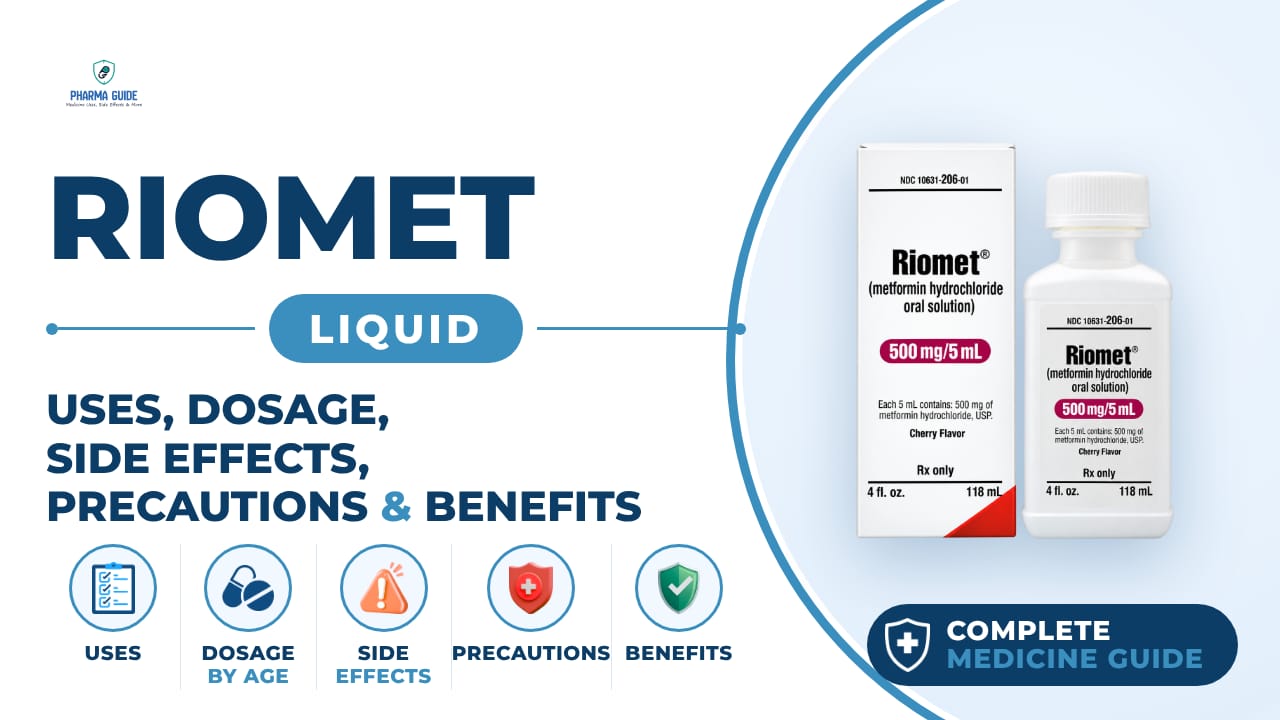
Riomet Liquid: Uses, Dosage, Side Effects, Precautions and Alternates
Biguanide
Riomet Liquid (metformin) is an oral solution used with diet and exercise to control blood sugar in type 2 diabetes. Learn dosage, benefits, and side effects.

Injectafer Injection: Uses, Dosage, Side Effects, Precautions and Alternates
Iron products
Injectafer (ferric carboxymaltose) treats iron deficiency anemia and heart failure-related iron deficiency via IV. Learn uses, dosage, side effects, and