
Safety
General information, not medical advice
Your prescriber and the leaflet in your pack know your situation. This page does not.
- Follow your prescriber and the leaflet
- Don't start, stop, or change a dose on your own
- Doses and warnings differ by country and product
Gralise Tablet: Uses, Dosage, Side Effects, Precautions and Alternates
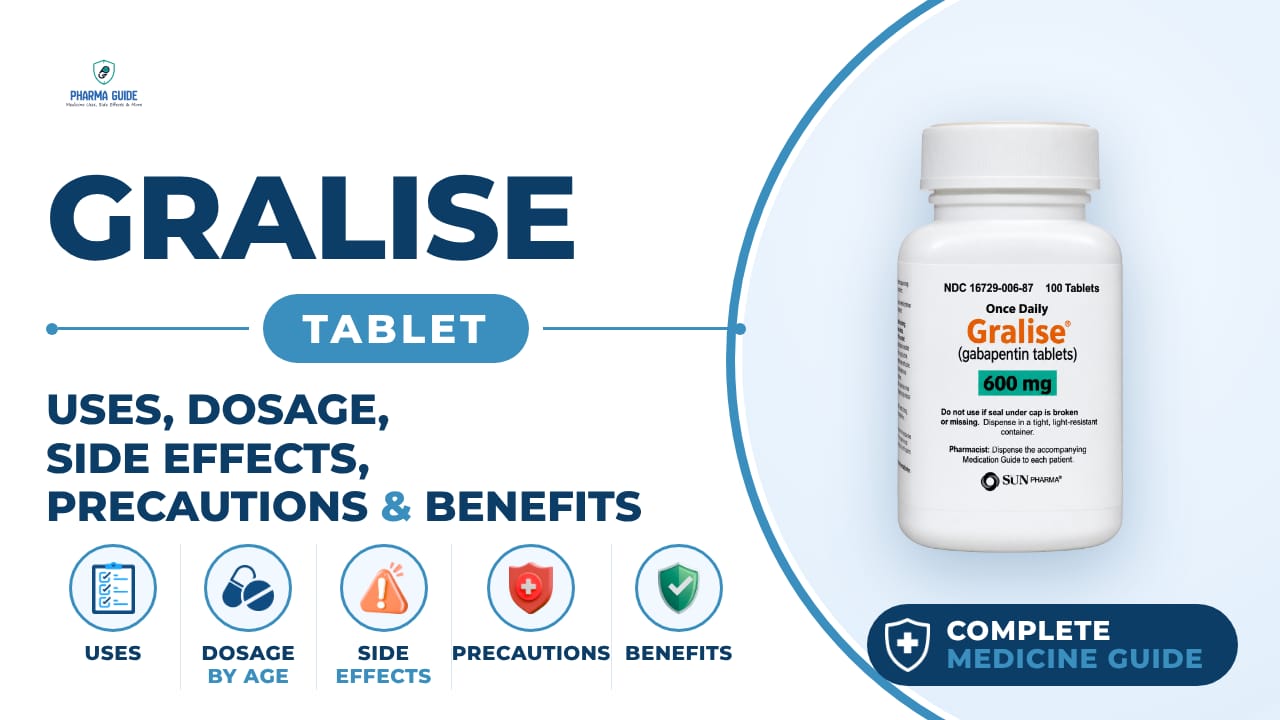
| Generic name | gabapentin |
|---|---|
| Drug class | Antiepileptic (gabapentinoid) |
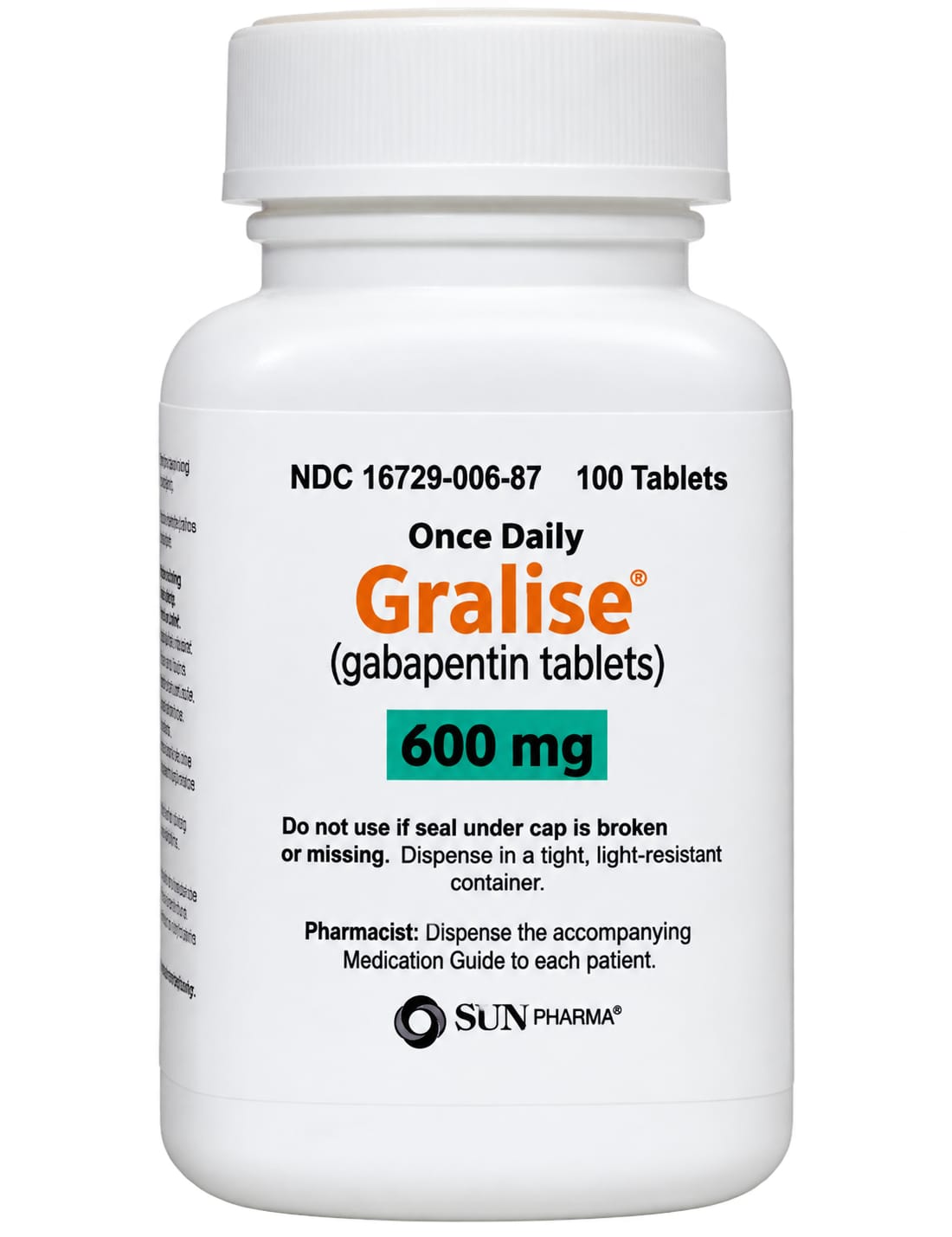
| Forms | Tablet (300 mg and 600 mg, film-coated) |
Quick overview
Gralise Tablet contains gabapentin, an antiepileptic medicine belonging to the gabapentinoid class. It is an extended-release tablet used to relieve postherpetic neuralgia, the nerve pain that can follow shingles. Gralise is taken once daily in the evening with food and is not interchangeable with other gabapentin products.
What is Gralise Tablet
Gralise is an extended-release form of gabapentin. It is a prescription medicine that slowly releases the drug into your body from the tablet over time.
Gralise Tablet uses
- Postherpetic neuralgia (nerve pain after shingles)
- Persistent nerve pain following shingles
- Burning sensations caused by nerve damage
- Nerve-related pain sensitivity after shingles
- Chronic discomfort associated with post-shingles nerve injury
Benefits of Gralise Tablet
- Helps relieve nerve pain after shingles.
- Reduces burning sensations.
- Helps reduce nerve-related pain.
- May improve sleep affected by nerve pain.
- Helps manage persistent nerve discomfort.
How Gralise Tablet works
Gralise has a structure similar to a natural calming chemical in the body called GABA. Scientists don't know exactly how it relieves nerve pain, but it's thought to work by blocking the nerves involved in sending pain signals.
Gralise Tablet dosage
Take Gralise by mouth once a day in the evening with food, since food helps your body absorb the medication. Swallow the tablet whole with a full glass of water; do not split, crush, break, or chew it. Your doctor will start you on a low dose and slowly raise it over about two weeks. Take it at the same time each day.
If you miss a dose, take it as soon as you remember with food; if it's almost time for your next dose, skip the missed one and don't double up. If you use an antacid containing aluminum and magnesium, take Gralise at least 2 hours after the antacid.
Gralise is not meant for use in children under 18 years old. This medicine is not interchangeable with other gabapentin products.
| Age group | Dose |
|---|---|
| Under 18 years | Not recommended |
| 18–64 years | 1,800 mg, once/day |
| 65+ years | 1,800 mg, once/day |
Available forms and strengths
- Tablet (300 mg and 600 mg, film-coated)
Side effects of Gralise Tablet
Common
- Dizziness
- Sleepiness (somnolence)
- Headache
- Diarrhea
- Dry mouth
- Common cold symptoms (nasopharyngitis)
- Weight gain
- Swelling in the hands, feet, or ankles
- Pain in arm, leg, or back
Serious
- Serious allergic reaction or serious skin reaction: hives, rash, blisters, skin reddening, fever, swelling of the lips or tongue, difficulty breathing
- Suicidal thoughts or behaviors
- Serious or dangerously slow breathing problems
- Signs of a severe drug reaction affecting many body parts: fever, swollen glands, muscle aches, severe weakness, unusual bruising, upper stomach pain, or yellowing of skin or eyes
- Confusion, extreme drowsiness or weakness
- Problems with balance or muscle movement
- Unusual or involuntary eye movements
- Blue-colored skin, lips, fingers, or toes
- Increased seizures
Warnings and precautions
- It is not known if Gralise can harm an unborn baby. Tell your healthcare provider if you are pregnant or plan to become pregnant, and talk with them about the benefits and risks. You may be asked to join a pregnancy registry that tracks gabapentin's effects.
- Gralise can pass into breast milk. Talk with your healthcare provider about whether it's safe to breastfeed while taking this medicine.
- People with kidney problems need a different dose of Gralise. This medicine should not be used by people with severe kidney impairment or those on dialysis.
- Don't drink alcohol while taking Gralise unless you've talked to your healthcare provider first. Alcohol can make side effects like sleepiness and dizziness worse and may increase the risk of dangerous breathing problems.
- Don't drive or operate heavy machinery until you know how Gralise affects you, since it can cause dizziness and sleepiness that slow your thinking and reaction time.
- Do not stop taking Gralise suddenly without talking to your healthcare provider first, as this can cause serious problems and withdrawal symptoms.
- Like other antiepileptic medicines, the active ingredient in Gralise can raise the risk of suicidal thoughts or actions in a small number of people (about 1 in 500).
- Serious breathing problems can happen when Gralise is taken with other medicines that cause severe sleepiness, or in people who already have breathing problems. Watch for increased sleepiness or slowed breathing, especially when starting the medicine or raising the dose.
- Gralise is not interchangeable with other gabapentin products because they release the drug into the body differently, which affects how often it should be taken.
- It is not known if Gralise is safe and effective for people with epilepsy, so it should not be used in place of other gabapentin products for seizure control.
- Severe allergic reactions, including swelling of the face and difficulty breathing, and serious skin reactions such as DRESS syndrome can occur, though rare.
Storage
- Store at room temperature, 20–25°C.
- Keep in a dry place.
- Protect from moisture.
- Keep tablets in the original packaging.
- Keep out of reach of children.
When to see a doctor
- Call your healthcare provider right away if you have thoughts about suicide or dying, attempts to harm yourself, serious breathing problems, new or worse depression or anxiety, feeling agitated or restless, panic attacks, trouble sleeping, new or worse irritability, aggressive or violent behavior, acting on dangerous impulses, extreme increases in activity and talking, or other unusual changes in mood or behavior.
- Get emergency medical help right away if you have signs of a serious allergic reaction, such as hives, trouble breathing, or swelling of your face, lips, tongue, or throat.
- Seek medical treatment right away if you notice a serious drug reaction affecting many parts of the body, such as skin rash, fever, swollen glands, muscle aches, severe weakness, unusual bruising, upper stomach pain, or yellowing skin or eyes.
- Call your doctor right away if you have weak or shallow breathing, blue-colored skin, lips, fingers or toes, confusion, extreme drowsiness or weakness, balance or muscle problems, unusual eye movements, or increased seizures.
- If you take too much Gralise, contact your healthcare provider or your local poison control center, or go to the nearest emergency room right away.
Alternatives
- Duloxetine
- Gabapentin
- Pregabalin
Watch the video
FAQs
What is Gralise Tablet used for?
Gralise is used to relieve postherpetic neuralgia, the nerve pain that can follow shingles, including burning sensations and persistent nerve discomfort.
How should Gralise Tablet be taken?
Gralise should be taken once daily in the evening with food, swallowed whole with a full glass of water. It should not be split, crushed, broken, or chewed, and should be taken at the same time each day.
Can Gralise be substituted with other gabapentin products?
No, Gralise is not interchangeable with other gabapentin products because they release the drug into the body differently, which affects how often it should be taken.
What are the common side effects of Gralise Tablet?
Common side effects include dizziness, sleepiness, headache, diarrhea, dry mouth, common cold symptoms, weight gain, swelling in the hands, feet, or ankles, and pain in the arm, leg, or back.
Is it safe to drink alcohol while taking Gralise?
No, alcohol should be avoided while taking Gralise unless advised by a healthcare provider, as it can worsen sleepiness and dizziness and increase the risk of dangerous breathing problems.
General information, not medical advice
Your prescriber and the leaflet in your pack know your situation. This page does not.
- Follow your prescriber and the leaflet
- Don't start, stop, or change a dose on your own
- Doses and warnings differ by country and product
Sources
Video
Related medicines

Injectafer Injection: Uses, Dosage, Side Effects, Precautions and Alternates
Iron products
Injectafer (ferric carboxymaltose) treats iron deficiency anemia and heart failure-related iron deficiency via IV. Learn uses, dosage, side effects, and

Gliclazide Tablet: Uses, Dosage, Side Effects, Precautions and Alternates
Sulfonylurea (hypoglycemic/antidiabetic agent)
Gliclazide Tablet is a sulfonylurea for type 2 diabetes that boosts insulin release. Learn about dosage, side effects, warnings, and precautions.