
Safety
General information, not medical advice
Your prescriber and the leaflet in your pack know your situation. This page does not.
- Follow your prescriber and the leaflet
- Don't start, stop, or change a dose on your own
- Doses and warnings differ by country and product
Hepatitis B Vaccine Injection: Uses, Dosage, Side Effects, Precautions and Alternates
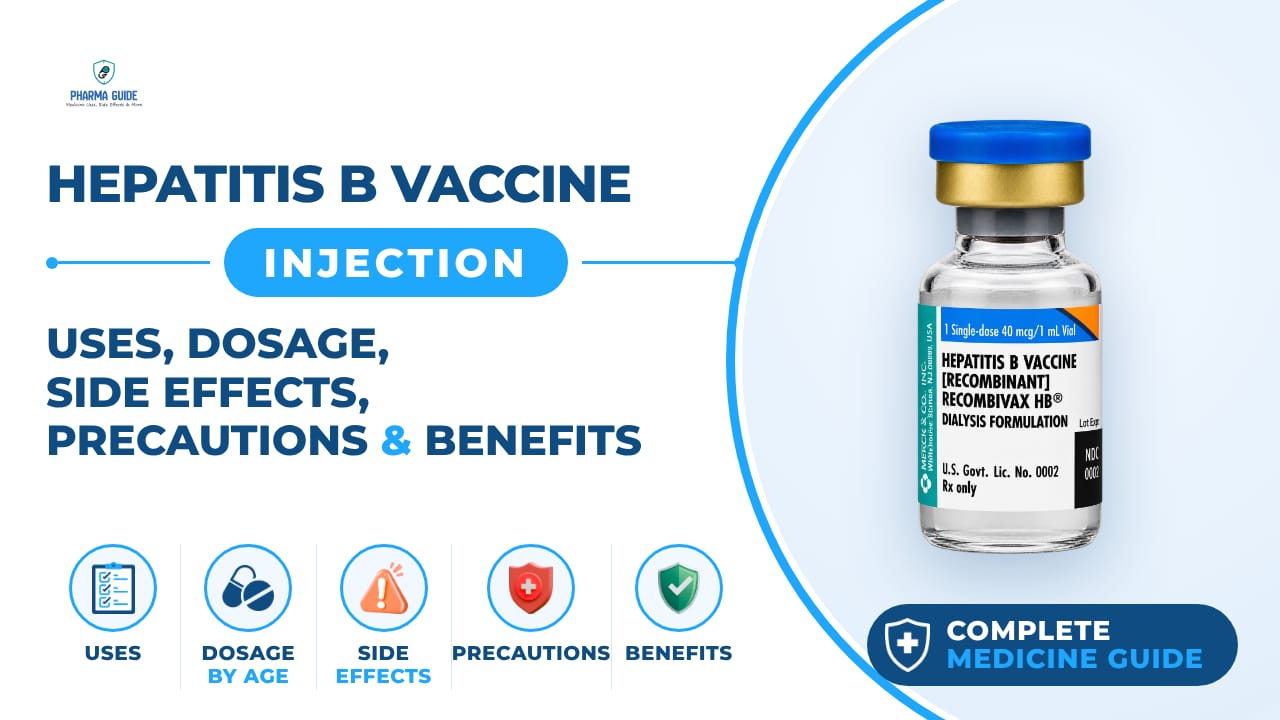
| Generic name | Hepatitis B Vaccine (Recombinant) |
|---|---|
| Forms | Injection |
Quick overview
Hepatitis B Vaccine Injection (Hepatitis B Vaccine Recombinant) helps reduce the risk of getting hepatitis B, a viral infection that causes inflammation in the liver. It does not treat hepatitis B once a person already has the infection. The vaccine is given as an injection into a muscle by a healthcare provider, and a full series of doses is needed for complete protection.
What is Hepatitis B Vaccine Injection
The hepatitis B vaccine reduces the risk of getting hepatitis B, a viral infection that causes inflammation in the liver. It does not treat hepatitis B once you have it. A healthcare provider gives this injection into a muscle.
Hepatitis B Vaccine Injection uses
- Reduces the risk of hepatitis B infection
- May be used for other purposes as decided by your health care provider
Benefits of Hepatitis B Vaccine Injection
- It is still possible to get hepatitis B after receiving this vaccine, but the symptoms may be less severe or not last as long
- More than 1 billion doses of the hepatitis B vaccine have been given worldwide and it is considered one of the safest and most effective vaccines ever made
- The hepatitis B vaccine provides at least 98 percent protection to infants, children, and adults who are fully immunized before being exposed to the virus
How Hepatitis B Vaccine Injection works
The vaccine works by helping your immune system learn how to fight off a future hepatitis B infection.
Hepatitis B Vaccine Injection dosage
This vaccine is injected into a muscle by your care team. A copy of Vaccine Information Statements will be given before each vaccination, and you should read this sheet carefully each time since it may change. Talk to your care team about use in children, since precautions apply even though it may be given to children as young as newborn. Keep all follow-up (booster) appointments as directed since it is important not to miss a dose. Call your care team if you are unable to keep an appointment. You must have all shots of this vaccine series for full protection from hepatitis B infection.
| Age group | Dose |
|---|---|
| Newborns (Birth) | 0.5 mL injection within 24 hours of birth (as recommended) |
| Infants & Children | 0.5 mL injection per dose according to vaccination schedule |
| Adolescents (11–19 Years) | 0.5–1 mL injection depending on vaccine formulation |
| Adults (20+ Years) | 1 mL injection per dose (adult formulation) |
| Older Adults (65+ Years) | 1 mL injection per dose as recommended |
Available forms and strengths
- Injection
Side effects of Hepatitis B Vaccine Injection
Common
- Dizziness
- Fatigue
- Fever
- Headache
- Pain, redness, irritation, or bruising at the injection site
- Soreness, swelling and redness at the injection site
Serious
- Allergic reactions—skin rash, itching, hives, swelling of the face, lips, tongue, or throat
- Burning or tingling sensation in hands or feet
- Feeling faint or lightheaded
- Trouble breathing
- Weakness
- Rapid heartbeat
Warnings and precautions
- You should not get the vaccine if you have had a serious allergic reaction to a previous dose or have a history of hypersensitivity to yeast or other vaccine components.
- Certain medications that suppress your immune function, cancer treatments, and steroid medications may interact with this vaccine.
- If you have current hepatitis B infection or have recovered from a past infection, the vaccine series will not benefit you or clear the virus.
- Tell your care team if you are pregnant or trying to get pregnant. Several types of the vaccine are also considered safe to give to pregnant women.
- Tell your care team if you are breastfeeding.
- Tell your care team if you have kidney disease.
- Tell your care team if you have hepatitis B infection, which affects the liver.
- Inform your healthcare provider about any severe allergy to a previous hepatitis B vaccine dose.
- Follow the complete vaccine schedule for proper protection.
Storage
- This vaccine is only given by your care team. It will not be stored at home.
When to see a doctor
- Tell your care team right away if you have any serious or unusual side effects after getting this vaccine.
- Get emergency help immediately if you notice hives, swelling in your face and throat, dizziness, weakness, difficulty breathing, or a rapid heartbeat after vaccination, as this could be a serious allergic reaction.
- If you think you have taken too much of this medicine, contact a poison control center or emergency room right away.
Alternatives
- Heplisav-B Vaccine
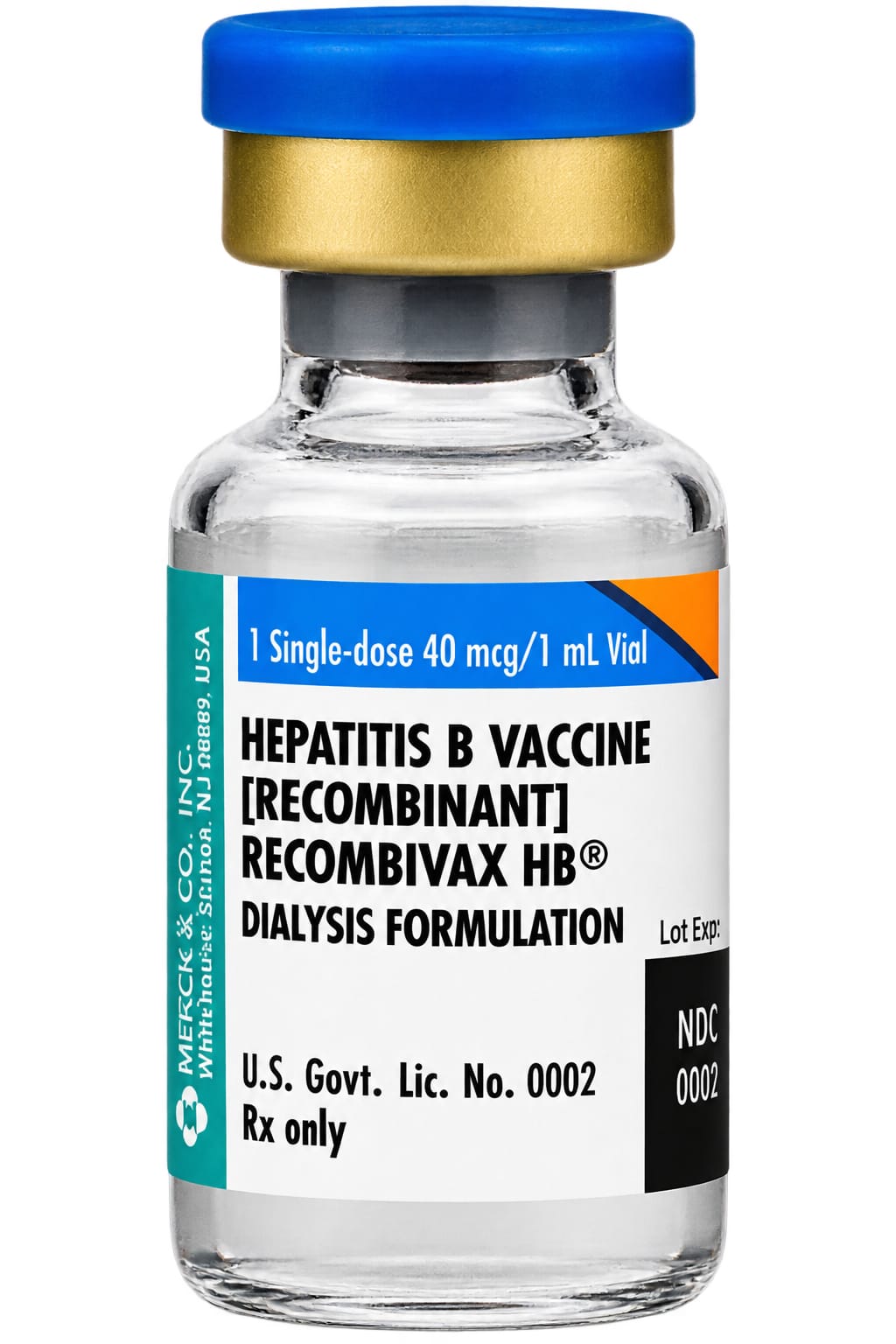
- Recombivax HB Vaccine
- Engerix-B Vaccine
- Twinrix (Hepatitis A + B Vaccine)
Watch the video
FAQs
What does the Hepatitis B Vaccine Injection do?
It helps reduce the risk of getting hepatitis B, a viral infection that causes inflammation in the liver, by helping the immune system learn to fight off a future infection. It does not treat hepatitis B once a person already has it.
How effective is the hepatitis B vaccine?
It provides at least 98 percent protection to infants, children, and adults who are fully immunized before being exposed to the virus. It is still possible to get hepatitis B after vaccination, but symptoms may be less severe or not last as long.
How is the Hepatitis B Vaccine Injection given?
It is given as an injection into a muscle by a healthcare provider, with dosage varying by age group, and a full series of doses is needed for complete protection.
What are the common side effects of the Hepatitis B Vaccine Injection?
Common side effects include dizziness, fatigue, fever, headache, and pain, redness, irritation, bruising, or swelling at the injection site.
Who should not receive the Hepatitis B Vaccine Injection?
Those who have had a serious allergic reaction to a previous dose or have a history of hypersensitivity to yeast or other vaccine components should not get the vaccine.
General information, not medical advice
Your prescriber and the leaflet in your pack know your situation. This page does not.
- Follow your prescriber and the leaflet
- Don't start, stop, or change a dose on your own
- Doses and warnings differ by country and product
Sources
Video
Related medicines

Injectafer Injection: Uses, Dosage, Side Effects, Precautions and Alternates
Iron products
Injectafer (ferric carboxymaltose) treats iron deficiency anemia and heart failure-related iron deficiency via IV. Learn uses, dosage, side effects, and

Gliclazide Tablet: Uses, Dosage, Side Effects, Precautions and Alternates
Sulfonylurea (hypoglycemic/antidiabetic agent)
Gliclazide Tablet is a sulfonylurea for type 2 diabetes that boosts insulin release. Learn about dosage, side effects, warnings, and precautions.