
Safety
General information, not medical advice
Your prescriber and the leaflet in your pack know your situation. This page does not.
- Follow your prescriber and the leaflet
- Don't start, stop, or change a dose on your own
- Doses and warnings differ by country and product
Hydrocortisone Injection: Uses, Dosage, Side Effects, Precautions and Alternates
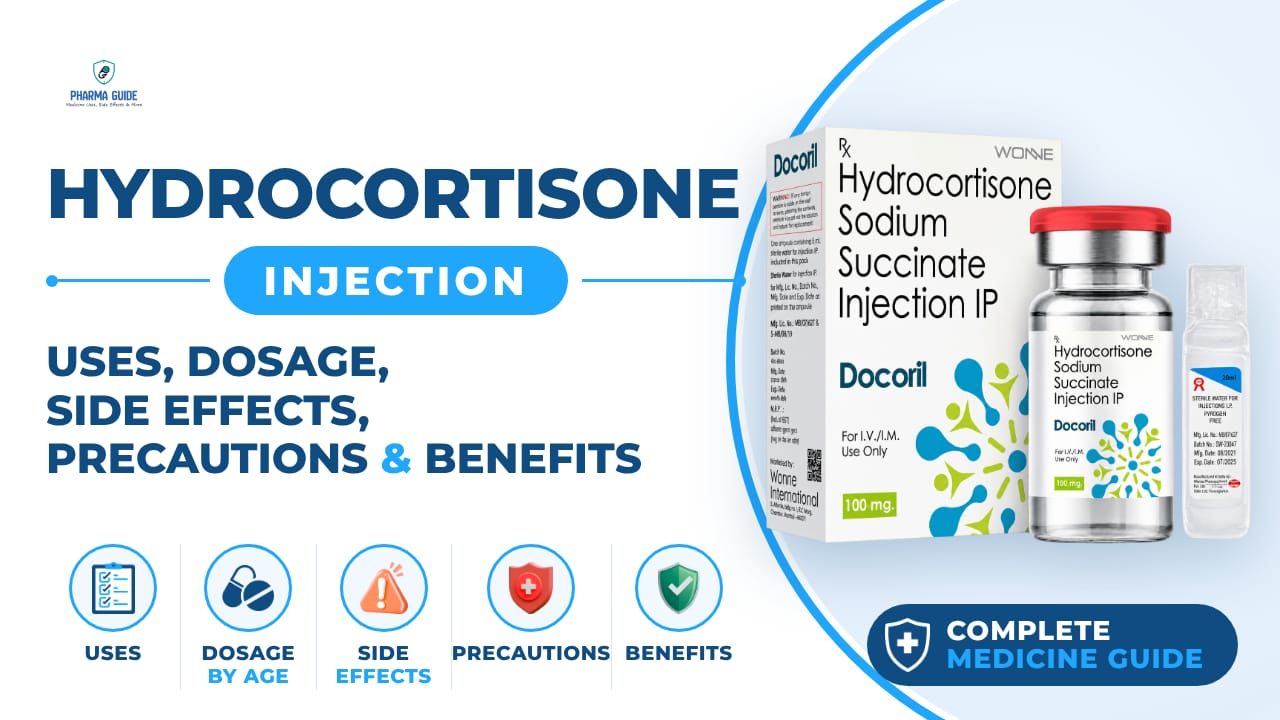
| Generic name | hydrocortisone (as hydrocortisone sodium succinate or hydrocortisone sodium phosphate) |
|---|---|
| Drug class | Corticosteroid (glucocorticoid) |
| Forms | Powder for solution for injection/infusion, Solution for injection |
Quick overview
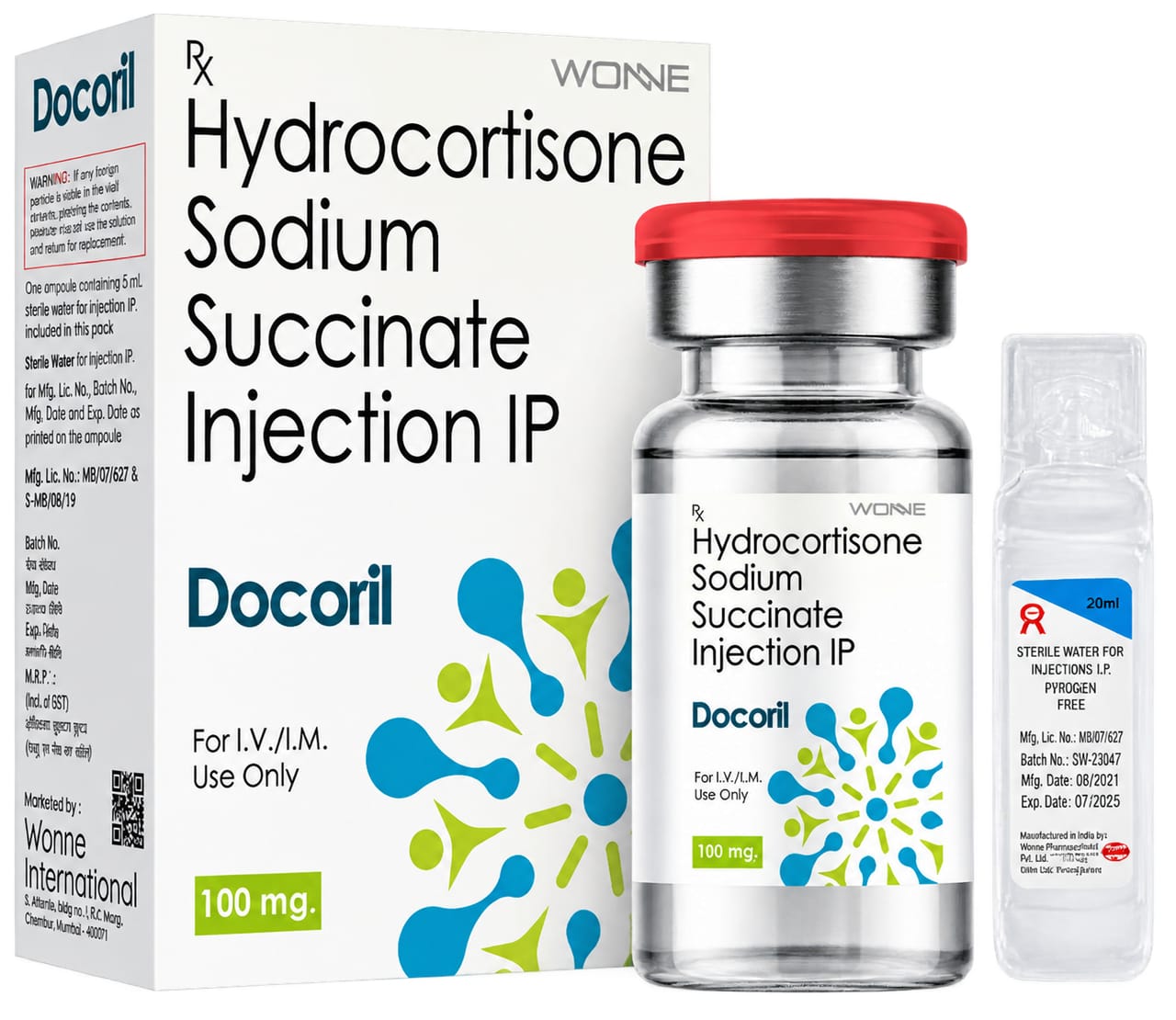
Hydrocortisone Injection contains hydrocortisone (given as hydrocortisone sodium succinate or hydrocortisone sodium phosphate), a corticosteroid (glucocorticoid) medicine. It is given by a doctor or nurse into a vein or muscle, usually in a hospital or clinic, though some patients or caregivers may be trained to give it at home for emergencies. It is used to treat low corticosteroid levels, severe allergic reactions, severe asthma attacks, rheumatic disorders, and a number of other inflammatory and emergency conditions.
What is Hydrocortisone Injection
Hydrocortisone injection is a steroid medicine (glucocorticoid) that is given by a doctor or nurse into a vein or muscle. It is used in a hospital or clinic setting, though some patients or caregivers may be trained to give it at home for emergencies.
Hydrocortisone Injection uses
- Treating low corticosteroid levels (adrenal insufficiency), including Addison's disease
- Severe allergic reactions and anaphylaxis
- Severe asthma attacks and other breathing problems
- Rheumatic disorders such as rheumatoid arthritis and lupus
- Swollen, painful joints and tendons, such as tennis elbow and golfer's elbow
- Skin conditions
- Certain blood disorders
- Eye conditions involving inflammation
- Certain cancers, including leukemia and lymphoma
- Intestinal conditions such as ulcerative colitis
- Severe shock due to injury or infection
- Congenital adrenal hyperplasia and other adrenal gland disorders in children
Benefits of Hydrocortisone Injection
- Replaces steroid hormone the body isn't making enough of
- Reduces inflammation, swelling, and redness in the body
- Can act quickly in emergency situations to raise cortisol levels
- Helps control symptoms of many different inflammatory and allergic conditions
How Hydrocortisone Injection works
Hydrocortisone is a man-made version of a natural body hormone called cortisol. It replaces cortisol when the body doesn't make enough, and it also works in other conditions by reducing swelling and redness and changing how the immune system works.
Hydrocortisone Injection dosage
This medicine is given as an injection into a muscle or into a vein by a doctor or nurse, though some people may be trained to give it at home in an emergency. It comes as a powder that must be mixed with liquid before it is injected. Your dosing schedule depends on your condition and how you respond to treatment.
Do not stop this medicine suddenly if you have been using it for a long time; your doctor will lower your dose gradually. Tell your doctor if your symptoms improve, get worse, or if you become sick, injured, or have surgery, since your dose may need to change during times of stress on the body. Avoid drinking grapefruit juice while using this medicine, as it can change how the medicine works. Follow any special diet advice from your doctor, such as limiting salt or taking potassium supplements.
| Age group | Dose |
|---|---|
| Infants & Children | Dose based on body weight and medical condition (as prescribed) |
| Adults (18–64 Years) | 100–500 mg depending on condition and severity |
| Older Adults (65+ years) | Lowest effective dose; adjusted based on health condition |
| Emergency Conditions | Higher doses may be given under medical supervision |
Available forms and strengths
- Powder for solution for injection/infusion
- Solution for injection
Side effects of Hydrocortisone Injection
Common
- Headache
- Dizziness
- Increased sweating
- Trouble sleeping
- Unusual hair growth on the face or body
- Upset stomach
- Increased appetite
- Nausea
- Weight gain
- Acne
- Skin rash
- Dry, scaly skin
- Slowed healing of cuts and bruises
- Thin, fragile skin
- Injection site reactions such as soreness, redness, swelling, or small skin dents
- Joint pain
- Irregular or absent menstrual periods
- Hiccups
- Muscle weakness
Serious
- Signs of adrenal insufficiency: worsening tiredness, nausea or vomiting, dizziness, fainting, muscle weakness, irritability, depression, loss of appetite, weight loss
- Signs of Cushing syndrome: weight gain (especially around the upper back and stomach), slow healing of wounds or infections, tiredness, moon-shaped face, high blood pressure
- Signs of infection: fever, sore throat, sneezing, cough, wounds that won't heal, pain when urinating
- Mental changes: depression, mood swings, confusion, hallucinations, suicidal thoughts
- Severe stomach pain or vomiting
- Vision changes: blurred or cloudy vision, seeing halos around lights
- Pain in the hips, back, ribs, arms, shoulders, or legs
- Signs of high blood sugar: increased thirst, more frequent urination, increased hunger
- Swelling of the feet or lower legs
- Seizures
- Severe allergic reaction: trouble breathing, swelling of the face, lips, throat, or tongue, rash, itching, hives
- Signs of stomach or intestinal bleeding or perforation
- Signs of blood clots (thrombosis)
- Increased pressure in the eyes or signs of glaucoma or cataracts
Warnings and precautions
This medicine can raise your risk of getting infections because it weakens your immune system, and this risk increases with higher doses. It can also hide signs of an infection you already have.
If you take this medicine long-term, you should not receive live vaccines, such as the nasal flu vaccine, chickenpox vaccine, or MMR vaccine, because they could cause the infection they are meant to prevent.
Stopping this medicine suddenly can cause your body to not make enough natural cortisol, leading to a serious condition called adrenal insufficiency. Using this medicine for a long time can raise cortisol levels too much, causing a serious condition called Cushing syndrome.
Tell your doctor if you've been near someone with measles or chickenpox, since this medicine can make it harder for your body to fight these infections, which could become severe or even fatal.
Do not take this medicine again if you've ever had an allergic reaction to it, as this could be fatal.
If you've been on this medicine for more than 3 weeks, do not stop suddenly, as this could cause a severe, potentially fatal drop in blood pressure. Your doctor will help you reduce the dose gradually.
Steroids like this medicine can cause severe mental health problems, including depression, thoughts of suicide, mood swings, anxiety, confusion, and hallucinations, in about 5 out of 100 people who take them.
You should always carry a Steroid Treatment Card and show it to any doctor, nurse, dentist, pharmacist, or optician who treats you.
There isn't enough information to know the risk of using hydrocortisone during pregnancy in people, though animal studies showed harm to the fetus. Tell your doctor if you are pregnant or planning to become pregnant, and call your doctor right away if you become pregnant while using this medicine.
Hydrocortisone can pass into breast milk and may slow a child's growth or cause other side effects. Tell your doctor if you are breastfeeding, since you may need to decide whether to stop breastfeeding or stop the medicine.
Tell your doctor if you have kidney disease, as caution is needed when using this medicine. If you have liver disease, hydrocortisone may have a stronger effect on your body, so your doctor may give you a lower dose.
Some side effects of hydrocortisone, such as blurred vision, mood changes, muscle weakness, and involuntary muscle movements, may affect your ability to drive or use machines safely.
Storage
- Keep this medicine out of the sight and reach of children
- Do not use this medicine after the expiry date stated on the label
- This medicine does not require special storage conditions, but the vial should be kept in the outer carton to protect it from light
- After the powder is mixed with liquid, the solution should be used right away
- Do not throw away medicines via wastewater or household waste; ask your pharmacist how to dispose of medicines you no longer use
When to see a doctor
- Call your doctor right away if you notice symptoms of adrenal insufficiency, such as worsening tiredness, nausea, vomiting, dizziness, fainting, muscle weakness, irritability, depression, loss of appetite, or weight loss
- Get emergency help right away if you have signs of a severe allergic reaction, such as trouble breathing, swelling of the face, lips, throat, or tongue, skin rash, itching, or hives
- Call your doctor immediately if you think you have been around someone with chickenpox or measles
- Talk to a doctor immediately if you or someone using this medicine shows signs of mental health problems, especially depression or thoughts of suicide
- Contact your doctor promptly if you have muscle weakness, muscle aches, cramps, or stiffness, as these could be signs of a serious condition affecting people with overactive thyroid
- Contact your doctor if you experience blurred vision or other visual disturbances
- Call your doctor immediately if you experience serious side effects such as seizures, vision problems, swelling of the eyes, face, lips, tongue, throat, arms, hands, feet, ankles, or lower legs, stomach swelling or pain, difficulty breathing or swallowing, shortness of breath, sudden weight gain, rash, hives, or itching
Alternatives
- Methylprednisolone Injection
- Dexamethasone Injection
- Triamcinolone
Watch the video
FAQs
What is Hydrocortisone Injection used for?
It is used to treat low corticosteroid levels such as Addison's disease, severe allergic reactions, severe asthma attacks, rheumatic disorders, skin conditions, certain blood disorders, eye inflammation, certain cancers, intestinal conditions like ulcerative colitis, severe shock, and adrenal gland disorders in children.
How is Hydrocortisone Injection given?
It is given as an injection into a muscle or vein by a doctor or nurse, though some people may be trained to give it at home in an emergency. It comes as a powder that must be mixed with liquid before injection.
Can I stop using Hydrocortisone Injection suddenly?
No, you should not stop this medicine suddenly if you have been using it for a long time. Your doctor will lower your dose gradually, since stopping suddenly can cause adrenal insufficiency or a severe, potentially fatal drop in blood pressure if used for more than 3 weeks.
What are the common side effects of Hydrocortisone Injection?
Common side effects include headache, dizziness, increased sweating, trouble sleeping, unusual hair growth, upset stomach, increased appetite, nausea, weight gain, acne, skin rash, slowed healing of cuts and bruises, thin skin, injection site reactions, joint pain, irregular menstrual periods, hiccups, and muscle weakness.
Is Hydrocortisone Injection safe during pregnancy?
There isn't enough information to know the risk of using hydrocortisone during pregnancy in people, though animal studies showed harm to the fetus. You should tell your doctor if you are pregnant or planning to become pregnant.
General information, not medical advice
Your prescriber and the leaflet in your pack know your situation. This page does not.
- Follow your prescriber and the leaflet
- Don't start, stop, or change a dose on your own
- Doses and warnings differ by country and product
Sources
Video
Related medicines
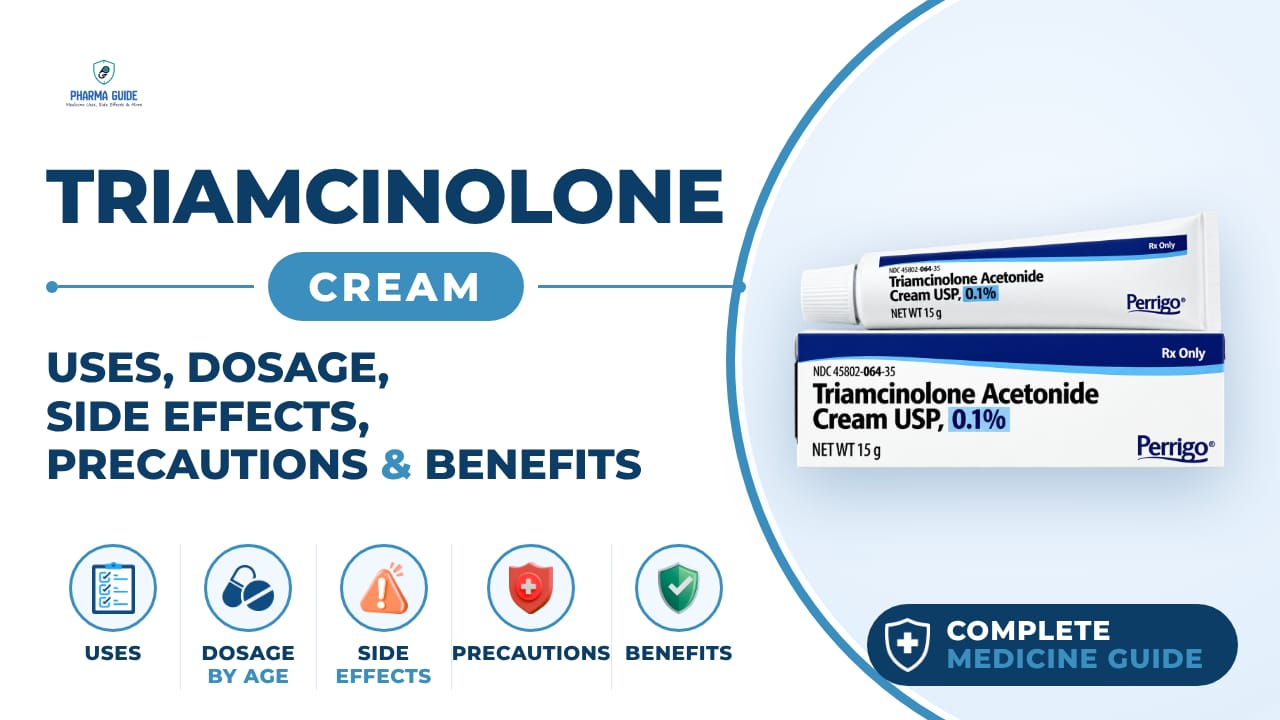
Triamcinolone Cream: Uses, Dosage, Side Effects, Precautions and Alternates
corticosteroid (glucocorticoid)
Triamcinolone Cream is a mid-potency corticosteroid that treats eczema, psoriasis, and allergic rashes by reducing skin inflammation, redness, and itching.
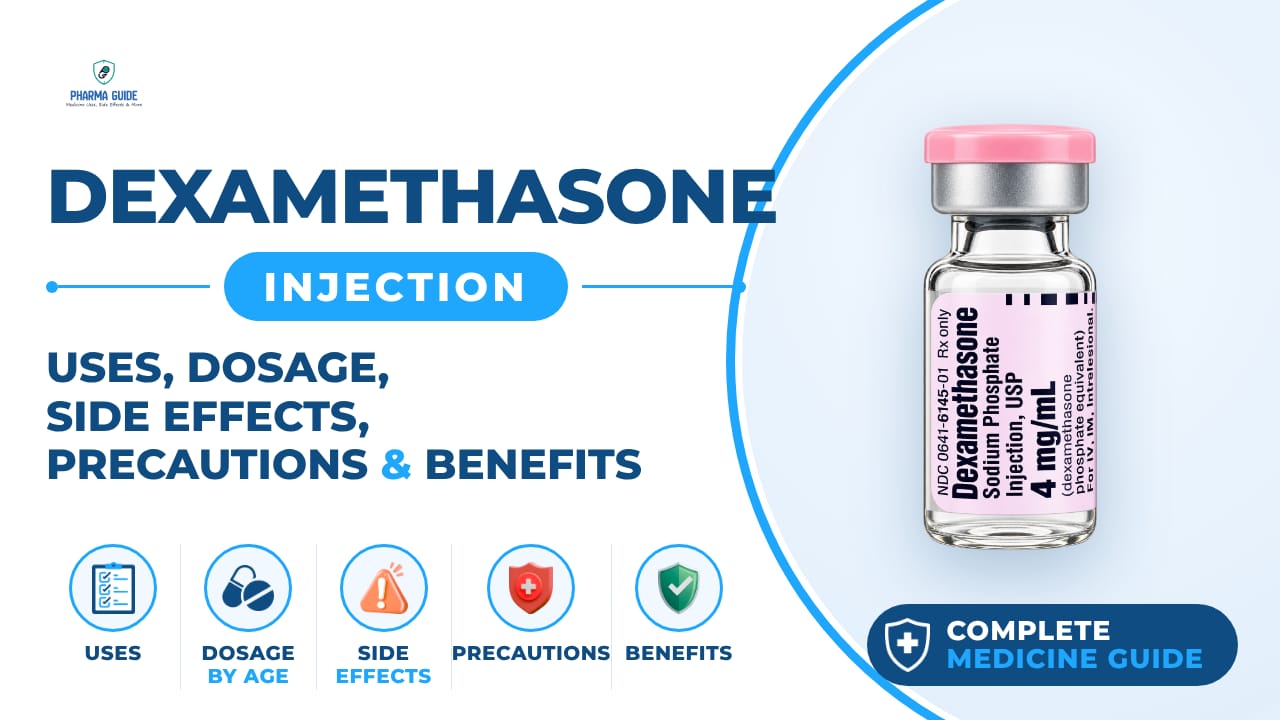
Dexamethasone Injection: Uses, Dosage, Side Effects, Precautions and Alternates
Corticosteroid (glucocorticoid)
Dexamethasone Injection is a corticosteroid shot used for inflammation, allergic reactions, breathing problems, and more. Learn uses, dosage, and side effects.