
Safety
General information, not medical advice
Your prescriber and the leaflet in your pack know your situation. This page does not.
- Follow your prescriber and the leaflet
- Don't start, stop, or change a dose on your own
- Doses and warnings differ by country and product
i-Pill Tablet: Uses, Dosage, Side Effects, Precautions and Alternates
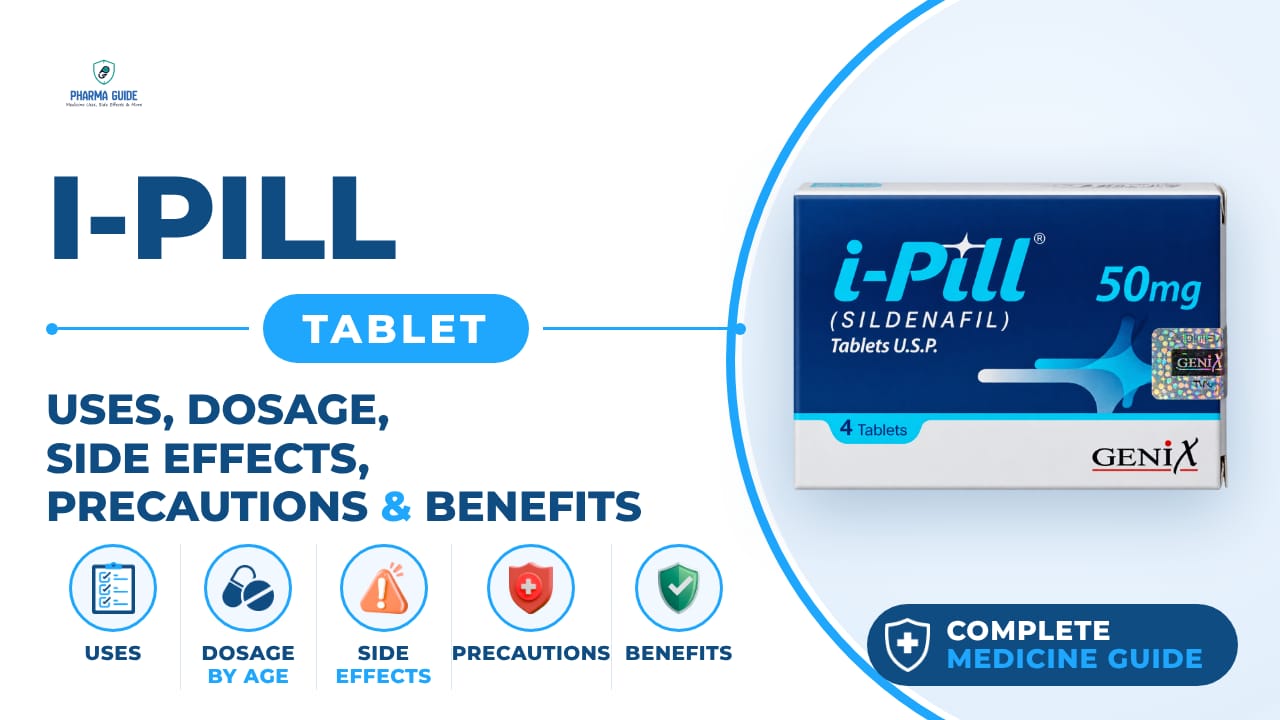
| Generic name | Levonorgestrel |
|---|---|
| Drug class | Emergency contraceptive (synthetic progestogen) |
| Forms | Tablet |
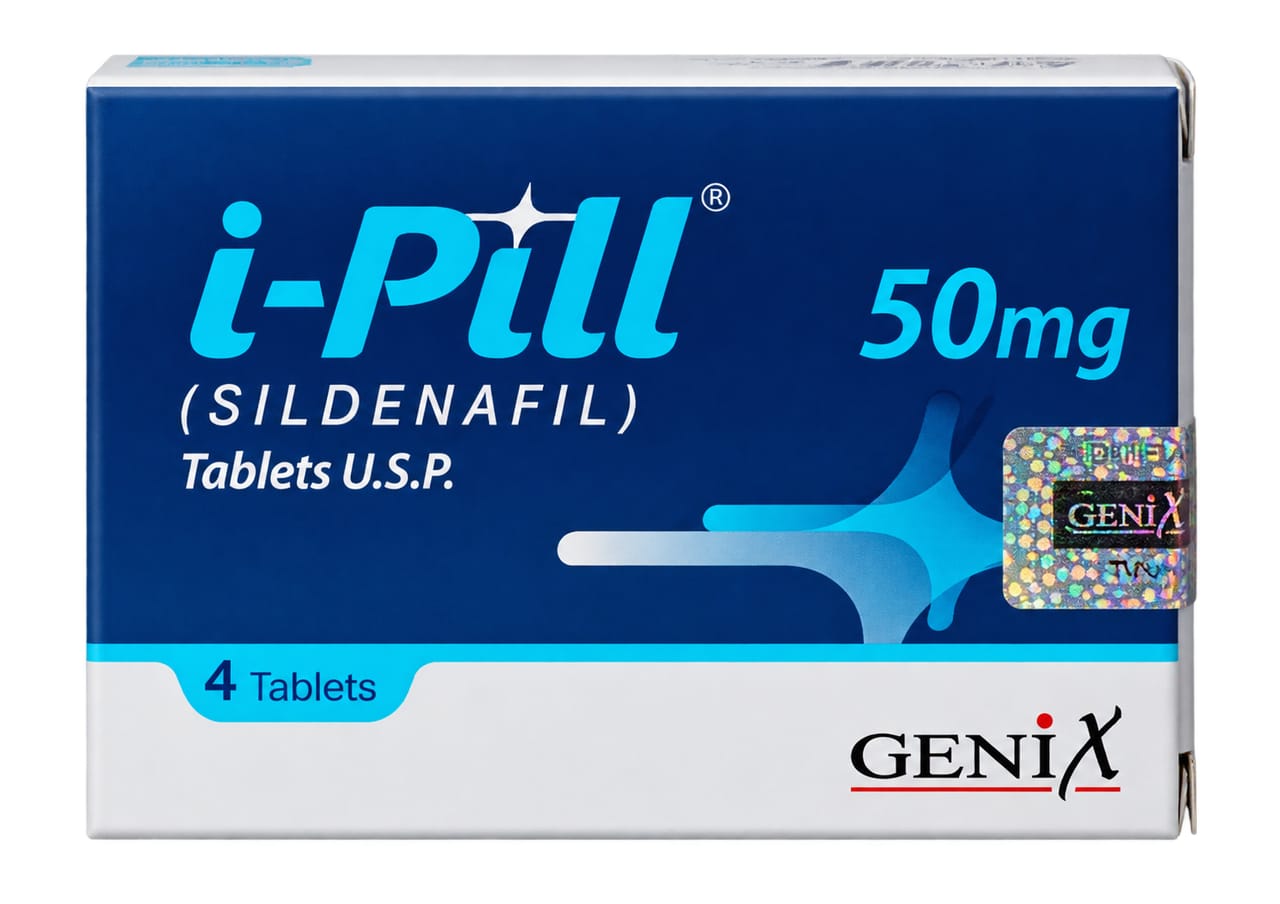
Quick overview
i-Pill Tablet contains levonorgestrel 1.5 mg, a synthetic form of the hormone progesterone, and belongs to the emergency contraceptive drug class. It is used to lower the chance of pregnancy after unprotected sex or a failed contraceptive method. It is not an abortion pill and is not meant to replace regular birth control.
What is i-Pill Tablet
i-Pill is an emergency contraceptive pill used to lower the chance of pregnancy after unprotected sex or a failed contraceptive method. It contains levonorgestrel 1.5 mg, a man-made form of the hormone progesterone. It is not an abortion pill and is not meant to replace regular birth control.
i-Pill Tablet uses
- Sex without contraception
- A condom breaking, slipping, or being used incorrectly
- Missed regular contraceptive pills
- Failure or incorrect use of another contraceptive method
- Incorrect calculation of fertile days when relying on fertility-awareness methods
- Failed withdrawal
- Sexual assault when effective contraception was not being used
Benefits of i-Pill Tablet
- Emergency Pregnancy Prevention: Helps reduce the chance of pregnancy after unprotected intercourse.
- Quick Action: Provides a convenient single-dose emergency contraceptive option.
- Hormone-Based Protection: Works by delaying or preventing ovulation.
- Easy Administration: Available as a single oral tablet.
- Non-Invasive Option: Does not require a procedure or device insertion.
How i-Pill Tablet works
The hormone in i-Pill works mainly by stopping or delaying ovulation, which is the release of an egg from the ovary. If no egg is released, sperm cannot fertilize it, so pregnancy cannot start. It may also thicken cervical mucus so sperm have trouble reaching the egg, and it may change the lining of the uterus so a fertilized egg has trouble implanting.
i-Pill Tablet dosage
Take one tablet by mouth as a single dose, as soon as possible after unprotected sex. Swallow it with water and follow the instructions that come with the medicine. You do not need to wait until the morning after. It can generally be taken with or without food; taking it with food may help if you feel nauseated. If you vomit within about 2 hours of taking it, the dose may not have been fully absorbed and another dose may be needed — check with a pharmacist or doctor. It is meant for occasional emergency use only, not as a regular contraceptive method.
| Age group | Dose |
|---|---|
| Under 17 Years | Use only with medical advice |
| 17 Years and Above | 1 tablet (1.5 mg) single dose after unprotected intercourse |
| Adults (18–64 Years) | 1 tablet (1.5 mg) single dose as soon as possible (as directed) |
| Older Adults (65+ years) | Not routinely used; consult a healthcare provider |
Available forms and strengths
- Tablet — levonorgestrel 1.5 mg
Side effects of i-Pill Tablet
Common
- Nausea
- Headache
- Fatigue or tiredness
- Abdominal discomfort or cramps
- Dizziness
- Breast tenderness
- Changes in menstrual bleeding, spotting, or timing of the next period
Serious
- Persistent or unusual vaginal bleeding
- Significant or persistent lower abdominal pain
- Period more than about one week late
Warnings and precautions
- i-Pill is meant to prevent pregnancy after unprotected sex, not to treat a pregnancy that has already happened. It will not end an existing pregnancy. If you already have a positive pregnancy test or think you might already be pregnant, talk to a healthcare professional instead of taking this pill for that pregnancy.
- This medicine can generally be used while breastfeeding, but if you are breastfeeding, recently gave birth, take other medicines, or have specific concerns, talk to your doctor about the best option for you.
- Use only as emergency contraception; it is not intended for regular birth control.
- Tell your healthcare provider about medicines that may reduce effectiveness, such as some seizure medicines.
- Do not use if you are already pregnant; it does not terminate an existing pregnancy.
- Avoid repeated frequent use without medical advice; consider regular contraception options if needed.
- This medicine does not protect against sexually transmitted infections such as HIV, gonorrhea, chlamydia, syphilis, herpes, or HPV.
- Taking i-Pill after one instance of unprotected sex does not protect you for the rest of your cycle. If you have unprotected sex again afterward, you can still become pregnant.
- Some medicines, such as those used for epilepsy, tuberculosis, or HIV, and some herbal products, can make this pill less effective. Tell your pharmacist or doctor about any medicines or herbal products you take before choosing emergency contraception.
- This pill may not work as well if you have a higher body weight or BMI. Speak to a healthcare professional about the most effective option for you.
- This pill may be less effective if ovulation has already happened before you take it. Since it is hard to know your exact ovulation time, don't try to guess whether it will work based only on an app or estimated fertile days.
When to see a doctor
- Get medical advice if your period is about a week or more late.
- Get medical advice if you have ongoing or unusual vaginal bleeding.
- Get medical advice if you have severe or ongoing lower abdominal pain.
- Get medical advice if you get a positive pregnancy test.
- Get medical advice if you have symptoms that worry you or do not go away.
- Get medical advice if you are not sure whether the emergency contraception worked.
- Severe lower belly pain after taking this pill, especially with a positive pregnancy test or unusual bleeding, needs urgent medical checking because it could mean a pregnancy complication like an ectopic pregnancy.
Alternatives
- Levonorgestrel 1.5 mg Tablet
- Copper IUD
- Hormonal IUD
Watch the video
FAQs
How does i-Pill Tablet work?
i-Pill works mainly by stopping or delaying ovulation, so no egg is released for sperm to fertilize. It may also thicken cervical mucus to block sperm and alter the uterine lining to hinder implantation.
When should I take i-Pill Tablet?
Take one tablet by mouth as a single dose as soon as possible after unprotected sex. You do not need to wait until the next morning, and it is meant for occasional emergency use only, not regular contraception.
What should I do if I vomit after taking i-Pill?
If you vomit within about 2 hours of taking i-Pill, the dose may not have been fully absorbed and another dose may be needed. Check with a pharmacist or doctor in this situation.
Does i-Pill Tablet protect against sexually transmitted infections?
No, i-Pill does not protect against sexually transmitted infections such as HIV, gonorrhea, chlamydia, syphilis, herpes, or HPV.
Can i-Pill Tablet end an existing pregnancy?
No, i-Pill is meant to prevent pregnancy after unprotected sex, not to treat a pregnancy that has already happened, and it will not end an existing pregnancy.
General information, not medical advice
Your prescriber and the leaflet in your pack know your situation. This page does not.
- Follow your prescriber and the leaflet
- Don't start, stop, or change a dose on your own
- Doses and warnings differ by country and product
Sources
Video
Related medicines

Injectafer Injection: Uses, Dosage, Side Effects, Precautions and Alternates
Iron products
Injectafer (ferric carboxymaltose) treats iron deficiency anemia and heart failure-related iron deficiency via IV. Learn uses, dosage, side effects, and

Gliclazide Tablet: Uses, Dosage, Side Effects, Precautions and Alternates
Sulfonylurea (hypoglycemic/antidiabetic agent)
Gliclazide Tablet is a sulfonylurea for type 2 diabetes that boosts insulin release. Learn about dosage, side effects, warnings, and precautions.