Ibuprofen Gel: Uses, Dosage, Side Effects, Precautions and Alternates
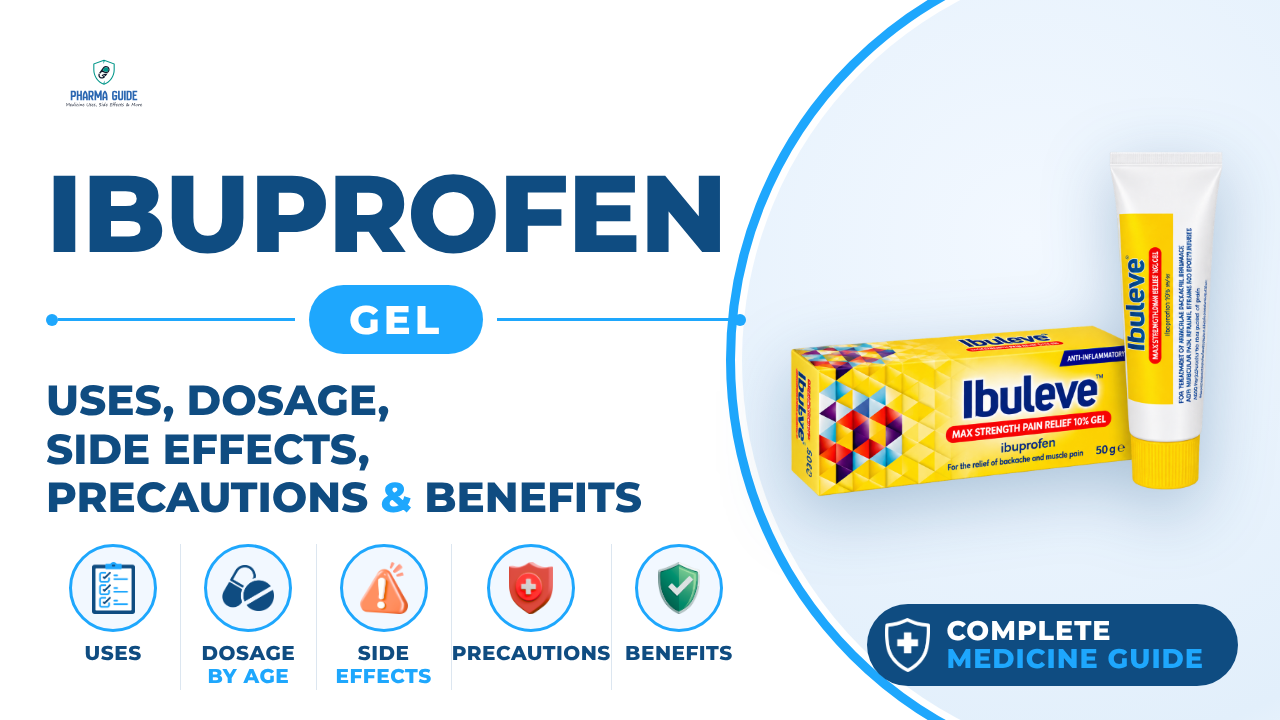
| Generic name | Ibuprofen |
|---|---|
| Drug class | Non-steroidal anti-inflammatory drug (NSAID) |
| Forms | Gel, 5% strength gel, 10% strength gel, Maximum strength gel |
Quick overview
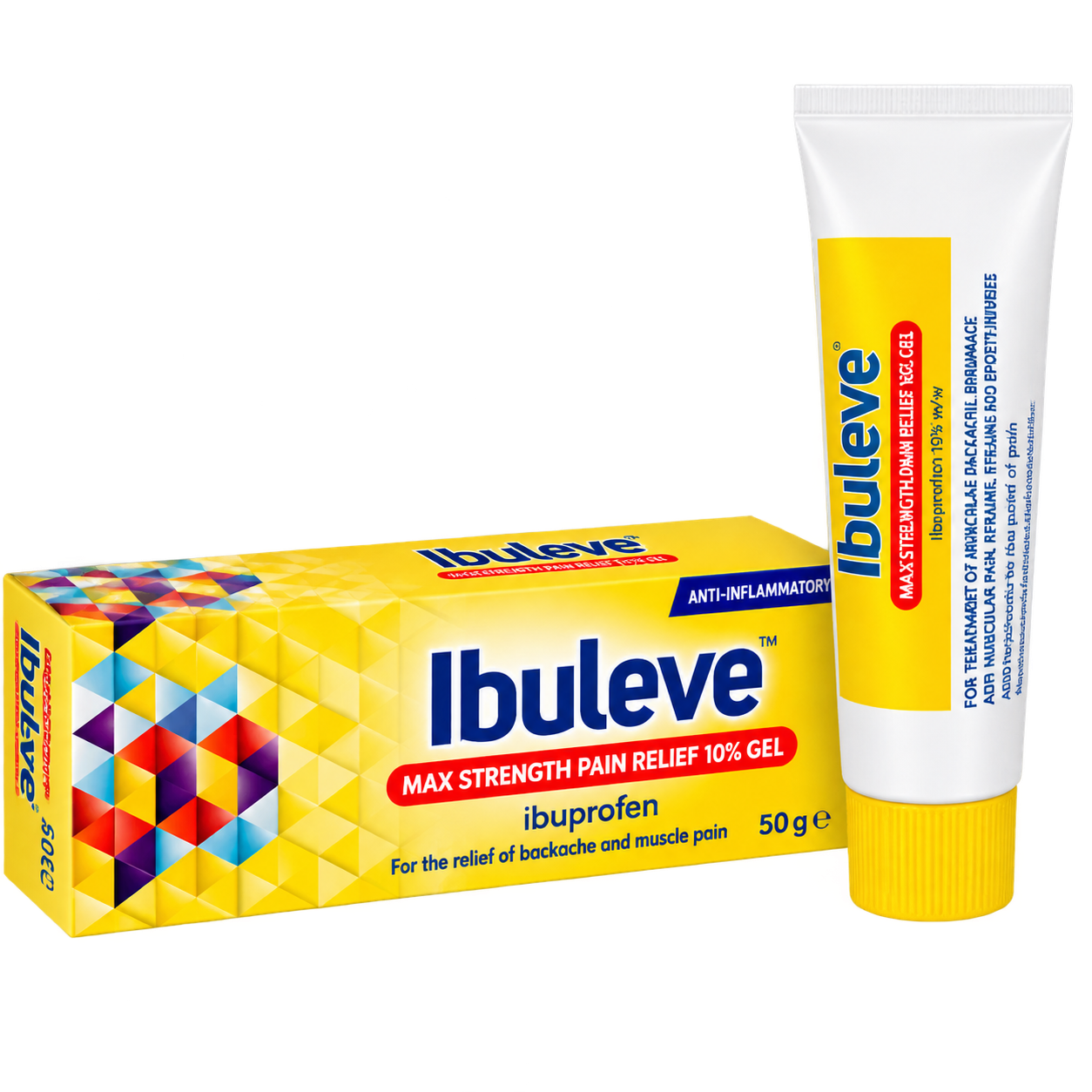
Ibuprofen Gel is a topical pain-relief and anti-inflammatory gel applied to the skin to ease pain and inflammation in muscles and joints. It is an NSAID (non-steroidal anti-inflammatory drug) and can be bought over the counter in most pharmacies. It is used for conditions such as rheumatic pain, muscular aches, strains, sprains, backache, and sports injuries. The gel works by reducing the natural chemicals in the body that cause pain and swelling at the site of application.
What is Ibuprofen Gel
Ibuprofen gel is a topical pain-relief and anti-inflammatory gel. It is applied to the skin to ease pain and inflammation in muscles and joints. It belongs to a group of medicines called NSAIDs. It can be bought over the counter in most pharmacies.
Ibuprofen Gel uses
- Rheumatic pain (pain from problems with muscles, tendons, joints or bones)
- Muscular aches and pains
- Pain from strains and sprains
- Backache
- Lumbago (lower back pain)
- Fibrositis (muscle tenderness or stiffness)
- Sports injuries
- Pain from non-serious arthritic conditions
- Nerve pain (neuralgia)
Benefits of Ibuprofen Gel
- Provides targeted pain relief where the gel is applied
- Directly tackles inflammation at the point of pain
- Clear, non-greasy gel with no fragrance
How Ibuprofen Gel works
Ibuprofen is an NSAID. When applied to the skin, it is absorbed to reduce inflammation at the point of pain. It works by reducing the natural chemicals in the body that cause pain and swelling.
Ibuprofen Gel dosage
- Test the gel on a small area of skin first.
- Apply the gel as a thin layer over the affected area and gently rub it in until it is completely absorbed.
- Do not use more gel than is recommended. Wash your hands after use, unless your hands are the area being treated.
- Do not use the gel more than once every 4 hours, and no more than the recommended number of times a day.
- Use this medicine only on your skin.
- Never take the gel by mouth. Use only on healthy, unbroken skin. Do not use on or near cuts or grazes, or under dressings such as plasters.
- Do not use it on the genital area.
- Do not let any gel come into contact with your eyes. If it does, rinse your eyes with cold water and consult your doctor.
- Check the seal is intact before first use.
- If the condition does not improve after two weeks, or becomes worse at any time, speak to your doctor or pharmacist.
| Age group | Dose |
|---|---|
| Under 12 years | Generally not recommended unless specifically prescribed |
| 12–17 years | Apply a small amount to the affected area 3–4 times daily, following the specific product label |
| 18–64 years | Apply to the affected area 3–4 times daily, usually at intervals of at least 4 hours |
| 65+ years | Generally the same topical dose, but use the lowest effective amount and seek medical advice for regular use |
Available forms and strengths
- Gel
- 5% strength gel
- 10% strength gel
- Maximum strength gel
Side effects of Ibuprofen Gel
Common
- Slight redness, drying, tingling or burning where the gel is applied (usually not a cause for concern)
- Abdominal pain (stomach pain)
- Indigestion
- Skin becoming sensitive to light
Serious
- Shortness of breath
- Unexplained wheezing or difficulty breathing
- Blisters or a rash on the skin
- Swelling of the face, eyelids or lips
- Itching, redness or bruising of the skin
- Signs of kidney problems
- Serious allergic reaction with sore or weeping spots and burning feeling
Warnings and precautions
- Do not use the gel if you are allergic to ibuprofen, aspirin, or similar NSAID medicines, or any of the ingredients.
- Do not use the gel if you are asthmatic or suffer from rhinitis (allergic runny nose) or urticaria (hives).
- Do not use the gel on broken, damaged, infected or diseased skin.
- Protect treated areas from direct sunlight to avoid a sensitivity reaction, such as a rash.
- Do not smoke or go near naked flames. There is a risk of severe burns because fabric such as clothing, bedding and dressings that has been in contact with this product burns more easily and is a serious fire hazard.
- Tell your doctor or pharmacist before use if you have had a stomach ulcer or other stomach or intestine problems in the past.
- If you develop a rash after using the gel, stop using it.
- This medicine is for you only. Never give it to someone else, even if their symptoms seem the same as yours.
Do not use ibuprofen gel if you are more than 6 months pregnant. Ask your doctor or pharmacist for advice before using it if you are pregnant.
Do not use ibuprofen gel if you are breastfeeding. Ask your doctor or pharmacist for advice first.
Talk to your doctor or pharmacist before using the gel if you have any kidney problems. If you notice any signs of kidney problems, contact your doctor straight away.
Ibuprofen gel should not affect your ability to drive or use machines.
Storage
- Keep this medicine out of the sight and reach of children.
- Do not use this medicine after the expiry date stated on the tube. The expiry date refers to the last day of that month.
- Store in a cool, dry place, below 25°C.
- Keep the tube tightly closed.
- Do not throw away any medicines via wastewater or household waste. Ask your pharmacist how to throw away medicines you no longer use.
When to see a doctor
- Stop using the gel and tell your doctor immediately if you get sudden wheeziness, difficulty breathing, swelling of the eyelids, face or lips, a rash, itching or reddening, sore or weeping spots, or a burning feeling.
- Contact your doctor straight away if you notice any signs of kidney problems, especially if you have a history of kidney disease.
- If you accidentally swallow any gel, rinse out your mouth thoroughly and contact your doctor or nearest hospital as soon as possible.
- If the pain or swelling continues after using the gel for 2 weeks, or gets worse at any time, speak to your doctor or pharmacist.
Alternatives
- Diclofenac Gel
- Ketoprofen Gel
- Piroxicam Gel
- Indomethacin Gel
- Naproxen Gel
- Capsaicin Cream
FAQs
What is Ibuprofen Gel used for?
It is used for rheumatic pain, muscular aches, strains, sprains, backache, lumbago, fibrositis, sports injuries, non-serious arthritic conditions and nerve pain.
How often can I apply Ibuprofen Gel?
Apply a thin layer 3–4 times daily, at intervals of at least 4 hours, and no more than the recommended number of times a day.
Can I use Ibuprofen Gel while pregnant or breastfeeding?
Do not use it if you are more than 6 months pregnant, and ask your doctor or pharmacist for advice first if you are pregnant or breastfeeding.
What are the side effects of Ibuprofen Gel?
Common effects include slight redness, drying, tingling or burning at the application site, stomach pain, indigestion and light sensitivity. Serious effects include breathing difficulty, swelling of the face or lips, rash, and signs of kidney problems.
What should I do if the pain does not improve?
If the condition does not improve after two weeks, or becomes worse at any time, speak to your doctor or pharmacist.
Sources
Video
Related medicines
Non-Steroidal Anti-Inflammatory Drug (NSAID)
Naprosyn Tablet: Uses, Dosage, Side Effects, Precautions and Alternates
Naprosyn Tablet (naproxen) relieves pain and inflammation in arthritis, period pain and muscle conditions. Learn dosage, side effects, and precautions.
Non-Steroidal Anti-Inflammatory Drug (NSAID)
Ketorolac Tablet: Uses, Dosage, Side Effects, Precautions and Alternates
Ketorolac Tablet is an NSAID for short-term relief of moderate to severe acute pain. Learn about its uses, dosage, side effects, and warnings.