
Safety
General information, not medical advice
Your prescriber and the leaflet in your pack know your situation. This page does not.
- Follow your prescriber and the leaflet
- Don't start, stop, or change a dose on your own
- Doses and warnings differ by country and product
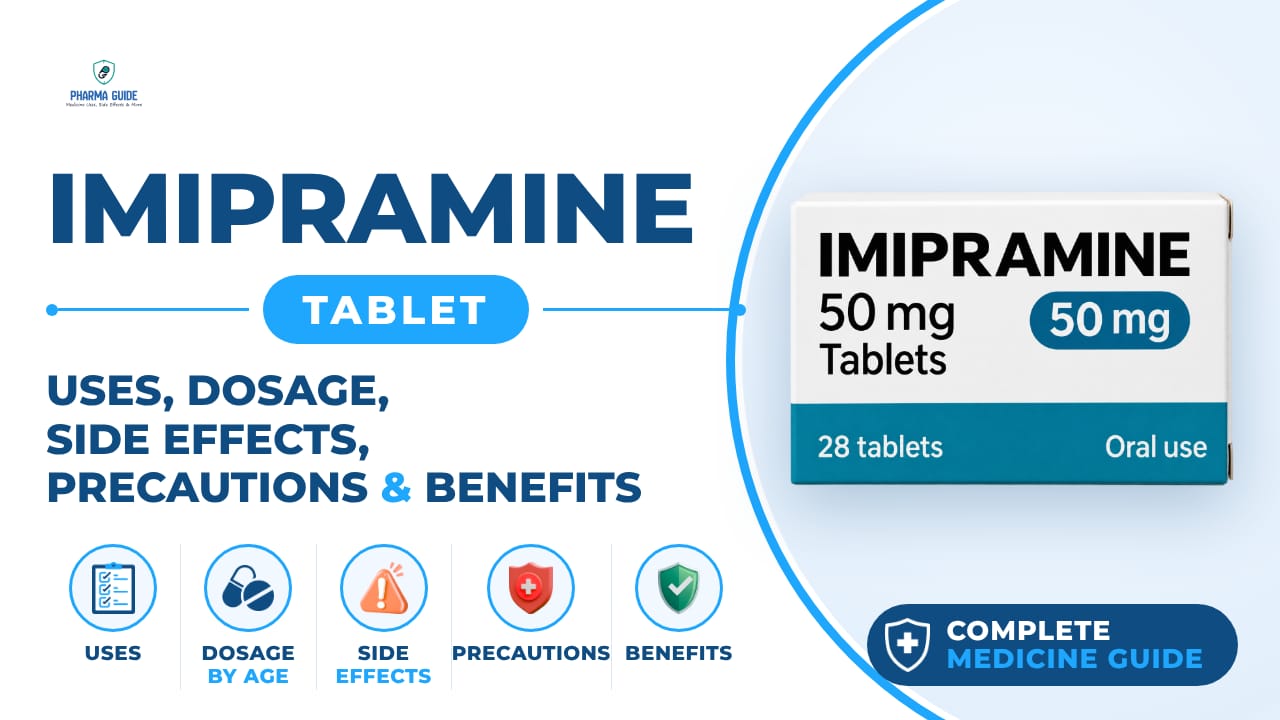
Imipramine Tablet: Uses, Dosage, Side Effects, Precautions and Alternates
| Generic name | imipramine hydrochloride |
|---|---|
| Drug class | Tricyclic antidepressant |
| Forms | Tablet, Capsule, Sugar-coated tablet |
Quick overview
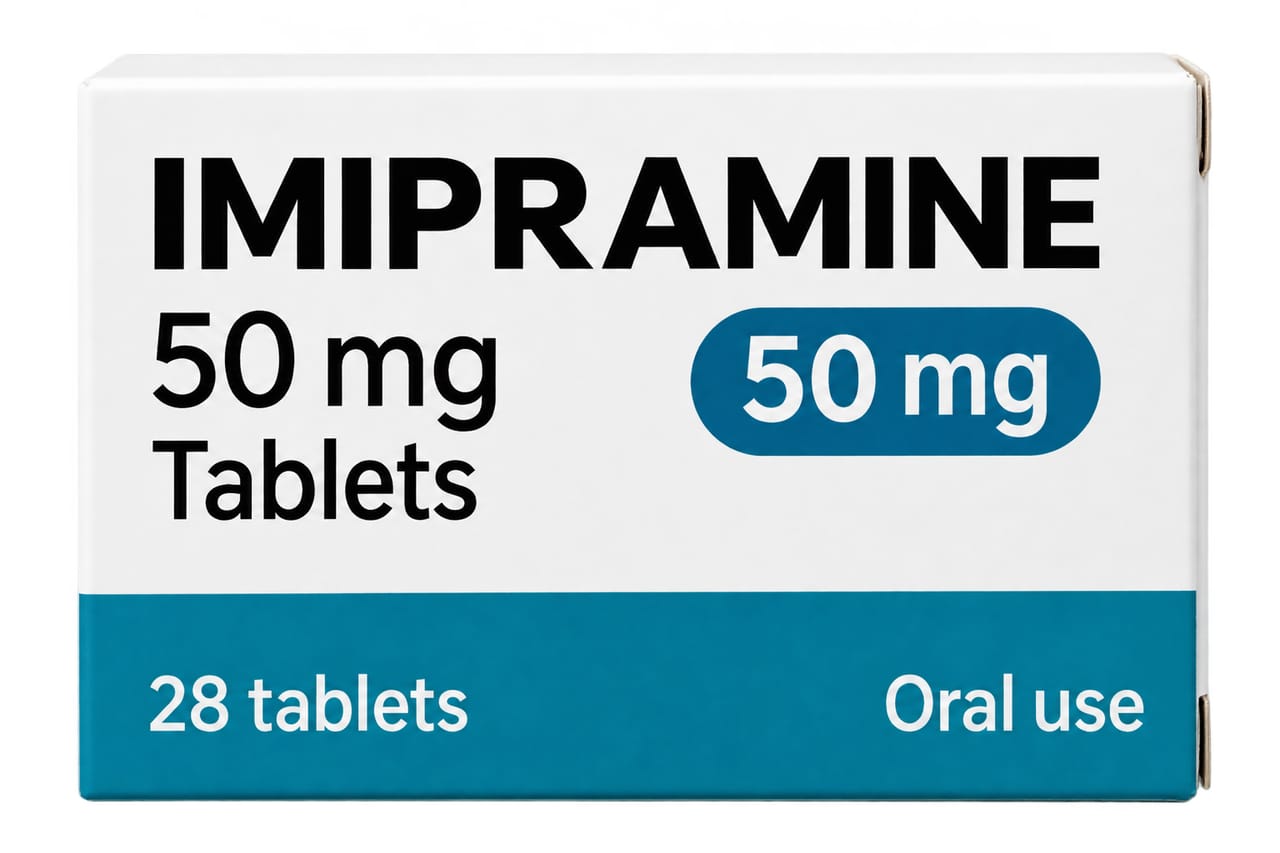
Imipramine Tablet contains imipramine hydrochloride, a tricyclic antidepressant. It is used to relieve symptoms of depression and to help prevent bedwetting in children ages 6 and older. It is sometimes used off-label for eating disorders and panic disorders. It is available as a tablet, capsule, and sugar-coated tablet.
What is Imipramine Tablet
Imipramine is a tricyclic antidepressant used to treat symptoms of depression. It is also used to help prevent bedwetting in children ages 6 and older.
Imipramine Tablet uses
- Relief of symptoms of depression
- Prevention of bedwetting (enuresis) in children ages 6 and older
- Sometimes used off-label for eating disorders and panic disorders
Benefits of Imipramine Tablet
- Helps relieve symptoms of depression such as sadness, appetite or weight changes, trouble concentrating or sleeping, tiredness, headaches, and unexplained aches and pains
- Can help reduce nighttime bedwetting in children
How Imipramine Tablet works
Imipramine is thought to work by increasing the levels of certain natural brain chemicals such as serotonin and norepinephrine, which may help improve mood. It is not fully understood how it helps prevent bedwetting.
Imipramine Tablet dosage
Take exactly as your doctor tells you; do not take more, less, or more often than prescribed. Swallow tablets whole with a glass of water. It may be taken with or without food when used for depression. When used for bedwetting in children, it is usually taken about one hour before bedtime; children who wet the bed earlier in the evening may be given an extra dose in the mid-afternoon. Try to take it at the same time(s) each day.
It may take one to three weeks or longer to feel the full benefit. Keep taking it even if you feel well; do not stop without talking to your doctor first, since the dose usually needs to be lowered gradually. Tell your doctor if you have planned surgery, including dental surgery. Older adults and teenagers are usually started on lower doses.
| Age group | Dose |
|---|---|
| Children under 6 Years | Not recommended unless prescribed by a doctor |
| 6–12 Years | Usually 25–50 mg/day (as prescribed) |
| 13–17 Years | Usually 25–75 mg/day (adjusted by doctor) |
| Adults (18–64 Years) | Usually 75–150 mg/day (may vary by condition) |
| Older Adults (65+ years) | Usually 10–25 mg/day initially; adjusted carefully |
Available forms and strengths
- Tablet
- Capsule
- Sugar-coated tablet
Side effects of Imipramine Tablet
Common
- Dry mouth
- Nausea, vomiting
- Drowsiness
- Weakness or tiredness
- Constipation
- Diarrhea
- Changes in appetite or weight
- Excessive sweating
- Changes in sex drive or ability
- Frequent urination
- Difficulty urinating
- Headache
- Increased blood pressure
- Tingly feeling, weakness, lack of coordination
- Breast swelling (in men or women)
Serious
- Signs of allergic reaction: hives, difficulty breathing, swelling of face, lips, tongue, or throat
- Easy bruising, unusual bleeding, purple or red spots under the skin
- Eye pain, changes in vision, seeing halos around lights (possible angle-closure glaucoma)
- Light-headed feeling, like you might pass out
- New or worsening chest pain, pounding or fluttering heartbeats
- Sudden numbness or weakness, problems with vision, speech, or balance (possible stroke)
- Fever, sore throat (possible low white blood cell count)
- Confusion, hallucinations, unusual thoughts or behavior
- Painful or difficult urination
- Seizures (convulsions)
- Jaundice (yellowing of skin or eyes)
- Serotonin syndrome or neuroleptic malignant syndrome: agitation, high fever, muscle stiffness or twitching, fast heartbeat, sweating, confusion
- Serious skin reaction (DRESS): fever, severe rash, swollen lymph glands, yellow skin or eyes, shortness of breath
- New or worsening depression, thoughts of suicide or self-harm
Warnings and precautions
- It is not known whether imipramine will harm an unborn baby. Imipramine should not be used during the first trimester of pregnancy, and should generally be avoided during pregnancy unless clearly necessary. Babies born to mothers who took imipramine late in pregnancy may have withdrawal symptoms after birth.
- You should not breastfeed while using imipramine, as it passes into breast milk and it is not known if this is safe for a baby.
- Use with caution in patients with kidney disease, as effects may be increased due to slower removal of the medicine from the body.
- Use with caution in patients with liver disease; periodic monitoring of liver function is recommended.
- Do not drink alcohol while taking imipramine. Alcohol can add to drowsiness and cause dangerous side effects when combined with this medicine.
- Avoid driving or operating machinery until you know how imipramine affects you, since it can cause drowsiness and impair your reactions.
- Some young people may have new or worsening thoughts of suicide when first taking an antidepressant. Watch closely for changes in mood or behavior and report them to a doctor right away.
- Do not use imipramine with or within 14 days of taking an MAO inhibitor, as this can cause a dangerous drug interaction.
- Imipramine can cause serious heart problems, including changes in heart rhythm and, rarely, unmasking of a hidden heart condition called Brugada syndrome. Get immediate medical help for dizziness, fainting, or a rapid or irregular heartbeat.
- Imipramine can cause a serious eye problem called angle-closure glaucoma. Seek immediate medical attention for eye pain, vision changes, or swelling/redness in or around the eye.
- Do not stop taking imipramine suddenly; your dose should be lowered gradually under your doctor's guidance to avoid withdrawal symptoms.
- Imipramine can cause a rare but serious skin reaction called DRESS, which can be life-threatening.
- Combining imipramine with certain other medicines that affect serotonin can cause a rare but serious condition called serotonin syndrome.
Storage
- Store at room temperature away from moisture, heat, and light
- Keep the container tightly closed when not in use
- Keep out of the reach and sight of children
- Do not use after the expiry date
- Do not flush unused medicine down the toilet; use a medicine take-back program
When to see a doctor
- Get emergency medical help right away if you have signs of a severe allergic reaction such as hives, difficulty breathing, or swelling of the face, lips, tongue, or throat.
- Call your doctor or seek emergency help right away if you have thoughts of harming or killing yourself.
- Seek immediate medical attention if you develop eye pain, changes in vision, or swelling or redness in or around the eye.
- Get immediate medical help if you have symptoms of serotonin toxicity or neuroleptic malignant syndrome such as high fever, muscle rigidity, fast heartbeat, confusion, or heavy sweating.
- Get immediate medical help if you experience signs of a serious skin reaction such as fever, severe rash, swollen lymph glands, or yellowing of the skin or eyes.
- If you think you or someone you are caring for has taken too much imipramine, contact a healthcare professional or emergency services immediately, even if there are no symptoms.
Alternatives
- Amitriptyline
- Desipramine
- Fluoxetine
Watch the video
FAQs
What is Imipramine Tablet used for?
It is used to relieve symptoms of depression and to help prevent bedwetting in children ages 6 and older. It is sometimes used off-label for eating disorders and panic disorders.
How does Imipramine Tablet work?
It is thought to work by increasing levels of certain natural brain chemicals such as serotonin and norepinephrine, which may help improve mood. It is not fully understood how it helps prevent bedwetting.
How long does it take for Imipramine Tablet to work?
It may take one to three weeks or longer to feel the full benefit, so you should keep taking it even if you feel well, unless your doctor tells you otherwise.
Can I drink alcohol while taking Imipramine Tablet?
No, you should not drink alcohol while taking imipramine, as it can add to drowsiness and cause dangerous side effects when combined with this medicine.
What are common side effects of Imipramine Tablet?
Common side effects include dry mouth, nausea or vomiting, drowsiness, weakness or tiredness, constipation, diarrhea, changes in appetite or weight, excessive sweating, and headache.
General information, not medical advice
Your prescriber and the leaflet in your pack know your situation. This page does not.
- Follow your prescriber and the leaflet
- Don't start, stop, or change a dose on your own
- Doses and warnings differ by country and product
Sources
Video
Related medicines
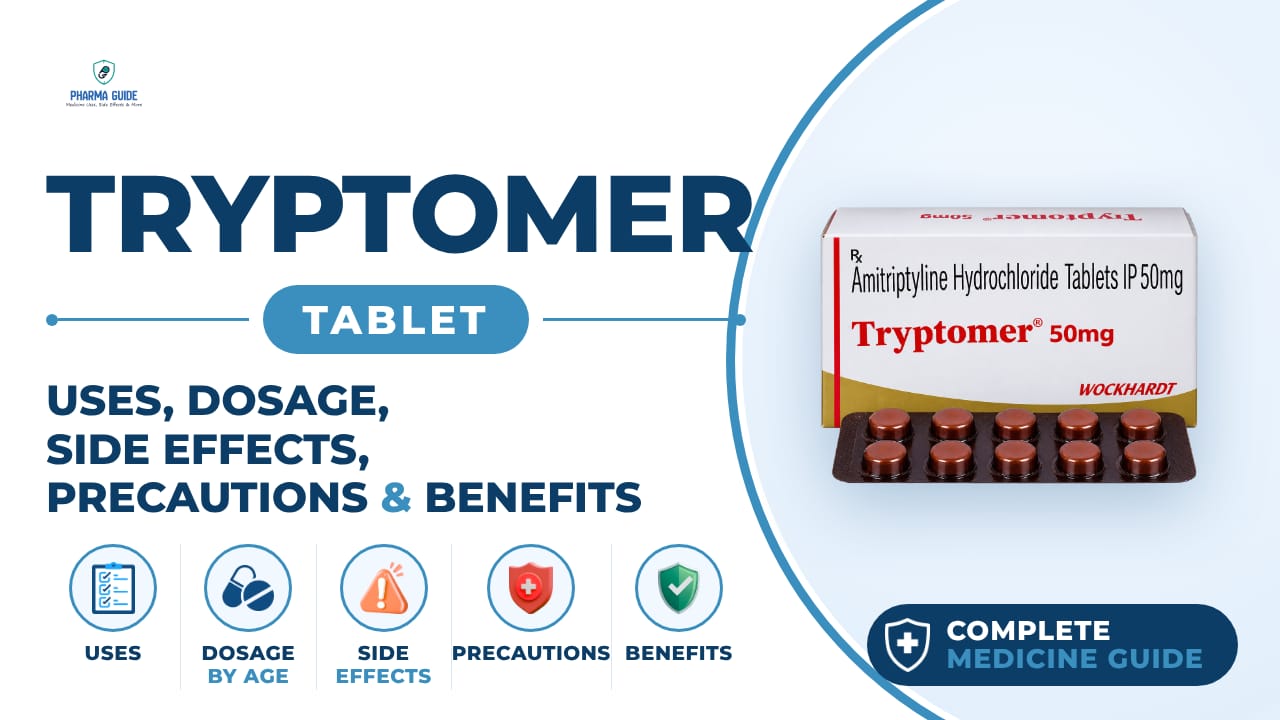
Tryptomer Tablet: Uses, Dosage, Side Effects, Precautions and Alternates
Tricyclic antidepressant
Tryptomer Tablet (Amitriptyline) treats depression, nerve pain, migraine, and tension headaches. Learn about its uses, dosage, side effects, and precautions.
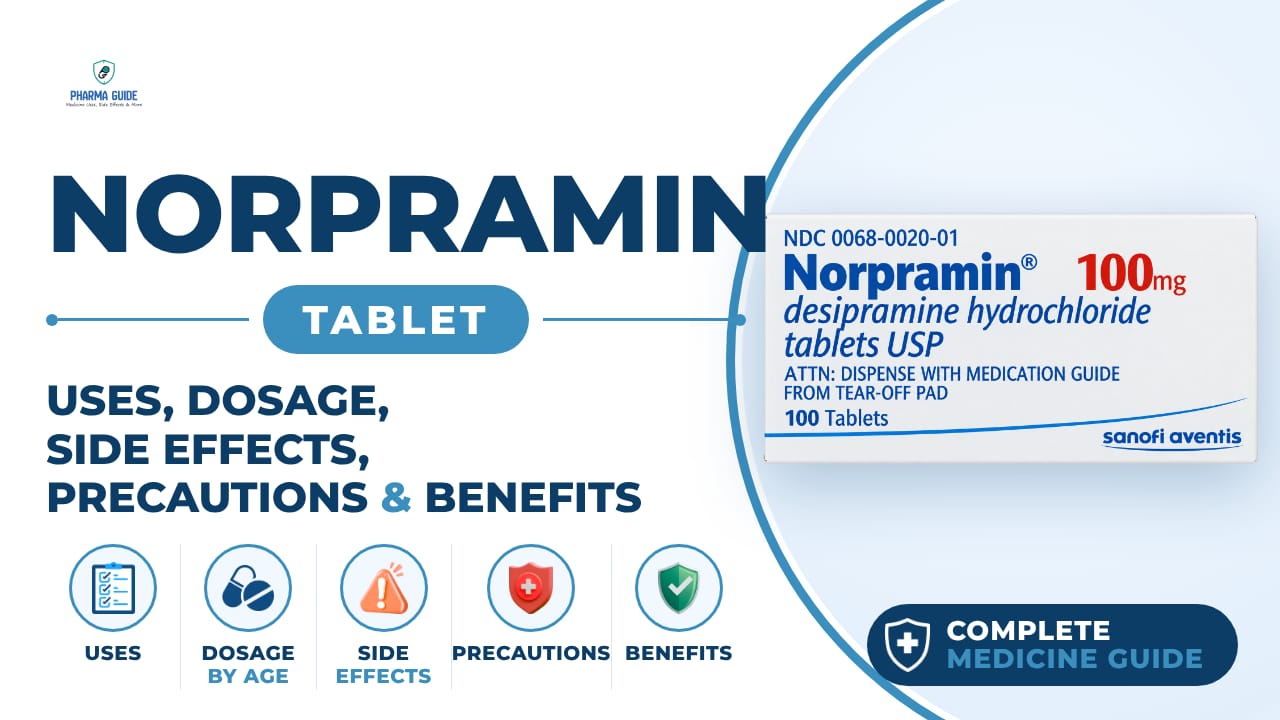
Norpramin Tablet: Uses, Dosage, Side Effects, Precautions and Alternates
Tricyclic antidepressant
Norpramin Tablet (desipramine) treats depression by restoring brain chemical balance. Learn uses, dosage, side effects, warnings, and precautions.