
Safety
General information, not medical advice
Your prescriber and the leaflet in your pack know your situation. This page does not.
- Follow your prescriber and the leaflet
- Don't start, stop, or change a dose on your own
- Doses and warnings differ by country and product
Tryptomer Tablet: Uses, Dosage, Side Effects, Precautions and Alternates
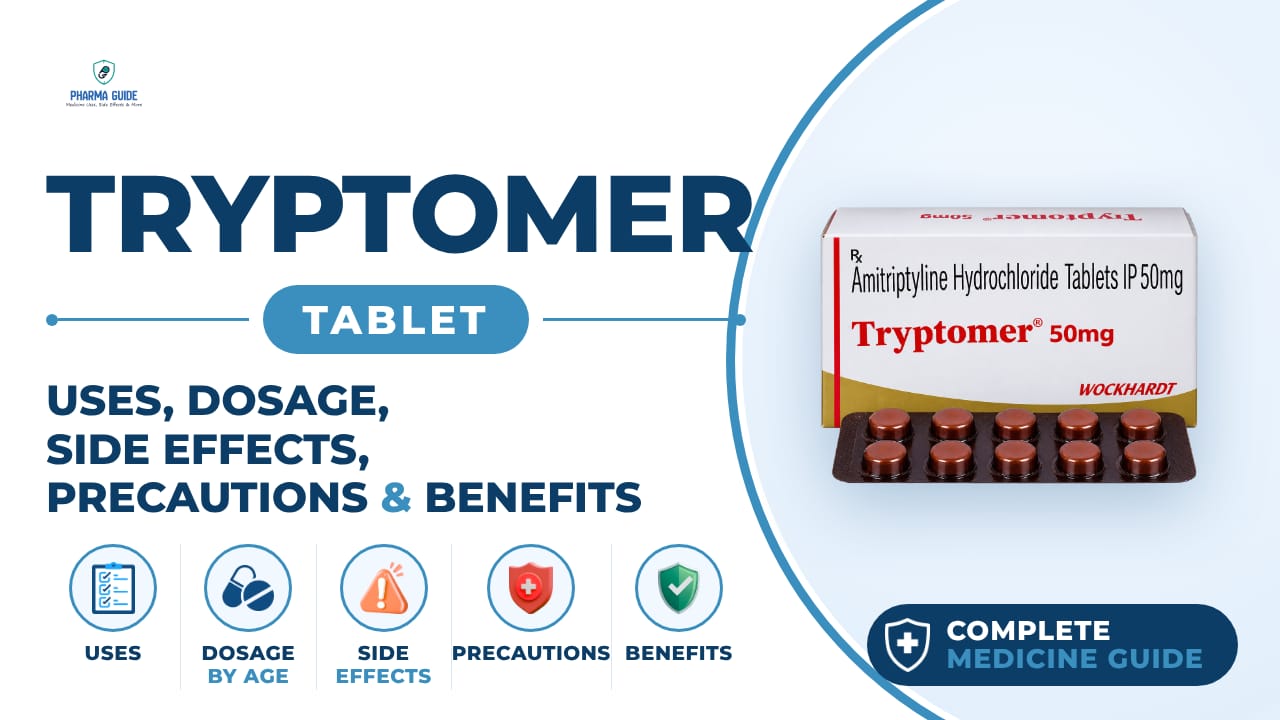
| Generic name | Amitriptyline |
|---|---|
| Drug class | Tricyclic antidepressant |
| Forms | Tablet, Injection |
Quick overview
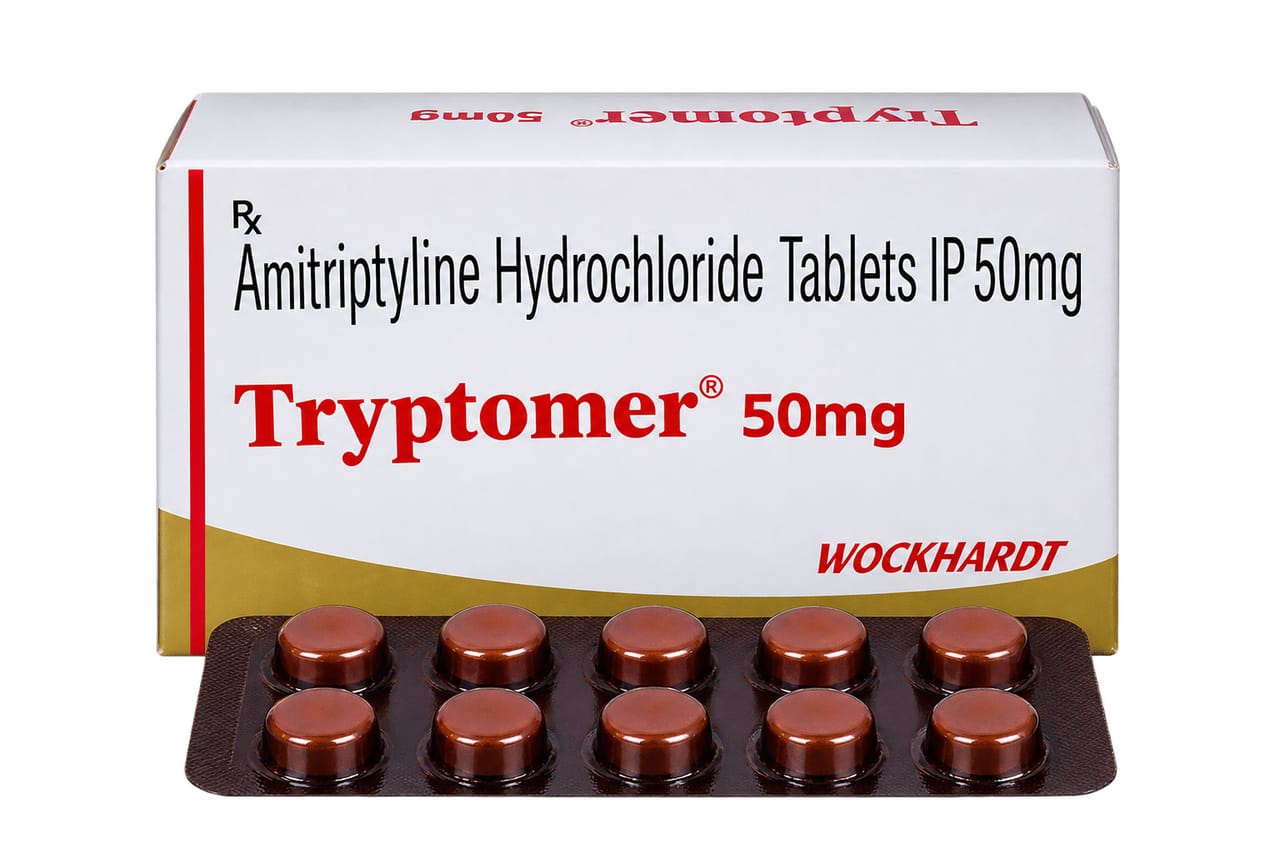
Tryptomer Tablet contains Amitriptyline, a tricyclic antidepressant. It is used to treat depression and is also prescribed for nerve pain, migraine prevention, and tension-type headaches. It works by increasing levels of certain brain chemicals to improve mood and relieve pain signals. It is available as a tablet and injection, and should be used exactly as prescribed by a doctor.
What is Tryptomer Tablet
Tryptomer Tablet is an antidepressant medicine that contains Amitriptyline. It is used to treat depression and other conditions like nerve pain, migraine, and tension-type headaches.
Tryptomer Tablet uses
- Depression
- Neuropathic (nerve) pain
- Migraine prevention
- Tension-type headache
Benefits of Tryptomer Tablet
- Improves mood and reduces symptoms of depression
- Provides relief from nerve-related pain
- Reduces the frequency and severity of headaches and migraines
- Enhances sleep quality
How Tryptomer Tablet works
The medicine increases the levels of certain brain chemicals called serotonin and norepinephrine by blocking their reabsorption into nerve cells. This helps improve mood and also blocks pain signals, giving relief from nerve pain.
Tryptomer Tablet dosage
Take this medicine exactly as advised by your doctor, at the same time every day. It can be taken with or without food. Swallow the tablet whole with a glass of water; do not crush or chew it. It is often taken once daily at bedtime to reduce daytime sleepiness.
Do not stop taking this medicine suddenly without talking to your doctor, as this can cause withdrawal symptoms like fatigue, sleep problems, and irritability. If a dose is missed, take it as soon as you remember, but skip it if it is almost time for the next dose; do not double the dose.
This medicine is not recommended for children below 18 years of age. Elderly patients should use this medicine with extra caution, as dose adjustments may be needed.
| Age group | Dose |
|---|---|
| Under 18 years | Not routinely recommended |
| 18–60 years | 10–25 mg once daily |
| 60+ years | 10–25 mg once daily |
Available forms and strengths
- Tablet
- Injection
Side effects of Tryptomer Tablet
Common
- Drowsiness or sleepiness
- Dizziness, including when standing up suddenly
- Shakiness
- Headache
- Dry mouth
- Constipation
- Excessive sweating
- Weight gain
- Slow or slurred speech
- Nasal congestion
- Confusion
- Decreased sex drive
- Increased thirst
- Difficulty passing urine
- Blurred vision
- Changes in taste
- Tingling or numbness in arms or legs
Serious
- Suicidal thoughts or thoughts of self-harm
- Mania (racing thoughts, unusual excitement, excessive activity)
- Irregular or rapid heartbeat
- Severe allergic reaction (rash, swelling of face/tongue/throat, difficulty breathing)
- Seizures or fits
- Severe mood or behaviour changes
- Eye pain or seeing halos around lights (possible sign of acute glaucoma)
Warnings and precautions
- This medicine should not be used if you have taken certain antidepressants called MAOIs within the last 14 days, as this can cause serious side effects. It is not recommended if you recently had a heart attack, as it may worsen your condition.
- Do not stop taking this medicine suddenly, as it can cause withdrawal symptoms such as headache, weakness, fatigue, sleep disturbances, and irritability.
- Any dose reduction should be gradual and supervised by your doctor. This medicine may increase the risk of suicidal thoughts, so watch closely for any changes in mood or behaviour.
- This medicine is not recommended for children under 18 years of age for depression, nerve pain, or migraine, as there isn't enough safety information.
- Elderly people should use this medicine with extra caution due to a higher risk of side effects, and dose adjustments may be needed.
- A high dose of this medicine should be used carefully as it may cause low blood pressure; regular blood pressure checks are recommended.
- Tell your doctor if you have glaucoma, as this medicine may increase pressure in your eyes. Tell your doctor if you have a history of seizures, as this medicine may trigger seizures.
- This medicine is generally not recommended during pregnancy unless your doctor feels it is clearly necessary, as it may affect the baby.
- It can pass into breast milk and may affect the baby, so talk to your doctor before breastfeeding while taking it.
- If you have kidney problems, your doctor may need to monitor your kidney function regularly while you take this medicine.
- This medicine is broken down by the liver, so it should be used with caution if you have liver problems and is not recommended if your liver disease is severe.
- Avoid drinking alcohol while taking this medicine, as it can increase drowsiness, dizziness, and confusion.
- This medicine may cause dizziness and sleepiness, so avoid driving or operating machinery if you feel these effects.
Storage
- Store at room temperature
- Keep out of reach of children
- Protect from light and moisture
- Do not use after the expiry date has passed
When to see a doctor
Get medical help right away if you notice signs of an allergic reaction such as skin rash, itching or swelling (especially of the face, tongue, or throat), severe dizziness, or difficulty breathing.
Stop the medicine and contact your doctor immediately if you have thoughts of harming yourself, or sudden extreme mood changes such as unusual excitement or racing thoughts.
Contact your doctor immediately if you think you have taken too much of this medicine, or visit the nearest hospital right away.
Seek urgent medical care for a fast or irregular heartbeat, chest pain, eye pain or seeing halos around lights, seizures, or a severe allergic reaction with facial swelling and breathing difficulty.
Alternatives
- Amitone
- Tryptinol
- Amicon
Watch the video
FAQs
What is Tryptomer Tablet used for?
Tryptomer Tablet is used to treat depression, nerve pain, migraine prevention, and tension-type headaches.
How does Tryptomer Tablet work?
It increases levels of serotonin and norepinephrine in the brain by blocking their reabsorption into nerve cells, which helps improve mood and blocks pain signals to relieve nerve pain.
What is the dosage of Tryptomer Tablet?
It is usually taken once daily at bedtime, with a typical dose of 10-25 mg for adults and elderly patients, exactly as advised by a doctor. It is not routinely recommended for those under 18 years.
Can I stop taking Tryptomer Tablet suddenly?
No, you should not stop taking it suddenly without consulting your doctor, as this can cause withdrawal symptoms like fatigue, sleep problems, and irritability. Any dose reduction should be gradual and supervised.
What are the common side effects of Tryptomer Tablet?
Common side effects include drowsiness, dizziness, dry mouth, constipation, weight gain, blurred vision, and confusion.
General information, not medical advice
Your prescriber and the leaflet in your pack know your situation. This page does not.
- Follow your prescriber and the leaflet
- Don't start, stop, or change a dose on your own
- Doses and warnings differ by country and product
Sources
Video
Related medicines
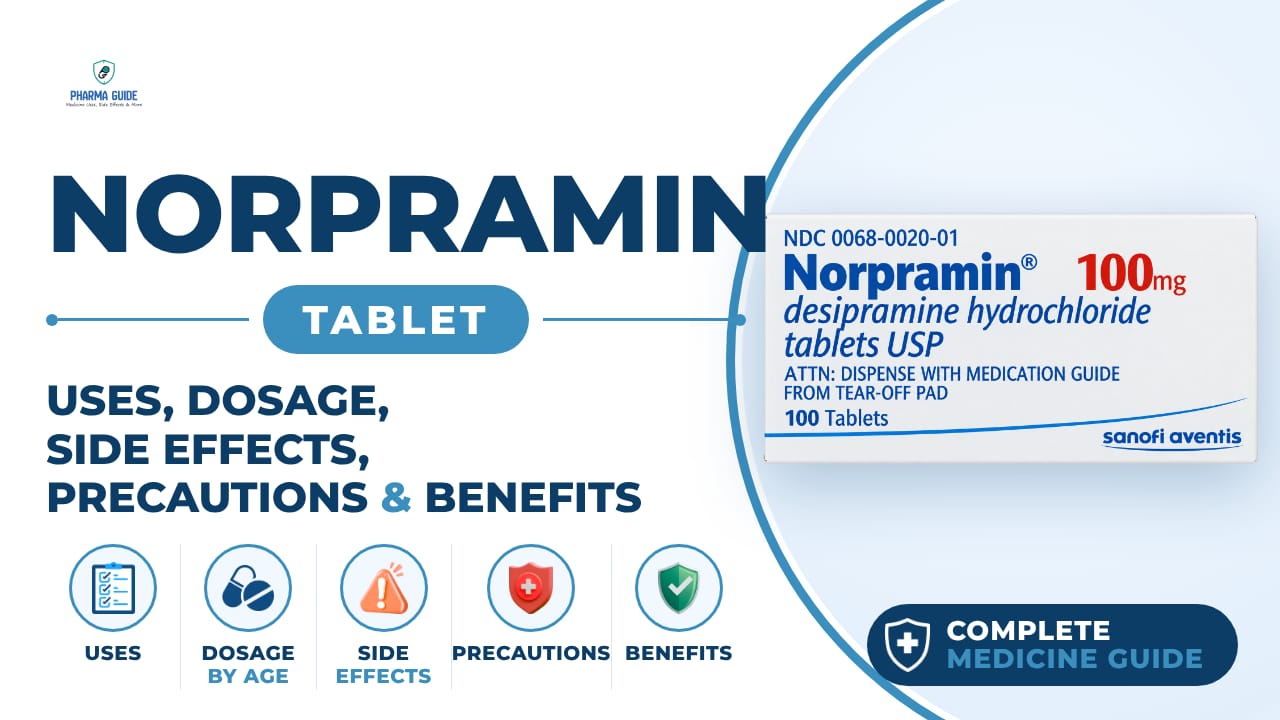
Norpramin Tablet: Uses, Dosage, Side Effects, Precautions and Alternates
Tricyclic antidepressant
Norpramin Tablet (desipramine) treats depression by restoring brain chemical balance. Learn uses, dosage, side effects, warnings, and precautions.
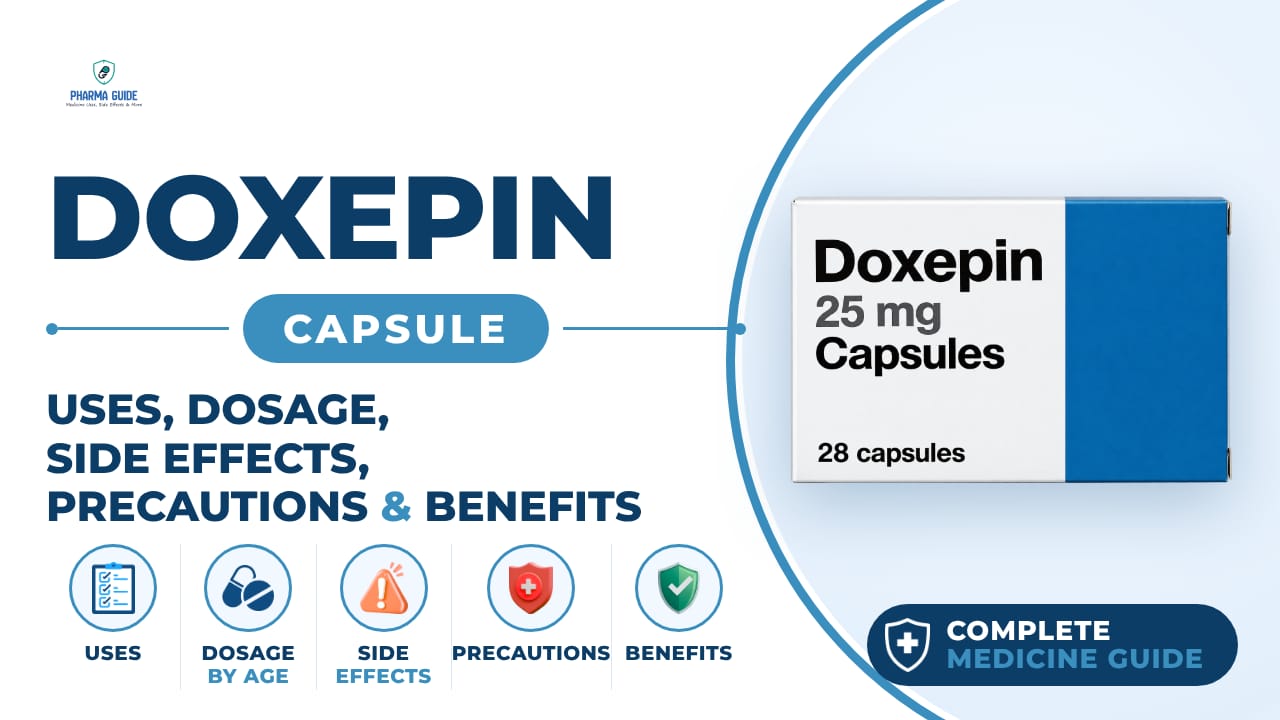
Doxepin Capsule: Uses, Dosage, Side Effects, Precautions and Alternates
Tricyclic antidepressant
Doxepin Capsule is a tricyclic antidepressant for major depressive disorder in adults. Learn uses, dosage, side effects, and safety warnings.