
Safety
General information, not medical advice
Your prescriber and the leaflet in your pack know your situation. This page does not.
- Follow your prescriber and the leaflet
- Don't start, stop, or change a dose on your own
- Doses and warnings differ by country and product
Imuderm Cream: Uses, Dosage, Side Effects, Precautions and Alternates
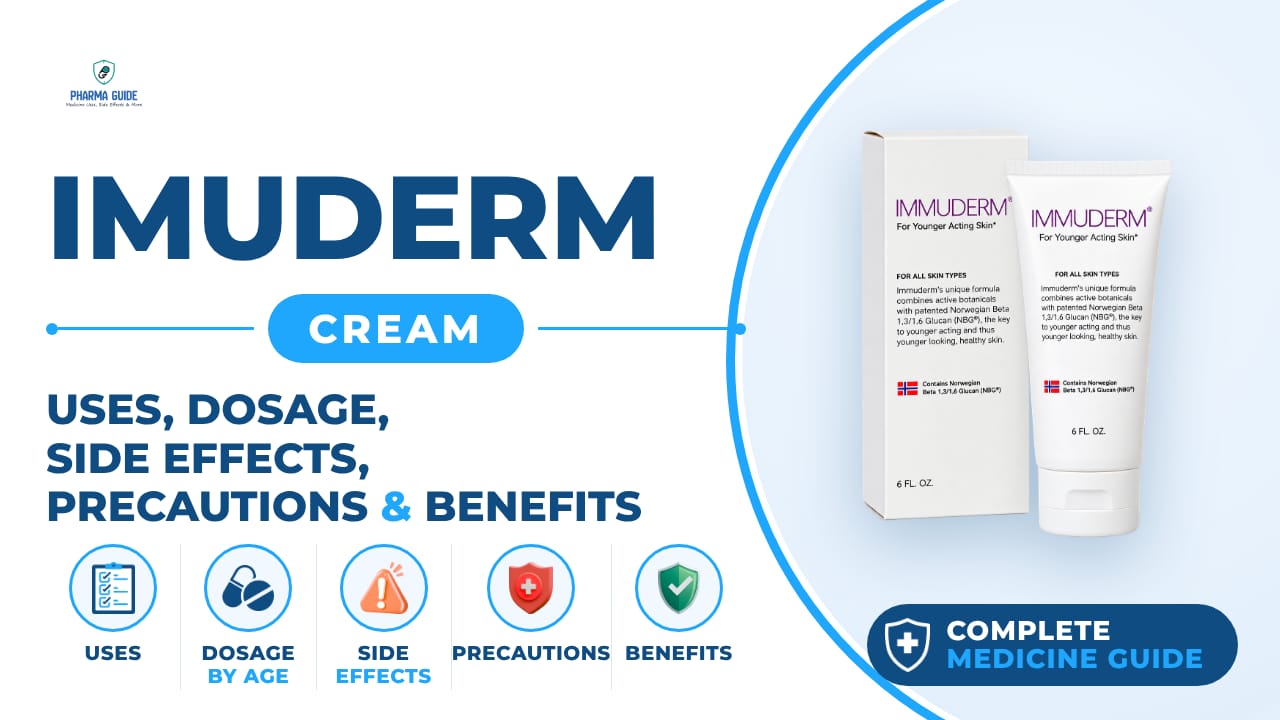
| Generic name | Urea 5%, glycerine 5% |
|---|---|
| Drug class | Emollients (humectant moisturiser) |
| Forms | Cream |
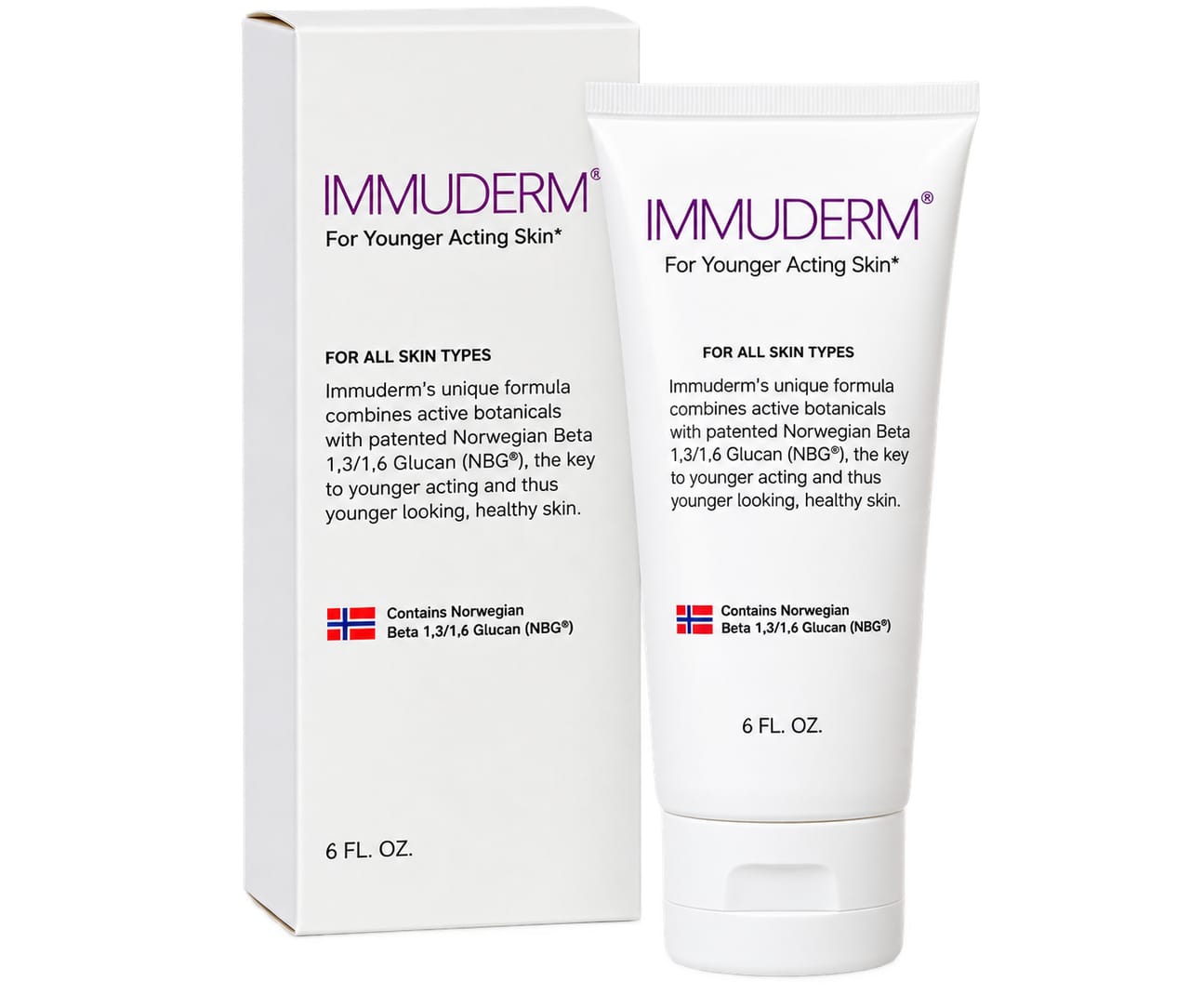
Quick overview
Imuderm Cream is a moisturizing emollient containing urea 5% and glycerine 5%. It is used to soothe, protect, and hydrate dry skin conditions such as eczema, psoriasis, dermatitis, and other dry-skin conditions. The cream works by moisturizing the skin and supporting its natural barrier, and it should be applied as needed or as directed by a healthcare professional.
What is Imuderm Cream
Imuderm is a soothing, protecting and hydrating emollient cream containing urea 5% and glycerine 5%.
Imuderm Cream uses
- Eczema
- Psoriasis
- Dermatitis
- Other dry-skin conditions
Benefits of Imuderm Cream
- Helps moisturize dry, rough, or scaly skin.
- Helps restore the skin's natural moisture barrier.
- Softens thickened or hardened skin.
- Helps reduce dryness, flaking, and tightness.
- Can be useful for very dry skin conditions such as hyperkeratosis or ichthyosis.
- Its urea 5% and glycerol 5% help attract and retain moisture in the skin.
How Imuderm Cream works
Imuderm Cream works by acting on the affected skin to help control the underlying skin problem. Its exact action depends on the active ingredient in the specific Imuderm formulation, so the ingredient list should be checked before describing how it works.
Imuderm Cream dosage
Apply plenty of product to achieve results. Apply as required. Can be added to bath water or used as a soap substitute.
| Age group | Dose |
|---|---|
| Under 2 years | Use only when specifically prescribed |
| 2–11 years | Apply a thin layer to the affected area as directed by a healthcare professional |
| 12–17 years | Usually apply a thin layer 1–2 times daily, depending on the formulation |
| 18–64 years | Usually apply a thin layer 1–2 times daily to the affected skin |
| 65+ years | Use the smallest effective amount, especially on thin or fragile skin |
Available forms and strengths
- Cream (Urea 5%, glycerine 5%)
Side effects of Imuderm Cream
Common
- Mild stinging or burning
- Skin redness or irritation
- Mild itching
- Temporary discomfort, especially on cracked, inflamed, or broken skin
Serious
- Severe skin irritation or worsening rash
- Significant swelling or blistering
- Signs of a serious allergic reaction, such as swelling of the face/lips/throat or difficulty breathing
Warnings and precautions
- Do not use if you are allergic to urea, glycerine, or any ingredient in the cream.
- Avoid applying to broken, bleeding, severely inflamed, or infected skin unless advised by a healthcare professional; urea may cause significant stinging.
- Avoid contact with the eyes and other sensitive areas.
- Keep treated skin, clothing, and bedding away from cigarettes, naked flames, and other ignition sources, as emollient residue can increase fire risk.
- Pregnancy: Generally considered safe when used on the skin as directed. Ask a doctor before using extensively or on damaged skin.
- Breastfeeding: Usually safe. Do not apply on or around the nipple before feeding; wash off any cream that could contact the baby.
- Kidney: No specific precautions or dose adjustment are normally required with topical use.
- Liver: No specific precautions or dose adjustment are normally required.
- Alcohol: No known interaction with alcohol.
- Driving: Does not affect the ability to drive or operate machinery.
Storage
- Store below 25°C (77°F) or as directed on the product label.
- Keep in a cool, dry place away from excessive heat.
- Protect from direct sunlight and moisture.
- Keep the tube tightly closed after each use.
- Do not freeze and avoid very hot or humid storage areas.
- Keep out of reach of children and pets.
When to see a doctor
Seek medical advice if you develop severe burning, persistent redness, swelling, blistering, rash, or worsening skin irritation after application. Stop using it and get urgent medical help if you develop signs of a serious allergic reaction, such as difficulty breathing or swelling of the face, lips, tongue, or throat.
Alternatives
- Hydrocortisone Cream
- Clotrimazole Cream
- Ketoconazole Cream
- Miconazole Cream
Watch the video
FAQs
What is Imuderm Cream used for?
Imuderm Cream is used to soothe, protect, and hydrate dry skin conditions such as eczema, psoriasis, dermatitis, and other dry-skin conditions.
What are the active ingredients in Imuderm Cream?
Imuderm Cream contains urea 5% and glycerine 5%, which help attract and retain moisture in the skin.
How is Imuderm Cream applied?
Apply plenty of product as required; it can be added to bath water or used as a soap substitute. Adults usually apply a thin layer 1–2 times daily to the affected skin, while children under 2 years should only use it when specifically prescribed.
What are the side effects of Imuderm Cream?
Common side effects include mild stinging or burning, skin redness or irritation, mild itching, and temporary discomfort, especially on cracked, inflamed, or broken skin. Serious effects can include severe irritation, worsening rash, significant swelling or blistering, or signs of a serious allergic reaction.
Is Imuderm Cream safe to use during pregnancy or breastfeeding?
It is generally considered safe when used on the skin as directed during pregnancy, though a doctor should be consulted before extensive use or use on damaged skin. During breastfeeding it is usually safe, but it should not be applied on or around the nipple before feeding.
General information, not medical advice
Your prescriber and the leaflet in your pack know your situation. This page does not.
- Follow your prescriber and the leaflet
- Don't start, stop, or change a dose on your own
- Doses and warnings differ by country and product
Sources
Video
Related medicines

Injectafer Injection: Uses, Dosage, Side Effects, Precautions and Alternates
Iron products
Injectafer (ferric carboxymaltose) treats iron deficiency anemia and heart failure-related iron deficiency via IV. Learn uses, dosage, side effects, and

Gliclazide Tablet: Uses, Dosage, Side Effects, Precautions and Alternates
Sulfonylurea (hypoglycemic/antidiabetic agent)
Gliclazide Tablet is a sulfonylurea for type 2 diabetes that boosts insulin release. Learn about dosage, side effects, warnings, and precautions.