
Safety
General information, not medical advice
Your prescriber and the leaflet in your pack know your situation. This page does not.
- Follow your prescriber and the leaflet
- Don't start, stop, or change a dose on your own
- Doses and warnings differ by country and product
Influenza Vaccine Injection: Uses, Dosage, Side Effects, Precautions and Alternates
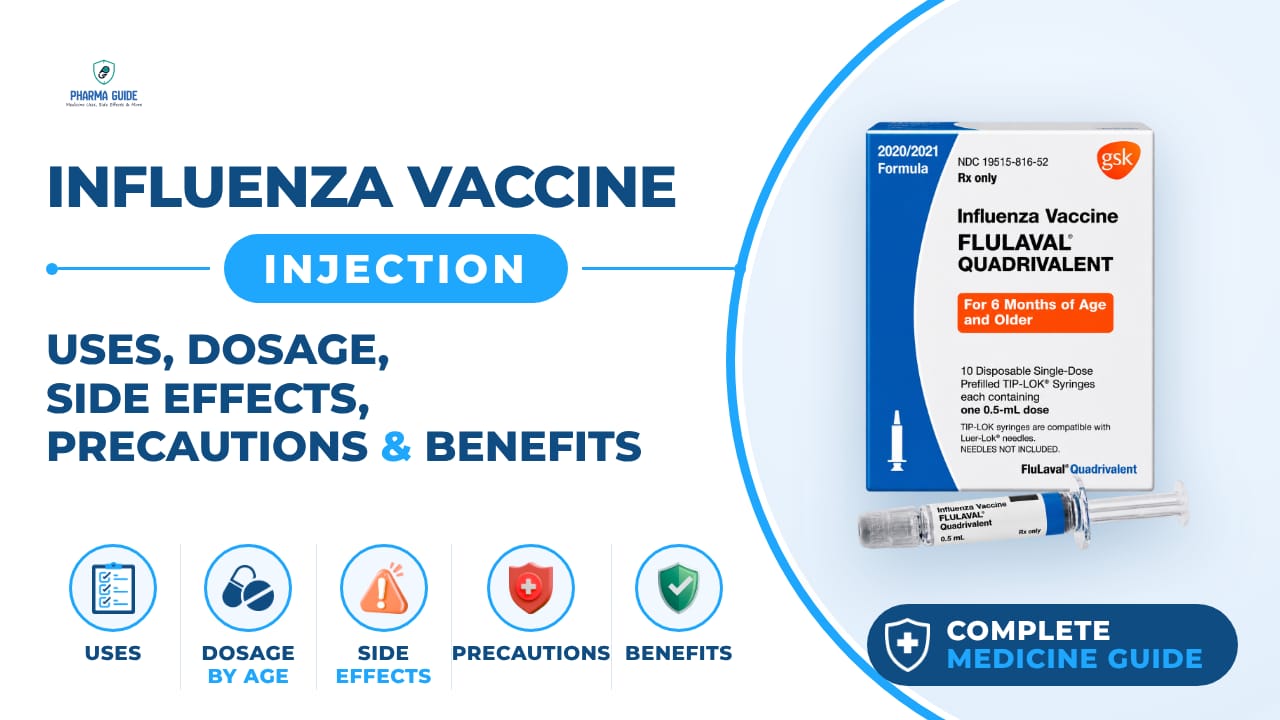
| Generic name | Influenza virus vaccine (injection) |
|---|---|
| Drug class | Viral vaccines |
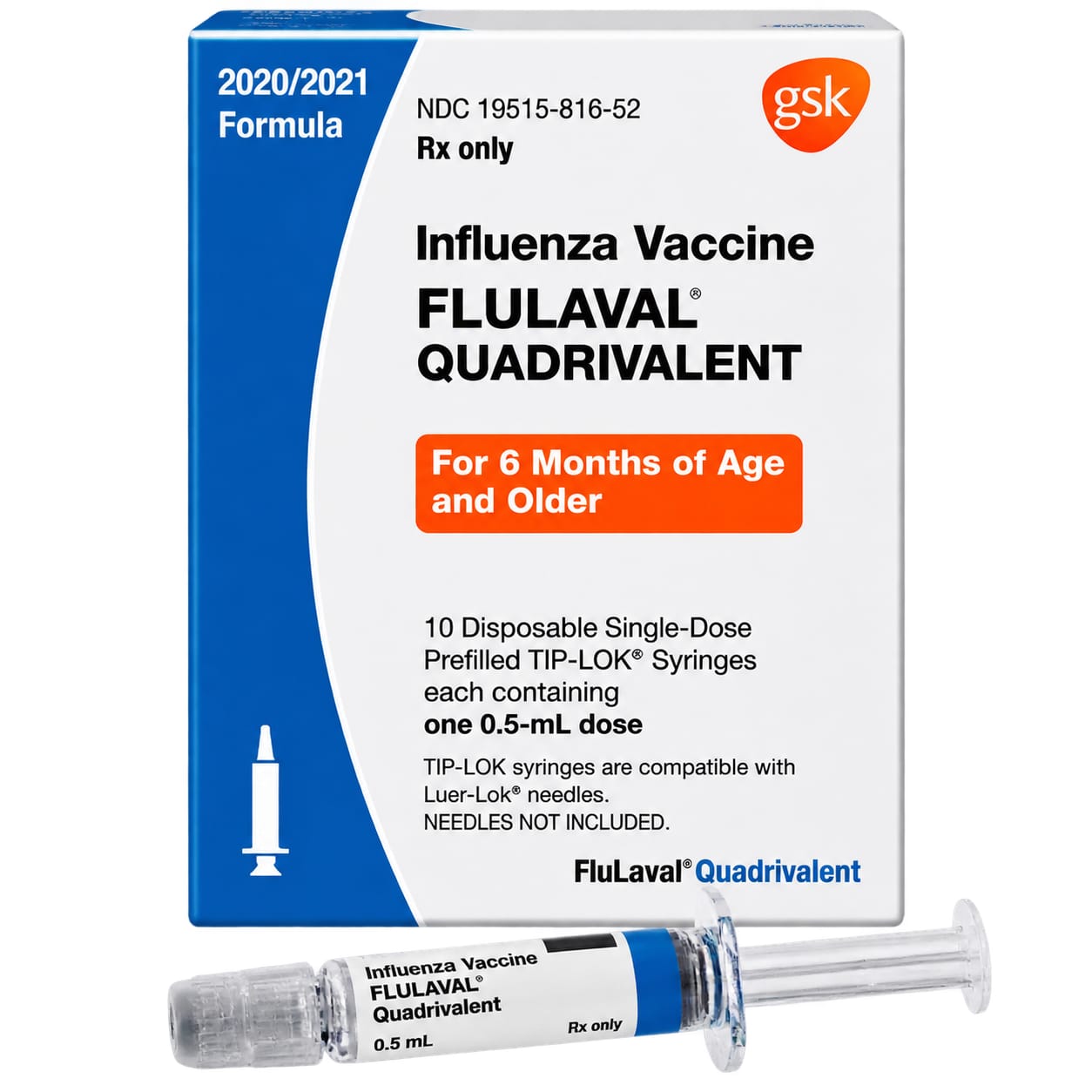
| Forms | Inactivated Influenza Vaccine (IM Injection) |
Quick overview
Influenza Vaccine Injection (influenza virus vaccine) is a viral vaccine that reduces your risk of getting the flu in adults and children. It does not treat the flu once you have it, and it is still possible to get the flu after vaccination, though symptoms may be milder or shorter. It is given as a shot into a muscle by a healthcare provider.
What is Influenza Vaccine Injection
Influenza vaccine reduces your risk of getting the flu. The flu is a contagious illness that causes fever, head and body aches, coughing, and a stuffy or runny nose. This vaccine does not treat the flu once you have it. It is still possible to get the flu after getting this vaccine, but symptoms may be milder or shorter.
Influenza Vaccine Injection uses
- Reduces the risk of getting influenza (the flu) in adults and children
- Helps your body build immunity to the flu virus
Benefits of Influenza Vaccine Injection
- May make flu symptoms less severe or shorter if you do get the flu
- Given as a shot into a muscle by a healthcare provider
- Cannot give you the flu because it is made from killed virus
How Influenza Vaccine Injection works
The vaccine works by teaching your immune system how to recognize and fight the flu virus, so your body is ready if you are exposed to it later.
Influenza Vaccine Injection dosage
This vaccine is given as a shot into a muscle or under the skin by your care team. You should get a flu vaccine every year because the vaccine is remade each year for that year's flu strains. Follow your doctor's instructions or the schedule recommended by your local health department. Make sure you get all the recommended doses so you are fully protected. Tell your vaccination provider about any other vaccines you have recently received.
| Age group | Dose |
|---|---|
| 6 Months–8 Years | 0.5 mL injection; some children may require 2 doses depending on vaccination history |
| 9 Years and Above | 0.5 mL injection once yearly |
| Adults (18–64 Years) | 0.5 mL injection annually |
| Older Adults (65+ Years) | 0.5 mL injection annually (preferably age-appropriate influenza vaccine if available) |
Available forms and strengths
- Inactivated Influenza Vaccine (IM Injection)
Side effects of Influenza Vaccine Injection
Common
- Chills
- Fatigue
- Headache
- Joint pain
- Loss of appetite
- Muscle pain
- Nausea
- Pain, redness, or irritation at the injection site
- Diarrhea
- Bruising or a hard lump where the shot was given
- Fussiness, crying, or drowsiness in a child
Serious
- Allergic reactions—skin rash, itching, hives, swelling of the face, lips, tongue, or throat
- Trouble breathing
- A light-headed feeling, like you might pass out
- Nervous system problems—numbness, pain, tingling, weakness, burning or prickly feeling, vision or hearing problems
Warnings and precautions
- Tell your care team if you are pregnant or trying to become pregnant. Tell your care team if you are breastfeeding. Inform your healthcare provider about any severe allergy to a previous influenza vaccine. Tell your doctor if you have a history of Guillain-Barré syndrome. Delay vaccination if you have a moderate or severe illness until recovery. Mild fever, soreness, or redness at the injection site may occur after vaccination.
- Tell your care team if you have a bleeding disorder, fever or infection, Guillain-Barre syndrome or other nervous system problems, immune system problems, HIV or AIDS, low platelet counts, multiple sclerosis, or allergies to the flu vaccine, latex, medications, foods, dyes, or preservatives, since different vaccine brands contain different ingredients.
- You may not be able to get this vaccine if you are allergic to eggs or have had a severe allergic reaction to a flu vaccine before.
- Tell your provider if you have fainted after a shot before, have a weak immune system, or have had Guillain-Barre syndrome within 6 weeks of a past flu vaccine.
- This vaccine will not protect against colds or other illnesses that also cause fever.
Storage
The vaccine is only given by your care team. It will not be stored at home.
When to see a doctor
- Get emergency help right away if you notice signs of an allergic reaction such as hives, trouble breathing, or swelling of the face, lips, tongue, or throat.
- Call your care team if you have any unusual symptoms within 6 weeks of getting this vaccine.
- Call your doctor right away if you feel light-headed like you might pass out, or if you have nervous system problems like numbness, pain, tingling, weakness, burning or prickly feelings, vision or hearing problems, or trouble breathing.
Alternatives
- FluLaval Vaccine
- Fluarix Vaccine
- FluMist Nasal Spray Vaccine
- Fluzone Vaccine
Watch the video
FAQs
Can Influenza Vaccine Injection give me the flu?
No, it cannot give you the flu because it is made from killed virus. It is still possible to get the flu after vaccination, but symptoms may be milder or shorter.
How often should I get the Influenza Vaccine Injection?
You should get a flu vaccine every year because the vaccine is remade each year for that year's flu strains.
What is the dosage of Influenza Vaccine Injection for adults?
Adults aged 18-64 years receive a 0.5 mL injection annually, and older adults 65+ also receive a 0.5 mL injection annually, preferably an age-appropriate influenza vaccine if available.
Who should not get the Influenza Vaccine Injection?
You may not be able to get this vaccine if you are allergic to eggs or have had a severe allergic reaction to a flu vaccine before. Tell your provider if you have had Guillain-Barre syndrome within 6 weeks of a past flu vaccine.
What are the common side effects of Influenza Vaccine Injection?
Common side effects include chills, fatigue, headache, joint pain, loss of appetite, muscle pain, nausea, diarrhea, and pain, redness, or irritation at the injection site.
General information, not medical advice
Your prescriber and the leaflet in your pack know your situation. This page does not.
- Follow your prescriber and the leaflet
- Don't start, stop, or change a dose on your own
- Doses and warnings differ by country and product
Sources
Video
Related medicines
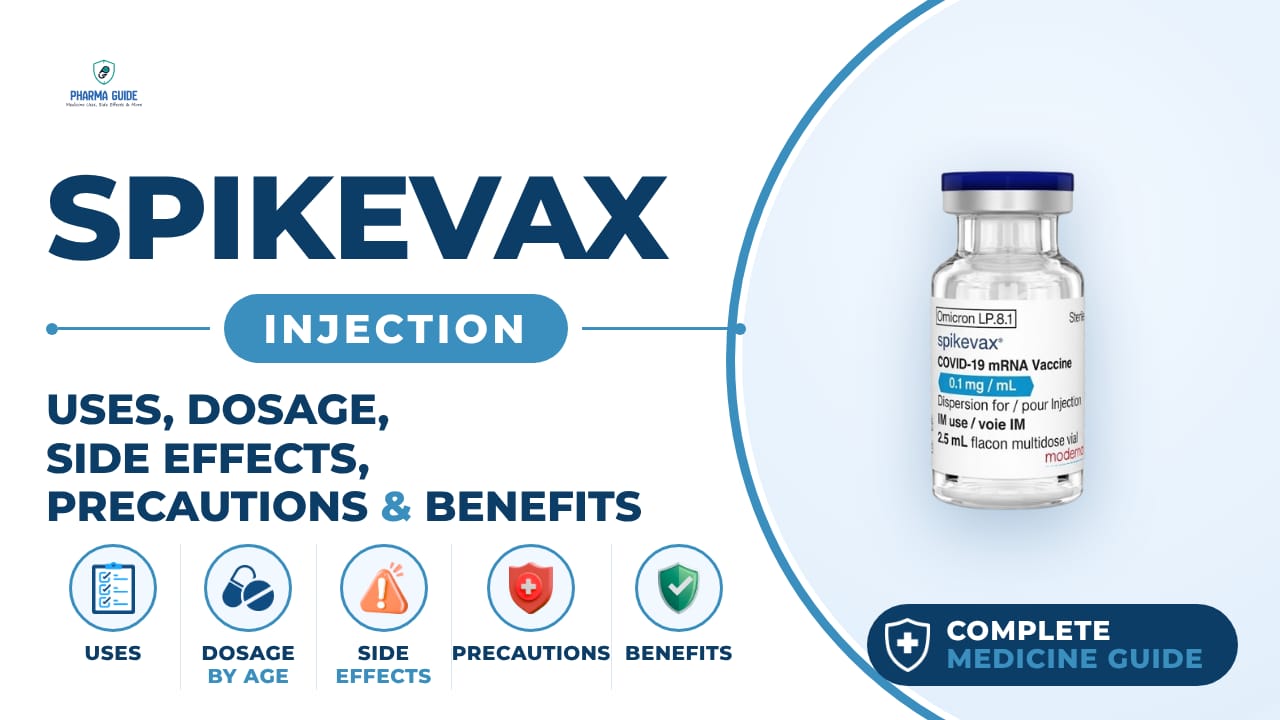
Spikevax Injection: Uses, Dosage, Side Effects, Precautions and Alternates
Viral vaccines
Spikevax Injection is an mRNA COVID-19 vaccine for people 65+ and those 6 months-64 years with risk factors. Learn dosage, side effects, and warnings.
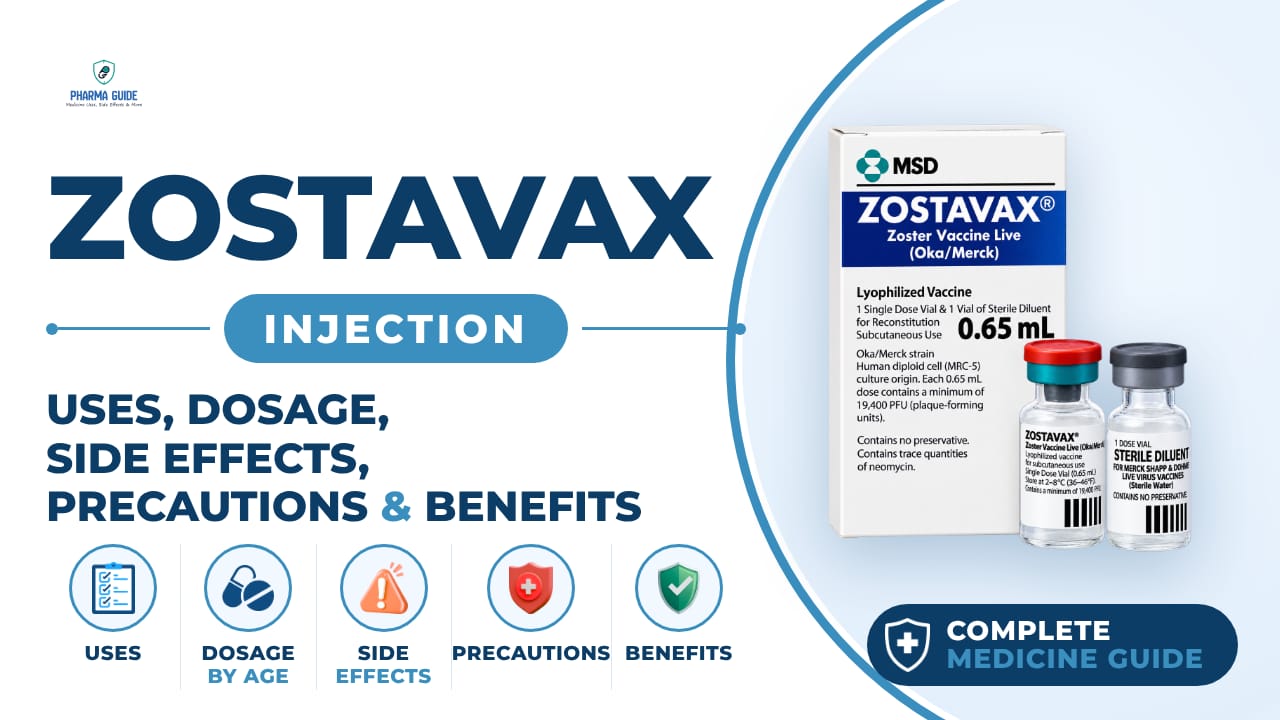
Zostavax Injection: Uses, Dosage, Side Effects, Precautions and Alternates
Viral vaccines
Zostavax Injection is a live vaccine that helps prevent shingles in adults 50+. Learn about its dosage, side effects, warnings, and storage.