
Safety
General information, not medical advice
Your prescriber and the leaflet in your pack know your situation. This page does not.
- Follow your prescriber and the leaflet
- Don't start, stop, or change a dose on your own
- Doses and warnings differ by country and product
Invega Tablet: Uses, Dosage, Side Effects, Precautions and Alternates
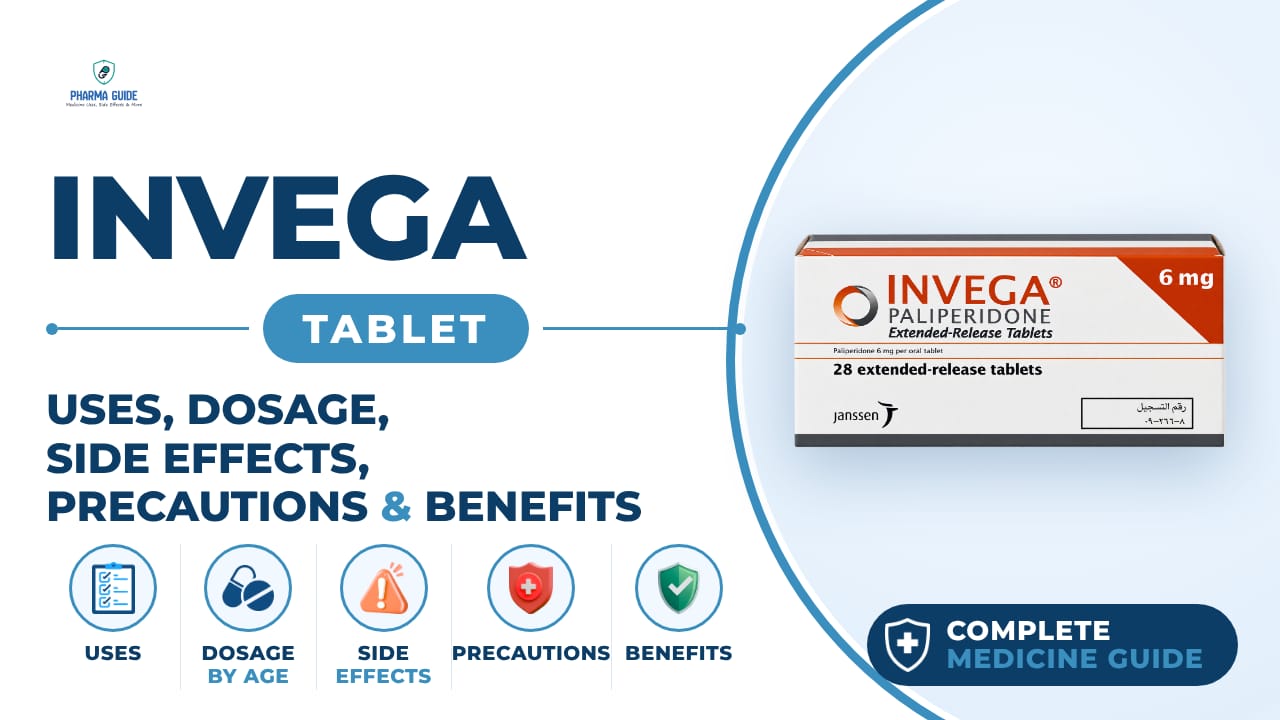
| Generic name | paliperidone |
|---|---|
| Drug class | atypical antipsychotic (second-generation antipsychotic) |
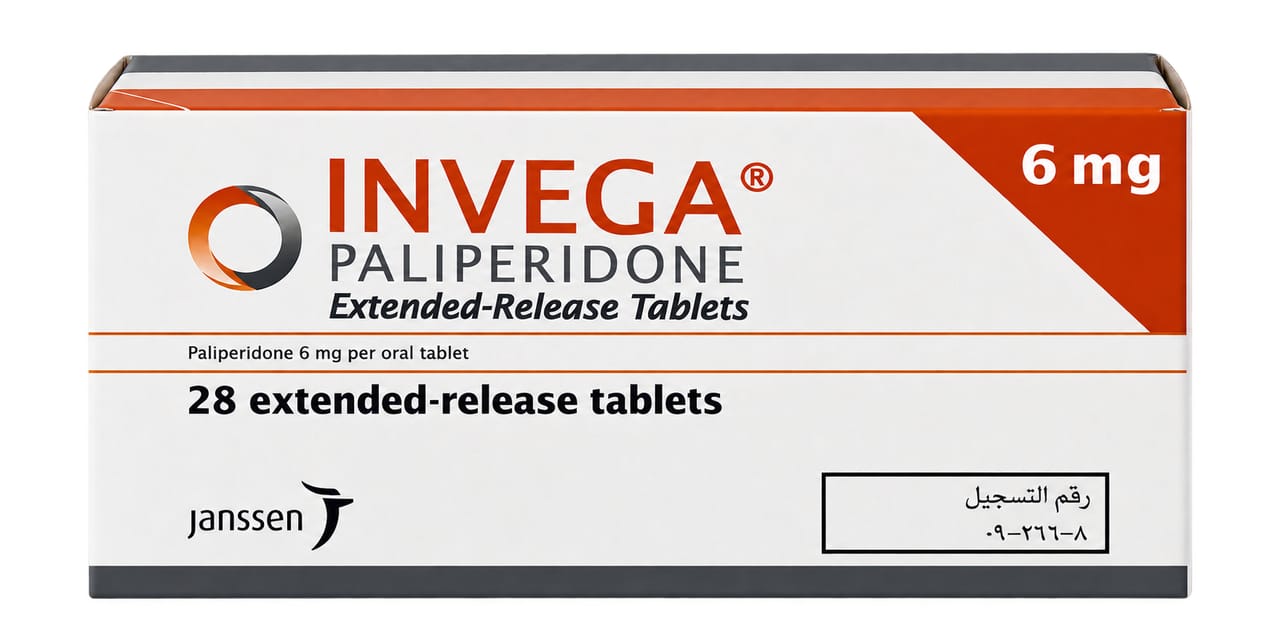
| Forms | 1.5 mg extended-release oral tablets, 3 mg extended-release oral tablets, 6 mg extended-release oral tablets, 9 mg extended-release oral tablets |
Quick overview
Invega Tablet contains paliperidone, an atypical (second-generation) antipsychotic. It comes as an extended-release tablet taken by mouth, used to treat schizophrenia in adults and teenagers at least 12 years old, as well as schizoaffective disorder in adults. It works by balancing brain chemicals called serotonin and dopamine that affect thoughts and mood. It is typically taken once daily as directed by a doctor.
What is Invega Tablet
Invega is a prescription antipsychotic medicine that comes as an extended-release tablet taken by mouth. It is used to treat certain mental health conditions.
Invega Tablet uses
- Schizophrenia in adults and teenagers at least 12 years old
- Schizoaffective disorder in adults
Benefits of Invega Tablet
- May help balance brain chemicals that affect thoughts and mood
- Taken once daily, which may make it easier to stick with treatment
How Invega Tablet works
Invega is thought to work by balancing brain chemicals called serotonin and dopamine, which affect thoughts and mood.
Invega Tablet dosage
Take this medication by mouth with or without food as directed by your doctor, usually once daily. Swallow the tablet whole with liquid; do not crush, cut, or chew it, since this can release the drug too quickly and raise the risk of side effects.
You may notice something that looks like a tablet in your stool. This is normal — it is just the empty tablet shell after the medicine has been released.
Take it at the same time each day to help you remember. Keep taking this medication even if you feel well, and do not stop without talking to your doctor first.
If you miss a dose, take it as soon as you remember; if it is almost time for your next dose, skip the missed dose and continue your regular schedule. Do not take a double dose.
People age 65 and older may be at greater risk for some side effects and should discuss this with their doctor.
Use exactly as prescribed by your doctor or pharmacist.
Available forms and strengths
- 1.5 mg extended-release oral tablets
- 3 mg extended-release oral tablets
- 6 mg extended-release oral tablets
- 9 mg extended-release oral tablets
Side effects of Invega Tablet
Common
- Movement problems
- Fast heartbeat
- Restlessness (akathisia)
- Drowsiness
- Tremor
- Anxiety
- Weight gain
- Upset stomach
- Constipation
- Infection in the nose or throat, sore throat, or common cold symptoms
- Stuffy nose
Serious
- Severe allergic reactions (breathing problems, swelling of face/lips/mouth/tongue/throat, hives)
- Dangerous heart rhythm changes (QT prolongation, torsade de pointes)
- High blood sugar or diabetes, high cholesterol, and weight gain
- Uncontrolled movements (tardive dyskinesia)
- Sudden drop in blood pressure when standing, increasing fall risk
- Blood disorders (low white blood cell levels)
- Neuroleptic malignant syndrome (NMS)
- High prolactin levels (hyperprolactinemia)
- Painful, prolonged erection (priapism)
- Trouble regulating body temperature, leading to overheating or dehydration
- Trouble swallowing (dysphagia), which can increase choking risk
- Seizures
- Decreased alertness or coordination
Warnings and precautions
- Invega is not approved to treat psychosis related to dementia and can increase the risk of death, stroke, or mini-stroke in older adults with dementia-related memory loss or psychosis.
- Invega can make it harder for your body to control its temperature, so avoid becoming too hot, dehydrated, or overheated.
- Do not chew, cut, or crush the tablet — swallow it whole, since breaking it can release the drug too quickly and increase side effects.
- High doses or long-term use can cause a serious, potentially permanent movement disorder, especially in women and older adults.
- Taking Invega may temporarily make it harder to become pregnant; this effect likely goes away after stopping the medicine.
- Taking Invega later in pregnancy may increase the risk of certain problems in a newborn, such as breathing or feeding problems or withdrawal symptoms. Tell your doctor if you are or plan to become pregnant, and do not stop the medicine without medical advice.
- Invega passes into breast milk, so it may not be safe to breastfeed while using it. Talk to your doctor about the risks, and watch for drowsiness, feeding problems, tremors, or unusual muscle movements in the baby.
- Tell your doctor if you have kidney problems before taking Invega.
- Tell your doctor if you have liver disease before taking Invega.
- Avoid drinking alcohol while taking Invega, as it can increase dizziness and sleepiness and cause other dangerous side effects.
- Invega can affect your alertness or coordination, so avoid driving or doing other activities that require focus until you know how the medicine affects you.
Storage
- Store at room temperature, between 68°F to 77°F (20°C to 25°C).
- It can be exposed to temperatures between 59°F to 86°F (15°C to 30°C) for shorter periods of time, such as when transporting it.
- Store in a cool, dry place. Protect from moisture.
- Store away from light and moisture. Do not store in the bathroom.
- Keep all medications away from children and pets.
- Do not flush medications down the toilet or pour them into a drain unless instructed to do so. Properly discard this product when it is expired or no longer needed; consult your pharmacist or local waste disposal company.
When to see a doctor
- Get emergency help right away for signs of a severe allergic reaction, such as trouble breathing, swelling of the face, lips, mouth, tongue, or throat, or hives.
- Stop taking Invega and call your doctor right away if you have very stiff muscles, high fever, sweating, confusion, fast or uneven heartbeats, tremors, restless muscle movements in your face or neck, trouble swallowing, or feel like you might pass out — these can be signs of a severe nervous system reaction.
- Call your doctor right away if you notice tremors or shaking, uncontrolled face movements like chewing or lip smacking, or any new muscle movements you can't control.
- Call your doctor immediately if you have a fast or pounding heartbeat, fluttering in the chest, shortness of breath, sudden dizziness, breast swelling or nipple discharge, painful erection lasting 4 hours or more, signs of low white blood cells (fever, chills, mouth sores, sore throat), or signs of high blood sugar (increased thirst, urination, hunger, or fruity breath odor).
- If someone takes too much Invega, get emergency medical help or contact a poison control center right away.
Alternatives
- Olanzapine
- Quetiapine
- Aripiprazole
- Risperidone
Watch the video
FAQs
What is Invega Tablet used for?
Invega is used to treat schizophrenia in adults and teenagers at least 12 years old, as well as schizoaffective disorder in adults.
How does Invega Tablet work?
Invega works by balancing brain chemicals called serotonin and dopamine, which affect thoughts and mood.
How should I take Invega Tablet?
Take it by mouth with or without food, usually once daily, swallowing the tablet whole with liquid. Do not crush, cut, or chew it, as this can release the drug too quickly and raise the risk of side effects.
What should I do if I miss a dose of Invega?
If you miss a dose, take it as soon as you remember; if it is almost time for your next dose, skip the missed dose and continue your regular schedule. Do not take a double dose.
What are the serious side effects of Invega Tablet?
Serious side effects include dangerous heart rhythm changes, high blood sugar or diabetes, tardive dyskinesia, neuroleptic malignant syndrome, high prolactin levels, priapism, trouble regulating body temperature, seizures, and blood disorders.
General information, not medical advice
Your prescriber and the leaflet in your pack know your situation. This page does not.
- Follow your prescriber and the leaflet
- Don't start, stop, or change a dose on your own
- Doses and warnings differ by country and product
Sources
Video
Related medicines
Geodon Capsule: Uses, Dosage, Side Effects, Precautions and Alternates
atypical antipsychotic (second-generation antipsychotic)
Geodon (ziprasidone) is a prescription antipsychotic for schizophrenia and bipolar disorder. Learn how it works, dosage, side effects, and warnings.
Iloperidone Tablet: Uses, Dosage, Side Effects, Precautions and Alternates
Atypical antipsychotic (Second-Generation Antipsychotic)
Iloperidone Tablet treats schizophrenia in adults by reducing hallucinations and delusions. Learn dosage, side effects, warnings, and precautions.