
Safety
General information, not medical advice
Your prescriber and the leaflet in your pack know your situation. This page does not.
- Follow your prescriber and the leaflet
- Don't start, stop, or change a dose on your own
- Doses and warnings differ by country and product
Iron + Folic Acid Tablet: Uses, Dosage, Side Effects, Precautions and Alternates
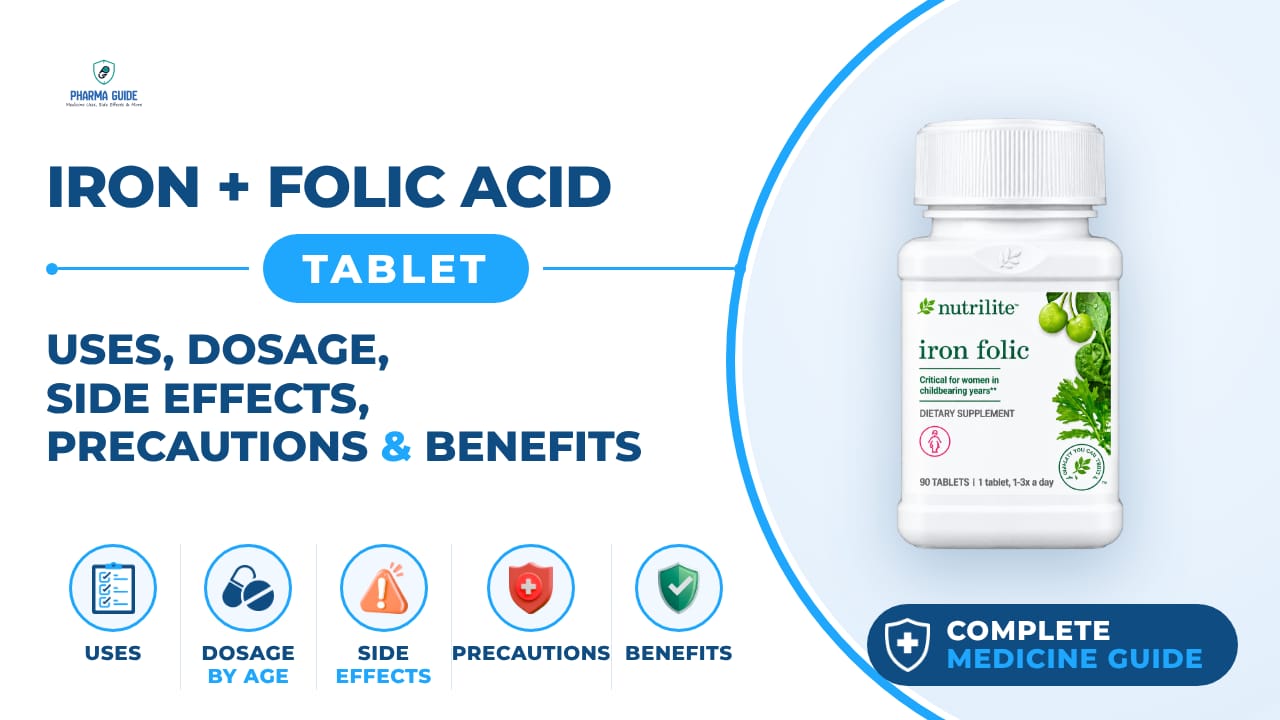
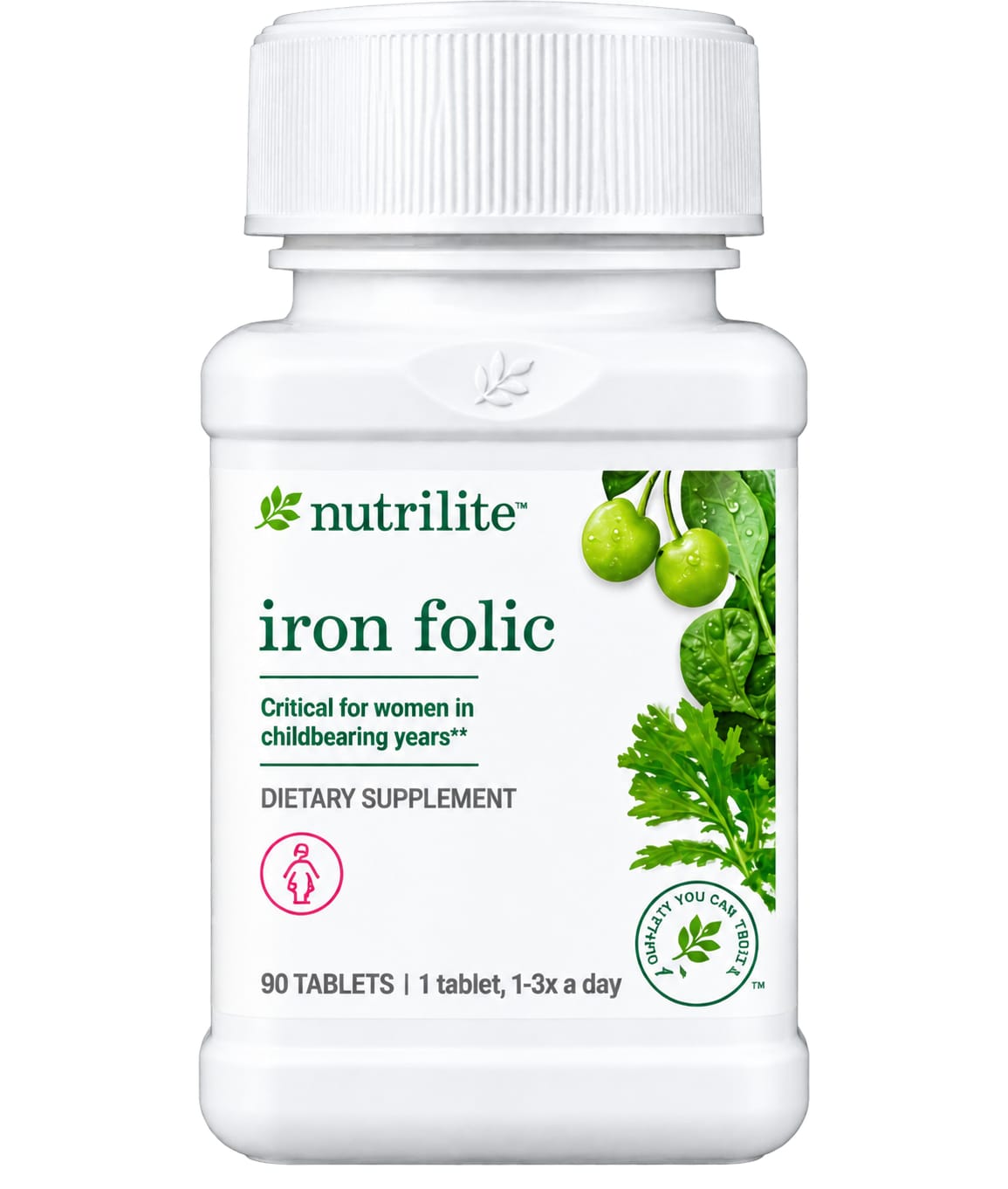
| Generic name | Iron and Folic Acid |
|---|---|
| Forms | Tablet |
Quick overview
Iron + Folic Acid Tablet combines iron, a mineral needed to make hemoglobin, with folic acid, a form of vitamin B9. It is used to prevent and treat low iron and low folate levels in the body. It also supports healthy pregnancy, helps manage high homocysteine levels, and can reduce nausea and vomiting caused by methotrexate.
What is Iron + Folic Acid Tablet
This medicine combines iron, a mineral needed to make hemoglobin (the part of red blood cells that carries oxygen), with folic acid, a form of vitamin B9. It is used to prevent and treat low iron and low folate levels in the body.
Iron + Folic Acid Tablet uses
- Preventing and treating low blood levels of folate (folate deficiency)
- Treating high blood levels of homocysteine (hyperhomocysteinemia)
- Preventing serious birth defects such as spina bifida during pregnancy
- Preventing and treating low iron levels, including iron deficiency anemia
- Reducing nausea and vomiting caused by the drug methotrexate
Benefits of Iron + Folic Acid Tablet
- Folate plays an important role in forming red blood cells and maintaining brain health
- Folate supports a healthy pregnancy and lowers the risk of birth defects of the brain and spine
- Iron helps make hemoglobin, which carries oxygen from the lungs to body tissues
- Iron supports muscle metabolism and healthy connective tissues
How Iron + Folic Acid Tablet works
Folic acid helps form red blood cells and supports brain health, while iron is needed to make hemoglobin, the protein in red blood cells that carries oxygen from the lungs to the rest of the body.
Iron + Folic Acid Tablet dosage
Take this medication by mouth with a glass of water. Follow the directions on your prescription label and take your doses at regular intervals. Do not stop taking your medication unless your care team tells you to.
Taking iron on an empty stomach is preferred since it is absorbed better this way; try to take it within two hours of finishing a meal, but if you have stomach problems, consider taking it with food. Try to take folic acid at the same time every day so you can get on a schedule.
If you miss a dose, take it as soon as you can; if it is almost time for your next dose, take only that dose and do not take double or extra doses.
| Age group | Dose |
|---|---|
| Children (1–12 Years) | Iron dose based on body weight; folic acid dose as advised by doctor |
| Adolescents (13–17 Years) | Usually 30–60 mg elemental iron + 400 mcg folic acid daily (as advised) |
| Adults (18–64 Years) | Usually 60–120 mg elemental iron + 400–800 mcg folic acid daily depending on need |
| Pregnancy | Commonly 30–60 mg elemental iron + 400 mcg folic acid daily as recommended |
Available forms and strengths
- Tablet
Side effects of Iron + Folic Acid Tablet
Common
- Change in taste
- Gas
- General discomfort and fatigue
- Loss of appetite
- Nausea
- Bad taste in the mouth
- Abdominal or stomach pain
- Cramping
- Backache
- Chest pain
- Chills
- Dizziness
- Fast heartbeat
- Headache
- Metallic taste
- Vomiting
Serious
- Allergic reactions—skin rash, itching, hives, swelling of the face, lips, tongue, or throat
- Breathing problems
- Pain, tingling, or numbness in the hands or feet
Warnings and precautions
- Tell your care team before starting this medicine if you have pernicious anemia, low levels of vitamin B12, or an allergic reaction to folic acid, other B vitamins, other medications, foods, dyes, or preservatives.
- Taking folic acid supplements might hide signs of a vitamin B12 deficiency, which if left untreated could cause permanent nerve damage.
- People with a seizure disorder should be cautious, as folic acid supplements, especially in high doses, might make seizures worse.
- People with a history of cancer should avoid high doses of folic acid, since early research suggests high doses might increase cancer risk.
- This medicine should not be used by people recovering from a procedure to widen narrowed arteries (angioplasty), as it might worsen the condition.
- This medicine is only for the person it was prescribed to; do not share it with others.
- Pregnancy: Folic acid is recommended during pregnancy to prevent certain birth defects, but you should not take more than the recommended amount unless directed by a healthcare professional. Tell your care team if you are pregnant or trying to get pregnant.
- Breastfeeding: Tell your care team if you are breastfeeding before taking this medication.
- Kidney: Take only the recommended dose; excessive iron intake can be harmful.
- Liver: Inform your doctor if you have iron overload disorders or stomach problems.
- Alcohol: Tell your health care provider if you drink alcohol, as some items may interact with your medicine.
- Driving: Dark stools may occur during iron supplementation and are usually harmless.
Storage
- Keep out of the reach of children
- Store at room temperature between 15 and 30 degrees C (59 and 86 degrees F)
- Protect from light
- This medication is quickly broken down and made inactive when exposed to heat or light
- Throw away any unused medication after the expiration date
When to see a doctor
Get medical help right away if you have signs of an allergic reaction such as skin rash, itching, hives, or swelling of the face, lips, tongue, or throat. Get medical help right away if you have trouble breathing. Get medical help right away if you notice pain, tingling, or numbness in your hands or feet. If you think you have taken too much of this medicine, contact a poison control center or emergency room right away.
Alternatives
- Ferrous Sulfate
- Ferrous Fumarate
- Ferrous Gluconate
- Multivitamin with Iron
Watch the video
FAQs
What is Iron + Folic Acid Tablet used for
It is used to prevent and treat low iron and low folate levels, treat high homocysteine levels, prevent birth defects like spina bifida during pregnancy, and reduce nausea and vomiting caused by methotrexate.
How should I take Iron + Folic Acid Tablet
Take it by mouth with water as directed. Iron is best absorbed on an empty stomach, within two hours of a meal, but can be taken with food if it upsets your stomach. Try to take folic acid at the same time each day.
What are the common side effects of Iron + Folic Acid Tablet
Common side effects include change in taste, gas, fatigue, loss of appetite, nausea, stomach pain, cramping, backache, chills, dizziness, fast heartbeat, headache, metallic taste, and vomiting.
What precautions should I know before taking Iron + Folic Acid Tablet
Tell your care team if you have pernicious anemia, low vitamin B12, a seizure disorder, a history of cancer, or are recovering from angioplasty, since folic acid supplements may hide B12 deficiency, worsen seizures, or carry risks in these conditions.
What should I do if I miss a dose
Take the missed dose as soon as you remember, but if it is almost time for your next dose, skip the missed one and do not take double or extra doses.
General information, not medical advice
Your prescriber and the leaflet in your pack know your situation. This page does not.
- Follow your prescriber and the leaflet
- Don't start, stop, or change a dose on your own
- Doses and warnings differ by country and product
Sources
Video
Related medicines

Injectafer Injection: Uses, Dosage, Side Effects, Precautions and Alternates
Iron products
Injectafer (ferric carboxymaltose) treats iron deficiency anemia and heart failure-related iron deficiency via IV. Learn uses, dosage, side effects, and

Gliclazide Tablet: Uses, Dosage, Side Effects, Precautions and Alternates
Sulfonylurea (hypoglycemic/antidiabetic agent)
Gliclazide Tablet is a sulfonylurea for type 2 diabetes that boosts insulin release. Learn about dosage, side effects, warnings, and precautions.