
Safety
General information, not medical advice
Your prescriber and the leaflet in your pack know your situation. This page does not.
- Follow your prescriber and the leaflet
- Don't start, stop, or change a dose on your own
- Doses and warnings differ by country and product
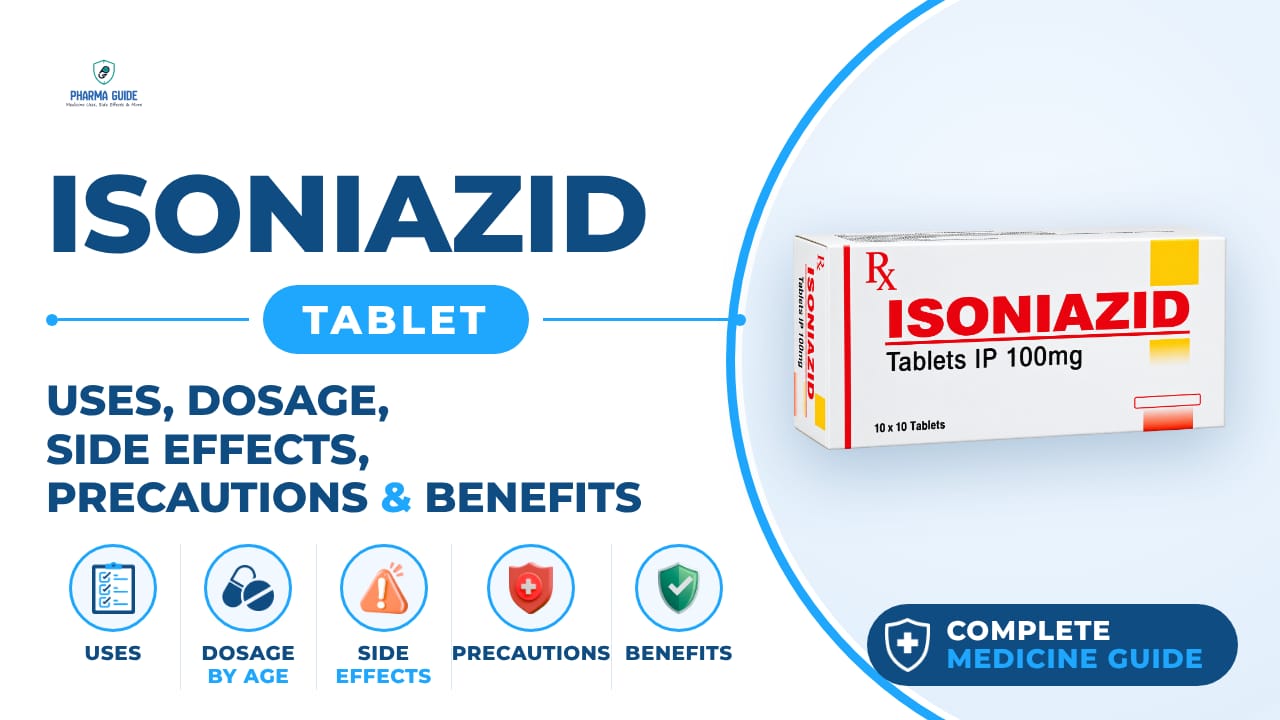
Isoniazid Tablet: Uses, Dosage, Side Effects, Precautions and Alternates
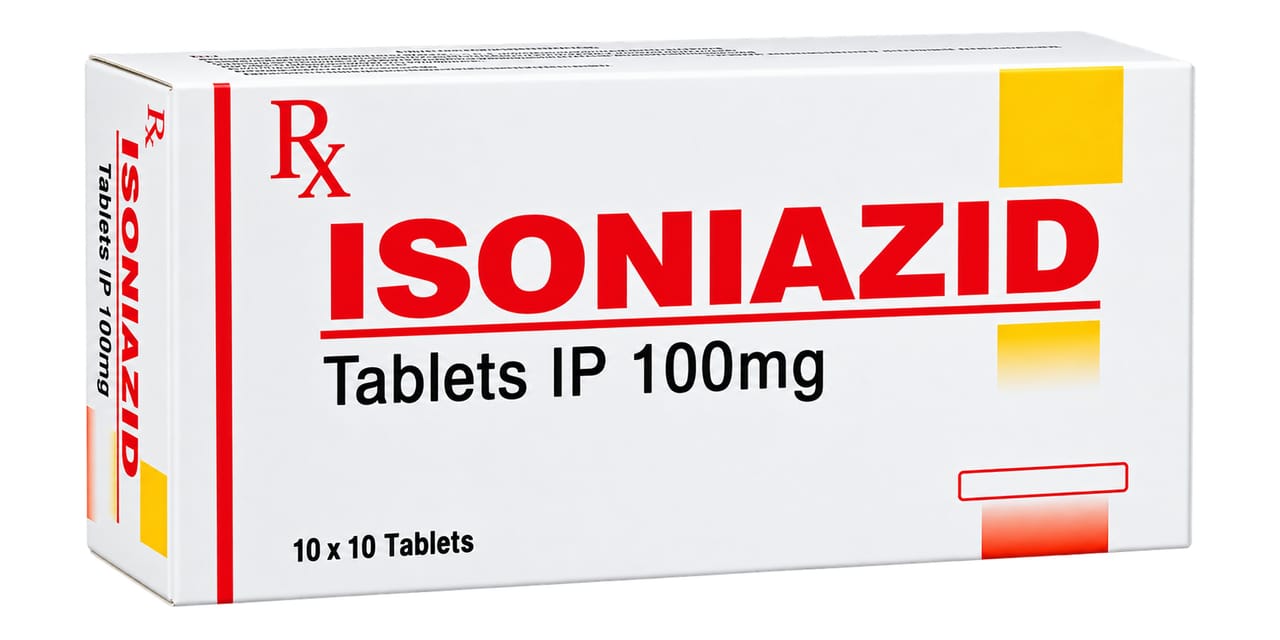
| Generic name | Isoniazid |
|---|---|
| Drug class | Hydrazide derivatives (tuberculostatic agent) |
| Forms | Tablet, Oral syrup, Injection, Oral solution |
Quick overview
Isoniazid Tablet contains isoniazid, an antibiotic from the hydrazide derivative class that fights the bacteria causing tuberculosis (TB). It is used to treat active TB, usually alongside other TB medicines, and to prevent TB in people with latent infection. The tablet should be taken on an empty stomach, and treatment must be continued for the full length of time prescribed, even if you feel better.
What is Isoniazid Tablet
Isoniazid is an antibiotic that fights the bacteria that cause tuberculosis (TB).
Isoniazid Tablet uses
- Treating active tuberculosis, usually combined with other TB medicines
- Preventing tuberculosis (latent TB infection)
Benefits of Isoniazid Tablet
- Helps clear active tuberculosis infection when taken with other TB medicines
- Can help prevent tuberculosis from developing in people with latent infection
How Isoniazid Tablet works
Isoniazid is an antibiotic that fights the bacteria that cause tuberculosis.
Isoniazid Tablet dosage
Take Isoniazid Tablet on an empty stomach, at least one hour before a meal or two hours after a meal. Swallow the tablet whole with a glass of water or another drink, and take the medicine regularly at the same time each day.
Keep taking the medicine for the full length of time your doctor tells you, even if you feel better. Do not stop treatment early or skip doses, as this can let the infection come back or become harder to treat.
Your doctor may have you take extra vitamin B6 during treatment; only take the amount your doctor prescribes. Avoid eating cheese or certain fish while on this medicine, as it may cause reactions such as skin redness, itching, a hot feeling, rapid heartbeat, sweating, chills, headache, or lightheadedness.
| Age group | Dose |
|---|---|
| Under 1 year | 10 mg/kg once daily — specialist/doctor supervision |
| 1–9 years | 10 mg/kg once daily (usual range 7–15 mg/kg) |
| 10–17 years | 5 mg/kg once daily |
| 18+ years | 5 mg/kg once daily |
| Maximum | 300 mg/day for daily dosing |
Available forms and strengths
- Tablet
- Oral syrup
- Injection
- Oral solution
Side effects of Isoniazid Tablet
Common
- Tingling, pricking, or numbness of the skin, especially in the feet and hands (peripheral neuropathy)
- Increased liver enzymes shown in blood tests
- Nausea
- Vomiting
- Dizziness
- Drowsiness
- Mild skin rashes
- Tiredness
- Loss of appetite
- Enlarged breast tissue in men
- Upset stomach
- Abnormal liver function tests
Serious
- Signs of liver damage: unexplained lack of appetite, nausea, vomiting, dark urine, yellowing of skin and eyes (jaundice), rash, tingling in hands and feet, persistent tiredness, weakness lasting more than 3 days, or abdominal tenderness (especially upper right belly)
- Hepatitis (liver inflammation), sometimes fatal
- Epileptic seizures or fits/convulsions
- Inflammation of the brain
- Personality changes and memory impairment or confusion
- Severe allergic reactions including rash with fever, blisters, and mucous membrane involvement (e.g., Stevens-Johnson syndrome), or life-threatening anaphylaxis
- Inflammation of blood vessels (vasculitis)
- Swollen or painful lymph nodes
- Rheumatic or lupus-like syndrome (joint pain, tiredness, rashes)
- Inflammation of the lungs (pneumonitis)
- Kidney damage including kidney inflammation
- Changes in blood cell counts (low white cells, low red cells/anemia, low platelets) leading to increased risk of infection, fatigue, bruising, or bleeding
- Inflammation of the joints (arthritis)
- Vision changes due to inflammation of the optic nerve, or eye pain
- Severe pain in the abdomen and back
- Numbness, tingling, burning pain, and muscle weakness, often starting in hands and feet
- Poor coordination or balance, tremor, change in speech, involuntary eye movements
Warnings and precautions
Do not take this medicine if you are allergic to isoniazid, have acute liver disease, liver disease caused by drugs, previous liver damage from isoniazid, or have had severe reactions like fever, chills, or joint swelling with isoniazid before.
You may have a higher chance of developing hepatitis (liver inflammation) if you are older than 35, drink alcohol daily, have chronic liver disease, or inject drugs. Serious and sometimes fatal liver problems can happen during or even months after stopping treatment, and the risk is highest in adults aged 35 to 65.
Do not take this medicine together with disulfiram, a medicine used to treat alcoholism. This medicine can interact with many other medicines, including some used for epilepsy, sleep, mental health conditions, blood clot prevention, surgery, asthma, heart rhythm problems, inflammation, and pain relief.
Eating certain foods like cured meats, some cheeses, wine, beer, and certain fish during treatment may cause reactions like headache, sweating, palpitations, flushing, and low blood pressure.
If you are pregnant or planning to become pregnant, talk to your doctor about the benefits and risks of taking this medicine.
Isoniazid passes into breast milk, but no harmful effects have been reported in breastfed infants; however, the amount in breast milk is not enough to protect the baby from tuberculosis.
People with kidney problems may have an increased risk of side effects from isoniazid.
Do not take this medicine if you have acute liver disease or liver disease caused by drugs, or if you've had liver damage from isoniazid before. People with chronic liver disease need close monitoring.
Do not drink alcohol while taking this medicine, as it increases the risk of liver damage.
This medicine may cause dizziness and other nervous system effects that can reduce your ability to drive or use machines safely.
Storage
- Do not store above 30°C. Keep in a well-closed container, protected from light.
- Keep out of the reach and sight of children.
- Do not use after the expiry date stated on the label, carton, or bottle.
- Medicines should not be disposed of in wastewater or household waste. Ask your pharmacist how to dispose of medicines no longer required.
- Keep ISONIAZID tablets in a cool dry place where the temperature stays below 25°C and protect from light.
- Store it in a cool dry place away from moisture, heat or sunlight; do not store it in the bathroom or near a sink, or in the car or on windowsills.
- Keep your tablets in the bottle they were provided in until it is time to take them.
- If your doctor tells you to stop taking this medication or it has passed the expiry date, ask your pharmacist what to do with any tablets that are left over.
- Store at room temperature away from moisture, heat, and light. Keep the bottle tightly closed when not in use.
When to see a doctor
Get emergency help right away if you have signs of an allergic reaction like hives, difficulty breathing, or swelling of your face or throat, or a severe skin reaction with fever, sore throat, burning eyes, skin pain, or a red/purple rash that spreads and blisters.
Call your doctor right away if you have sudden weakness, feeling unwell, or fever lasting 3 days or more; upper stomach pain that may spread to your back with nausea or loss of appetite; dark urine, pale stools, or yellowing of skin or eyes; vision changes or eye pain; confusion, memory problems, or unusual thoughts or behavior; a seizure; or pale skin, easy bruising, or bleeding.
If you take too much of this medicine, seek urgent medical attention right away, even if you feel fine, by contacting your doctor or going to the nearest hospital emergency department.
Tell your doctor right away if you notice any signs of liver damage such as lack of appetite, nausea, vomiting, dark urine, or yellowing of the skin and eyes.
Alternatives
Isoniazid is often used together with other anti-tuberculosis medicines as part of TB treatment, and interacts with rifampicin, another TB medicine.
Watch the video
FAQs
How should I take Isoniazid Tablet?
Take it on an empty stomach, at least one hour before a meal or two hours after, swallowing the tablet whole with water at the same time each day. Continue for the full prescribed duration even if you feel better.
What foods should I avoid while taking Isoniazid Tablet?
Avoid cheese and certain fish, as well as cured meats, wine, and beer, since these can cause reactions like skin redness, flushing, rapid heartbeat, sweating, headache, or lightheadedness.
What is the dosage of Isoniazid Tablet for adults?
Adults aged 18 and above typically take 5 mg/kg once daily, with a maximum of 300 mg/day for daily dosing.
What are the serious side effects of Isoniazid Tablet?
Serious side effects include signs of liver damage, hepatitis, seizures, brain inflammation, personality changes, severe allergic reactions, vision changes, and changes in blood cell counts, among others.
Who should not take Isoniazid Tablet?
Avoid it if you are allergic to isoniazid, have acute liver disease or drug-induced liver disease, have had previous liver damage from isoniazid, or had severe reactions like fever or joint swelling with it before.
General information, not medical advice
Your prescriber and the leaflet in your pack know your situation. This page does not.
- Follow your prescriber and the leaflet
- Don't start, stop, or change a dose on your own
- Doses and warnings differ by country and product
Sources
Video
Related medicines

Injectafer Injection: Uses, Dosage, Side Effects, Precautions and Alternates
Iron products
Injectafer (ferric carboxymaltose) treats iron deficiency anemia and heart failure-related iron deficiency via IV. Learn uses, dosage, side effects, and

Gliclazide Tablet: Uses, Dosage, Side Effects, Precautions and Alternates
Sulfonylurea (hypoglycemic/antidiabetic agent)
Gliclazide Tablet is a sulfonylurea for type 2 diabetes that boosts insulin release. Learn about dosage, side effects, warnings, and precautions.