
Safety
General information, not medical advice
Your prescriber and the leaflet in your pack know your situation. This page does not.
- Follow your prescriber and the leaflet
- Don't start, stop, or change a dose on your own
- Doses and warnings differ by country and product
Ivacaftor Tablet: Uses, Dosage, Side Effects, Precautions and Alternates
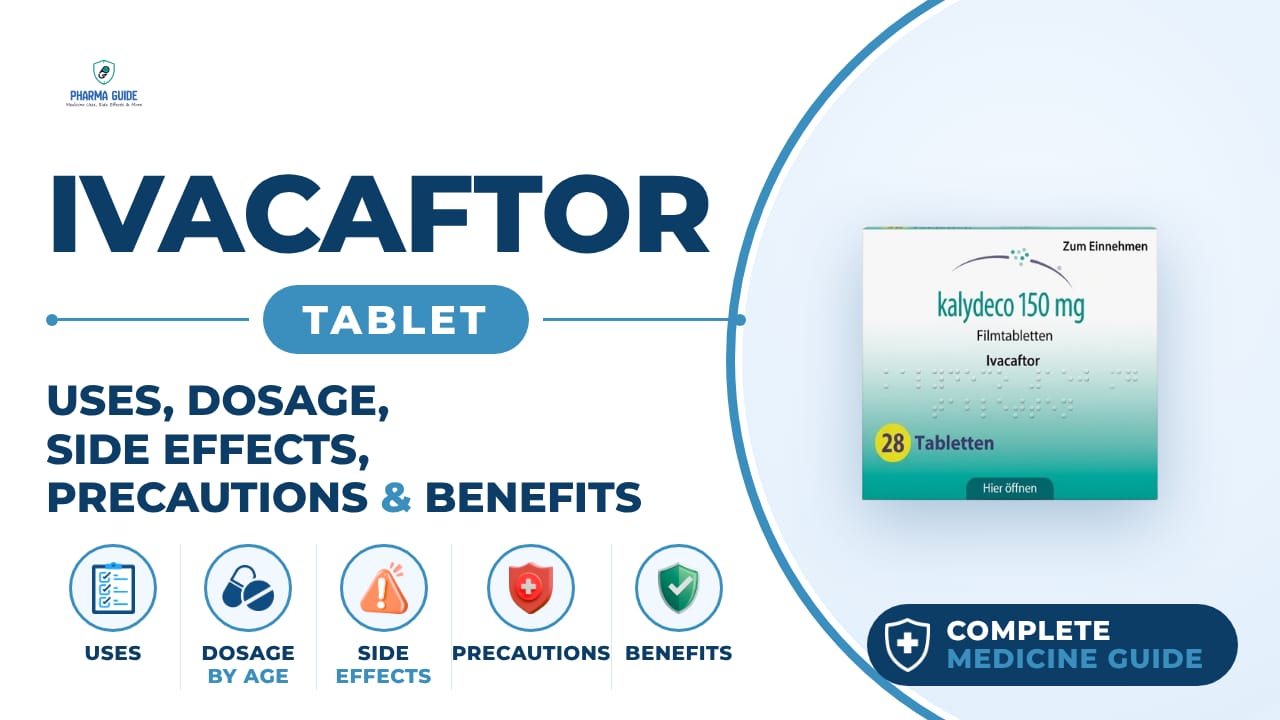
| Generic name | ivacaftor |
|---|---|
| Drug class | CFTR (cystic fibrosis transmembrane conductance regulator) potentiator |
| Forms | Film-coated tablets, Granules in sachets |
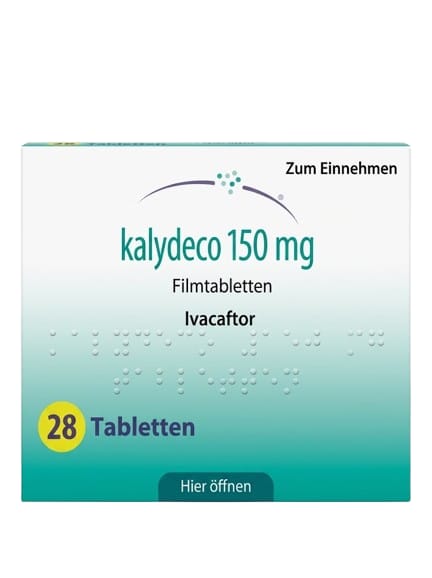
Quick overview
Ivacaftor Tablet (ivacaftor) is a prescription medicine belonging to the CFTR potentiator drug class. It is used to treat cystic fibrosis in people with specific CFTR gene mutations, often sold as Kalydeco and also combined with other medicines in products like Kaftrio. It works by helping the faulty CFTR protein function better, and it is taken by mouth with fatty food according to a specific dosing schedule.
What is Ivacaftor Tablet
Ivacaftor is a prescription medicine that targets the root cause of cystic fibrosis (CF) in people who have certain mutations in the CFTR gene. It is often sold under the brand name Kalydeco, and is also combined with other medicines (tezacaftor, elexacaftor) in products like Kaftrio.
Ivacaftor Tablet uses
- Treats cystic fibrosis (CF) in patients who have specific CFTR gene mutations (such as G551D, R117H, and other gating mutations)
- Used alone (monotherapy) for certain CFTR mutations
- Used together with tezacaftor/ivacaftor tablets for patients with two F508del mutations or F508del plus certain other mutations
- Used together with ivacaftor/tezacaftor/elexacaftor tablets for patients with at least one F508del mutation
Benefits of Ivacaftor Tablet
- Improves lung function and breathing
- Reduces the frequency of lung flare-ups (pulmonary exacerbations)
- May make it easier to gain weight
- May reduce how often you get sick
How Ivacaftor Tablet works
Ivacaftor helps the faulty CFTR protein in cells work better, so that chloride and salt can move properly across cell membranes. This helps reduce the thick, sticky mucus buildup in the lungs and other organs that is typical of cystic fibrosis.
Ivacaftor Tablet dosage
Take by mouth with food that contains fat, such as eggs, cheese, whole milk, or nuts, to help your body absorb the medicine. Take the morning and evening doses about 12 hours apart. Swallow tablets whole; do not chew, crush, or break them. Avoid food or drinks containing grapefruit while taking this medicine.
If you miss a dose and remember within 6 hours, take it and continue your normal schedule; if more than 6 hours have passed, skip the missed dose and take your next dose at the usual time. Do not take a double dose to make up for a missed one. Keep taking this medicine regularly unless your doctor tells you to stop.
Granule forms should be mixed with soft food or liquid and used right away or within one hour.
| Age group | Dose |
|---|---|
| Under 18 years | Not recommended |
| 18–64 years | 150 mg, twice/day |
| 65+ years | 150 mg, twice/day |
Available forms and strengths
- Film-coated tablets
- Granules in sachets
Side effects of Ivacaftor Tablet
Common
- Headache
- Dizziness
- Upper respiratory tract infection (common cold)
- Sore throat
- Nasal congestion or runny nose
- Stomach or abdominal pain
- Diarrhea
- Nausea
- Rash
- Acne
- Itchy skin
- Flu-like symptoms
- Low blood sugar
- Ear pain, ringing in the ears, or other ear discomfort
- Wind (flatulence)
- Breast mass
Serious
- Liver problems (pain in upper right stomach area, yellowing of skin or eyes, loss of appetite, nausea or vomiting, dark urine)
- Increased pressure around the brain (severe headache, blurry vision, change in vision, nausea, vomiting)
- Allergic reactions (skin rash, itching, hives, swelling of face, lips, tongue, or throat)
- Changes in vision or cataracts (cloudiness of the eye lens) in children and adolescents
- Low mood, depression, or changes in behavior, including suicidal thoughts
- Increased blood pressure
Warnings and precautions
- This medicine can cause liver damage, which in rare cases has been serious enough to require a liver transplant, especially in people with pre-existing severe liver disease. Some patients have experienced low mood, depression, or behavior changes, usually within the first three months of starting treatment. Cases of eye lens clouding (cataracts) have been reported in children and teenagers taking this medicine, though it hasn't affected vision in these cases.
- Avoid grapefruit and grapefruit juice while taking this medicine, since it can increase the amount of medicine in your blood and raise the risk of side effects. This medicine is not recommended for people who have had an organ transplant, since it has not been studied in that group. Women using hormonal birth control who take this medicine (in combination with tezacaftor/elexacaftor) may be more likely to develop a rash.
- It is generally recommended to avoid this medicine during pregnancy unless your doctor decides the benefits outweigh the risks for you and your baby. Small amounts of this medicine can pass into breast milk, and it isn't known if this could affect a nursing baby. Your doctor will help you decide whether to breastfeed or take this medicine.
- People with severe kidney problems should use this medicine with caution, as advised by their doctor. Tell your doctor if you have liver problems, as your dose may need to be lowered or treatment may need to be stopped. Your doctor will check your liver with blood tests before and during treatment.
- Drinking alcohol while taking this medicine can increase the risk of dizziness or fainting. This medicine can cause dizziness. Do not drive, cycle, or use machines if you feel dizzy or until you know how the medicine affects you.
Storage
- Keep out of the sight and reach of children
- Do not use after the expiry date on the carton or blister
- This medicine does not require any special storage conditions
- Do not throw away medicines via wastewater or household waste; ask your pharmacist how to dispose of medicines you no longer need
When to see a doctor
- Get medical help right away if you notice signs of liver problems, such as pain in the upper right belly, yellowing of the skin or eyes, loss of appetite, nausea, vomiting, or dark urine.
- Seek help immediately if you have symptoms of increased pressure in the brain, such as a severe headache, blurred or changed vision, nausea, or vomiting.
- Get emergency help if you have an allergic reaction, such as a skin rash, itching, hives, or swelling of the face, lips, tongue, or throat.
- Contact your doctor right away if you notice any changes in your eyesight.
- Talk to your doctor as soon as possible if you or someone taking this medicine shows low mood, anxiety, or sudden changes in behavior, especially within the first few months of treatment.
- If you think you have taken too much of this medicine, contact a poison control center or go to an emergency room right away.
Alternatives
- Trikafta
- Symdeko
- Orkambi
Watch the video
FAQs
What is Ivacaftor Tablet used for?
It treats cystic fibrosis in patients with specific CFTR gene mutations, used alone or combined with other medicines like tezacaftor or elexacaftor depending on the mutation type.
How should I take Ivacaftor Tablet?
Take it by mouth with fatty food, such as eggs, cheese, whole milk, or nuts, with morning and evening doses about 12 hours apart. Swallow tablets whole and avoid grapefruit or grapefruit juice.
What should I do if I miss a dose of Ivacaftor Tablet?
If you remember within 6 hours, take the missed dose and continue your normal schedule. If more than 6 hours have passed, skip it and take your next dose at the usual time without doubling up.
What are the serious side effects of Ivacaftor Tablet?
Serious side effects include liver problems, increased pressure around the brain, allergic reactions, vision changes or cataracts in children, low mood or depression, and increased blood pressure.
Can I drink alcohol while taking Ivacaftor Tablet?
Drinking alcohol while taking this medicine can increase the risk of dizziness or fainting, so caution is advised, especially when driving or using machines.
General information, not medical advice
Your prescriber and the leaflet in your pack know your situation. This page does not.
- Follow your prescriber and the leaflet
- Don't start, stop, or change a dose on your own
- Doses and warnings differ by country and product
Sources
Video
Related medicines

Injectafer Injection: Uses, Dosage, Side Effects, Precautions and Alternates
Iron products
Injectafer (ferric carboxymaltose) treats iron deficiency anemia and heart failure-related iron deficiency via IV. Learn uses, dosage, side effects, and

Gliclazide Tablet: Uses, Dosage, Side Effects, Precautions and Alternates
Sulfonylurea (hypoglycemic/antidiabetic agent)
Gliclazide Tablet is a sulfonylurea for type 2 diabetes that boosts insulin release. Learn about dosage, side effects, warnings, and precautions.