
Safety
General information, not medical advice
Your prescriber and the leaflet in your pack know your situation. This page does not.
- Follow your prescriber and the leaflet
- Don't start, stop, or change a dose on your own
- Doses and warnings differ by country and product
Ivermectin Tablet: Uses, Dosage, Side Effects, Precautions and Alternates
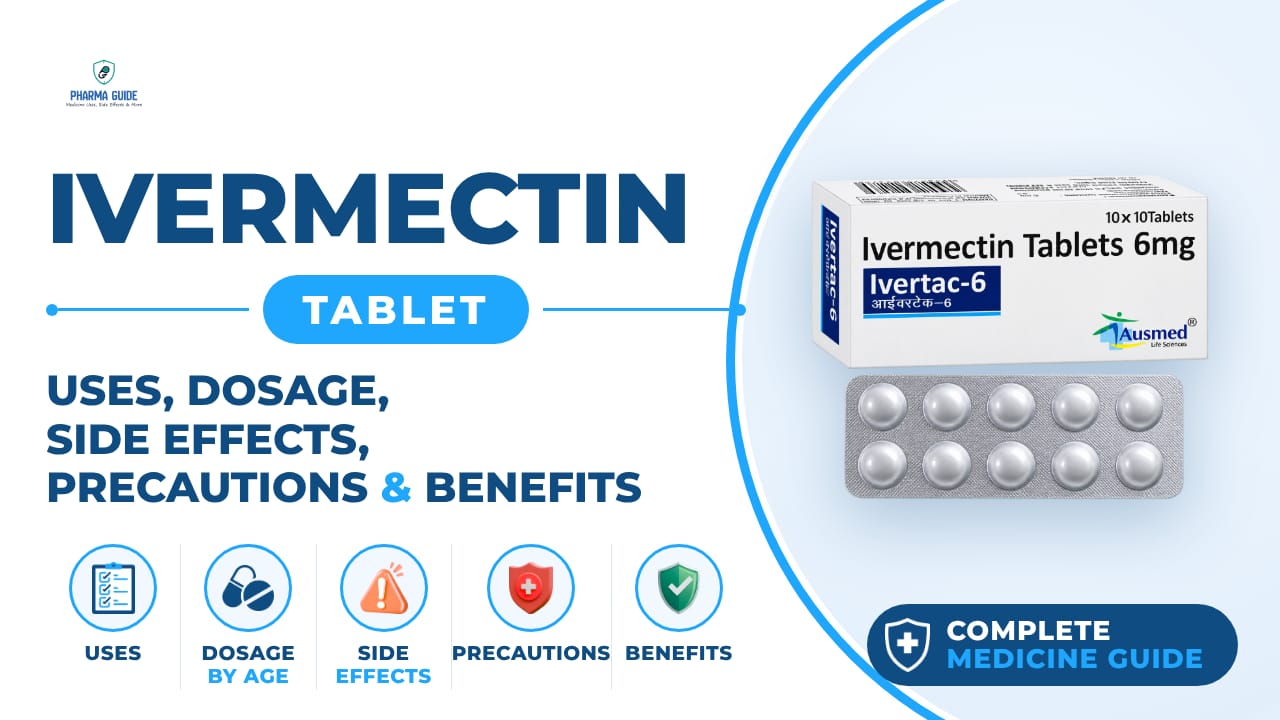
| Generic name | ivermectin |
|---|---|
| Drug class | Anthelmintics |
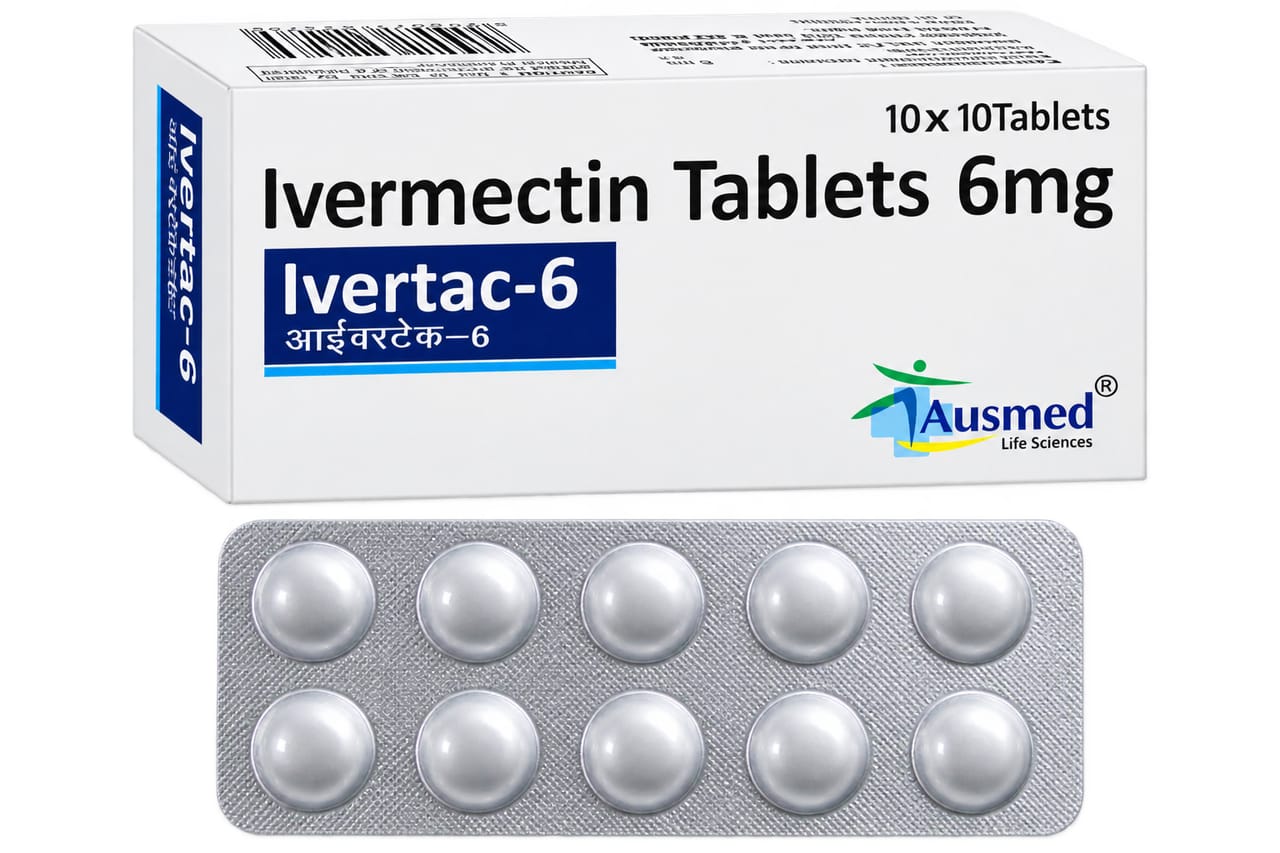
| Forms | Tablet |
Quick overview
Ivermectin Tablet is an anti-parasite medicine belonging to the Anthelmintics drug class. It is used to treat parasitic diseases such as intestinal threadworm infections and river blindness, and is sometimes used off-label for scabies and other parasites. It works by paralyzing and killing parasites, and is usually taken as a single dose on an empty stomach.
What is Ivermectin Tablet
Ivermectin is an anti-parasite medicine used to treat parasitic diseases, including parasitic worms and certain other parasites. It is a semisynthetic medicine made from a class of substances called avermectins.
Ivermectin Tablet uses
- Treating strongyloidiasis (an intestinal threadworm infection)
- Treating onchocerciasis (river blindness)
- Off-label use for scabies and other parasites (tablets)
Benefits of Ivermectin Tablet
- Can clear intestinal threadworm infections with a single dose in many patients
- Reduces skin and eye parasite counts in river blindness, with effects lasting for months after one dose
How Ivermectin Tablet works
Ivermectin works by attaching to certain channels in the nerve and muscle cells of parasites, which causes paralysis and death of the parasite. It does not affect humans the same way because it does not easily enter the human brain where these channels are found.
Ivermectin Tablet dosage
Take on an empty stomach, at least 1 hour before or 2 hours after a meal. Swallow the tablet with a full glass of water. It is usually given as a single dose, but your doctor may have you take another dose several months to a year later. People with a weakened immune system may need repeated doses on a regular schedule as directed by a doctor. Follow-up stool tests are often needed to confirm the infection has cleared. Do not take more than prescribed or for longer than your doctor recommends.
| Age group | Dose |
|---|---|
| Under 5 years | Not routinely recommended |
| 5–11 years | 200 mcg/kg as a single dose |
| 12–17 years | 200 mcg/kg as a single dose |
| Adults ≥18 years | 200 mcg/kg as a single dose |
Available forms and strengths
- Tablet
Side effects of Ivermectin Tablet
Common
- Headache
- Muscle aches
- Dizziness
- Nausea
- Diarrhea
- Mild skin rash
Serious
- Signs of allergic reaction: hives, difficulty breathing, swelling of face, lips, tongue, or throat
- Eye pain or redness, puffy eyes, vision problems
- Severe skin rash, itching, or rash with pus
- Confusion, change in mental status, extreme drowsiness, coma, balance problems, trouble walking
- Fever, swollen glands, stomach pain, joint pain, swelling in hands or feet
- Fast heart rate, trouble breathing
- Loss of bladder or bowel control
- Neck or back pain, seizures
- Light-headed feeling like you might pass out
Warnings and precautions
- Ivermectin should not be used during pregnancy because animal studies suggest it may harm an unborn baby.
- Ivermectin can pass into breast milk and may harm a nursing baby, so tell your doctor if you are breastfeeding.
- Tell your doctor if you have kidney disease, since this may affect whether ivermectin is safe for you.
- Tell your doctor if you have liver disease, since this may affect whether ivermectin is safe for you.
- Drinking alcohol can increase certain side effects of this medicine.
- This medicine may make you feel dizzy, so be careful with activities that require alertness, such as standing up quickly or using stairs.
- Do not take ivermectin products meant for animals; these are much more concentrated and can cause overdose in humans.
- Ivermectin is not approved and has not been shown to be effective for treating or preventing COVID-19.
- People being treated for river blindness may experience allergic-type reactions affecting the skin, eyes, or whole body as the parasites die.
- This medicine may cause serious brain and nerve problems, including confusion or loss of consciousness.
- People with heavy Loa loa parasite infection who are also treated for river blindness may rarely develop a serious, sometimes fatal, brain condition.
- You will need follow-up stool exams after treatment to confirm the infection is gone, and you may need another dose.
Storage
- Store this medicine at room temperature away from moisture and heat.
- Store the medicine in a closed container at room temperature, away from heat, moisture, and direct light. Keep from freezing.
- Keep out of the reach of children.
- Do not keep outdated medicine or medicine no longer needed.
- Ask your healthcare professional how you should dispose of any medicine you do not use.
- Store at temperatures below 30°C (86°F).
When to see a doctor
- Get emergency help right away if you have signs of an allergic reaction such as hives, trouble breathing, or swelling of the face, lips, tongue, or throat.
- Call your doctor right away if you have eye pain or redness, puffy eyes, or vision problems.
- Call your doctor right away if you have confusion, changes in mental state, extreme drowsiness, coma, balance problems, or trouble walking.
- Call your doctor right away if you have fever, swollen glands, stomach pain, joint pain, or swelling in your hands or feet.
- Call your doctor right away if you have a fast heart rate or trouble breathing.
- Call your doctor right away if you lose control of your bladder or bowels.
- Call your doctor right away if you have neck or back pain or a seizure.
- Call your doctor right away if you feel light-headed, like you might pass out.
- Get emergency medical help right away if you experience symptoms of overdose, such as confusion, decreased awareness, or severe sleepiness.
Alternatives
- Albenza (albendazole)
- Stromectol
- Albendazole
Watch the video
FAQs
What is Ivermectin Tablet used for?
It is used to treat strongyloidiasis (intestinal threadworm infection) and onchocerciasis (river blindness), and is sometimes used off-label for scabies and other parasites.
How should Ivermectin Tablet be taken?
Take it on an empty stomach, at least 1 hour before or 2 hours after a meal, swallowed with a full glass of water. It is usually given as a single dose, though another dose may be needed later or on a regular schedule for people with weakened immune systems.
What is the dosage of Ivermectin Tablet?
For people aged 5 years and older, including adults, the dose is 200 mcg/kg given as a single dose. It is not routinely recommended for children under 5 years.
What are the common side effects of Ivermectin Tablet?
Common side effects include headache, muscle aches, dizziness, nausea, diarrhea, and mild skin rash.
Can Ivermectin Tablet be used during pregnancy?
No, it should not be used during pregnancy because animal studies suggest it may harm an unborn baby.
General information, not medical advice
Your prescriber and the leaflet in your pack know your situation. This page does not.
- Follow your prescriber and the leaflet
- Don't start, stop, or change a dose on your own
- Doses and warnings differ by country and product
Sources
- https://www.drugs.com/ivermectin.html
- https://www.mayoclinic.org/drugs-supplements/ivermectin-oral-route/description/drg-20064397
- FDA prescribing information - Ivermectin Tablets, USP (Advagen Pharma Ltd)
Video
Related medicines

Injectafer Injection: Uses, Dosage, Side Effects, Precautions and Alternates
Iron products
Injectafer (ferric carboxymaltose) treats iron deficiency anemia and heart failure-related iron deficiency via IV. Learn uses, dosage, side effects, and

Gliclazide Tablet: Uses, Dosage, Side Effects, Precautions and Alternates
Sulfonylurea (hypoglycemic/antidiabetic agent)
Gliclazide Tablet is a sulfonylurea for type 2 diabetes that boosts insulin release. Learn about dosage, side effects, warnings, and precautions.