Keflex Capsule: Uses, Dosage, Side Effects, Precautions and Alternates
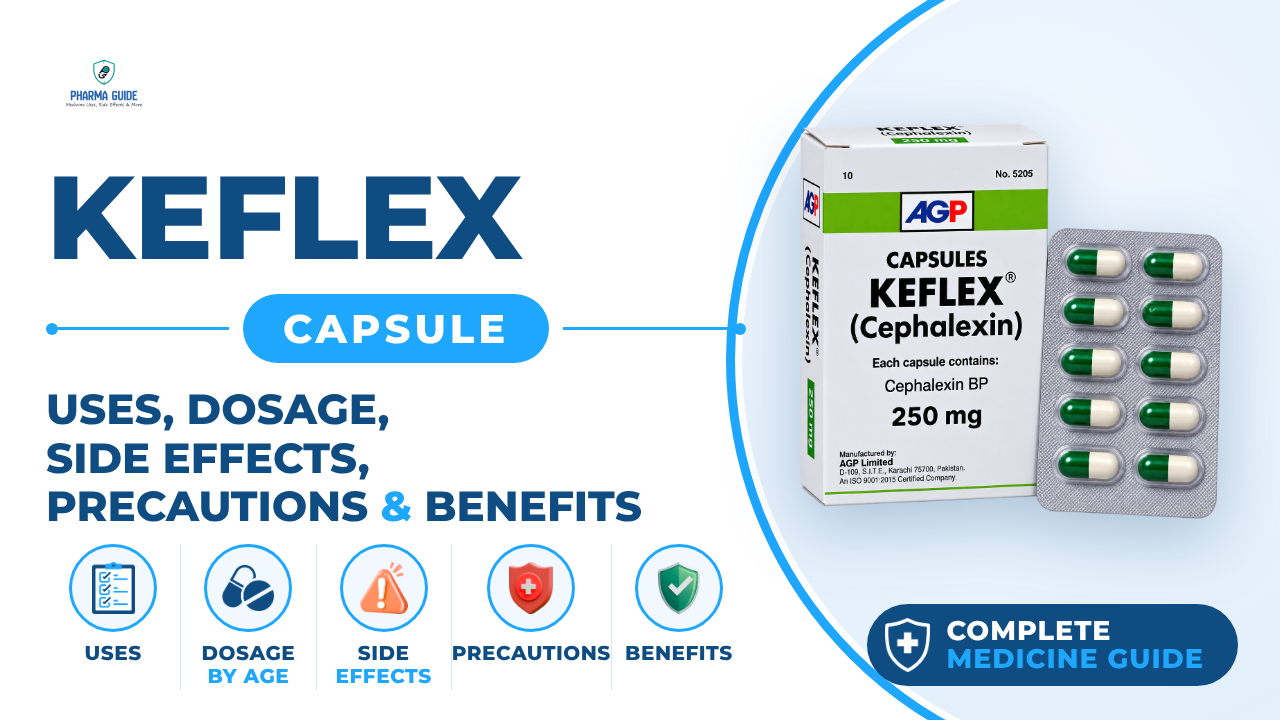
| Generic name | Cephalexin |
|---|---|
| Drug class | First generation cephalosporins |
| Forms | Capsule, Tablet |
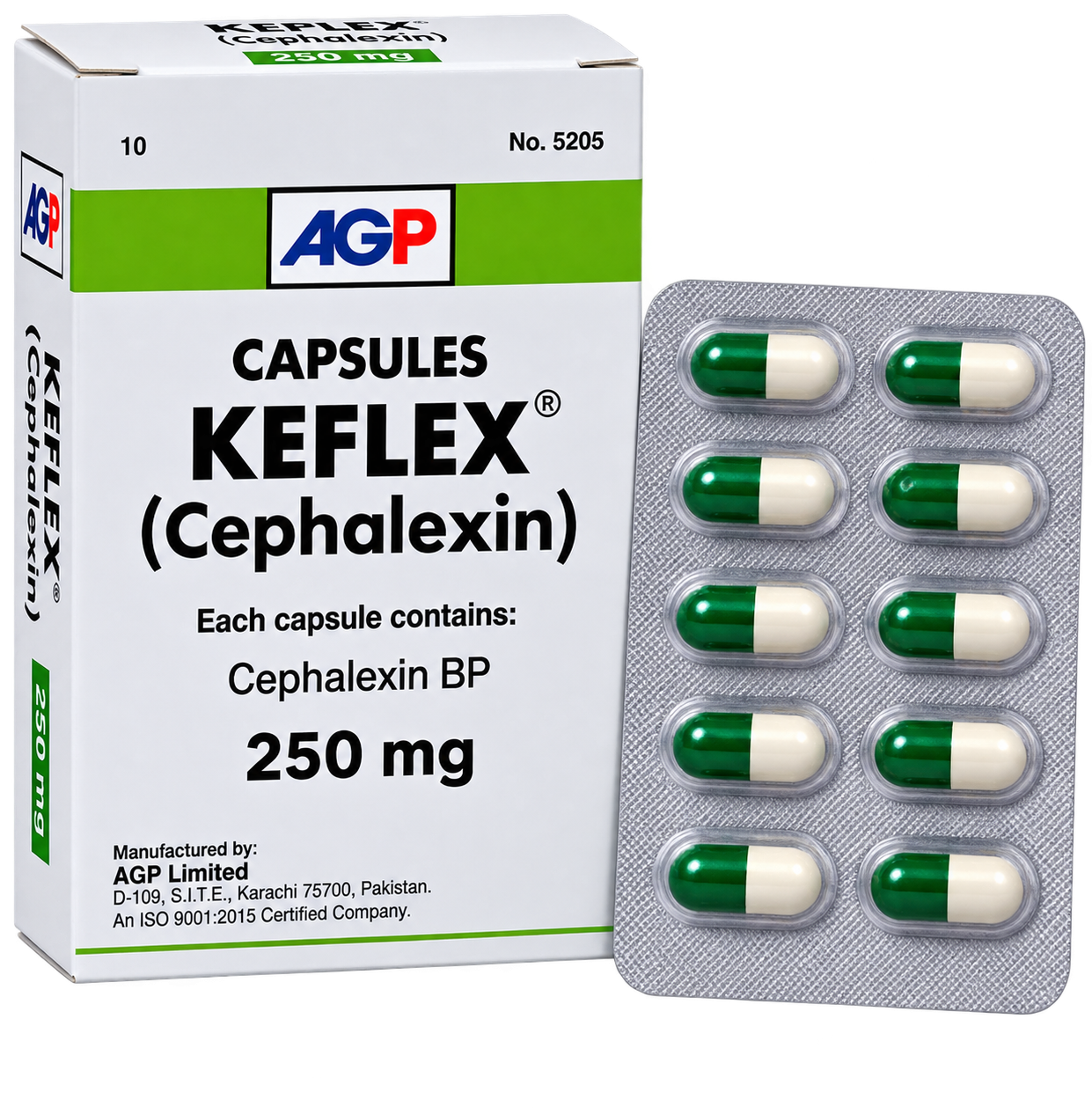
Quick overview
Keflex Capsule (generic name cephalexin) is a first generation cephalosporin antibiotic used to treat bacterial infections such as respiratory infections, ear infections, skin infections, urinary tract infections, and bone infections. It works by stopping bacteria from building their cell wall, which kills the bacteria and stops the infection from spreading. It will not treat viral infections such as the common cold or flu. Keflex should be taken exactly as prescribed by a doctor or pharmacist.
What is Keflex Capsule
Keflex is a cephalosporin antibiotic. It is used to treat infections caused by bacteria, including upper respiratory infections, ear infections, skin infections, urinary tract infections and bone infections. It will not treat a viral infection such as the common cold or flu.
Keflex Capsule uses
- Treats bacterial infections such as skin infections, respiratory tract infections and urinary tract infections
- Treats upper respiratory infections
- Treats ear infections
- Treats urinary tract infections
- Treats bone infections
- Treats sore throat (pharyngitis/tonsillitis)
- Treats pneumonia
- Helps prevent the spread of infection and reduce the risk of complications
Benefits of Keflex Capsule
- Fights bacteria that cause infection
- Helps relieve symptoms linked to bacterial infections
- Can be taken with or without food
How Keflex Capsule works
Keflex works by stopping bacteria from building their cell wall. This weakens and breaks the cell wall, which stops the bacteria from multiplying and kills them.
Keflex Capsule dosage
Take Keflex exactly as prescribed by your doctor and follow all directions on your prescription label. Use this medicine for the full prescribed length of time, even if your symptoms quickly improve. Swallow the capsule whole with a full glass of water. Do not crush or chew the capsule; swallow it whole. Cephalexin can be taken with or without food, but taking it with food may reduce stomach upset. Take this medicine at around the same time every day to help you remember. Do not share Keflex with another person, even if they have the same symptoms. Dairy products may lower the absorption of cephalexin; it is recommended to take the medicine 1 to 2 hours before or after dairy. Take multivitamins or iron supplements that contain minerals at least a few hours apart from this medicine.
| Age group | Dose |
|---|---|
| Under 1 year | Weight-based dosing; use only as prescribed |
| 1–11 years | 25–50 mg/kg/day, divided into 2–4 doses |
| 12–17 years | If adult-sized: 250–500 mg every 6 hours |
| 18–64 years | 250–500 mg every 6 hours |
| 65+ years | Adult dose; adjust for kidney impairment |
Available forms and strengths
- Capsule
- Tablet
Side effects of Keflex Capsule
Common
- Diarrhea
- Nausea and vomiting
- Indigestion or stomach pain
- Vaginal itching or discharge
- Dizziness
- Skin rash or itching
- Fatigue
- Joint pain
- Headache
- Loss of appetite
Serious
- Signs of an allergic reaction such as hives, difficult breathing, swelling in your face or throat
- Severe skin reaction with fever, sore throat, burning eyes, skin pain, red or purple skin rash with blistering and peeling
- Severe stomach pain, diarrhea that is watery or bloody (even if it occurs months after your last dose)
- Unusual tiredness, feeling light-headed or short of breath
- Easy bruising, unusual bleeding, purple or red spots under the skin
- A seizure
- Pale skin, cold hands and feet
- Yellowed skin, dark colored urine
- Fever, weakness
- Pain in your side or lower back, painful urination
Warnings and precautions
- Do not use Keflex if you are allergic to cephalexin or similar antibiotics. Tell your doctor if you are allergic to any drugs, especially penicillins or other antibiotics.
- Take this medication for the entire length of time prescribed. Symptoms may get better before the infection is fully treated, and skipping doses can lead to resistant infection.
- Tell your doctor if you have kidney disease, liver disease, a stomach or intestinal disorder such as colitis, or diabetes.
- This medicine can affect the results of certain medical tests. Tell any doctor who treats you that you are using this medicine.
- Cephalexin may reduce the effectiveness of birth control pills, so alternative contraceptive methods are recommended.
- Antibiotic medicines can cause diarrhea, which may be a sign of a new infection. If you have watery or bloody diarrhea, call your doctor before using anti-diarrhea medicine.
- Keflex is considered to be safe to use during pregnancy, but you should always consult your doctor before taking this medicine.
- Keflex enters breast milk at low levels. Only take it after consulting a doctor, and watch your baby for symptoms such as diarrhea and stomach infection.
- Take Keflex with caution if you have kidney problems, as it may lead to kidney damage and worsen your condition. Your doctor may adjust the dose.
- Keflex may increase liver enzyme levels and cause liver swelling. If you have liver problems, use it with caution as it may worsen your condition. The dose should be adjusted based on your clinical condition.
- Alcohol should be avoided as it may increase the risk of certain side effects.
- Keflex may affect your driving ability as it can cause dizziness and drowsiness. Do not perform activities that need high mental alertness, such as driving or operating machines, after taking it.
Storage
- Store the tablets and capsules at room temperature away from moisture, heat, and light.
- Store the capsules in their original container, tightly sealed, below 25°C.
- Avoid storing the medication in the bathroom.
- Always check the expiration date before use and never use the medication past its expiry.
- Dispose of any unused or expired capsules responsibly; do not flush them or throw them in the trash. Ask your pharmacist or local waste disposal company for guidance.
- Keep out of the reach of children.
When to see a doctor
- Get emergency medical help if you have signs of an allergic reaction such as hives, difficult breathing, or swelling in your face or throat, or a severe skin reaction.
- If you develop severe diarrhea or allergic reactions, stop use and seek medical attention immediately.
- In case of a suspected overdose, seek emergency medical attention or call your local poison control center. Overdose symptoms may include nausea, vomiting, stomach pain, diarrhea, and blood in your urine.
Alternatives
- Cefpodoxime
- Cefdinir
- Amoxicillin
- Amoxicillin-Clavulanate
- Ceftriaxone
- Clindamycin
- Azithromycin
Watch the video
FAQs
What is Keflex Capsule used for?
Keflex is a cephalosporin antibiotic used to treat bacterial infections such as upper respiratory infections, ear infections, skin infections, urinary tract infections, bone infections, sore throat, and pneumonia. It will not treat viral infections like the common cold or flu.
How should I take Keflex Capsule?
Take Keflex exactly as prescribed, swallowing the capsule whole with a full glass of water without crushing or chewing it. It can be taken with or without food, though food may reduce stomach upset. Dairy products may lower absorption, so take it 1 to 2 hours before or after dairy.
Can Keflex Capsule be taken during pregnancy or breastfeeding?
Keflex is considered safe to use during pregnancy, but you should consult your doctor first. It also enters breast milk at low levels, so it should only be taken after consulting a doctor, while watching the baby for symptoms like diarrhea and stomach infection.
What are the common side effects of Keflex Capsule?
Common side effects include diarrhea, nausea and vomiting, indigestion or stomach pain, vaginal itching or discharge, dizziness, skin rash or itching, fatigue, joint pain, headache, and loss of appetite.
Does Keflex Capsule affect birth control pills?
Yes, cephalexin may reduce the effectiveness of birth control pills, so alternative contraceptive methods are recommended while taking it.
Sources
Video
Related medicines
Ampicillin Injection: Uses, Dosage, Side Effects, Precautions and Alternates
Penicillin antibiotic (aminopenicillin)
Ampicillin Injection is a penicillin antibiotic used for meningitis, pneumonia, septicemia, and more. Learn dosage, side effects, and warnings.

Azithromycin Tablet: Uses, Dosage, Side Effects, Precautions and Alternates
Macrolide antibiotic (azalide subclass)
Azithromycin Tablet is a macrolide antibiotic used for bacterial infections like Chlamydia and MAC. Learn its uses, dosage, side effects, and precautions.