
Safety
General information, not medical advice
Your prescriber and the leaflet in your pack know your situation. This page does not.
- Follow your prescriber and the leaflet
- Don't start, stop, or change a dose on your own
- Doses and warnings differ by country and product
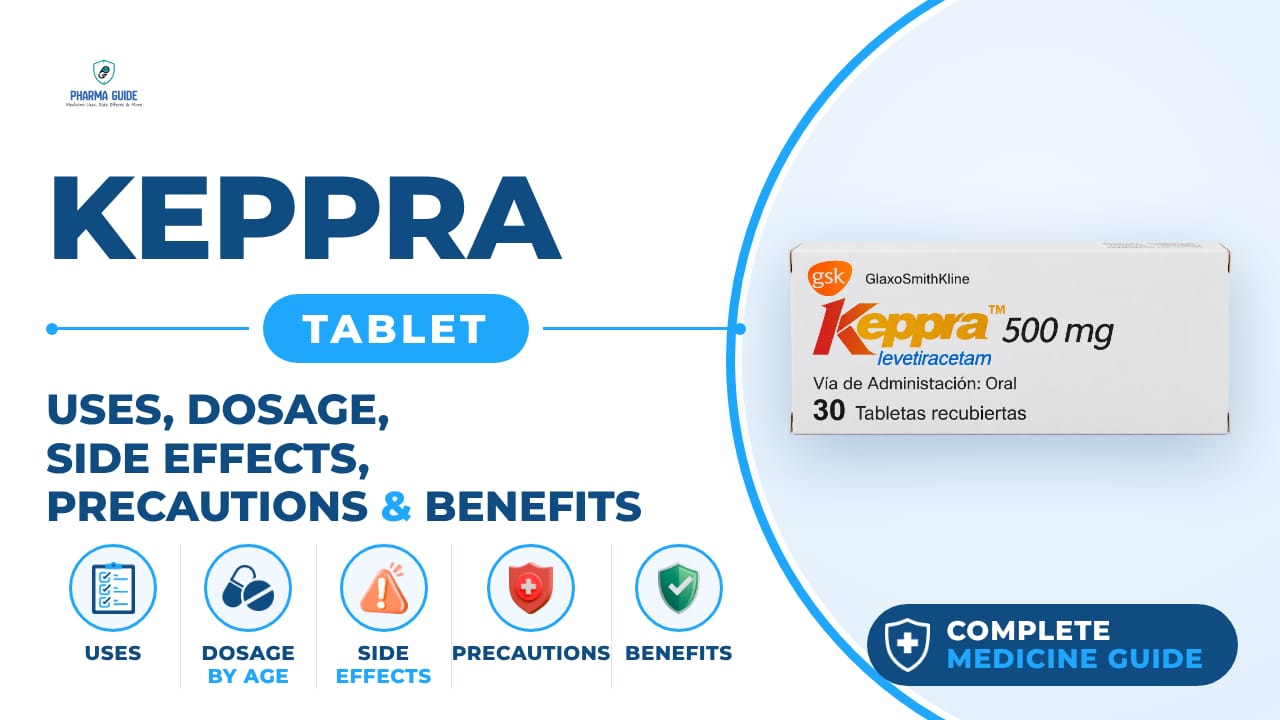
Keppra Tablet: Uses, Dosage, Side Effects, Precautions and Alternates
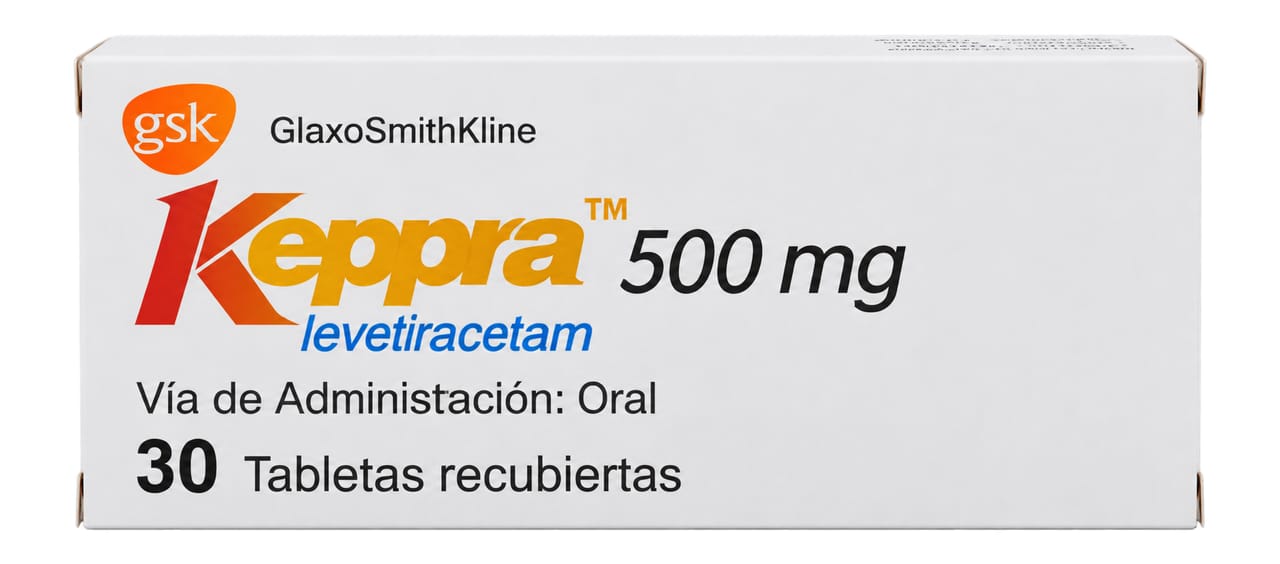
| Generic name | Levetiracetam |
|---|---|
| Drug class | Antiepileptic drug |
| Forms | Oral tablet, Oral solution, Intravenous (IV) injection/concentrate for infusion |
Quick overview
Keppra Tablet contains the active ingredient levetiracetam, an antiepileptic drug. It is a prescription medicine used to help control epilepsy, a condition in which disturbed nerve cell activity in the brain causes repeated seizures ranging from mild to severe. Keppra can be used alone or together with other antiepileptic medicines and is available in tablet, oral solution, and intravenous forms.
What is Keppra Tablet
Keppra is a prescription medicine containing the active ingredient levetiracetam. It is used to help control epilepsy, a condition in which nerve cell activity in the brain is disturbed, causing repeated seizures (fits) that can range from mild to severe.
Keppra Tablet uses
- Controls epilepsy in adults and adolescents (partial onset seizures, with or without secondary generalisation), used alone or added to other antiepileptic medicines
- Used as add-on therapy for partial onset seizures in adults, adolescents, children and infants from 1 month of age
- Used as add-on therapy for myoclonic seizures in adults and adolescents from 12 years of age with Juvenile Myoclonic Epilepsy
- Used as add-on therapy for generalized tonic-clonic (grand mal) seizures in adults and adolescents from 6 years of age (or 12 years depending on the source) with idiopathic generalized epilepsy
Benefits of Keppra Tablet
- Helps reduce the number and severity of seizures
- Can be used on its own (monotherapy) or together with other antiepileptic medicines
- Available in multiple forms (tablets, oral solution, IV injection) to suit different patients, including children
How Keppra Tablet works
Levetiracetam is thought to work by binding to a protein in the brain involved in the release of chemical messengers between nerve cells, which may help reduce abnormal electrical activity and prevent seizures. Researchers do not fully understand its exact mechanism.
Keppra Tablet dosage
Take Keppra twice a day, about the same time each day, usually once in the morning and once in the evening. It can be taken with or without food. Swallow tablets whole with a glass of water; do not crush, cut, or chew them. If you have difficulty swallowing tablets, your doctor may prescribe the oral solution instead.
Continue taking the medicine every day, even if you feel well, for as long as your doctor tells you to. Do not stop taking this medicine or change the dose without checking with your doctor, as stopping suddenly can cause unwanted side effects or worsen your condition. If you miss a dose, contact your doctor for guidance; do not take a double dose to make up for a missed one. Children should not ride a bike, climb trees, or do other risky activities if they feel dizzy or drowsy.
| Age group | Dose |
|---|---|
| Under 1 Month | Use only if prescribed by a specialist |
| 1 Month–4 Years | Dose based on body weight and medical condition; adjusted by doctor |
| 4–16 Years | Initial dose: 10 mg/kg twice daily; adjusted based on response |
| Adults (16–64 Years) | Initial dose: 500 mg twice daily; maintenance commonly 1000–3000 mg/day |
| Older Adults (65+ years) | Lower starting dose may be required; adjusted based on kidney function |
Available forms and strengths
- Oral tablet
- Oral solution
- Intravenous (IV) injection/concentrate for infusion
Side effects of Keppra Tablet
Common
- Dizziness
- Forgetfulness
- Loss of concentration
- Headache
- Rash, itchy and dry skin
- Common cold
- Upset stomach, diarrhoea
- Blurred vision
- Muscle pain
- Feeling tired, drowsy or sleepy
- Feeling weak
- Loss of appetite
- Cough
- Nausea or vomiting
- Weight loss or weight gain
- Hair loss
Serious
- Feelings of depression, mood changes such as nervousness, aggression, anger, anxiety, confusion, hallucination, irritability
- Thoughts of harming yourself or suicidal thoughts/behavior
- More frequent or more severe seizures
- Allergic reactions: shortness of breath, wheezing or difficulty breathing, swelling of the face, lips, tongue or other parts of the body, rash, itching or hives
- A combination of flu-like symptoms with widespread skin rash and/or high temperature (possible serious drug reaction)
- Problems with balance and coordination, including falling and difficulty with driving or operating machinery
- Serious skin reactions: rash, blisters, peeling
- Changes in blood cells, including low levels of certain white blood cells
- Signs of sudden kidney problems: low urine volume, tiredness, nausea, vomiting, confusion, swelling in legs/ankles/feet
- Unusual behavior, including psychosis or feeling detached from yourself
Warnings and precautions
- This medicine may increase the risk of suicidal thoughts or behavior. Seek medical advice right away if you notice signs of depression or thoughts of harming yourself.
- This medicine can cause behavior changes such as irritability and aggression. Tell your doctor if you or people around you notice significant changes in mood or personality.
- In rare cases, this medicine can make seizures worse rather than better, especially soon after starting or increasing the dose. Contact your doctor right away if your seizures increase.
- Do not stop taking this medicine suddenly without your doctor's advice, as this can cause seizures to return or worsen.
- This medicine has rarely been linked to sudden kidney injury, which can develop from a few days to several months after starting treatment.
- Rare cases of decreased blood cell counts have been reported, usually at the start of treatment. Your doctor may want to monitor your blood counts if you have unusual weakness, fever, or repeated infections.
- Talk to your doctor if you are pregnant or planning to become pregnant. Keppra may affect the developing baby, but uncontrolled seizures during pregnancy also carry risks, so your doctor will help weigh the risks and benefits.
- Talk to your doctor if you are breastfeeding or planning to breastfeed, as the medicine passes into breast milk and could affect the baby.
- People with kidney problems may need a lower dose, since the kidneys help remove this medicine from the body. Tell your doctor if you have kidney problems.
- No dose change is usually needed for mild to moderate liver problems, but people with severe liver impairment may need a lower dose because kidney function assessment becomes important in this group.
- Tell your doctor if you drink alcohol, since combining alcohol with this medicine may increase drowsiness.
- Be careful driving or using machinery until you know how this medicine affects you, as it can cause dizziness or drowsiness, especially when starting treatment or after a dose increase.
Storage
- Store below 25°C, in a cool, dry place away from sunlight
- Keep tablets in their original pack until it is time to take them
- Do not store in the bathroom, near a sink, in the car, or on windowsills
- Keep out of the sight and reach of children
- If you no longer need the medicine or it is out of date, take it to a pharmacy for safe disposal
- Do not use this medicine after the expiry date
When to see a doctor
- Get emergency help if you have signs of a severe allergic reaction, such as difficulty breathing, wheezing, or swelling of the face, lips, tongue, or throat.
- Seek medical help right away if you develop flu-like symptoms together with a rash, high fever, or swollen glands, as this could be a serious drug reaction.
- Get medical attention if you notice signs of sudden kidney problems, such as low urine output, tiredness, nausea, vomiting, confusion, or swelling in the legs, ankles, or feet.
- Seek urgent care for a skin rash with blistering or peeling, especially around the mouth, nose, eyes, or genitals, as this can be a serious skin reaction.
- Contact your doctor immediately if you notice confusion, unusual sleepiness, memory loss, abnormal behavior, or uncontrolled movements, as these could indicate a serious brain-related side effect.
- Notify your doctor right away if you notice an increase in seizures or have thoughts of harming yourself, or symptoms like depression, nervousness, aggression, anger, anxiety, confusion, hallucinations, or irritability.
- If you think you have taken too much of this medicine, seek urgent medical attention right away, even if you feel fine, by contacting your doctor or going to the nearest emergency department.
Alternatives
- Lamictal
- Dilantin
- Topiramate
Watch the video
FAQs
What is Keppra Tablet used for?
Keppra is used to help control epilepsy, a condition where disturbed nerve cell activity in the brain causes repeated seizures. It can be used alone or with other antiepileptic medicines to treat partial onset seizures, myoclonic seizures, and generalized tonic-clonic seizures depending on age and condition.
How should I take Keppra Tablet?
Keppra should be taken twice a day at about the same time, usually once in the morning and once in the evening, with or without food. Swallow tablets whole with water; do not crush, cut, or chew them. Continue taking it daily as directed and do not stop suddenly without your doctor's advice.
What are the common side effects of Keppra Tablet?
Common side effects include dizziness, forgetfulness, loss of concentration, headache, rash, upset stomach, diarrhoea, blurred vision, muscle pain, tiredness, weakness, loss of appetite, cough, nausea or vomiting, weight changes, and hair loss.
Can Keppra Tablet affect mood or behavior?
Yes, Keppra can cause behavior changes such as irritability and aggression, and it may increase the risk of suicidal thoughts or behavior. You should seek medical advice right away if you or people around you notice signs of depression or significant mood changes.
Is Keppra Tablet safe during pregnancy or breastfeeding?
You should talk to your doctor if you are pregnant, planning to become pregnant, or breastfeeding, as Keppra may affect the developing baby or passes into breast milk. Your doctor will help weigh the risks and benefits based on your individual situation.
General information, not medical advice
Your prescriber and the leaflet in your pack know your situation. This page does not.
- Follow your prescriber and the leaflet
- Don't start, stop, or change a dose on your own
- Doses and warnings differ by country and product
Sources
Video
Related medicines

Injectafer Injection: Uses, Dosage, Side Effects, Precautions and Alternates
Iron products
Injectafer (ferric carboxymaltose) treats iron deficiency anemia and heart failure-related iron deficiency via IV. Learn uses, dosage, side effects, and

Gliclazide Tablet: Uses, Dosage, Side Effects, Precautions and Alternates
Sulfonylurea (hypoglycemic/antidiabetic agent)
Gliclazide Tablet is a sulfonylurea for type 2 diabetes that boosts insulin release. Learn about dosage, side effects, warnings, and precautions.