
Safety
General information, not medical advice
Your prescriber and the leaflet in your pack know your situation. This page does not.
- Follow your prescriber and the leaflet
- Don't start, stop, or change a dose on your own
- Doses and warnings differ by country and product
Ketoconazole Shampoo: Uses, Dosage, Side Effects, Precautions and Alternates
| Generic name | Ketoconazole |
|---|---|
| Drug class | Antifungal |
| Forms | Shampoo |
Quick overview
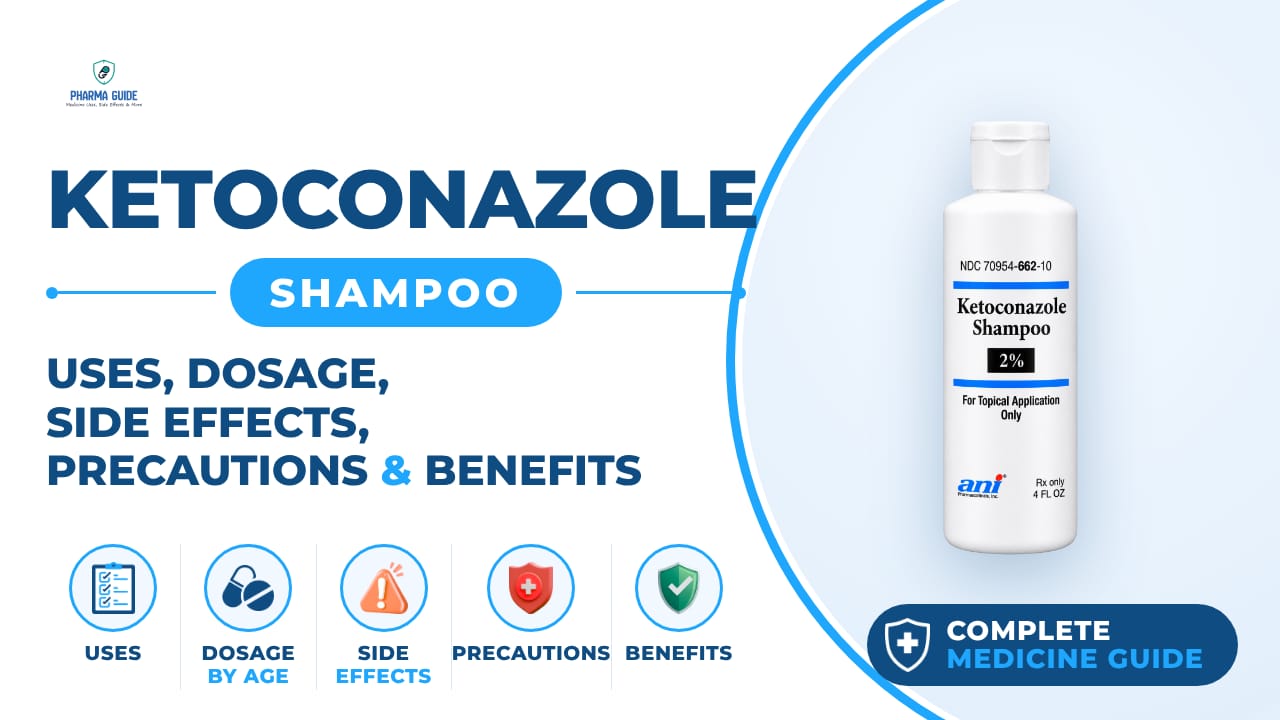
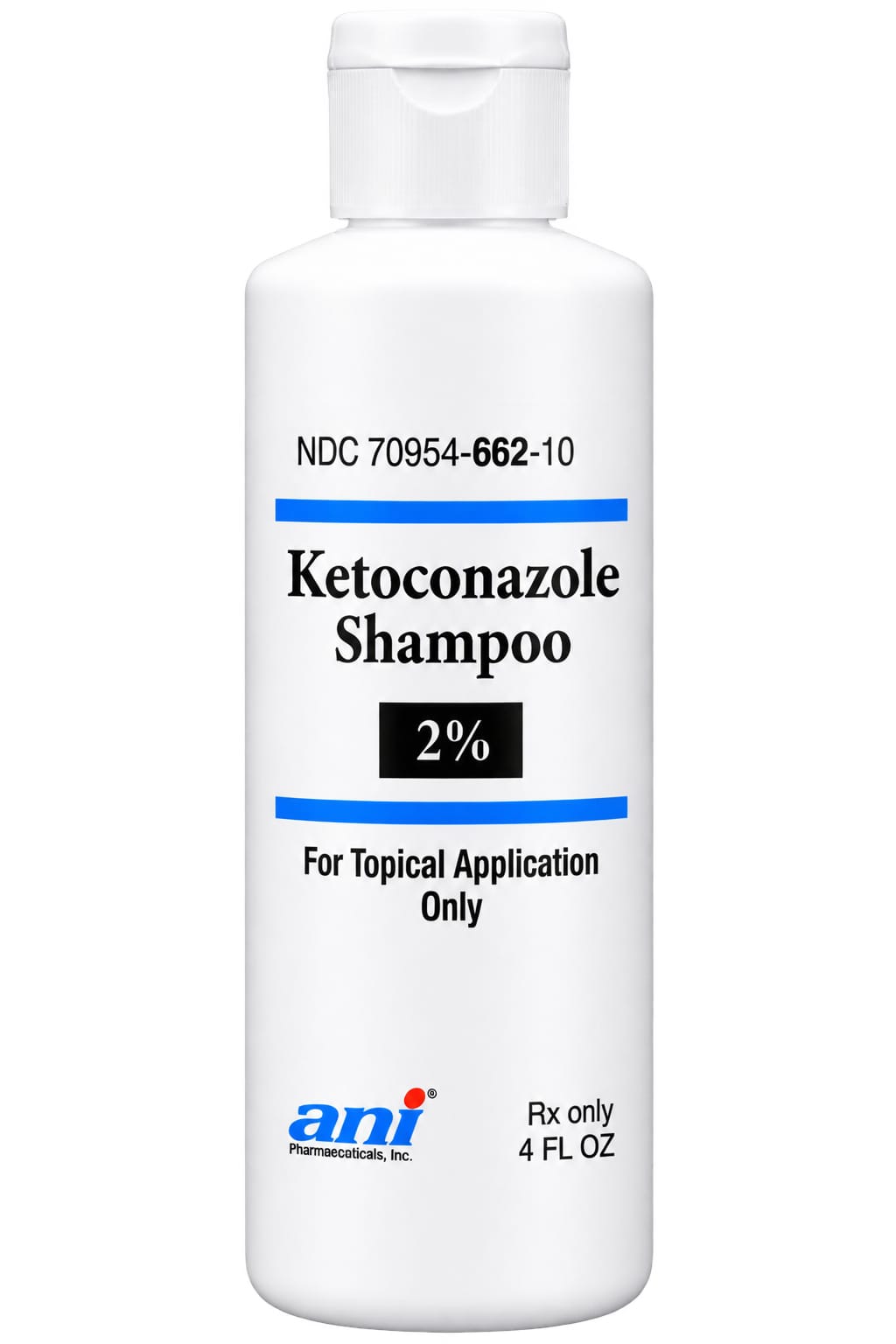
Ketoconazole Shampoo is a medicated antifungal shampoo, generic name ketoconazole, used to treat fungal or yeast infections on the skin and scalp. It comes as a red-orange liquid and is available both over the counter and by prescription, with the prescription version being stronger. It is commonly used for conditions like dandruff and seborrheic dermatitis, and belongs to the antifungal drug class.
What is Ketoconazole Shampoo
Ketoconazole shampoo is a medicated antifungal shampoo used to treat fungal or yeast infections on the skin and scalp. It comes as a red-orange liquid and is available both over the counter and by prescription, with the prescription version being stronger.
Ketoconazole Shampoo uses
- Seborrheic dermatitis and dandruff
- Psoriasis (as part of treatment for flares)
- Tinea capitis (a ringworm-like fungal infection of the scalp)
- Tinea versicolor (a fungal skin infection)
- May help promote hair growth or reduce hair loss, though more research is needed
Benefits of Ketoconazole Shampoo
- Reduces the fungus that can cause dandruff and scalp irritation
- Decreases inflammation linked to seborrheic dermatitis
- Can treat fungal infections without needing to take a pill
How Ketoconazole Shampoo works
Ketoconazole works by reducing an overgrowth of yeast fungus on the skin, which lowers inflammation and helps clear conditions like dandruff.
Ketoconazole Shampoo dosage
For external use only; do not swallow it. Wash your hands before and after use. Avoid getting the shampoo in your eyes; if this happens, rinse with plenty of cool tap water. Apply to wet hair or skin, lather well, and let it soak in before rinsing. On the scalp, you do not need to use regular shampoo after using this product. On skin other than the scalp, apply to the affected area and let it sit before washing off thoroughly with water, then dry the skin.
Use at the same time each day as directed, and do not use more often than directed. Use for the full course your care team recommends, even if you feel better, unless told to stop early. If you miss a dose, use it as soon as you remember, but do not double up if it's almost time for your next dose. Talk to a doctor before use in children, as special care may be needed.
| Age group | Dose |
|---|---|
| Under 12 Years | Use only if recommended by a healthcare professional |
| 12 Years and Above | Apply to wet scalp, leave for 3–5 minutes, then rinse; frequency depends on condition |
| Adults (18–64 Years) | Usually use 2–3 times weekly for dandruff/seborrheic dermatitis, then as maintenance |
Available forms and strengths
- Shampoo
Side effects of Ketoconazole Shampoo
Common
- Skin irritation, sometimes with pimple-like bumps
- Oiliness or dryness of hair or scalp
- Change in hair color or texture
- Dry skin
- Hair loss (usually not serious, but rare severe cases can occur)
- Loss of curl if hair has been permed
Serious
- Severe allergic reaction (anaphylaxis) with symptoms like wheezing, passing out, tight chest, hoarse voice, or difficulty swallowing
- Swelling of the face, lips, tongue, or throat
- Rash, hives, or severe itching
- Burning, crusting, or peeling of treated skin
- Shortness of breath
- Angioedema (swelling under the skin)
Warnings and precautions
- The effects of ketoconazole shampoo during pregnancy are not well studied. Talk to your doctor before using it, even the over-the-counter version, if you are pregnant.
- Ketoconazole shampoo is generally considered safe while breastfeeding, but you should avoid applying it to the breasts or nipples in case your infant swallows it.
- Do not use more frequently than recommended. Avoid applying to damaged or irritated scalp unless advised. Keep away from children unless specifically recommended. Store properly and avoid direct sunlight or excessive heat.
- Do not use this shampoo on children under 12 years old unless a pediatrician tells you to, since its safety in children has not been well studied.
- Children under 2 years old should avoid using the shampoo unless a doctor recommends it.
- If your hair has been permanently waved (permed), this shampoo may cause it to lose its curl.
- Anyone allergic to ketoconazole should not use this shampoo.
Storage
- Keep out of the reach of children and pets.
- Store at room temperature between 20 and 25 degrees C (68 and 77 degrees F). Protect from light. Get rid of any unused medication after the expiration date.
When to see a doctor
- Get medical help right away if you notice signs of an allergic reaction, such as severe itching, swelling of the face, tongue, or throat, difficulty breathing, rash, or dizziness.
- Talk with your doctor right away if you notice hair loss while using this shampoo.
- Seek emergency medical treatment right away if you swallow the shampoo.
- See a doctor if your symptoms do not improve after trying an over-the-counter version, or if you develop rash, shortness of breath, swelling under the skin, or other skin reactions.
Alternatives
- Selenium Sulfide Shampoo
- Zinc Pyrithione Shampoo
- Coal Tar Shampoo
Watch the video
FAQs
What is Ketoconazole Shampoo used for?
It is used to treat seborrheic dermatitis, dandruff, psoriasis flares, tinea capitis, and tinea versicolor. It may also help promote hair growth or reduce hair loss, though more research is needed.
How do you use Ketoconazole Shampoo?
Apply to wet hair or skin, lather well, and let it soak in before rinsing. On the scalp, regular shampoo is not needed afterward. For 12 years and above, apply to wet scalp, leave for 3–5 minutes, then rinse; adults typically use it 2–3 times weekly for dandruff or seborrheic dermatitis, then as maintenance.
What are the side effects of Ketoconazole Shampoo?
Common side effects include skin irritation, oiliness or dryness of hair or scalp, change in hair color or texture, dry skin, hair loss, and loss of curl if hair has been permed. Serious side effects include severe allergic reaction, swelling of the face, lips, tongue, or throat, rash, hives, burning or peeling of treated skin, shortness of breath, and angioedema.
Is Ketoconazole Shampoo safe to use during pregnancy or breastfeeding?
Its effects during pregnancy are not well studied, so you should talk to your doctor before using it, even the over-the-counter version, if pregnant. It is generally considered safe while breastfeeding, but avoid applying it to the breasts or nipples in case your infant swallows it.
Can children use Ketoconazole Shampoo?
It should not be used on children under 12 years old unless a pediatrician recommends it, and children under 2 years old should avoid it unless a doctor advises otherwise, since its safety in children has not been well studied.
General information, not medical advice
Your prescriber and the leaflet in your pack know your situation. This page does not.
- Follow your prescriber and the leaflet
- Don't start, stop, or change a dose on your own
- Doses and warnings differ by country and product
Sources
Video
Related medicines
Terbicip Tablet: Uses, Dosage, Side Effects, Precautions and Alternates
Antifungal
Terbicip Tablet contains terbinafine and treats fungal infections like athlete's foot, ringworm, jock itch, and nail infections. Know uses, dosage, and side
Ketoconazole Tablet: Uses, Dosage, Side Effects, Precautions and Alternates
Antifungal
Ketoconazole Tablet treats serious fungal infections but carries liver damage and heart rhythm risks. Learn uses, dosage, side effects, and warnings.