
Safety
General information, not medical advice
Your prescriber and the leaflet in your pack know your situation. This page does not.
- Follow your prescriber and the leaflet
- Don't start, stop, or change a dose on your own
- Doses and warnings differ by country and product
Lamivudine Tablet: Uses, Dosage, Side Effects, Precautions and Alternates
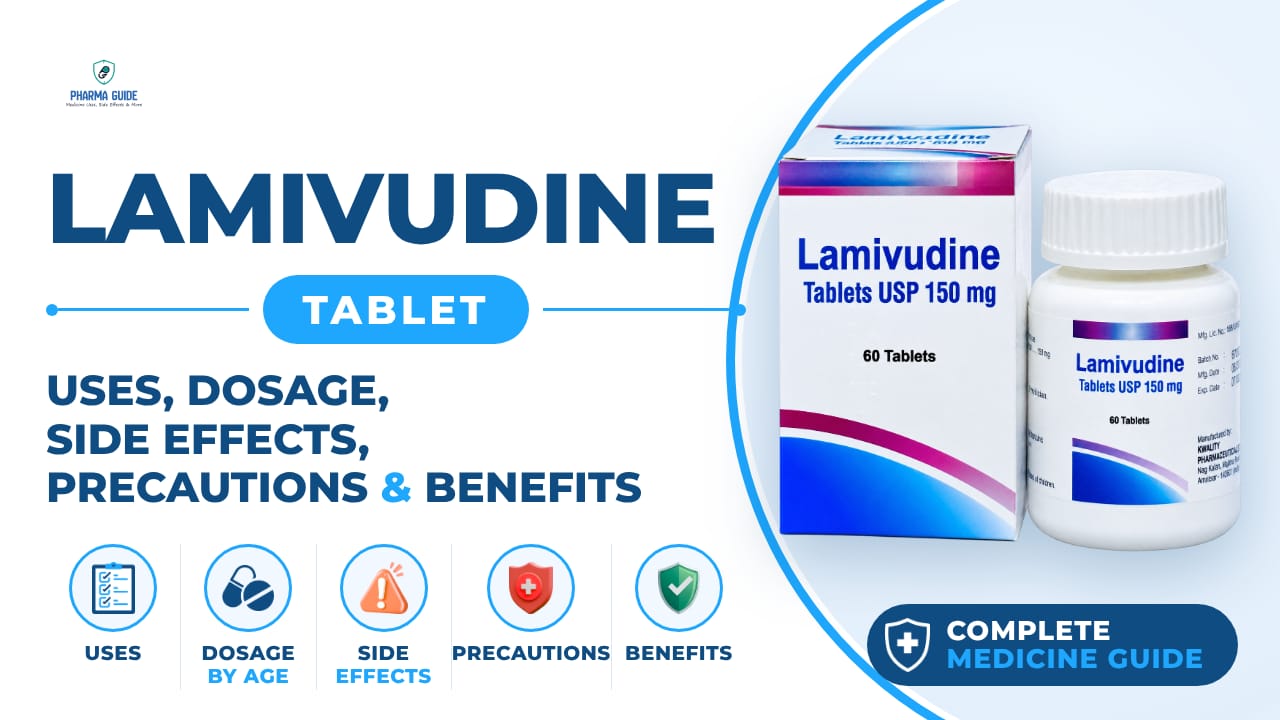
| Generic name | Lamivudine |
|---|---|
| Drug class | Nucleoside reverse transcriptase inhibitor (NRTI), a type of antiretroviral drug |
| Forms | Tablet, Oral solution (liquid) |
Quick overview
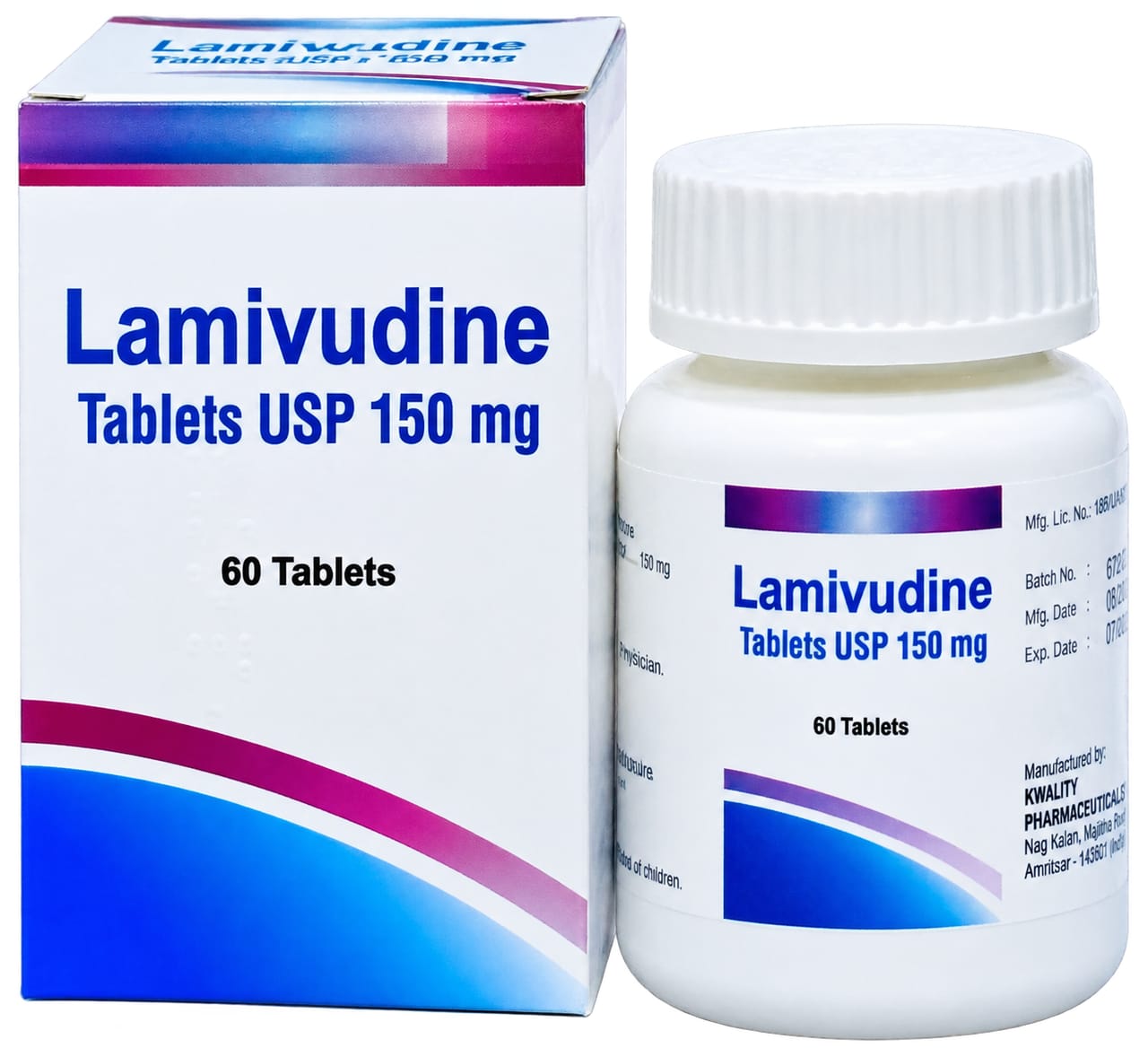
Lamivudine Tablet is a prescription antiviral medicine from the nucleoside reverse transcriptase inhibitor (NRTI) class. It is used along with other medicines to treat HIV infection and on its own to treat chronic hepatitis B virus infection. It does not cure HIV or hepatitis B but helps control the virus in the body. It is available as a tablet and as an oral solution.
What is Lamivudine Tablet
Lamivudine is a prescription antiviral medicine used along with other medicines to treat HIV infection, and also used on its own to treat long-term (chronic) hepatitis B virus infection. It does not cure HIV or hepatitis B, but helps control the virus.
Lamivudine Tablet uses
- Treatment of HIV infection (used in combination with other antiretroviral medicines)
- Treatment of chronic (long-term) hepatitis B virus (HBV) infection
Benefits of Lamivudine Tablet
- Helps keep HIV from reproducing and may slow down the destruction of the immune system
- May help delay the development of serious health problems related to AIDS or HIV disease
- Reduces the amount of hepatitis B or HIV virus in the body and helps increase infection-fighting white blood cells (CD4 cells) when used for HIV
How Lamivudine Tablet works
Lamivudine blocks an enzyme called reverse transcriptase that HIV and hepatitis B virus need in order to make copies of themselves. This slows down how fast the virus can spread in the body.
Lamivudine Tablet dosage
Take this medicine exactly as your doctor tells you, and do not change how much or how often you take it without checking with your doctor first. Keep taking this medicine for the full time your doctor prescribes, even if you start to feel better; do not stop without checking with your doctor first.
If you are prescribed the medicine for HIV, it must be taken together with other HIV medicines as part of a combination treatment plan, at the right times each day. Tablets can be swallowed whole with water or another liquid; do not chew the tablets, but they can be crushed or split if needed and mixed with a small amount of soft food or liquid and swallowed right away. It can be taken with or without food.
Try to take it at about the same time each day to help keep a steady level of medicine in your body. If using the oral liquid form, use a proper measuring spoon, dosing syringe, or medicine cup rather than a regular household spoon.
If you miss a dose, take it as soon as you remember, unless it is almost time for your next dose — in that case, skip the missed dose and go back to your normal schedule; never take two doses at once. Do not let your supply run out; contact your doctor or pharmacist ahead of time for a refill.
| Age group | Dose |
|---|---|
| Under 3 months | Specialist-directed |
| 3 months–11 years | Dose based on weight; maximum 300 mg/day |
| 12–17 years | Dose based on weight; maximum 300 mg/day |
| Adults ≥18 years | 300 mg once daily or 150 mg twice daily |
Available forms and strengths
- Tablet
- Oral solution (liquid)
Side effects of Lamivudine Tablet
Common
- Cough
- Diarrhea
- Fatigue/tiredness
- Headache
- General discomfort (malaise)
- Runny or stuffy nose
- Nausea
- Mild allergic reaction (such as mild rash)
- Belching
- Burning, tingling, numbness or pain in hands, arms, feet, or legs
- Depression
- Heartburn
- Indigestion
- Joint pain
- Sensation of pins and needles
- Sore throat
- Stabbing pain
- Stomach discomfort or upset
- Trouble sleeping
- Weight loss
- Hair loss or thinning hair
- Sweating
- Weight gain around the neck, upper back, breast, face, or waist
Serious
- Lactic acidosis (build-up of acid in the blood) — symptoms may include stomach pain, diarrhea, shallow or fast breathing, muscle pain, weakness, feeling cold or dizzy
- Severe liver enlargement with fatty liver
- Pancreatitis (inflammation of the pancreas) — symptoms may include stomach bloating, pain, nausea, vomiting, and tenderness in the stomach area
- Severe allergic reaction (anaphylaxis) — sudden or severe rash, breathing problems, hives, swelling of face, lips, tongue, or throat
- Liver disease — dark urine, loss of appetite, fatigue, yellowing of skin or eyes, nausea, stomach tenderness
- Immune reconstitution syndrome — return or worsening of past infections (such as pneumonia or tuberculosis) as the immune system recovers
- Worsening of hepatitis B after stopping the medicine
- Autoimmune disorders — muscle weakness, weakness starting in hands/feet and moving upward, palpitations, tremor, or hyperactivity
- Bone problems (osteonecrosis) — joint stiffness, aches and pain (especially hip, knee, shoulder), difficulty moving
- Kidney problems — passing a lot of urine, feeling very thirsty, kidney failure
- Anaemia (low red blood cell count)
- Breakdown of muscle tissue (rhabdomyolysis-type effects) with muscle pain or weakness
Warnings and precautions
- There is not enough information to be fully certain about using lamivudine during pregnancy.
- It should only be used in pregnancy if the benefits are thought to outweigh the risks, and you should tell your doctor right away if you become pregnant while taking it.
- If you have HIV, health authorities recommend not breastfeeding to avoid passing HIV to your baby through breast milk.
- If you have hepatitis B, lamivudine does pass into breast milk, but there isn't enough research on its effects on a breastfed baby, so talk to your doctor about the benefits and risks.
- People with kidney disease should use this medicine with caution, because the kidneys may not clear it from the body quickly enough, and the dose may need to be lowered.
- People with liver disease should use this medicine with caution, as it may make liver problems worse, and liver function may need to be monitored.
- Discuss alcohol use with your healthcare professional, as drinking alcohol may be one of several factors that increase the risk of certain bone problems during long-term antiretroviral therapy.
- This medicine can cause dizziness. If you feel dizzy, do not drive, ride a bicycle, or use hazardous tools or machines.
- Stopping this medicine can cause hepatitis B to suddenly get much worse. Your liver function should be monitored closely, and you should not stop the medicine without talking to your doctor first.
- Different strengths of lamivudine are used for HIV versus hepatitis B and are not interchangeable. Taking the wrong strength if you have unmanaged HIV could cause your HIV to become resistant to treatment.
- A rare but serious buildup of acid in the blood (lactic acidosis) and severe liver enlargement with fatty liver can occur, more often in women, people who are very overweight, or people who have taken anti-HIV medicines for a long time.
- Pancreatitis (inflammation of the pancreas) can occur while taking this medicine, especially in people who have had it before.
- As your immune system improves with treatment, it may start reacting to old, hidden infections in your body, causing new symptoms of infection or inflammation.
- This medicine does not stop you from spreading HIV or hepatitis B to others through blood or body fluids. Continue safer sex practices and do not share needles.
- Do not take this medicine together with certain other medicines that contain similar ingredients, such as zalcitabine or medicines with emtricitabine, as this can increase dangerous side effects.
Storage
- Store the medicine in a closed container at room temperature, away from heat, moisture, and direct light
- Keep from freezing
- Keep bottles tightly closed to keep the tablets fresh
- Do not store in moist or damp areas such as bathrooms
- Keep out of the reach of children
- Do not keep outdated medicine or medicine no longer needed
- Ask your healthcare professional how you should dispose of any medicine you do not use
When to see a doctor
- Get medical help right away if you have stomach discomfort or cramping, nausea, vomiting, diarrhea, decreased appetite, general discomfort, muscle cramping or pain, unusual tiredness or weakness, trouble breathing, or yellowing of the skin or eyes
- Get medical help right away if you have sudden and severe stomach pain, chills, constipation, nausea, vomiting, fever, or lightheadedness, which could be signs of pancreatitis
- Seek emergency care right away for signs of a severe allergic reaction, such as sudden or severe rash, breathing problems, or hives
- Contact your doctor immediately if you notice any changes in your health after starting this medicine, as it could mean a hidden infection has become active
- Tell your health care provider right away if you notice signs of muscle weakness, weakness starting in the hands and feet and moving upward, palpitations, tremor, or hyperactivity, which could be signs of an autoimmune disorder
- Tell your health care provider if you notice joint stiffness, aches and pain (especially in the hip, knee, or shoulder), or difficulty moving, which could be signs of a bone problem
Alternatives
- Epivir
- Epivir-HBV
- Lamivudine and tenofovir disoproxil fumarate combination tablet
Watch the video
FAQs
What is Lamivudine Tablet used for?
Lamivudine is a prescription antiviral medicine used along with other medicines to treat HIV infection, and used on its own to treat chronic (long-term) hepatitis B virus infection. It does not cure HIV or hepatitis B but helps control the virus.
How does Lamivudine Tablet work?
Lamivudine blocks an enzyme called reverse transcriptase that HIV and hepatitis B virus need to make copies of themselves, which slows down how fast the virus can spread in the body.
What is the dosage of Lamivudine for adults?
Adults 18 years and older typically take 300 mg once daily or 150 mg twice daily. Dosing in children and adolescents is based on weight, with a maximum of 300 mg/day.
What happens if I stop taking Lamivudine for hepatitis B?
Stopping this medicine can cause hepatitis B to suddenly get much worse. Liver function should be monitored closely, and you should not stop the medicine without talking to your doctor first.
What are the serious side effects of Lamivudine Tablet?
Serious side effects include lactic acidosis, severe liver enlargement with fatty liver, pancreatitis, severe allergic reaction, liver disease, immune reconstitution syndrome, worsening of hepatitis B after stopping, autoimmune disorders, bone problems, kidney problems, and anaemia.
General information, not medical advice
Your prescriber and the leaflet in your pack know your situation. This page does not.
- Follow your prescriber and the leaflet
- Don't start, stop, or change a dose on your own
- Doses and warnings differ by country and product
Sources
Video
Related medicines

Injectafer Injection: Uses, Dosage, Side Effects, Precautions and Alternates
Iron products
Injectafer (ferric carboxymaltose) treats iron deficiency anemia and heart failure-related iron deficiency via IV. Learn uses, dosage, side effects, and

Gliclazide Tablet: Uses, Dosage, Side Effects, Precautions and Alternates
Sulfonylurea (hypoglycemic/antidiabetic agent)
Gliclazide Tablet is a sulfonylurea for type 2 diabetes that boosts insulin release. Learn about dosage, side effects, warnings, and precautions.