
Safety
General information, not medical advice
Your prescriber and the leaflet in your pack know your situation. This page does not.
- Follow your prescriber and the leaflet
- Don't start, stop, or change a dose on your own
- Doses and warnings differ by country and product
Levemir Injection: Uses, Dosage, Side Effects, Precautions and Alternates
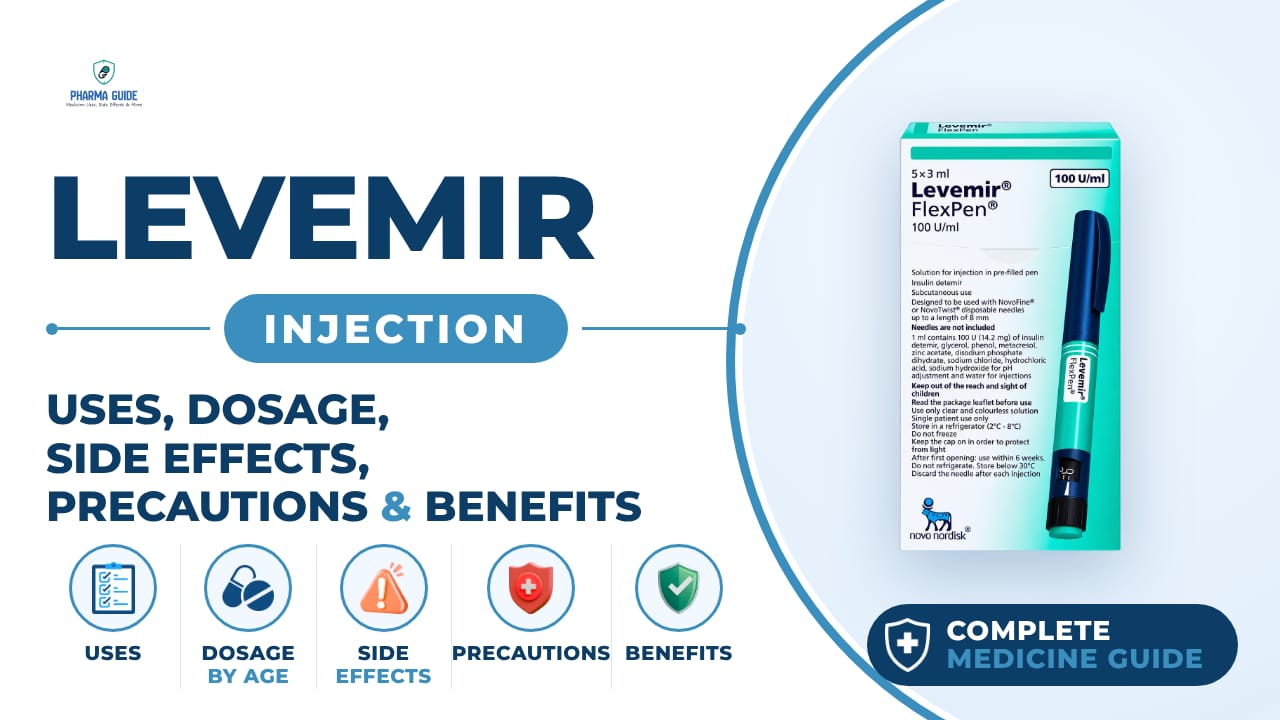
| Generic name | insulin detemir |
|---|---|
| Drug class | Insulin |
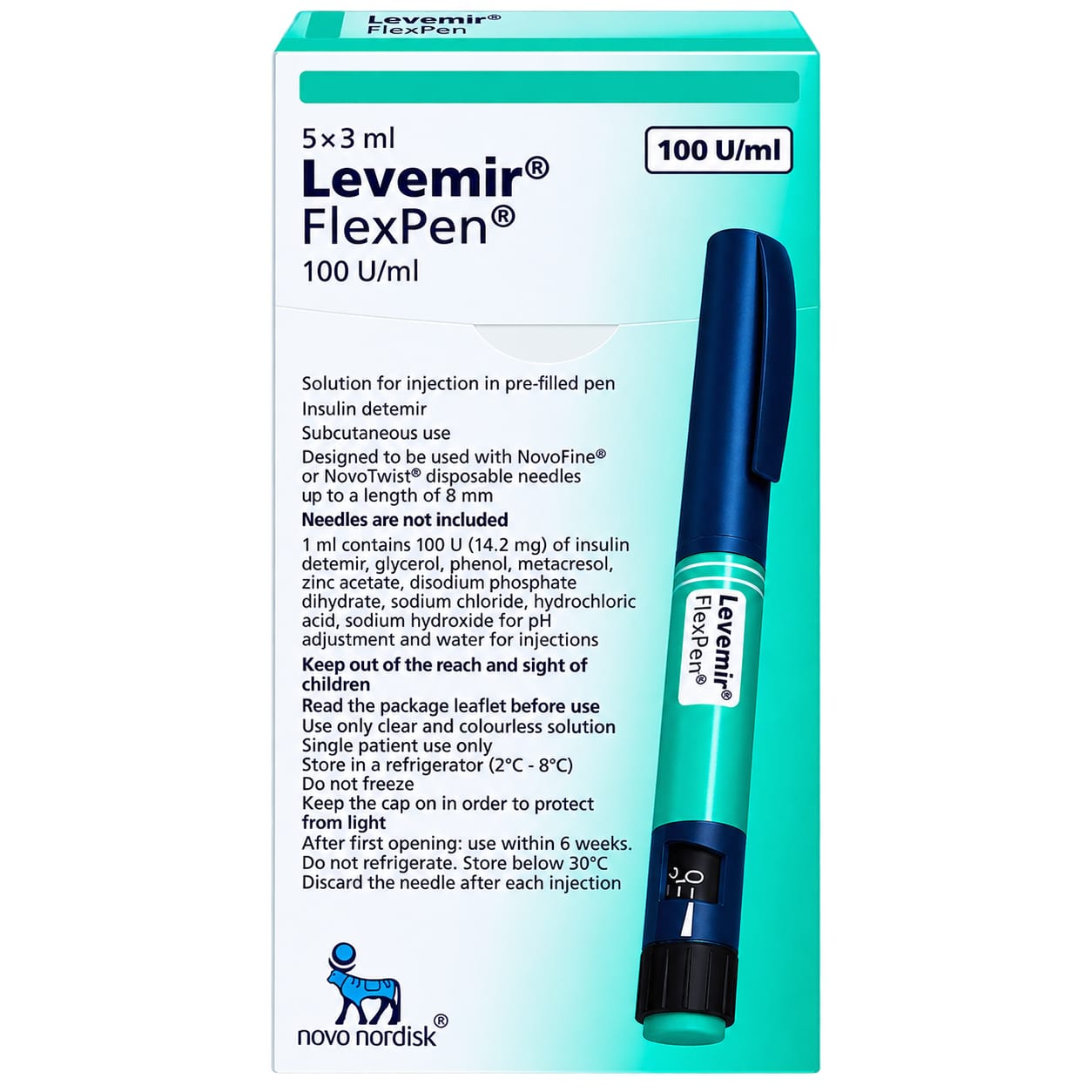
| Forms | Solution for injection in a vial, Solution for injection in a prefilled pen (FlexTouch) |
Quick overview
Levemir Injection (insulin detemir) is a long-acting, man-made insulin used to improve blood sugar control in adults and children at least 2 years old with type 1 diabetes, and in adults with type 2 diabetes. It starts working several hours after injection and keeps working evenly for up to 24 hours. Levemir is injected under the skin and is only part of a complete treatment program that may also include diet, exercise, weight control, and regular blood sugar testing.
What is Levemir Injection
Levemir is a man-made form of insulin, a hormone that is produced in the body. It is a long-acting insulin that starts to work several hours after injection and keeps working evenly for up to 24 hours.
Levemir Injection uses
- Improving blood sugar control in adults and children at least 2 years old with type 1 diabetes
- Improving blood sugar control in adults with type 2 diabetes
Benefits of Levemir Injection
- Helps keep blood sugar levels steady over a long period, including between meals and overnight
- Causes less weight gain than some other long-acting insulins
How Levemir Injection works
Levemir is a long-acting insulin that works by helping move sugar from your blood into your cells, which keeps your blood sugar from getting too high. It binds to insulin receptors on cells and helps those cells take in glucose for energy.
Levemir Injection dosage
Use Levemir exactly as prescribed by your doctor and follow all directions on your prescription label and any instruction sheets. Levemir is injected under the skin (subcutaneously); a healthcare provider may teach you how to inject it yourself.
Prepare an injection only when you are ready to give it; do not use it if it looks cloudy, has changed color, or has particles in it. Use a different injection site each time, and do not inject into the same spot twice in a row. Do not inject into skin that is damaged, tender, bruised, pitted, thickened, scaly, or has a scar or hard lump.
If you use this medicine once daily, take the injection with your evening meal or at bedtime. If you use the medicine twice daily, take your evening dose at least 12 hours after your morning dose. Your doctor may want you to also use a short-acting or mealtime insulin; always inject different insulins separately.
Levemir must not be given with an insulin pump, mixed with other insulins, or injected into a vein or muscle. If you use an injection pen, use only the pen that comes with Levemir, attach a new needle before each use, and do not transfer the insulin into a syringe. Never share a Levemir injection pen or syringe with another person, even if the needle has been changed. Use a needle and syringe only once, then place them in a puncture-proof sharps container.
Levemir can be taken with or without food. Levemir is only part of a complete treatment program that may also include diet, exercise, weight control, and regular blood sugar testing.
Use exactly as prescribed by your doctor or pharmacist.
Available forms and strengths
- Solution for injection in a vial
- Solution for injection in a prefilled pen (FlexTouch)
Side effects of Levemir Injection
Common
- Low blood sugar
- Weight gain
- Swelling in the hands and feet
- Rash, itching
- Thickening or hollowing of the skin where you injected the medicine
- Upper respiratory infection, such as the common cold
- Headache
- Back pain or abdominal pain
- Sore throat
- Nausea
- Injection site reactions
Serious
- Severe allergic reaction (redness or swelling where an injection was given, itchy skin rash over the entire body, trouble breathing, fast heartbeats, feeling like you might pass out, or swelling in your tongue or throat)
- Fluid retention - weight gain, swelling in your hands or feet, feeling short of breath
- Low potassium - leg cramps, constipation, irregular heartbeats, fluttering in your chest, increased thirst or urination, numbness or tingling, muscle weakness or limp feeling
- Severe hypoglycemia (low blood sugar) - drowsiness, confusion, blurred vision, numbness or tingling in your mouth, trouble speaking, muscle weakness, clumsy or jerky movements, seizures, or loss of consciousness
- Severe hyperglycemia (high blood sugar)
Warnings and precautions
- Do not use Levemir if you are allergic to insulin detemir, or if you are in diabetic ketoacidosis — call your doctor for treatment with a short-acting insulin instead.
- Never share a Levemir injection pen or syringe with another person, even if the needle has been changed, because this can spread infections or disease.
- Taking certain oral diabetes medicines such as pioglitazone or rosiglitazone together with Levemir may increase your risk of serious heart problems, including fluid retention and heart failure.
- Low blood sugar can happen if you skip a meal, exercise too long, drink alcohol, or are under stress. An insulin overdose can cause life-threatening low blood sugar. Learn the signs and make sure family and friends know how to help in an emergency.
- The manufacturer has announced that Levemir will be discontinued; this is a business decision and not related to safety or effectiveness concerns. Talk to your doctor about switching treatments before it becomes unavailable.
- Levemir is considered safe to use during pregnancy, but having diabetes may raise the risk of birth defects, pregnancy loss, and other complications. Talk with your doctor about managing your diabetes during pregnancy, since your insulin needs may change.
- It isn't known for certain whether Levemir passes into breast milk, though other forms of insulin have been found in breast milk. Talk with your doctor if you are breastfeeding or plan to breastfeed.
- If you have kidney problems, your body may be more sensitive to Levemir, which can raise your risk of low blood sugar. Your doctor will monitor your blood sugar and may adjust your dose.
- If you have liver problems, you may be less sensitive to Levemir. Your doctor will monitor your blood sugar and may adjust your dose if needed.
- Drinking alcohol can lower your blood sugar and may increase your risk of severe low blood sugar while using Levemir. Ask your doctor how much alcohol, if any, is safe for you.
- Insulin can cause low blood sugar, so avoid driving or operating machinery until you know how this medicine affects you.
Storage
- Keep this medicine in its original container protected from heat and light
- Do not draw insulin from a vial into a syringe until you are ready to give an injection
- Do not freeze insulin or store it near the cooling element in a refrigerator; throw away any insulin that has been frozen
- Storing unopened (not in use) Levemir: refrigerate and use until expiration date, or store at room temperature and use within 42 days
- Storing opened (in use) Levemir: store the vial in a refrigerator or at room temperature and use within 42 days
- Store the injection pen at room temperature (do not refrigerate) and use within 42 days
- Do not store the injection pen with a needle attached; always remove the needle before storing
- If you no longer need Levemir and have leftover medication, dispose of it safely to prevent others, including children and pets, from taking it by accident
When to see a doctor
- Get emergency medical help if you have signs of a severe allergic reaction: redness or swelling where you injected, an itchy rash over your whole body, trouble breathing, fast heartbeat, feeling faint, or swelling of your tongue or throat.
- Call your doctor right away if you have signs of fluid retention, such as weight gain, swelling in your hands or feet, or feeling short of breath.
- Call your doctor right away if you have signs of low potassium, such as leg cramps, constipation, irregular heartbeats, fluttering in your chest, increased thirst or urination, numbness or tingling, or muscle weakness.
- If you think you've taken too much Levemir, call your doctor or your local poison control center right away. If symptoms feel life threatening, go to the nearest emergency room.
- Call your doctor right away if you have severe low blood sugar, and call emergency services immediately if symptoms feel life threatening, such as loss of consciousness or seizures.
Alternatives
- Tresiba (Insulin Degludec)
- Toujeo (Insulin Glargine U-300)
- Lantus (Insulin Glargine)
Watch the video
FAQs
What is Levemir Injection used for?
Levemir is used to improve blood sugar control in adults and children at least 2 years old with type 1 diabetes, and in adults with type 2 diabetes.
How long does Levemir Injection work?
Levemir is a long-acting insulin that starts working several hours after injection and keeps working evenly for up to 24 hours.
Can Levemir be mixed with other insulins?
No, Levemir must not be mixed with other insulins, given with an insulin pump, or injected into a vein or muscle. If another insulin is prescribed, inject it separately.
What are the common side effects of Levemir?
Common side effects include low blood sugar, weight gain, swelling in the hands and feet, rash, itching, skin changes at the injection site, upper respiratory infection, headache, back or abdominal pain, sore throat, and nausea.
Is Levemir being discontinued?
Yes, the manufacturer has announced that Levemir will be discontinued, which is a business decision not related to safety or effectiveness. Patients should talk to their doctor about switching treatments before it becomes unavailable.
General information, not medical advice
Your prescriber and the leaflet in your pack know your situation. This page does not.
- Follow your prescriber and the leaflet
- Don't start, stop, or change a dose on your own
- Doses and warnings differ by country and product
Sources
Video
Related medicines
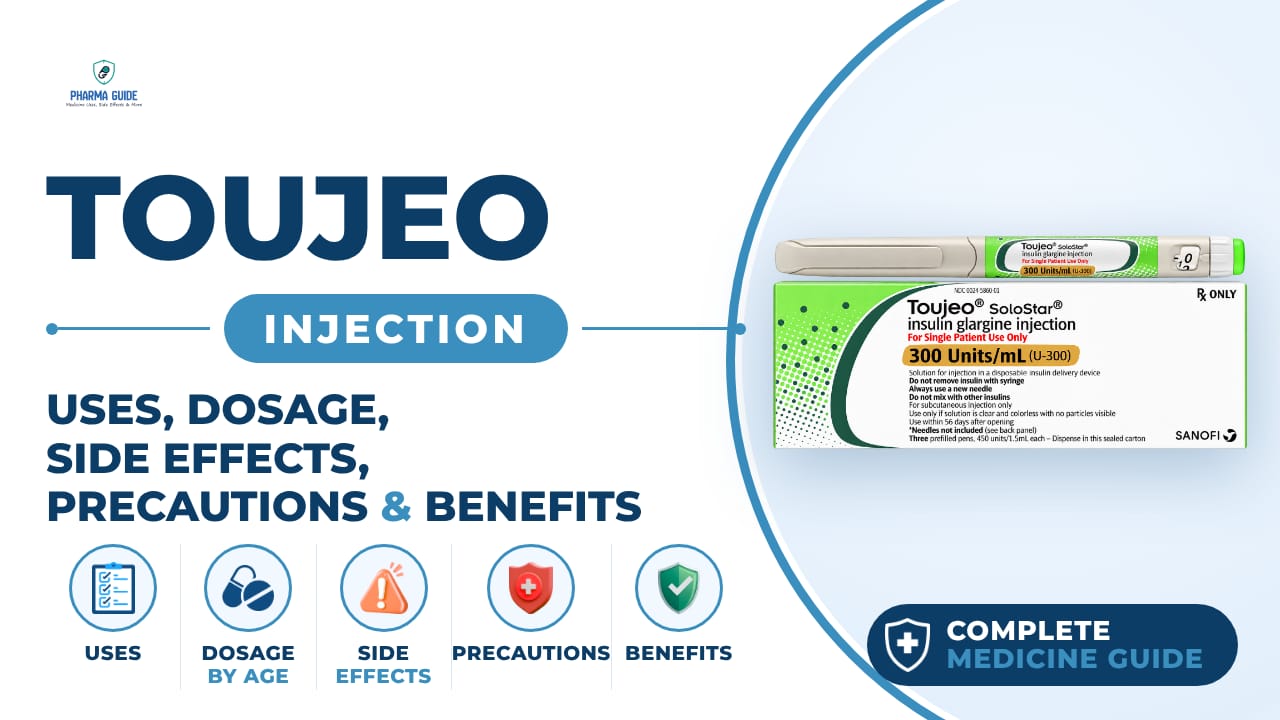
Toujeo Injection: Uses, Dosage, Side Effects, Precautions and Alternates
Insulin
Toujeo Injection (insulin glargine) is a long-acting insulin for adults and children 6+ with diabetes, given once daily to help control blood sugar.
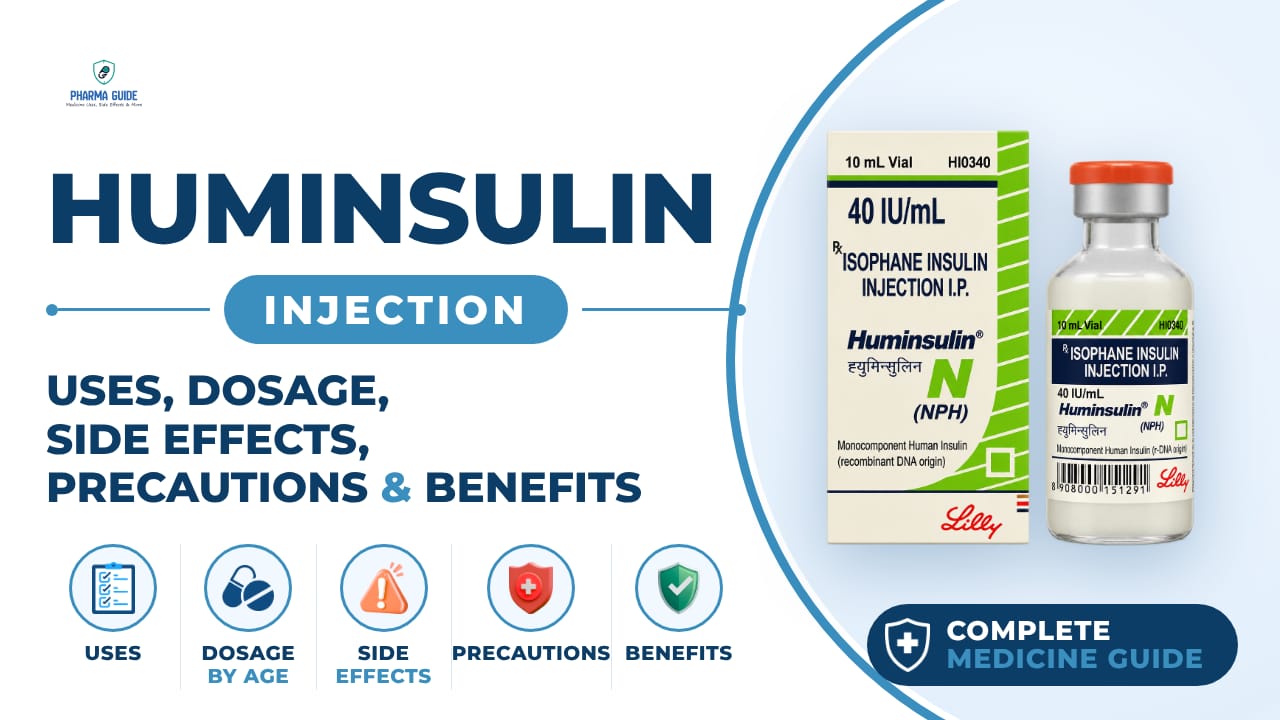
Huminsulin Injection: Uses, Dosage, Side Effects, Precautions and Alternates
Insulin
Huminsulin Injection is an intermediate-acting insulin that helps control blood sugar in type 1 and type 2 diabetes. Learn uses, dosage, and side effects.