
Safety
General information, not medical advice
Your prescriber and the leaflet in your pack know your situation. This page does not.
- Follow your prescriber and the leaflet
- Don't start, stop, or change a dose on your own
- Doses and warnings differ by country and product
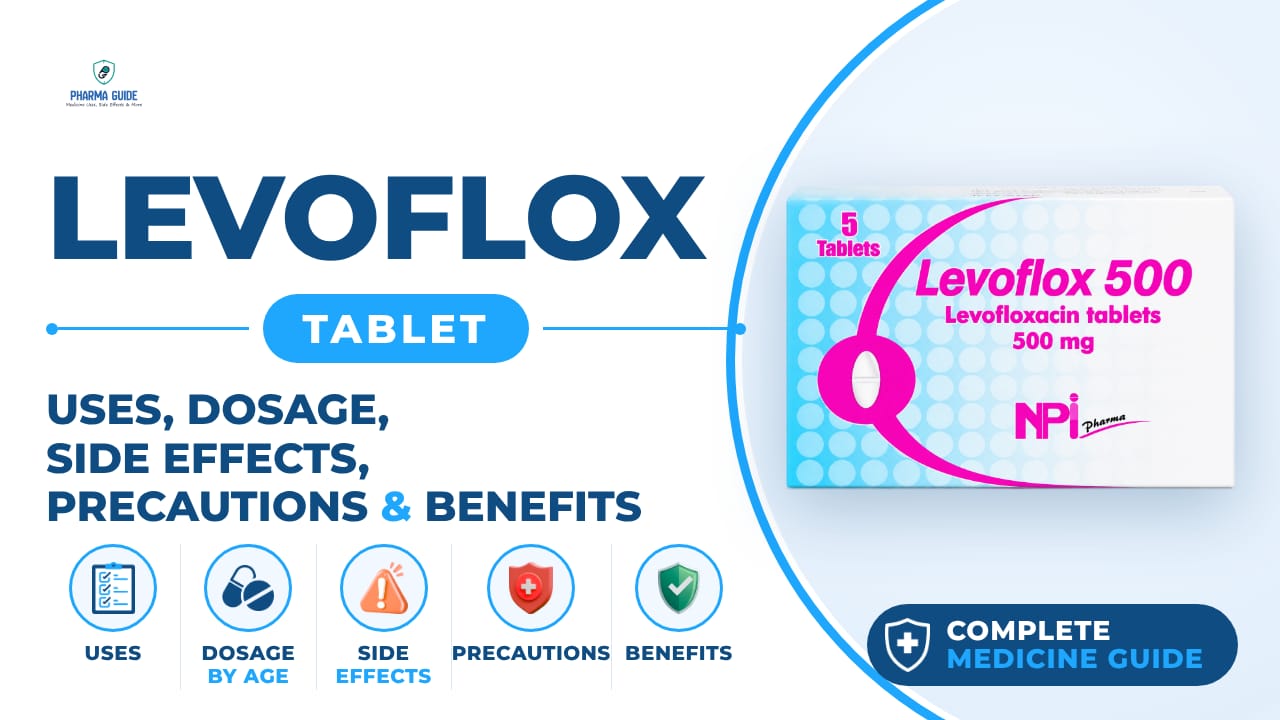
Levoflox Tablet: Uses, Dosage, Side Effects, Precautions and Alternates
| Generic name | Levofloxacin |
|---|---|
| Drug class | Fluoroquinolone antibiotic |
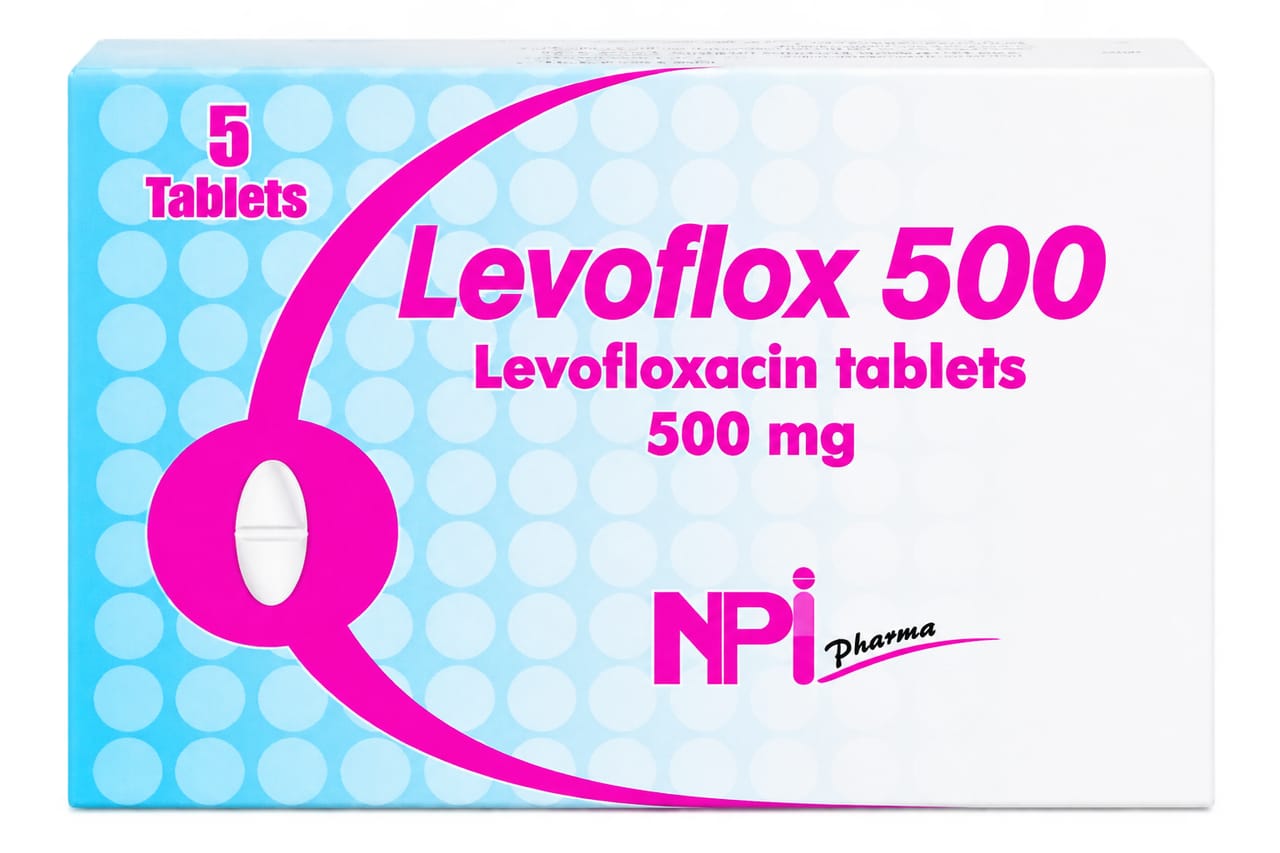
| Forms | Tablet (250 mg, 500 mg, 750 mg), Oral solution, Intravenous (IV) infusion |
Quick overview
Levoflox Tablet contains levofloxacin, a fluoroquinolone antibiotic that kills bacteria causing infections in the body. It is usually reserved for infections that cannot be treated with safer antibiotics because it can cause serious side effects. It is used for conditions such as pneumonia, sinusitis, bronchitis, skin infections, prostatitis, urinary tract infections, and more. Dosing depends on age and the infection being treated.
What is Levoflox Tablet
Levofloxacin is an antibiotic that belongs to a group of medicines called fluoroquinolones. It kills bacteria that cause infections in the body. It is usually reserved for infections that cannot be treated with safer antibiotics because it can cause serious side effects.
Levoflox Tablet uses
- Nosocomial (hospital-acquired) pneumonia
- Community-acquired pneumonia
- Acute bacterial sinusitis
- Acute bacterial exacerbation of chronic bronchitis
- Uncomplicated and complicated skin and skin structure infections
- Chronic bacterial prostatitis
- Complicated and uncomplicated urinary tract infections
- Acute pyelonephritis (kidney infection)
- Prevention and treatment of plague
- Post-exposure prevention of inhalational anthrax
- Bacterial conjunctivitis (eye infection, with ophthalmic formulation)
Benefits of Levoflox Tablet
- Kills a broad range of gram-positive and gram-negative bacteria
- Can be taken once daily due to its long half-life
- Oral and intravenous forms can be used interchangeably because absorption is nearly complete
- Effective against many respiratory pathogens including penicillin-resistant Streptococcus pneumoniae
How Levoflox Tablet works
Levofloxacin kills bacteria by stopping an enzyme they need to copy and repair their DNA, so the bacteria cannot grow or multiply.
Levoflox Tablet dosage
This medicine can be taken with or without food. Take it at the same time each day and drink plenty of fluids. Swallow the tablet whole. Take antacids, iron, zinc, or calcium/magnesium/aluminum-containing products, or sucralfate, at least 2 hours before or after this medicine because they can reduce its absorption. Do not skip doses or stop early even if you feel better, unless your doctor tells you to or you develop certain serious side effects. Do not take more than the prescribed dose if you miss one. This medicine is not indicated for use in children under 18 years of age except for specific anthrax or plague exposure.
| Age group | Dose |
|---|---|
| Under 18 Years | Use only if prescribed by a specialist |
| 18–64 Years | 250 mg, 500 mg, or 750 mg once daily depending on infection |
| Adults | 250–750 mg once daily as prescribed |
| Older Adults (65+ Years) | Adult dose; adjustment may be needed based on kidney function |
Available forms and strengths
- Tablet (250 mg, 500 mg, 750 mg)
- Oral solution
- Intravenous (IV) infusion
Side effects of Levoflox Tablet
Common
- Nausea
- Headache
- Diarrhea
- Insomnia (trouble sleeping)
- Dizziness
- Constipation
- Abdominal pain
- Vomiting
- Indigestion
- Rash
- Itching
Serious
- Tendon swelling or rupture
- Nerve damage (peripheral neuropathy) causing pain, burning, tingling, numbness, or weakness
- Seizures and other central nervous system effects
- Serious mood or behavior changes, including suicidal thoughts
- Worsening of myasthenia gravis (muscle weakness, breathing problems)
- Severe allergic reactions (anaphylaxis)
- Severe skin reactions such as Stevens-Johnson syndrome or toxic epidermal necrolysis
- Liver damage (hepatotoxicity), including rare fatal cases
- Aortic aneurysm and aortic dissection
- Clostridium difficile-associated diarrhea (severe intestinal infection)
- Prolonged QT interval and abnormal heart rhythm (torsades de pointes)
- Severe changes in blood sugar (hypoglycemia or hyperglycemia), including hypoglycemic coma
Warnings and precautions
- This medicine can cause tendon swelling or rupture, which may happen during treatment or even months after stopping. The risk is higher in people over 60, those taking steroids, and those with kidney, heart, or lung transplants.
- Serious allergic reactions, including anaphylaxis, have occurred, sometimes after just one dose.
- Seizures can occur, and caution is needed in people with brain disorders or conditions that make seizures more likely.
- This medicine can worsen muscle weakness in people with myasthenia gravis and should be avoided in these patients.
- There is an increased risk of bulging or tearing of the body's main artery (the aorta), especially in older adults or those with certain risk factors.
- This medicine can affect heart rhythm by prolonging the QT interval, which can lead to a dangerous irregular heartbeat.
- Levofloxacin should generally be avoided during pregnancy because it is not known whether it will harm an unborn baby.
- Breastfeeding is generally not recommended during treatment and for two days after the last dose, though a small amount of the drug does pass into breast milk.
- People with reduced kidney function may need a lower dose because the drug is removed from the body mainly by the kidneys.
- No dose adjustment is generally needed for liver problems since the drug is mostly cleared by the kidneys and undergoes little liver processing, but liver injury including rare fatal cases has been reported.
- This medicine can cause dizziness and light-headedness, so know how it affects you before driving or using machinery.
Storage
- Store between 15°C and 30°C in well-closed containers
- Keep out of the reach and sight of children
- Do not use after the expiry date; return expired medication to your pharmacist
When to see a doctor
- Get emergency help right away for sudden, severe pain in your chest, stomach, or back, which could be a sign of a problem with your aorta.
- Stop the medicine and call your doctor immediately if you notice pain, swelling, or snapping/popping in a tendon area, such as the back of the ankle.
- Stop the medicine and seek help right away if you have numbness, tingling, burning pain, or weakness in your arms or legs, which could mean nerve damage.
- Seek help immediately for signs of an allergic reaction such as hives, difficulty breathing or swallowing, or swelling of the face, lips, tongue, or throat.
- Get medical help right away for mood or behavior changes such as confusion, agitation, hallucinations, memory problems, or thoughts of suicide.
- Contact your doctor immediately if you develop signs of liver problems such as yellowing of the skin or eyes, dark urine, or unusual tiredness.
- Call your doctor if you develop watery or bloody diarrhea, which could signal a serious intestinal infection.
Alternatives
- Ciprofloxacin
- Moxifloxacin
- Azithromycin
Watch the video
FAQs
What is Levoflox Tablet used for
It is used to treat infections such as pneumonia, acute bacterial sinusitis, chronic bronchitis flare-ups, skin infections, chronic bacterial prostatitis, urinary tract infections, kidney infections, bacterial conjunctivitis, and for prevention or treatment of plague and anthrax exposure.
How should Levoflox Tablet be taken
It can be taken with or without food, at the same time each day, with plenty of fluids, and the tablet should be swallowed whole. Antacids, iron, zinc, calcium, magnesium, aluminum products, or sucralfate should be taken at least 2 hours before or after this medicine since they reduce its absorption.
What are the serious side effects of Levoflox Tablet
Serious side effects include tendon swelling or rupture, nerve damage, seizures, mood or behavior changes including suicidal thoughts, worsening of myasthenia gravis, severe allergic reactions, severe skin reactions, liver damage, aortic aneurysm or dissection, severe intestinal infection, and abnormal heart rhythm.
Can Levoflox Tablet be used during pregnancy or breastfeeding
It should generally be avoided during pregnancy because it is not known whether it will harm an unborn baby, and breastfeeding is generally not recommended during treatment and for two days after the last dose.
What precautions should be followed with Levoflox Tablet
Caution is needed due to risks of tendon rupture, allergic reactions, seizures, worsening of myasthenia gravis, aortic aneurysm, and QT prolongation. People with reduced kidney function may need a lower dose, and the medicine can cause dizziness affecting driving or machine use.
General information, not medical advice
Your prescriber and the leaflet in your pack know your situation. This page does not.
- Follow your prescriber and the leaflet
- Don't start, stop, or change a dose on your own
- Doses and warnings differ by country and product
Sources
Video
Related medicines
Norfloxacin Tablet: Uses, Dosage, Side Effects, Precautions and Alternates
fluoroquinolone antibiotic
Norfloxacin Tablet treats UTIs, kidney, prostate, and certain gut or reproductive infections. Learn uses, dosage, side effects, and key warnings.

Gemifloxacin Tablet: Uses, Dosage, Side Effects, Precautions and Alternates
Fluoroquinolone antibiotic
Gemifloxacin Tablet is a fluoroquinolone antibiotic for pneumonia, bronchitis, and other infections. Learn its uses, dosage, side effects, and precautions.