
Safety
General information, not medical advice
Your prescriber and the leaflet in your pack know your situation. This page does not.
- Follow your prescriber and the leaflet
- Don't start, stop, or change a dose on your own
- Doses and warnings differ by country and product
Levosalbutamol Inhaler: Uses, Dosage, Side Effects, Precautions and Alternates
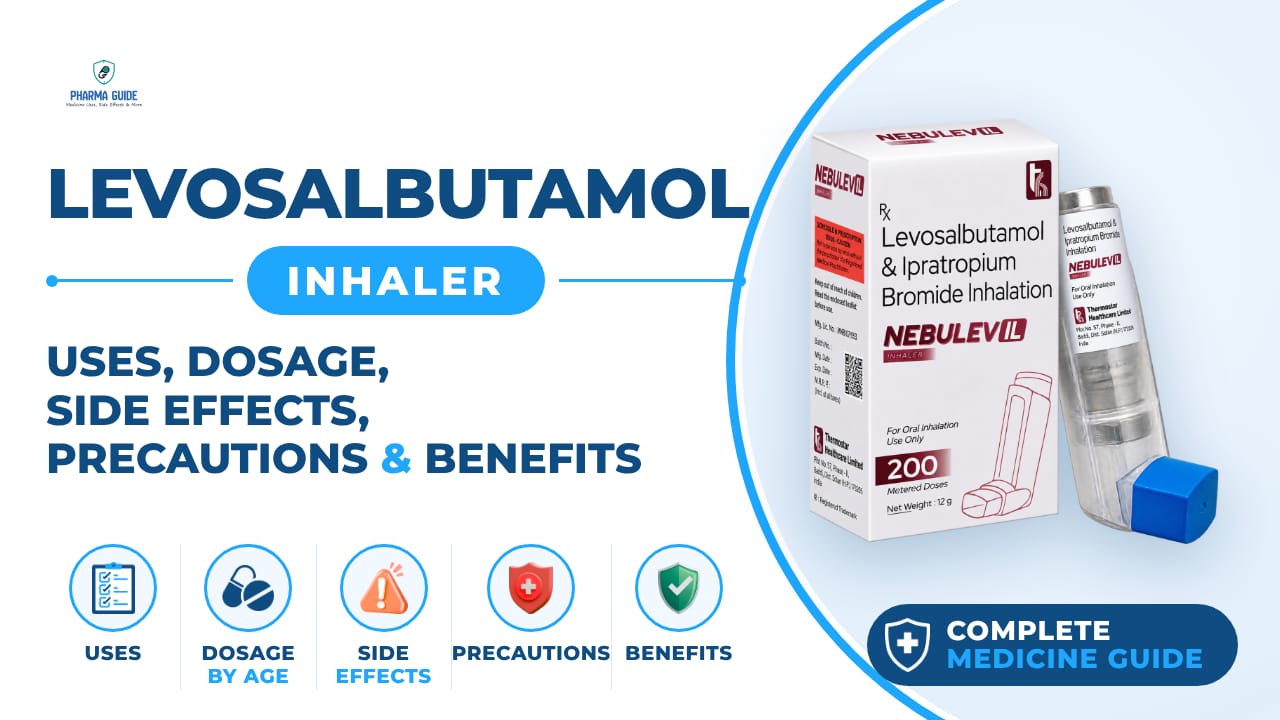
| Generic name | Levosalbutamol (levalbuterol) |
|---|---|
| Drug class | Adrenergic bronchodilator (beta-2 adrenergic receptor agonist) |
| Forms | Inhaler, Nebuliser solution, Syrup |
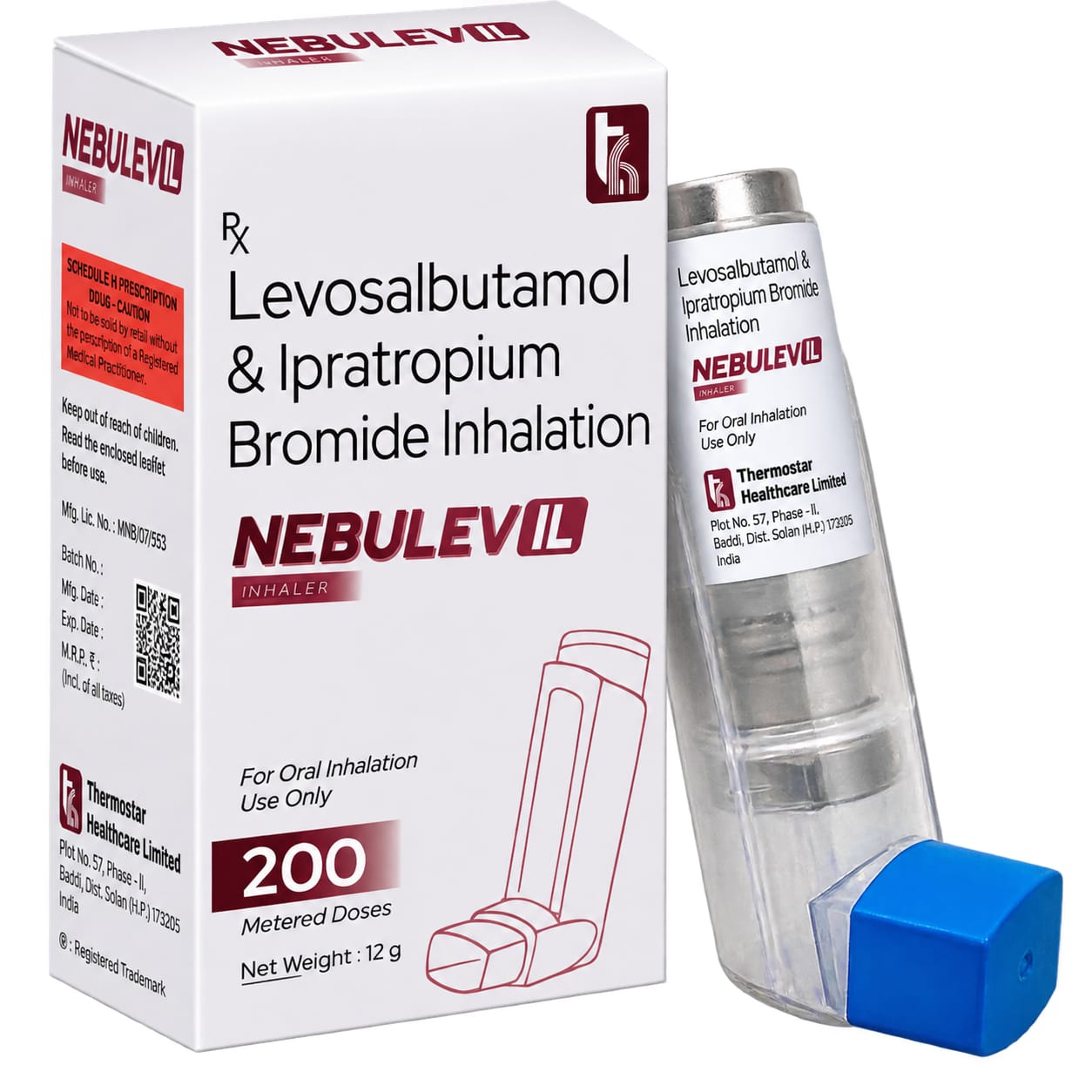
Quick overview
Levosalbutamol Inhaler contains levosalbutamol (levalbuterol), an adrenergic bronchodilator that relaxes the muscles in the airways to make breathing easier. It is used by people aged four years and older to treat bronchospasm associated with asthma and chronic obstructive pulmonary disease (COPD). The inhaler provides fast-acting relief from wheezing, shortness of breath, coughing, and chest tightness, and should be used exactly as directed by a doctor.
What is Levosalbutamol Inhaler
Levosalbutamol is a bronchodilator medicine that relaxes the muscles in the airways leading to the lungs, making it easier to breathe. It is the R-enantiomer of salbutamol and is the active form of that molecule. It is used by people aged four years and older with reversible obstructive airway disease.
Levosalbutamol Inhaler uses
- Treats bronchospasm in asthma and chronic obstructive pulmonary disease (COPD)
- Relieves wheezing, shortness of breath, coughing, and chest tightness
- Provides fast-acting relief during acute breathing episodes
- Helps improve oxygen delivery to the lungs
Benefits of Levosalbutamol Inhaler
- Gives fast relief from sudden breathing difficulties
- Helps control wheezing, chest tightness, and shortness of breath in asthma
- May cause fewer heart-related side effects like fast heartbeat compared to salbutamol
How Levosalbutamol Inhaler works
The medicine acts on receptors in the muscles of the airways, causing them to relax. This widens the airways, making it easier to breathe.
Levosalbutamol Inhaler dosage
Hold the inhaler with the mouthpiece facing downward and form a tight seal around the mouthpiece with your lips. Breathe in slowly while pressing down on the inhaler once. Space inhaler doses several hours apart as directed by your doctor. This medicine is suitable for adults and children over four years old.
If you miss a dose, take it as soon as you remember, but skip it if it is almost time for your next dose. Do not take a double dose to make up for a missed one. Stop use six hours before any planned dental procedures or surgery unless your doctor says otherwise.
| Age group | Dose |
|---|---|
| Under 4 Years | Use only if prescribed by a doctor |
| 4–11 Years | 1–2 inhalations (45 mcg per puff) every 4–6 hours as needed |
| 12 Years and Above | 1–2 inhalations (45 mcg per puff) every 4–6 hours as needed |
| Adults (18–64 Years) | 1–2 inhalations (45 mcg per puff) every 4–6 hours as needed |
| Older Adults (65+ years) | 1–2 inhalations (45 mcg per puff) as prescribed |
Available forms and strengths
- Inhaler (45 mcg per puff)
- Nebuliser solution
- Syrup
Side effects of Levosalbutamol Inhaler
Common
- Headache
- Dizziness
- Nervousness
- Tremors or shaking
- Heartburn
- Vomiting
- Cough
- Weakness or muscle cramps
- Sore throat and hoarseness
- Blocked or runny nose
- Decreased appetite
- Nausea
- Skin rash
- Sleep disturbances
- Increased heartbeat
- Difficulty swallowing or speaking
Serious
- Chest pain
- Fast or irregular heartbeat
- Facial swelling
- Seizures
- Uncontrollable shaking
- Severe breathing difficulties
Warnings and precautions
- Do not use this medicine if you are allergic to levosalbutamol or albuterol, or if you have pre-existing heart disease caused by reduced blood flow, or major risk factors for it.
- Diabetics should monitor their blood sugar since this medicine may raise glucose levels.
- This medicine can interact with several other drugs including beta-blockers, digoxin, diuretics, MAOIs, tricyclic antidepressants, and other bronchodilators.
- Inform your doctor if you have heart problems, high blood pressure, thyroid disorders, or diabetes.
- Use with caution if you experience fast heartbeat, chest discomfort, or unusual shaking.
- Do not exceed the recommended dose, as overuse may cause side effects.
- Tell your doctor if you are pregnant, planning pregnancy, or breastfeeding.
- This medicine is not usually recommended during pregnancy unless your doctor decides it's clearly needed. Talk to your doctor about the risks and benefits.
- This medicine is generally not recommended while breastfeeding since effects on the nursing baby aren't well established, though caution should be used with oral forms specifically.
- People with kidney problems need extra caution when using this medicine.
- It isn't clear how this medicine interacts with alcohol, so check with your doctor before drinking.
- This medicine can cause shaking, palpitations, and muscle cramps, which may affect your ability to drive or use machines safely.
Storage
- Store in a dry place below 30°C
- Protect from light
- Keep out of reach of children
- Shake well before use
When to see a doctor
- Seek medical help if breathing problems worsen or the inhaler does not provide relief.
- Contact a doctor if you need to use the inhaler more often than prescribed.
- Seek immediate help for severe shortness of breath, chest pain, fainting, or serious allergic reactions.
- Seek medical advice if asthma or breathing symptoms become difficult to control.
- Get emergency medical help if you experience seizures, chest pain, fast heartbeat, uncontrollable shaking, or breathing difficulties, which can be signs of overdose.
- Seek medical care if you notice facial swelling, chest pain, or a fast heartbeat while using this medicine.
Alternatives
- Salbutamol (Albuterol) Inhaler
- Terbutaline Inhaler
- Formoterol Inhaler
Watch the video
FAQs
What is Levosalbutamol Inhaler used for?
It is used to treat bronchospasm associated with asthma and COPD, relieving wheezing, shortness of breath, coughing, and chest tightness.
How does Levosalbutamol Inhaler work?
It acts on receptors in the muscles of the airways, causing them to relax, which widens the airways and makes breathing easier.
What is the dosage of Levosalbutamol Inhaler for children?
Children aged 4–11 years can use 1–2 inhalations (45 mcg per puff) every 4–6 hours as needed, as directed by a doctor.
What are the common side effects of Levosalbutamol Inhaler?
Common side effects include headache, dizziness, nervousness, tremors, heartburn, vomiting, cough, and increased heartbeat.
Can Levosalbutamol Inhaler be used during pregnancy?
It is not usually recommended during pregnancy unless a doctor decides it is clearly needed, so discuss the risks and benefits with your doctor.
General information, not medical advice
Your prescriber and the leaflet in your pack know your situation. This page does not.
- Follow your prescriber and the leaflet
- Don't start, stop, or change a dose on your own
- Doses and warnings differ by country and product
Sources
Video
Related medicines

Injectafer Injection: Uses, Dosage, Side Effects, Precautions and Alternates
Iron products
Injectafer (ferric carboxymaltose) treats iron deficiency anemia and heart failure-related iron deficiency via IV. Learn uses, dosage, side effects, and

Gliclazide Tablet: Uses, Dosage, Side Effects, Precautions and Alternates
Sulfonylurea (hypoglycemic/antidiabetic agent)
Gliclazide Tablet is a sulfonylurea for type 2 diabetes that boosts insulin release. Learn about dosage, side effects, warnings, and precautions.