
Safety
General information, not medical advice
Your prescriber and the leaflet in your pack know your situation. This page does not.
- Follow your prescriber and the leaflet
- Don't start, stop, or change a dose on your own
- Doses and warnings differ by country and product
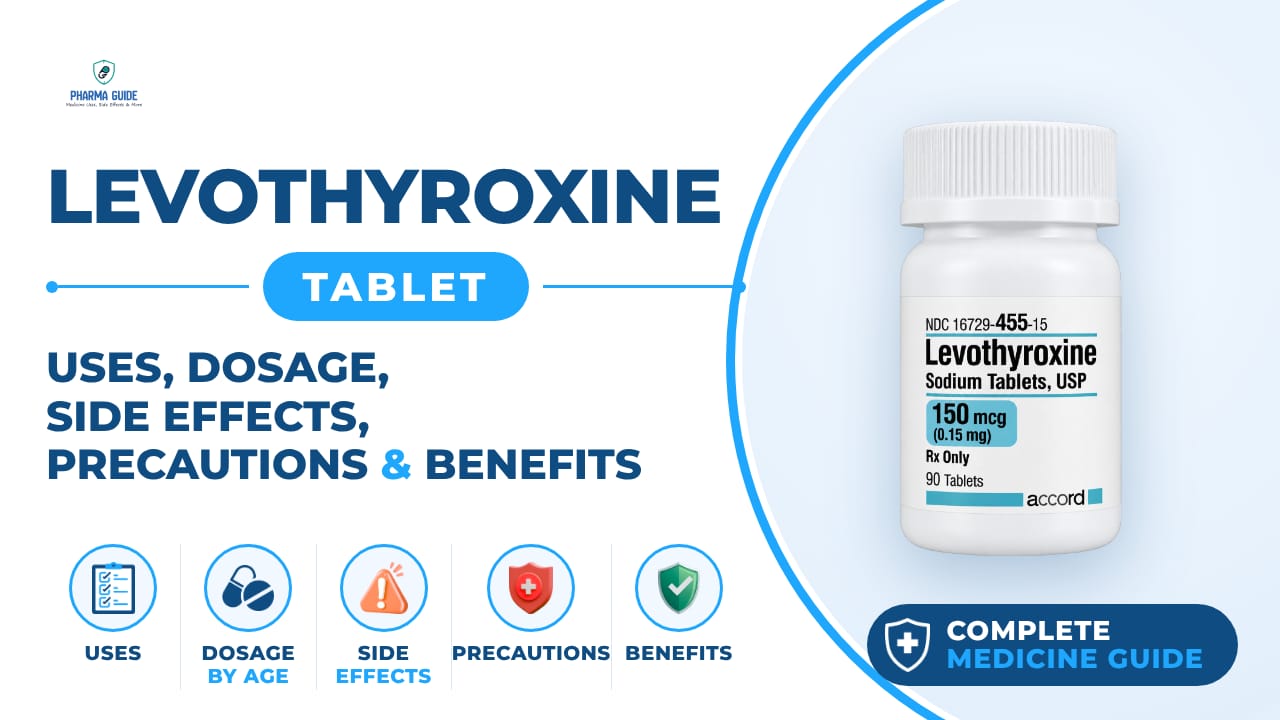
Levothyroxine Tablet: Uses, Dosage, Side Effects, Precautions and Alternates
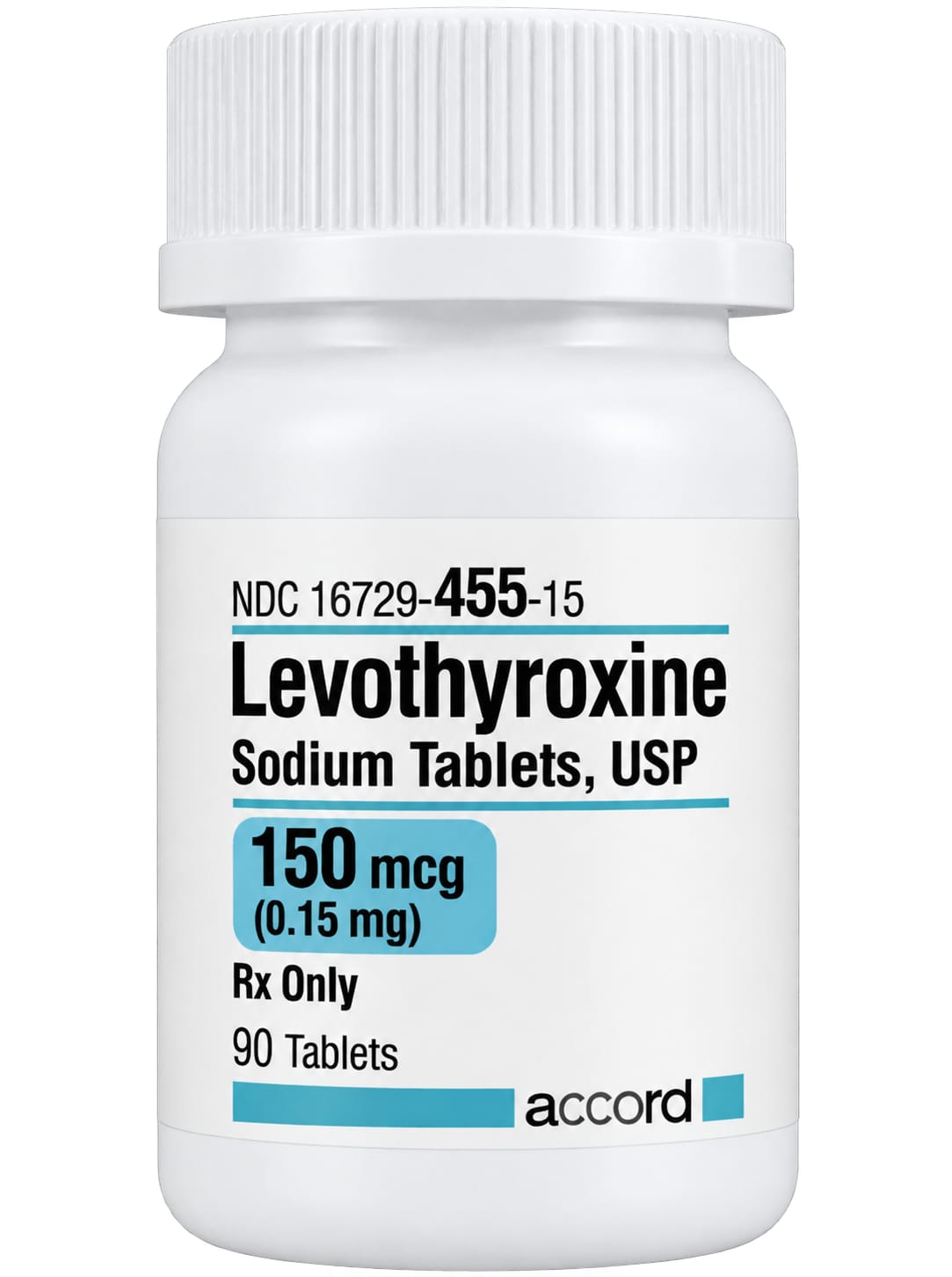
| Generic name | levothyroxine sodium |
|---|---|
| Drug class | Thyroid drugs (thyroid hormones) |
| Forms | Oral tablets, Oral capsules, Oral solution (liquid), Injection (for use in a vein, hospital setting) |
Quick overview
Levothyroxine Tablet (generic name levothyroxine sodium) is a thyroid hormone drug used to treat hypothyroidism and related thyroid conditions. It is a man-made version of thyroxine (T4), the hormone your thyroid gland normally produces, and it works by replacing the thyroid hormone your body isn't making enough of. It is taken on an empty stomach, typically in the morning, and doses are individualized based on age, weight, and thyroid hormone levels. Common and serious side effects are possible, and several precautions apply, especially during pregnancy.
What is Levothyroxine Tablet
Levothyroxine is a man-made version of thyroxine (T4), a hormone that your thyroid gland normally makes. It is used to replace thyroid hormone when your body is not making enough on its own.
Levothyroxine Tablet uses
- Treats hypothyroidism (underactive thyroid), whether present from birth or developed later, and whether the problem starts in the thyroid gland, pituitary gland, or hypothalamus
- Lowers thyroid-stimulating hormone (TSH) levels in people being treated for certain types of thyroid cancer, along with surgery and radioactive iodine therapy
- Treats goiter (enlarged thyroid gland) and helps prevent goiter from coming back after surgery
- Treats congenital hypothyroidism (cretinism) in babies and children
- Levothyroxine injection (given in a vein) is used to treat myxedema coma, a rare and life-threatening complication of severe underactive thyroid
Benefits of Levothyroxine Tablet
- Reverses symptoms of hypothyroidism such as poor growth, slow speech, low energy, tiredness, constipation, weight gain, hair loss, dry thick skin, cold sensitivity, joint and muscle pain, irregular periods, and depression, though it may take several weeks to notice a difference
- Helps normalize thyroid hormone levels in the body so it can function properly
How Levothyroxine Tablet works
Levothyroxine is the synthetic form of thyroxine, the hormone your thyroid normally makes. It works by replacing the thyroid hormone your body isn't producing enough of, which helps restore normal metabolism and body function.
Levothyroxine Tablet dosage
Take on an empty stomach, first thing in the morning, before breakfast, with a full glass of water. Take at the same time each day. Swallow tablets whole; do not crush, chew, break, or open them unless your doctor or pharmacist tells you it's needed for a child who cannot swallow a tablet whole. If a tablet needs to be crushed for someone who cannot swallow it whole, mix it with a small amount of water and give the mixture right away by spoon or dropper; do not save it for later.
Keep taking this medicine even if you feel well; it can take several weeks to feel the full benefit. Do not take more than your prescribed dose; taking extra will not work better and can cause serious side effects.
Avoid grapefruit juice, soy-based infant formula, soybean flour, cottonseed meal, walnuts, and high-fiber foods within an hour of taking this medicine, as they can reduce how well it is absorbed. Space this medicine at least 4 hours apart from calcium or iron supplements, antacids, cholesterol-lowering resins, sucralfate, and similar products, as they can reduce absorption.
Tell your doctor if you have planned surgery or dental work. Older adults and people with heart disease are usually started on a lower dose that is increased gradually. Doses in children are based on body weight and may change as the child grows.
| Age group | Dose |
|---|---|
| Infants & Children | Dose based on body weight (mcg/kg/day) as prescribed |
| Adults (18–64 Years) | Usually about 1.6 mcg/kg/day; adjusted based on thyroid levels |
| Older Adults (65+ years) | Start with 12.5–25 mcg/day; increase gradually as needed |
| Pregnancy | Dose adjusted by doctor based on thyroid hormone levels |
Available forms and strengths
- Oral tablets
- Oral capsules
- Oral solution (liquid)
- Injection (for use in a vein, hospital setting)
Side effects of Levothyroxine Tablet
Common
- Fever, hot flashes, increased sweating, feeling too hot
- Tiredness
- Skin rash, flushing, hair loss
- Headache, leg cramps, muscle cramps, muscle pain or weakness
- Tremors, feeling nervous, anxious, irritable, or emotional, sleep problems (insomnia)
- Increased or changed appetite
- Weight loss or weight gain
- Changes in menstrual periods, or difficulty getting pregnant
- Stomach cramps, vomiting, diarrhea
- Decreased sex drive
Serious
- Sudden pain or trouble moving your hip, wrist, or back
- Fast or irregular heartbeats, or a pounding heartbeat
- Chest pain, pain spreading to your jaw or shoulder
- Wheezing or shortness of breath
- Swelling in your legs or ankles, or new or worsening breathlessness when lying down
- Fever, swollen glands, itching, joint pain, or not feeling well
- Nausea, vomiting, or diarrhea (severe)
- Confusion or feeling disoriented
- A seizure
- High blood sugar - increased thirst, increased urination, dry mouth, fruity breath odor
- Signs of allergic reaction: hives, difficulty breathing, swelling of face, lips, tongue, or throat
- Decreased bone mineral density (weaker bones)
- Heart failure signs: shortness of breath when active or lying down, fatigue, weakness, swelling in legs/ankles/feet, persistent cough
Warnings and precautions
- This medicine should never be used to treat obesity or for weight loss. Doing so, especially with other weight-loss medicines, can cause dangerous side effects or death.
- Taking more than your prescribed dose will not work better and can cause serious side effects.
- This medicine has a narrow therapeutic index, meaning the difference between too little and too much is small. Taking too much or too little over time can affect the heart, bones, blood sugar, cholesterol, digestion, memory, fertility, and in children, growth and development.
- If you have an untreated adrenal gland problem, starting this medicine first can trigger a sudden, serious drop in adrenal hormones called an adrenal crisis. You need to start steroid treatment before starting this medicine.
- Older adults and people with heart disease are usually started on a lower dose because too much thyroid hormone can cause irregular heartbeat, angina, or other heart problems.
- Taking more of this medicine than your body needs over a long period can weaken your bones and increase fracture risk, especially after menopause.
- This medicine given by mouth should not be used to treat myxedema coma; the injection form given into a vein is used instead for that condition.
- Different brands of this medicine may not work exactly the same way, so switching brands without your doctor's guidance and monitoring is not recommended.
- If you take biotin or supplements containing biotin, tell your doctor, since biotin can cause falsely high or low thyroid blood test results, which could lead to an incorrect dose change.
- Tell your doctor if you are pregnant or planning to become pregnant. Untreated hypothyroidism during pregnancy raises the risk of miscarriage, high blood pressure, pre-eclampsia, stillbirth, premature birth, and can affect the baby's brain development, so this medicine should not be stopped during pregnancy. Your dose may need to be increased and your thyroid levels checked regularly during pregnancy.
- Tell your doctor if you are breastfeeding. Levothyroxine passes into breast milk, but no harmful effects on breastfed babies have been reported. Your dose needs may be different while nursing.
- Tell your doctor if you have kidney disease before taking this medicine, as it may affect whether this medicine is safe for you.
- Be careful when driving or operating machinery until you know how this medicine affects you, as it may cause lack of concentration or tiredness in some people.
Storage
- Store at room temperature (between 15°C and 25°C), away from moisture, heat, and light
- Keep tablets in their original blister pack until ready to take
- Keep out of reach and sight of children
- Do not store in the bathroom, near a sink, in the car, or on a window sill
- If no longer needed or expired, take it to a pharmacy for safe disposal; do not throw away via wastewater or household waste
When to see a doctor
- Get emergency medical help right away if you have signs of a severe allergic reaction, such as hives, difficulty breathing, or swelling of your face, lips, tongue, or throat.
- Call your doctor immediately if you have sudden pain or trouble moving your hip, wrist, or back; a fast, irregular, or pounding heartbeat; chest pain spreading to the jaw or shoulder; wheezing or shortness of breath; leg or ankle swelling or new breathlessness when lying down; fever with swollen glands, itching, or joint pain; confusion; or a seizure.
- Call your child's doctor if they develop signs of increased pressure around the brain, such as headaches, vomiting, or vision changes, or hip, groin, or knee pain with limping.
- Seek emergency medical attention right away if you think you have taken too much of this medicine, even if the person seems well, as an overdose can be fatal and symptoms may not appear for several days.
- Stop taking the tablets and go to hospital immediately if you notice signs of a severe reaction to high thyroid hormone levels (thyroid crisis), such as very high temperature, fast or irregular heartbeat, low blood pressure, heart failure, jaundice, confusion, fits, or coma.
Alternatives
- Liothyronine
- Desiccated Thyroid Extract
- Nature-Throid
Watch the video
FAQs
How should I take Levothyroxine Tablet?
Take it on an empty stomach, first thing in the morning before breakfast, with a full glass of water, at the same time each day. Swallow tablets whole and do not crush, chew, break, or open them unless instructed.
What foods should I avoid when taking Levothyroxine Tablet?
Avoid grapefruit juice, soy-based infant formula, soybean flour, cottonseed meal, walnuts, and high-fiber foods within an hour of taking this medicine, as they can reduce how well it is absorbed.
Can I take calcium or iron supplements with Levothyroxine Tablet?
You should space this medicine at least 4 hours apart from calcium or iron supplements, antacids, cholesterol-lowering resins, sucralfate, and similar products, as they can reduce absorption.
Is Levothyroxine Tablet safe during pregnancy?
Levothyroxine should not be stopped during pregnancy, as untreated hypothyroidism raises risks like miscarriage, high blood pressure, pre-eclampsia, stillbirth, and premature birth. Your dose may need to be increased and thyroid levels checked regularly.
Can Levothyroxine Tablet be used for weight loss?
No, this medicine should never be used to treat obesity or for weight loss, as doing so, especially with other weight-loss medicines, can cause dangerous side effects or death.
General information, not medical advice
Your prescriber and the leaflet in your pack know your situation. This page does not.
- Follow your prescriber and the leaflet
- Don't start, stop, or change a dose on your own
- Doses and warnings differ by country and product
Sources
- Drugs.com - Levothyroxine (https://www.drugs.com/levothyroxine.html)
- ELTROXIN Product Monograph including Patient Medication Information, Aspen Pharmacare Canada Inc., January 29, 2019
- Australian Commission on Safety and Quality in Health Care - APO-Levothyroxine Medicine Finder (https://www.safetyandquality.gov.au/medicine-finder/apo-levothyroxine)
- Levothyroxine sodium Aristo Package Leaflet, Aristo Pharma GmbH, revised 07/2023
- Healthline - Levothyroxine Oral Tablet Side Effects (https://www.healthline.com/health/drugs/levothyroxine-tablet-side-effects#serious-side-effects)
- Levothyroxine Tablets Consumer Medicine Information, Boucher & Muir (NZ) t/a Mercury Pharma (NZ), October 2024
Video
Related medicines

Injectafer Injection: Uses, Dosage, Side Effects, Precautions and Alternates
Iron products
Injectafer (ferric carboxymaltose) treats iron deficiency anemia and heart failure-related iron deficiency via IV. Learn uses, dosage, side effects, and

Gliclazide Tablet: Uses, Dosage, Side Effects, Precautions and Alternates
Sulfonylurea (hypoglycemic/antidiabetic agent)
Gliclazide Tablet is a sulfonylurea for type 2 diabetes that boosts insulin release. Learn about dosage, side effects, warnings, and precautions.