
Safety
General information, not medical advice
Your prescriber and the leaflet in your pack know your situation. This page does not.
- Follow your prescriber and the leaflet
- Don't start, stop, or change a dose on your own
- Doses and warnings differ by country and product
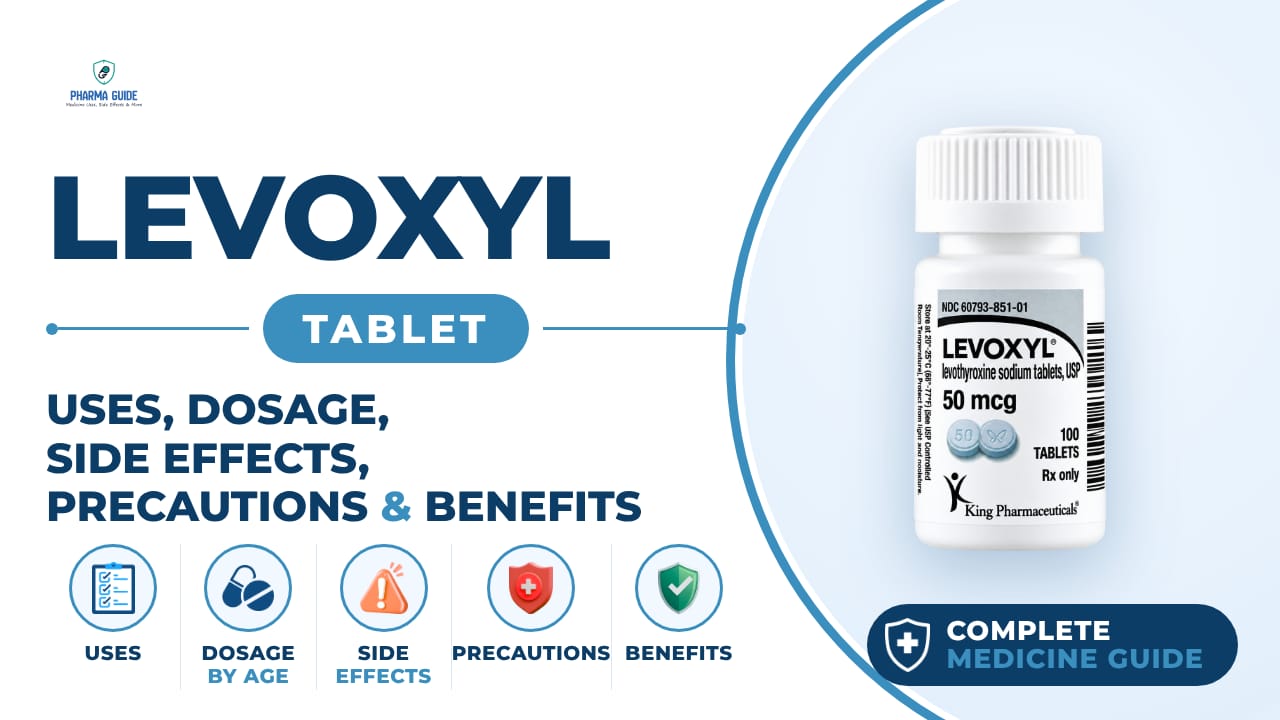
Levoxyl Tablet: Uses, Dosage, Side Effects, Precautions and Alternates
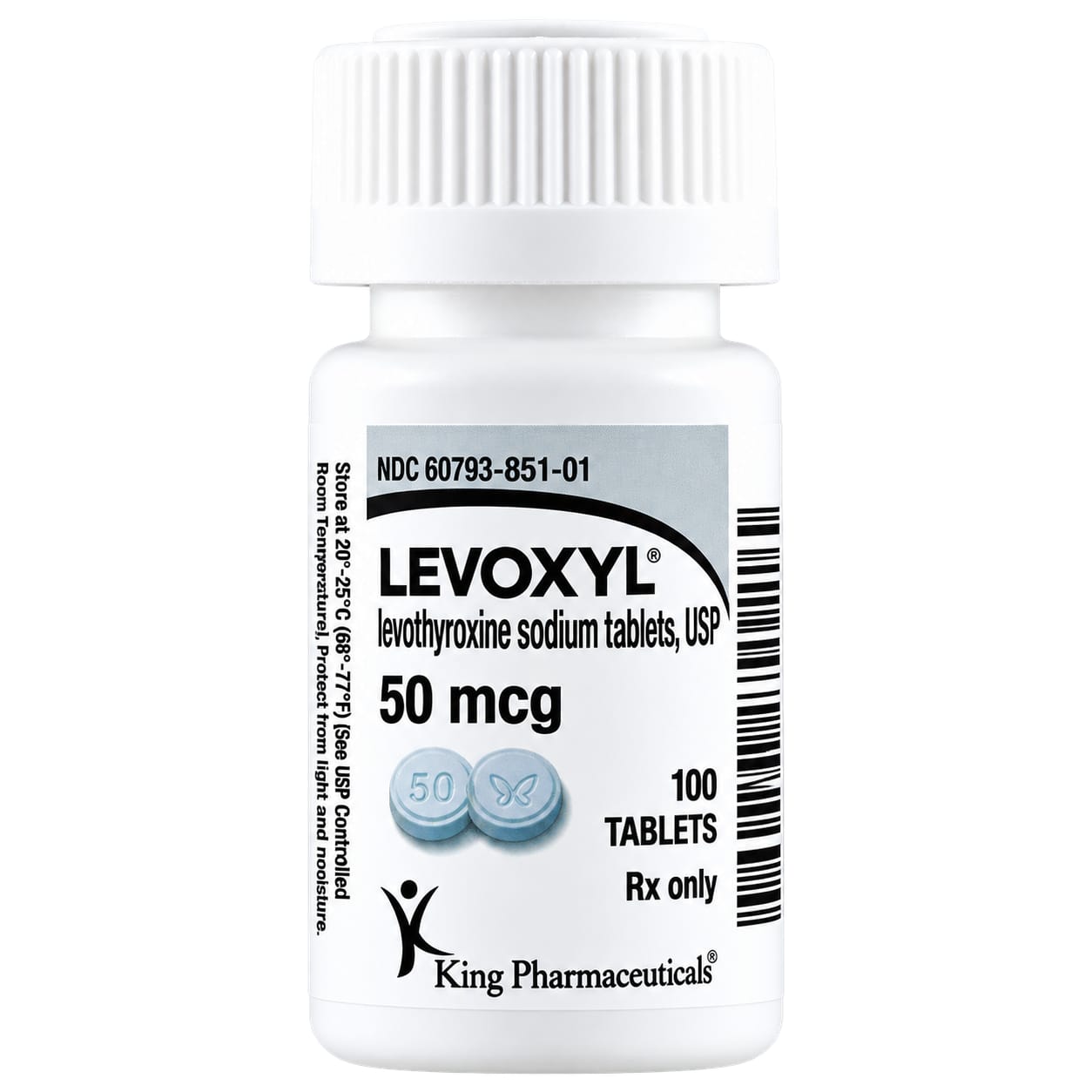
| Generic name | levothyroxine sodium |
|---|---|
| Drug class | Thyroid hormone (thyroid product) |
| Forms | Tablet |
Quick overview
Levoxyl Tablet contains levothyroxine sodium, a man-made version of the thyroid hormone thyroxine (T4). It replaces the hormone your thyroid gland normally makes when your thyroid does not produce enough on its own. It is used to treat hypothyroidism in children and adults and, alongside surgery and radioactive iodine therapy, to help manage well-differentiated thyroid cancer.
What is Levoxyl Tablet
Levoxyl is a man-made version of the thyroid hormone thyroxine (T4). It replaces the hormone your thyroid gland normally makes when your thyroid does not make enough of it on its own.
Levoxyl Tablet uses
- Treating hypothyroidism (low thyroid hormone) in children and adults
- Helping manage well-differentiated thyroid cancer along with surgery and radioactive iodine therapy, by suppressing thyroid-stimulating hormone (TSH)
Benefits of Levoxyl Tablet
- Thyroid Hormone Replacement: Replaces insufficient thyroid hormone.
- Hypothyroidism Management: Helps restore normal thyroid hormone levels.
- Metabolism Support: Supports normal metabolic processes.
- Energy Support: Helps relieve fatigue caused by hypothyroidism.
- Growth Support: Supports normal growth and development in children with thyroid hormone deficiency.
How Levoxyl Tablet works
Levoxyl supplies the same hormone (T4) that your thyroid gland normally produces. This hormone enters cells and controls how genes are turned on, which affects growth, metabolism, heart rate, and body temperature.
Levoxyl Tablet dosage
Take as a single dose once a day on an empty stomach, one-half to one hour before breakfast, with a full glass of water to avoid choking or gagging. Take this medicine at least 4 hours before or after medicines that can interfere with absorption, such as calcium or iron supplements, antacids, or bile acid-binding medicines. Talk to your healthcare provider about dose adjustments if you regularly take this medicine close to certain foods that may affect how it is absorbed.
For infants and children who cannot swallow tablets, the tablet can be crushed and mixed with a small amount of water, then given right away by spoon or dropper. Do not store this mixture, and do not give it in foods that reduce absorption, such as soy-based infant formula.
Older adults or people with heart disease are usually started on a lower amount and increased more slowly. It may take several weeks before you notice your symptoms improving; keep taking the medicine even if you feel well. This medicine is generally taken for life unless your healthcare provider tells you otherwise.
| Age group | Dose |
|---|---|
| 12–17 Years | 2–3 mcg/kg/day, adjusted according to thyroid function tests |
| Adults (18–64 Years) | 1.6 mcg/kg/day for full replacement in otherwise healthy adults; adjusted according to TSH |
| Older Adults (65+ Years) | 12.5–25 mcg once daily initially, increased gradually according to response |
Available forms and strengths
Tablet
Side effects of Levoxyl Tablet
Common
- Irregular or fast heartbeat
- Chest pain
- Shortness of breath
- Leg cramps
- Headache
- Nervousness or irritability
- Hives or skin rash
- Trouble sleeping (insomnia)
- Tremors
- Muscle weakness
- Change in appetite
- Weight loss
- Vomiting
- Diarrhea
- Excessive sweating
- Heat intolerance
- Fever
- Changes in menstrual periods
- Temporary partial hair loss in the first few months of treatment
Serious
- Rapid or irregular heartbeat, chest pain, or shortness of breath (possible heart problems)
- Signs of worsening diabetes control, such as big changes in blood sugar levels
- Signs of weak or brittle bones, especially with long-term high-dose use
- Signs of adrenal crisis such as severe tiredness, stomach pain, dizziness, weakness, or vomiting if adrenal insufficiency was not treated first
- Seizures (reported rarely)
- Confusion or disorientation (signs of overdose)
Warnings and precautions
- This medicine should never be used to treat obesity or for weight loss. Taking doses higher than what your body needs can cause serious or even life-threatening toxic effects.
- This medicine should not be used to treat myxedema coma, a life-threatening emergency; an intravenous form of thyroid hormone should be used instead.
- People with untreated adrenal gland problems should not start this medicine, because it can trigger a dangerous adrenal crisis; adrenal problems must be treated with replacement steroids first.
- Taking too much or too little of this medicine can seriously affect growth, heart function, bone strength, fertility, mood, digestion, and blood sugar and fat levels, so your dose must be carefully monitored and adjusted.
- Older adults and people with heart disease have a higher risk of heart problems, including fast or irregular heartbeat, when taking this medicine, so they usually start at a lower dose.
- People with diabetes may find their blood sugar harder to control after starting, changing, or stopping this medicine, and may need changes to their diabetes treatment.
- Taking more thyroid hormone than needed over time can weaken bones, especially in women past menopause.
- There have been reports of people choking, gagging, or having the tablet stick in their throat, mostly when it was not taken with water.
- Levoxyl may be used during pregnancy, but your dose may need to be increased. Tell your healthcare provider right away if you become pregnant or are planning to become pregnant while taking this medicine.
- Small amounts of this medicine pass into breast milk.
- There isn't enough information to know the effects on a nursing baby, but getting the right dose during breastfeeding may actually help with milk production in mothers with low thyroid hormone.
Storage
- Store at room temperature between 68°F and 77°F (20°C to 25°C), with brief excursions allowed between 59°F and 86°F (15°C to 30°C)
- Store away from heat, moisture, and light
- Keep out of the reach of children
When to see a doctor
- Get medical help right away if you have a rapid or irregular heartbeat, chest pain, or shortness of breath.
- Contact your healthcare provider if you notice changes in your blood sugar levels, especially if you have diabetes.
- If you take too much of this medicine or think you've overdosed, contact your healthcare provider or a poison control center right away, or go to the nearest emergency room.
- Tell your healthcare provider right away if you notice symptoms such as irregular heartbeat, chest pain, shortness of breath, leg cramps, headache, nervousness, irritability, sleep problems, tremors, changes in appetite or weight, vomiting, diarrhea, excessive sweating, heat intolerance, fever, changes in menstrual periods, hives or skin rash, or any other unusual symptom.
- Tell your doctor or dentist that you take this medicine before any surgery.
Alternatives
- Eltroxin
- Thyronorm
- Thyrox
Watch the video
FAQs
What is Levoxyl Tablet used for?
Levoxyl is used to treat hypothyroidism (low thyroid hormone) in children and adults, and to help manage well-differentiated thyroid cancer along with surgery and radioactive iodine therapy.
How should Levoxyl Tablet be taken?
Take it as a single dose once a day on an empty stomach, one-half to one hour before breakfast, with a full glass of water. Take it at least 4 hours before or after calcium or iron supplements, antacids, or bile acid-binding medicines.
How long does it take for Levoxyl to work?
It may take several weeks before you notice symptoms improving. Keep taking the medicine even if you feel well, as it is generally taken for life unless your healthcare provider tells you otherwise.
Can Levoxyl Tablet be used for weight loss?
No, Levoxyl should never be used to treat obesity or for weight loss. Taking doses higher than what your body needs can cause serious or life-threatening toxic effects.
Is Levoxyl Tablet safe during pregnancy and breastfeeding?
Levoxyl may be used during pregnancy, but the dose may need to be increased. Small amounts pass into breast milk, and getting the right dose during breastfeeding may help with milk production in mothers with low thyroid hormone.
General information, not medical advice
Your prescriber and the leaflet in your pack know your situation. This page does not.
- Follow your prescriber and the leaflet
- Don't start, stop, or change a dose on your own
- Doses and warnings differ by country and product
Sources
- FDA prescribing information and Patient Information for LEVOXYL (levothyroxine sodium tablets), Pfizer, revised 12/2018 and 12/2020 (DailyMed)
- RxList - Levoxyl (levothyroxine sodium) drug information, reviewed 3/2/2021
- GoodRx - Levoxyl (levothyroxine), reviewed August 21, 2025
Video
Related medicines

Injectafer Injection: Uses, Dosage, Side Effects, Precautions and Alternates
Iron products
Injectafer (ferric carboxymaltose) treats iron deficiency anemia and heart failure-related iron deficiency via IV. Learn uses, dosage, side effects, and

Gliclazide Tablet: Uses, Dosage, Side Effects, Precautions and Alternates
Sulfonylurea (hypoglycemic/antidiabetic agent)
Gliclazide Tablet is a sulfonylurea for type 2 diabetes that boosts insulin release. Learn about dosage, side effects, warnings, and precautions.