
Safety
General information, not medical advice
Your prescriber and the leaflet in your pack know your situation. This page does not.
- Follow your prescriber and the leaflet
- Don't start, stop, or change a dose on your own
- Doses and warnings differ by country and product
Linagliptin Tablet: Uses, Dosage, Side Effects, Precautions and Alternates
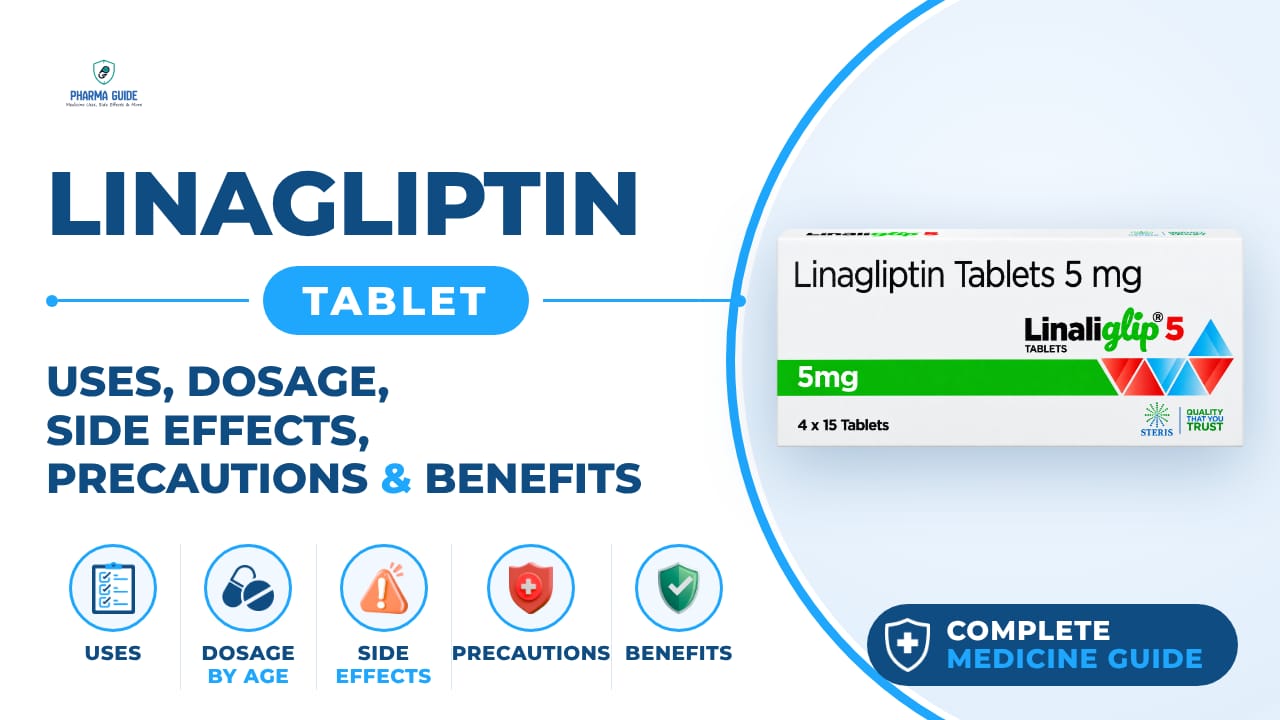
| Generic name | Linagliptin |
|---|---|
| Drug class | Dipeptidyl peptidase-4 (DPP-4) inhibitor |
| Forms | Tablet |
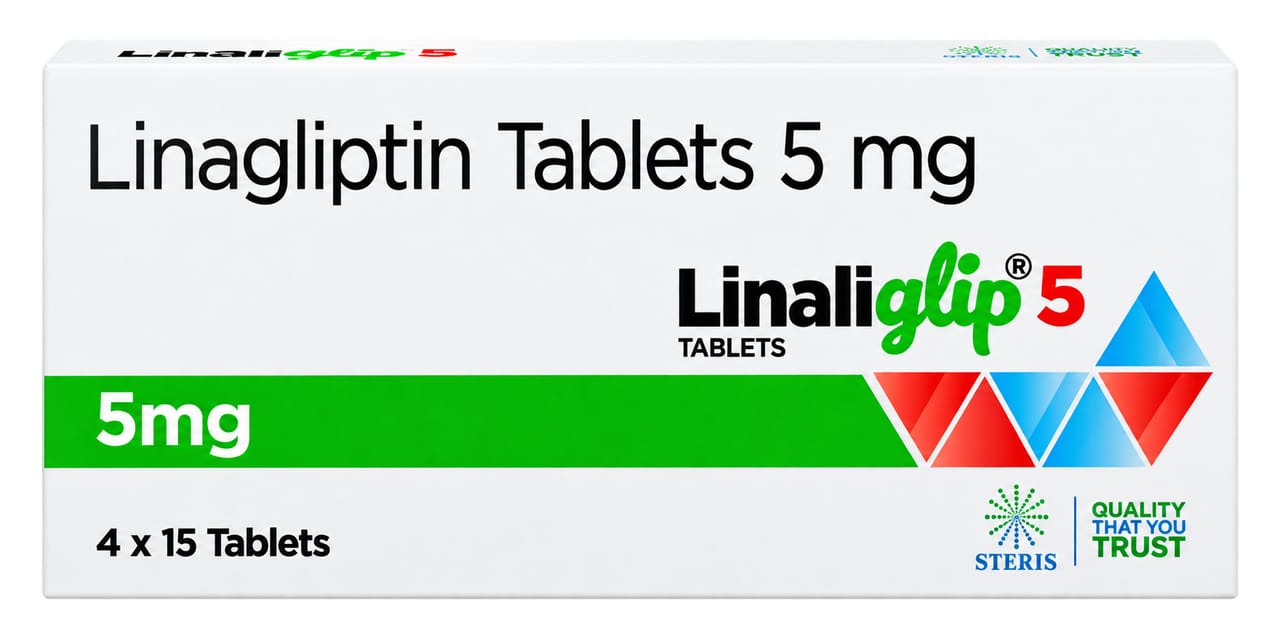
Quick overview
Linagliptin Tablet is a prescription medicine used along with diet and exercise to help control blood sugar in adults with type 2 diabetes. It belongs to a class of medicines called DPP-4 inhibitors. It is not used for type 1 diabetes or for diabetic ketoacidosis. The usual dose for adults is 5 mg once daily.
What is Linagliptin Tablet
Linagliptin is a prescription medicine used along with diet and exercise to help control blood sugar in adults with type 2 diabetes. It is not used for type 1 diabetes or for diabetic ketoacidosis. Its generic name is Linagliptin, and it belongs to the drug class known as dipeptidyl peptidase-4 (DPP-4) inhibitors.
Linagliptin Tablet uses
- Type 2 diabetes mellitus, used together with diet and exercise to improve blood sugar control
Benefits of Linagliptin Tablet
- Helps lower high blood sugar levels in adults with type 2 diabetes.
- Increases incretin hormone activity, which helps the pancreas release more insulin when blood sugar is high.
- Helps reduce the amount of glucose released by the liver.
- Improves fasting and after-meal blood glucose control.
- Helps lower HbA1c, supporting better long-term diabetes control.
- Has a low risk of hypoglycemia when used alone and usually does not require dose adjustment in kidney impairment.
How Linagliptin Tablet works
Linagliptin blocks an enzyme called DPP-4, which raises the levels of certain gut hormones. These hormones tell the pancreas to release more insulin when blood sugar is high and tell the liver to make less sugar, which helps lower blood sugar levels.
Linagliptin Tablet dosage
Take this medicine by mouth with water, exactly as directed by your doctor. You can take it at the same time every day, with or without food. If it upsets your stomach, taking it with food may help. Keep taking it unless your care team tells you to stop. Do not double doses if you miss one — if you miss a dose, take it as soon as you remember, but if it's almost time for your next dose, skip the missed one and continue your regular schedule.
Follow the special meal plan and exercise routine your doctor gives you, since this helps the medicine work properly. This medicine is not recommended for children under 18 years old; use in children should be decided by a doctor. Elderly patients may be more sensitive to the effects of this medicine than younger adults.
| Age group | Dose |
|---|---|
| Under 18 years | Routine use not recommended / efficacy not established |
| 18–64 years | 5 mg once daily |
| 65+ years | 5 mg once daily; no routine age-based dose adjustment |
Available forms and strengths
- Tablet
Side effects of Linagliptin Tablet
Common
- Muscle aches
- Sore throat
- Stuffy or runny nose
- Diarrhea
- Cough
- Nasopharyngitis (common cold-like symptoms)
Serious
- Anxiety, blurred vision, chills, cold sweats, confusion, cool pale skin, depression, dizziness, fast heartbeat, headache, increased hunger, loss of consciousness, nausea, nightmares, seizures, shakiness, slurred speech, or unusual tiredness/weakness (possible signs of low blood sugar)
- Severe stomach pain that may spread to the back, with or without vomiting, chills, nausea, loss of appetite, or fever (possible pancreatitis)
- Skin rash, itching, hives, or large swelling of the face, lips, tongue, throat, hands, legs, feet, or sex organs; trouble breathing or swallowing (possible serious allergic reaction)
- Severe joint pain
- Large, hard skin blisters or skin peeling/breakdown, including inside the mouth (possible bullous pemphigoid)
- Chest pain or tightness, decreased urine output, swelling of the face, fingers, feet, or lower legs, irregular heartbeat, trouble breathing, or unusual weight gain (possible signs of heart failure)
Warnings and precautions
This medicine can cause pancreatitis (inflammation of the pancreas), which can be severe and even fatal in rare cases. Stop the medicine and call your doctor right away if you have severe stomach pain that doesn't go away, especially if it spreads to your back, with or without vomiting.
This medicine may be linked to a higher risk of heart failure, especially in people who already have heart failure or kidney problems. Watch for shortness of breath, swelling in the feet or legs, sudden weight gain, or unusual tiredness.
Taking this medicine with insulin or a sulfonylurea medicine raises the risk of low blood sugar, so your doctor may need to lower the dose of those other medicines.
Serious allergic reactions, including anaphylaxis and severe swelling, have happened with this medicine, most often within the first three months of starting it, sometimes after just the first dose.
Severe and disabling joint pain has been reported with this type of medicine, and it can start anywhere from one day to years after starting treatment.
A serious skin condition called bullous pemphigoid, which can require hospital treatment, has been reported with this type of medicine.
This medicine should not be used by people with type 1 diabetes or diabetic ketoacidosis, as it will not work for these conditions.
There isn't enough information in humans to know if linagliptin is harmful during pregnancy. Animal studies did not show harm to the developing baby, but talk with your doctor about the best way to manage your blood sugar during pregnancy.
It isn't known if linagliptin passes into human breast milk, though it does pass into the milk of rats. Talk with your doctor to weigh the benefits of breastfeeding against any possible risks to your baby.
No dose change is needed for people with kidney problems, but a history of kidney damage may raise the risk of heart failure with this medicine.
No dose adjustment is needed for people with liver problems.
Drinking alcohol while on this medicine may cause severe low blood sugar, so talk to your healthcare team about alcohol use.
Storage
- Store at 20–25°C (68–77°F) at controlled room temperature.
- Keep in a cool, dry place away from excessive heat.
- Protect tablets from moisture and direct light.
- Keep in the original packaging or tightly closed container.
- Avoid storing in bathrooms or other humid areas.
- Keep out of reach of children and pets.
When to see a doctor
- Stop taking this medicine and call your doctor right away, or go to the nearest emergency room, if you have severe stomach pain that doesn't go away, especially if it spreads to your back — this could be a sign of pancreatitis.
- Contact your doctor right away if you have increasing shortness of breath, swelling in your feet, ankles, or legs, a sudden fast weight gain, or unusual tiredness — these can be signs of heart failure.
- Stop taking this medicine and call your doctor right away, or go to the nearest hospital emergency room, if you have signs of a serious allergic reaction, such as skin rash, itching, flaking or peeling skin, hives, or swelling of your face, lips, tongue, or throat that causes trouble breathing or swallowing.
- Call your doctor if you have severe joint pain while taking this medicine.
- Tell your doctor right away if you develop blisters or breakdown of your skin's outer layer, as this could be a sign of a serious skin reaction.
- If you think you have taken too much of this medicine, contact your doctor, a poison control center, or go to the nearest hospital emergency room right away.
Alternatives
- Semaglutide
- Glimepiride
- Dapagliflozin
- Empagliflozin
- Sitagliptin
Watch the video
FAQs
What is Linagliptin Tablet used for?
Linagliptin is a prescription medicine used along with diet and exercise to help control blood sugar in adults with type 2 diabetes. It is not used for type 1 diabetes or diabetic ketoacidosis.
What is the usual dose of Linagliptin Tablet?
The usual dose for adults is 5 mg once daily, taken by mouth with water, with or without food. This dose applies to adults aged 18-64 and also to those 65 and older, with no routine age-based adjustment.
How does Linagliptin Tablet work?
Linagliptin blocks an enzyme called DPP-4, which raises levels of certain gut hormones. These hormones signal the pancreas to release more insulin when blood sugar is high and tell the liver to make less sugar, helping lower blood sugar levels.
What are the serious side effects of Linagliptin Tablet?
Serious side effects include signs of pancreatitis (severe stomach pain spreading to the back), signs of heart failure (shortness of breath, swelling, rapid weight gain), serious allergic reactions, severe joint pain, and a serious skin condition called bullous pemphigoid.
Can Linagliptin Tablet cause low blood sugar?
Linagliptin has a low risk of hypoglycemia when used alone. However, taking it with insulin or a sulfonylurea medicine raises the risk of low blood sugar, so your doctor may need to adjust the dose of those other medicines.
General information, not medical advice
Your prescriber and the leaflet in your pack know your situation. This page does not.
- Follow your prescriber and the leaflet
- Don't start, stop, or change a dose on your own
- Doses and warnings differ by country and product
Sources
- https://www.mayoclinic.org/drugs-supplements/linagliptin-oral-route/description/drg-20074875
- https://my.clevelandclinic.org/health/drugs/19943-linagliptin-tablets
- https://www.practo.com/medicine-info/linagliptin-1065-api
- DailyMed: LINAGLIPTIN tablet, film coated (Sunshine Lake Pharma Co., Ltd.)
Video
Related medicines
Onglyza Tablet: Uses, Dosage, Side Effects, Precautions and Alternates
dipeptidyl peptidase-4 (DPP-4) inhibitor
Onglyza Tablet (saxagliptin) helps control blood sugar in adults with type 2 diabetes. Learn uses, dosage, side effects, warnings, and precautions.
Nesina Tablet: Uses, Dosage, Side Effects, Precautions and Alternates
Dipeptidyl peptidase-4 (DPP-4) inhibitor
Nesina Tablet (alogliptin) is a DPP-4 inhibitor used with diet and exercise to control blood sugar in type 2 diabetes. Learn dosage, side effects, and warnings.