
Safety
General information, not medical advice
Your prescriber and the leaflet in your pack know your situation. This page does not.
- Follow your prescriber and the leaflet
- Don't start, stop, or change a dose on your own
- Doses and warnings differ by country and product
Onglyza Tablet: Uses, Dosage, Side Effects, Precautions and Alternates
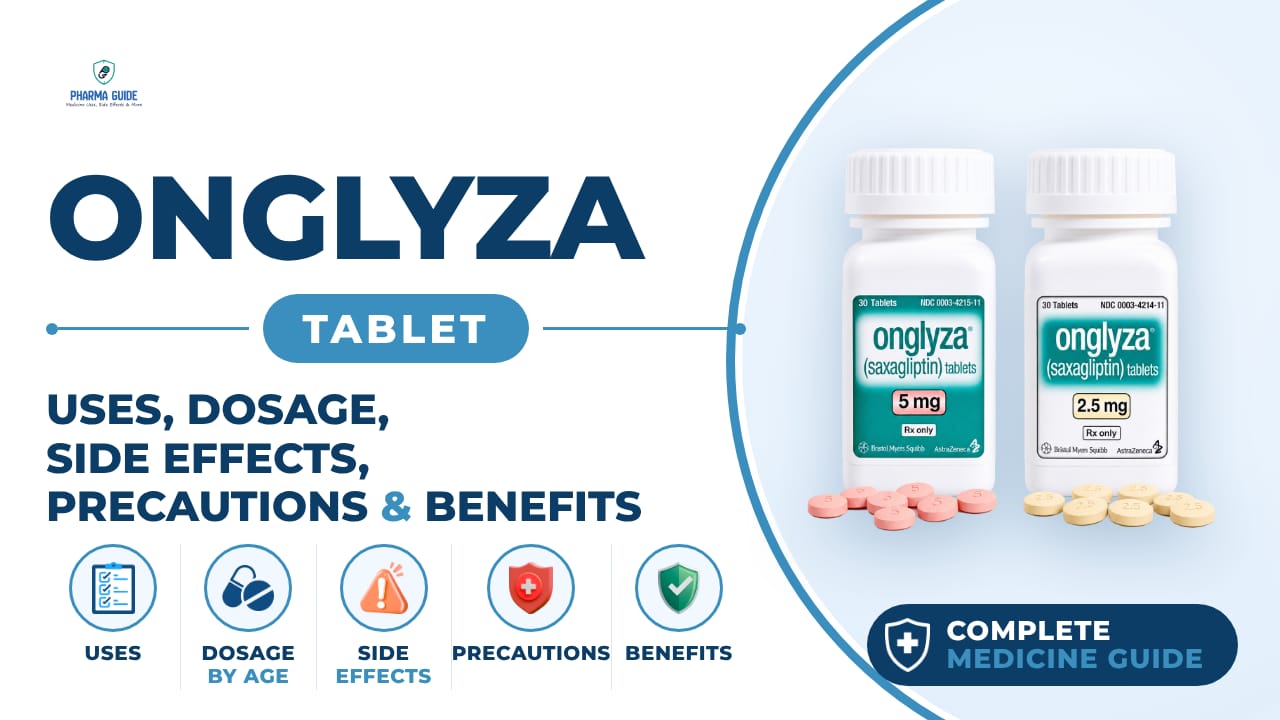
| Generic name | saxagliptin |
|---|---|
| Drug class | dipeptidyl peptidase-4 (DPP-4) inhibitor |
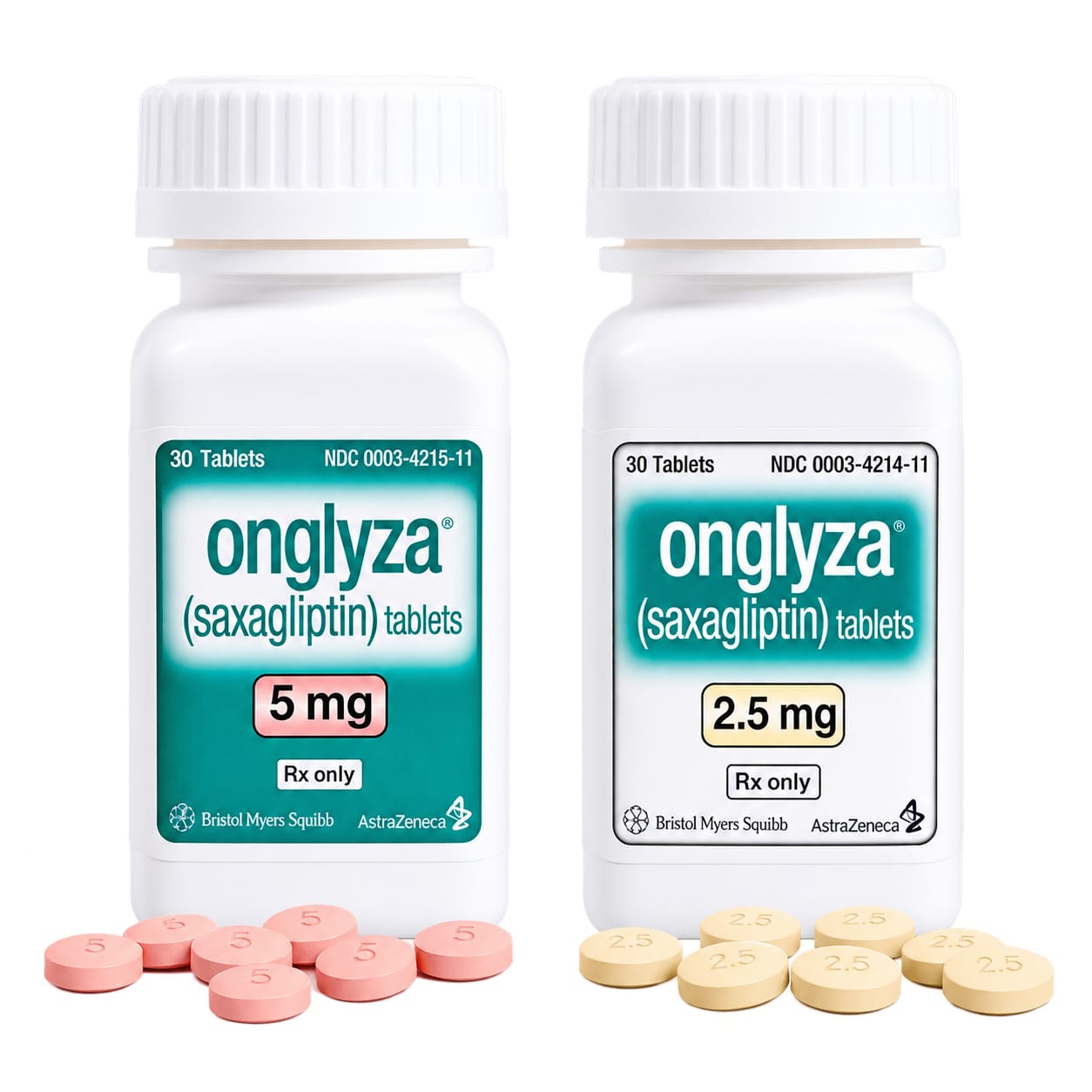
| Forms | oral tablet (2.5 mg and 5 mg film-coated tablets) |
Quick overview
Onglyza Tablet contains saxagliptin, a dipeptidyl peptidase-4 (DPP-4) inhibitor. It is a prescription medicine used along with diet and exercise to help control blood sugar in adults with type 2 diabetes. It may be used alone or combined with other diabetes medicines when diet, exercise, and a single medicine are not enough. It is taken once daily by mouth, with or without food.
What is Onglyza Tablet
Onglyza is a prescription tablet containing saxagliptin, used along with diet and exercise to help control blood sugar in adults with type 2 diabetes.
Onglyza Tablet uses
- Helps control high blood sugar in adults with type 2 diabetes, used together with diet and exercise
- Used in combination with certain other diabetes medicines (such as metformin, insulin, a sulfonylurea, or an SGLT2 inhibitor) when diet, exercise, and a single medicine are not enough
Benefits of Onglyza Tablet
- Lowers blood sugar levels in adults with type 2 diabetes
- Helps improve insulin levels after a meal
- Decreases the amount of sugar made by the body
- By itself is unlikely to cause low blood sugar because it does not work when blood sugar is already low
How Onglyza Tablet works
Onglyza helps your body release more insulin after meals when blood sugar is high, and it reduces the amount of sugar your liver makes. Over time this helps bring blood sugar levels down. It typically does not cause low blood sugar on its own because it only acts when blood sugar is high.
Onglyza Tablet dosage
Take it by mouth once a day, at about the same time each day, exactly as your doctor directs. It can be taken with or without food. Swallow the tablet whole with a full glass of water; do not cut, crush, split, or chew it. It is not approved for use in children. If you miss a dose, take it as soon as you remember, but if it is almost time for your next dose, skip the missed one — do not take two doses at once. Keep taking it every day for as long as your doctor tells you, since it controls but does not cure the condition.
| Age group | Dose |
|---|---|
| 18–64 years | 5 mg, once/day |
| 65+ years | 5 mg, once/day |
Available forms and strengths
- Oral tablet (2.5 mg and 5 mg film-coated tablets)
Side effects of Onglyza Tablet
Common
- Upper respiratory infection (like the common cold)
- Urinary tract infection
- Headache
- Mild allergic reaction (skin rash, itchiness, flushing)
- Swelling or fluid retention in hands, feet, or ankles
- Runny or stuffy nose, sore throat, cough
- Painful urination
Serious
- Pancreatitis (inflammation of the pancreas) — severe stomach pain that may spread to the back, with or without nausea or vomiting
- Heart failure — shortness of breath, cough, tiredness, swelling in the abdomen, ankles, feet, or legs, rapid weight gain
- Low blood sugar (hypoglycemia), especially when used with insulin or a sulfonylurea — dizziness, confusion, sweating, shaking, rapid heartbeat
- Severe joint pain that interferes with daily tasks or makes it hard to move or bend joints
- Bullous pemphigoid (a serious skin condition) — itchiness, rash, large blisters, or skin breakdown
- Severe allergic reaction — swelling of face, lips, tongue, or throat, difficulty breathing, hives, severe rash
Warnings and precautions
- This medicine can cause pancreatitis, which may be severe and life-threatening. Stop taking it and contact your doctor right away if you have severe stomach pain that does not go away, with or without vomiting.
- This medicine can cause heart failure, meaning the heart does not pump blood well enough. Contact your doctor right away if you have increasing shortness of breath, swelling in your feet, ankles, or legs, rapid weight gain, or unusual tiredness.
- Do not take this medicine if you are allergic to saxagliptin or any of its ingredients, or if you have had an allergic reaction to another DPP-4 inhibitor medicine.
- This medicine is not for treating type 1 diabetes or diabetic ketoacidosis (a buildup of ketones in the blood or urine); it would not work for these conditions.
- Some people taking this type of medicine have developed severe joint pain, which can occur days to years after starting treatment.
- This medicine can cause a serious skin condition called bullous pemphigoid, which can cause blisters or skin breakdown and may need hospital treatment.
- Pregnancy: It is not known for certain whether this medicine is safe during pregnancy. Managing diabetes well during pregnancy is important, so talk with your doctor about the best way to control your blood sugar if you are pregnant or planning to become pregnant.
- Breastfeeding: It is not known whether this medicine passes into breast milk or whether it can cause side effects in a breastfed child. Talk with your doctor before breastfeeding while taking it.
- Kidney: If you have kidney problems, your doctor may prescribe a lower dose, and your kidney function will be tested before and during treatment. People with kidney problems also have a higher risk of heart failure with this medicine.
- Alcohol: There is no known direct interaction between this medicine and alcohol, but drinking alcohol can raise or lower your blood sugar and make diabetes harder to manage, and can increase the risk of low blood sugar.
- Driving: Be careful driving or using machinery until you know how this medicine affects you, since it may cause dizziness and low blood sugar can slow your reaction time.
Storage
- Store between 68°F to 77°F (20°C to 25°C)
- May be briefly stored at 59–86°F (15–30°C), such as while traveling
- Avoid storing in areas where it could get damp or wet, such as bathrooms
- Keep in a cool dry place where the temperature stays below 30°C, away from moisture, heat, or sunlight; do not store in the bathroom, near a sink, in the car, or on a window sill
- Keep tablets in the blister pack until it is time to take them
- Keep out of reach of children
- If no longer needed or expired, take it to a pharmacy for safe disposal; ask your pharmacist how to dispose of unused medicine
When to see a doctor
- Stop taking the medicine and get medical help right away if you have severe stomach pain that will not go away, with or without vomiting — this could mean pancreatitis.
- Get emergency help if you have signs of a severe allergic reaction such as swelling of the face, lips, tongue, or throat, trouble breathing, or widespread rash or blistering skin.
- Call your doctor right away if you notice signs of heart failure, such as increasing shortness of breath (especially lying down), rapid weight gain, or swelling in your feet, ankles, or legs.
- Call your doctor if you develop severe or ongoing joint pain.
- Tell your doctor right away if you develop blisters or skin breakdown, as this could be a serious skin reaction.
- If you think you have taken too much of this medicine, contact your doctor or a poison control center right away, or go to the nearest emergency room if symptoms are severe.
Alternatives
- Empagliflozin
- Linagliptin
- Sitagliptin
Watch the video
FAQs
What is Onglyza Tablet used for?
Onglyza is used along with diet and exercise to help control blood sugar in adults with type 2 diabetes. It may be used alone or combined with other diabetes medicines like metformin, insulin, a sulfonylurea, or an SGLT2 inhibitor when diet, exercise, and a single medicine are not enough.
How should I take Onglyza Tablet?
Take it by mouth once a day at about the same time each day, with or without food. Swallow the tablet whole with a full glass of water; do not cut, crush, split, or chew it.
What are the serious side effects of Onglyza Tablet?
Serious side effects include pancreatitis, heart failure, low blood sugar (especially with insulin or a sulfonylurea), severe joint pain, bullous pemphigoid, and severe allergic reactions.
Can Onglyza Tablet cause low blood sugar on its own?
By itself, Onglyza is unlikely to cause low blood sugar because it does not work when blood sugar is already low. However, risk increases when used with insulin or a sulfonylurea.
What should I do if I miss a dose of Onglyza Tablet?
If you miss a dose, take it as soon as you remember, but if it is almost time for your next dose, skip the missed one and do not take two doses at once.
General information, not medical advice
Your prescriber and the leaflet in your pack know your situation. This page does not.
- Follow your prescriber and the leaflet
- Don't start, stop, or change a dose on your own
- Doses and warnings differ by country and product
Sources
Video
Related medicines
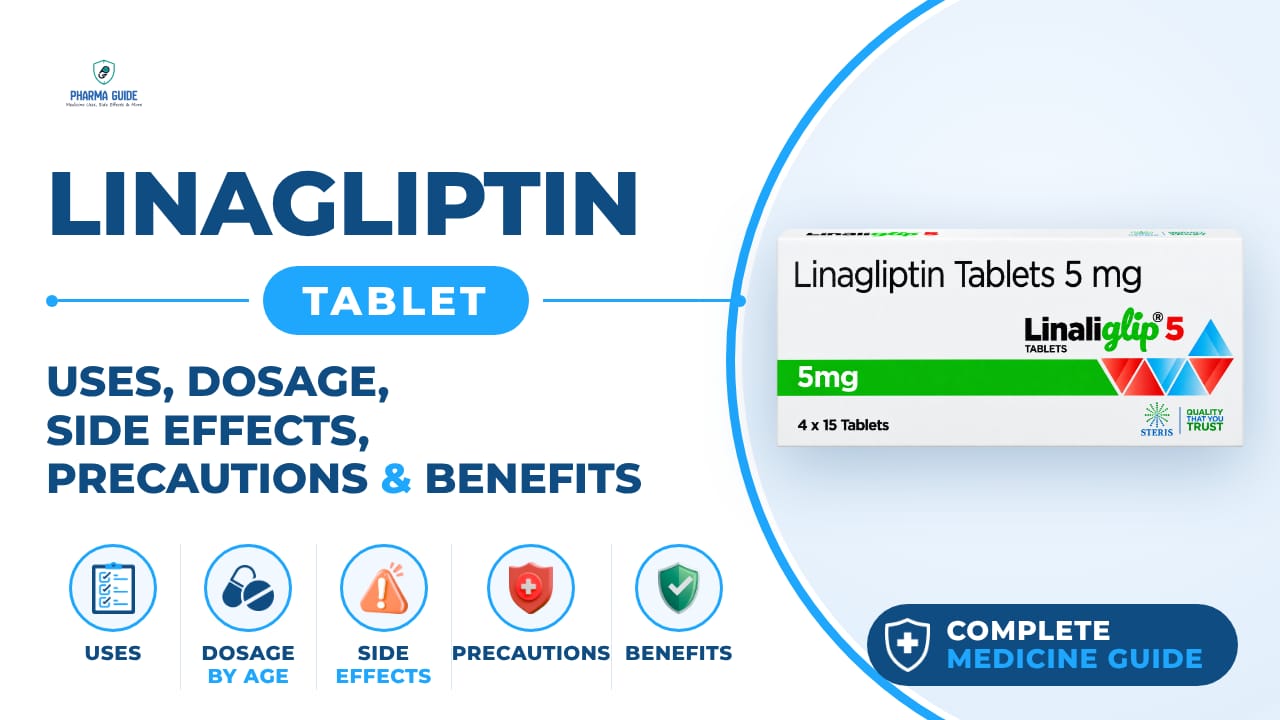
Linagliptin Tablet: Uses, Dosage, Side Effects, Precautions and Alternates
Dipeptidyl peptidase-4 (DPP-4) inhibitor
Linagliptin Tablet is a DPP-4 inhibitor used with diet and exercise to control blood sugar in type 2 diabetes. Learn dosage, benefits, side effects, and
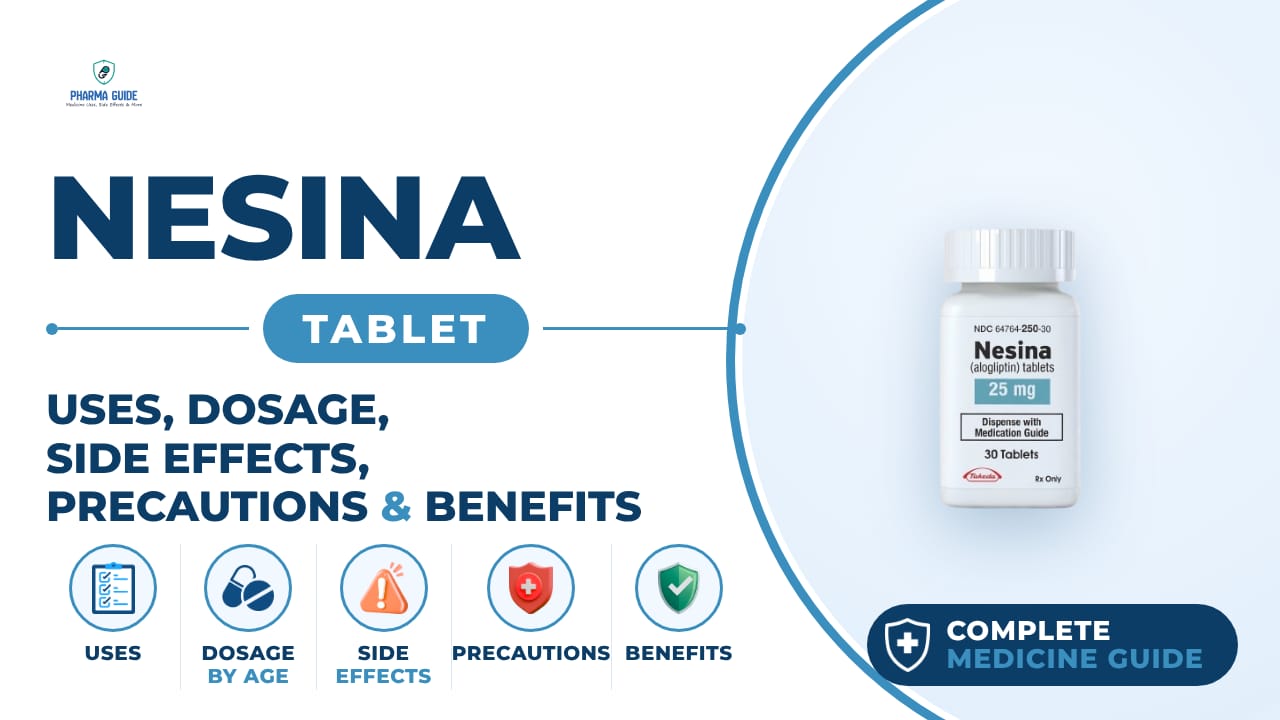
Nesina Tablet: Uses, Dosage, Side Effects, Precautions and Alternates
Dipeptidyl peptidase-4 (DPP-4) inhibitor
Nesina Tablet (alogliptin) is a DPP-4 inhibitor used with diet and exercise to control blood sugar in type 2 diabetes. Learn dosage, side effects, and warnings.