
Safety
General information, not medical advice
Your prescriber and the leaflet in your pack know your situation. This page does not.
- Follow your prescriber and the leaflet
- Don't start, stop, or change a dose on your own
- Doses and warnings differ by country and product
Linezolid Injection: Uses, Dosage, Side Effects, Precautions and Alternates
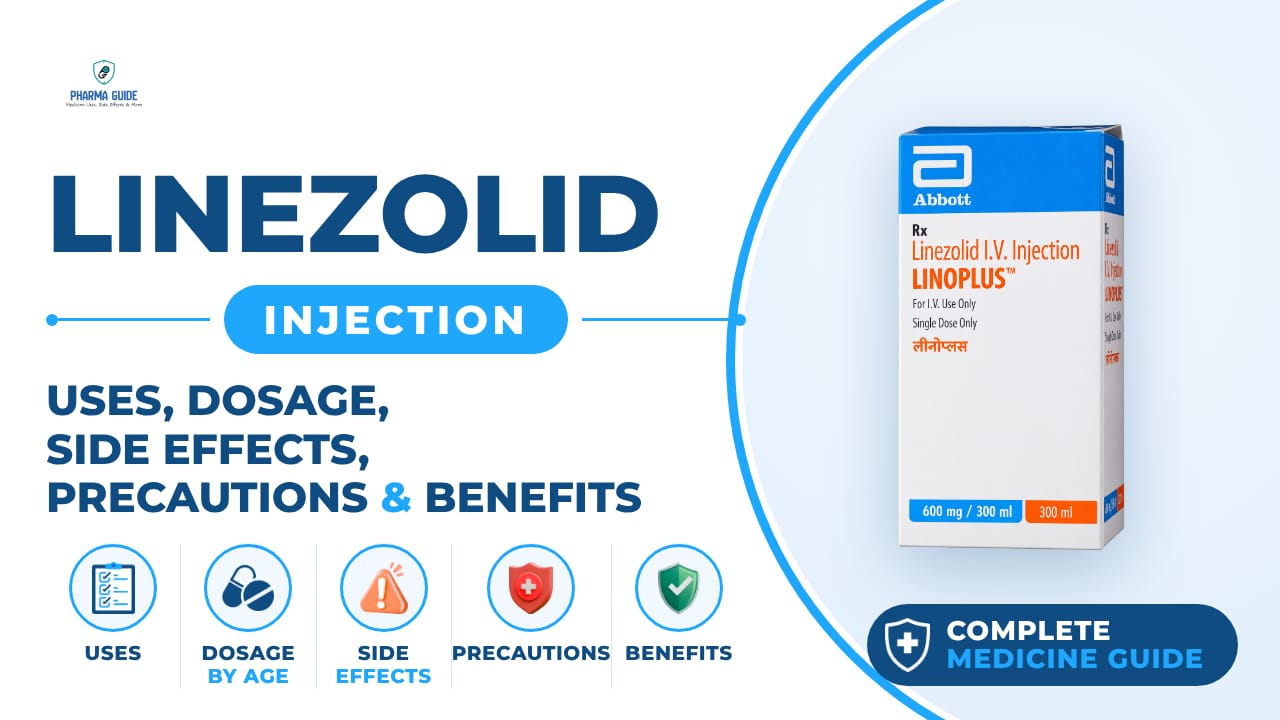
| Generic name | Linezolid |
|---|---|
| Drug class | Oxazolidinone antibiotic |
| Forms | Solution for intravenous injection/infusion |
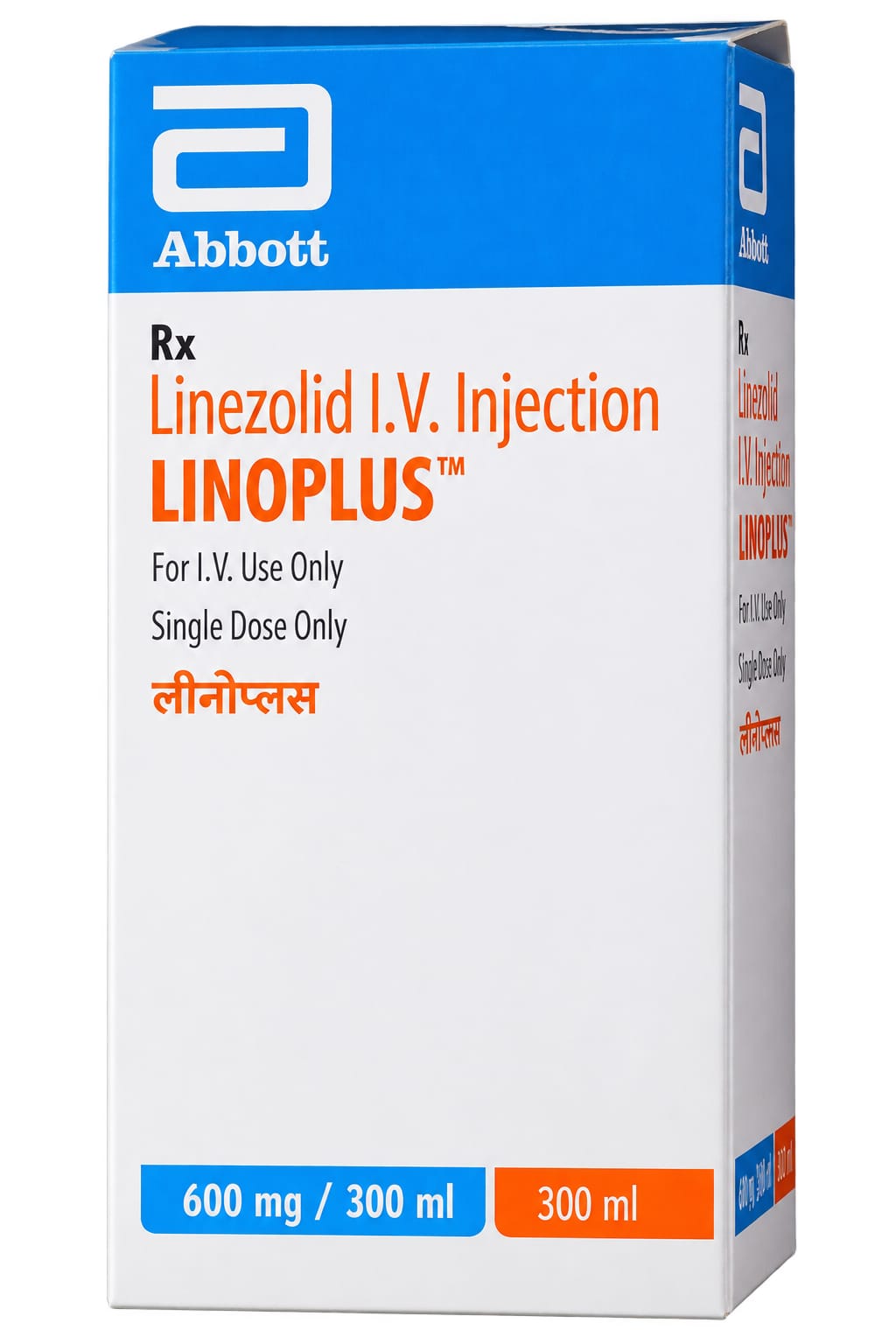
Quick overview
Linezolid Injection is an oxazolidinone antibiotic given by IV to treat certain serious bacterial infections in adults and children. It works only against bacteria, not viruses like colds or flu. It is used for infections such as pneumonia, skin infections, abdominal infections, urinary tract infections, and certain resistant bacterial infections. Once a patient improves, it can often be switched to an oral form that works the same way.
What is Linezolid Injection
Linezolid Injection is an antibiotic medicine given by IV that treats certain serious bacterial infections in adults and children. It only works against bacteria, not viruses like colds or flu.
Linezolid Injection uses
- Skin and skin structure infections, including certain diabetic foot infections
- Pneumonia caught in the hospital (nosocomial pneumonia)
- Pneumonia caught in the community (community-acquired pneumonia)
- Infections caused by vancomycin-resistant Enterococcus faecium (VREF), including bloodstream infections
- Abdominal infections
- Urinary tract infections
Benefits of Linezolid Injection
- Kills or stops the growth of many types of bacteria that cause serious infections
- Can be switched from IV to an oral form that works the same way once you improve
How Linezolid Injection works
Linezolid stops bacteria from making the proteins they need to grow and multiply, which helps control the infection. It works differently from many other antibiotics, so it can still work against some bacteria that have become resistant to other drugs.
Linezolid Injection dosage
This medicine is given only by or under the direct supervision of a doctor, through an IV catheter placed in a vein. It must be given slowly, so the IV will stay in place for a period of time during each dose. You may start on this injection and then be switched to a similar oral medicine once your condition improves. This medicine can be given with or without food.
If a dose is missed, it should be given as soon as possible, but if it is almost time for the next dose, the missed dose should be skipped; doses should not be doubled. Keep taking this medicine for as long as your doctor tells you, even if you start feeling better, unless your doctor says to stop.
| Age group | Dose |
|---|---|
| Preterm neonates <7 days | 10 mg/kg IV every 12 hours initially; specialist-directed |
| Birth–11 years | 10 mg/kg IV every 8 hours |
| 12–17 years | 600 mg IV every 12 hours |
| Adults ≥18 years | 600 mg IV every 12 hours |
Available forms and strengths
- Solution for intravenous injection/infusion
Side effects of Linezolid Injection
Common
- Headache
- Diarrhea
- Nausea
- Vomiting
- Dizziness
- Change in taste
- Fungal infections (oral thrush, vaginal yeast infection)
- Tongue discoloration
- Fever
- Insomnia
- Constipation
- Rash
- Dry mouth
- Stomach discomfort
- Increased thirst
- Ringing in the ears
Serious
- Unusual bleeding or bruising, feeling very tired or weak, shortness of breath, fever and chills, sore throat (possible blood cell problems)
- Blurred vision, changes in color vision, or loss of vision
- Numbness, tingling, prickling sensations, or burning pain
- Signs of too much acid in the blood (lactic acidosis): feeling very tired or weak, feeling cold, severe nausea with or without vomiting, stomach pain, fast breathing, fast or irregular heartbeat, muscle pain or cramps
- Allergic reactions: rash, hives, itching, swollen or blistered skin, wheezing, tightness in chest or throat, trouble breathing, swelling of mouth, face, lips, tongue, or throat
- Severe or bloody diarrhea with or without fever, stomach pain (possible bowel inflammation)
- Serotonin syndrome: severe headache, agitation, fever, fast heartbeat, flushing, seizures, shakiness, heavy sweating, changes in balance or thinking clearly, severe upset stomach and vomiting, severe loose stools
- Signs of low blood sugar: dizziness, headache, feeling sleepy, feeling weak, shaking, fast heartbeat, confusion, hunger, or sweating
- Signs of high blood sugar: blurred vision, unusual thirst, increased urination, fruit-like breath odor, rapid breathing
- Muscle pain, tenderness, weakness, or dark urine (possible severe muscle breakdown)
- Seizures or convulsions
- Symptoms of hyponatremia or SIADH: confusion, drowsiness, general weakness, rapid weight gain, swelling of face, ankles, or hands
Warnings and precautions
- Do not use this medicine if you have used a certain type of medicine for depression or Parkinson's disease (MAO inhibitors) within the past 14 days, as this combination is not safe.
- This medicine can lower white blood cells and platelets, raising the risk of infection and bleeding.
- This medicine can cause severe diarrhea, sometimes appearing two months or more after stopping treatment. Do not take anti-diarrhea medicine without checking with your doctor first.
- This medicine may cause low blood sugar, especially in people with diabetes.
- This medicine can cause a serious build-up of acid in the blood called lactic acidosis.
- Combining this medicine with certain other drugs, like some antidepressants, migraine medicines, or strong pain medicines, can cause a dangerous reaction called serotonin syndrome. Tell your doctor about all medicines you take.
- This medicine can affect your eyesight, including vision loss, especially with longer courses of treatment.
- This medicine may cause a serious muscle breakdown condition called rhabdomyolysis.
- Eating large amounts of high-tyramine foods (like aged cheese, cured meats, or certain drinks) while on this medicine can cause a dangerous rise in blood pressure.
- This medicine may cause low sodium levels in the blood, which can be serious.
- This medicine may cause temporary or lasting infertility in men.
- There isn't enough research in pregnant women to know for sure if this medicine is safe during pregnancy.
- Your doctor will weigh the potential benefits against the potential risks to your baby before prescribing it.
- Linezolid does pass into breast milk. There isn't enough information about effects on a nursing baby, though diarrhea and vomiting have occurred in infants given this medicine directly.
- Watch a breastfed baby for diarrhea or vomiting and discuss with your doctor.
- People with severe kidney disease should use this medicine with caution, as it may increase the risk of a low platelet count.
- People with moderate to severe liver disease should use this medicine with caution because it may increase the risk of a low platelet count.
Storage
- Store the injection bags at controlled room temperature between 15-30°C (or below 30°C)
- Protect from light
- Protect from freezing
- Keep the infusion bags in the overwrap until ready to use
- The solution may turn yellow over time; this does not affect how well it works
- Keep out of reach and sight of children
When to see a doctor
- Get medical help right away if you notice signs of an infection, such as fever, chills, cough, or painful urination, since this medicine can lower your ability to fight infection.
- Get medical help right away if you notice unusual bleeding, bruising, black or tarry stools, or blood in your urine or stool.
- Seek medical care right away for symptoms of a severe allergic reaction, such as rash, hives, swelling of the face or throat, wheezing, or trouble breathing.
- Get medical help right away if you develop severe or bloody diarrhea, with or without fever and stomach pain, even up to two months after finishing this medicine.
- Seek immediate medical attention if you have symptoms of serotonin syndrome, such as agitation, high fever, fast heartbeat, severe shaking, heavy sweating, or confusion.
- Get medical help right away for signs of muscle breakdown, including muscle pain, tenderness, weakness, or dark urine.
- Seek medical attention right away if you develop repeated nausea or vomiting, unexplained tiredness, fast breathing, or an irregular heartbeat, which can be signs of a dangerous acid build-up in the blood.
- Contact your doctor immediately if you have any changes in vision, including blurriness or trouble seeing colors.
- If you think you have been given too much of this medicine, contact your healthcare professional or hospital right away, even if you do not have symptoms.
Alternatives
Zyvox
Linezolid oral tablets or oral suspension
Watch the video
FAQs
What is Linezolid Injection used for?
It treats serious bacterial infections such as skin infections, hospital- and community-acquired pneumonia, infections from vancomycin-resistant Enterococcus faecium, abdominal infections, and urinary tract infections.
How is Linezolid Injection given?
It is given only by or under a doctor's supervision through an IV catheter placed in a vein, given slowly over a period of time. It can be given with or without food, and patients may later be switched to an oral form.
What should I avoid while using Linezolid Injection?
Avoid using it within 14 days of taking MAO inhibitor medicines for depression or Parkinson's disease, and avoid eating large amounts of high-tyramine foods like aged cheese or cured meats, since this combination can cause a dangerous rise in blood pressure.
What are the serious side effects of Linezolid Injection?
Serious side effects include blood cell problems, vision changes, nerve symptoms, lactic acidosis, allergic reactions, severe diarrhea, serotonin syndrome, blood sugar changes, muscle breakdown, seizures, and low sodium levels.
Can Linezolid Injection be used during pregnancy or breastfeeding?
There isn't enough research to confirm safety during pregnancy, so doctors weigh benefits against risks. Linezolid does pass into breast milk, and a breastfed baby should be watched for diarrhea or vomiting.
General information, not medical advice
Your prescriber and the leaflet in your pack know your situation. This page does not.
- Follow your prescriber and the leaflet
- Don't start, stop, or change a dose on your own
- Doses and warnings differ by country and product
Sources
- Mayo Clinic: Linezolid (intravenous route)
- Health Canada Product Monograph: Linezolid Injection (Sandoz Canada Inc.)
- Pfizer Zyvox Prescribing Information (Gulf and Levant, November 2024)
Video
Related medicines
Zyvox Tablet: Uses, Dosage, Side Effects, Precautions and Alternates
Oxazolidinone antibiotic
Zyvox Tablet (linezolid) treats serious bacterial infections like MRSA and VRE. Learn about uses, dosage, side effects, and important drug warnings.
Sivextro Tablet: Uses, Dosage, Side Effects, Precautions and Alternates
Oxazolidinone antibiotic
Sivextro Tablet is a prescription antibiotic for bacterial skin infections, taken once daily for 6 days. Learn about dosage, side effects, and precautions.