
Safety
General information, not medical advice
Your prescriber and the leaflet in your pack know your situation. This page does not.
- Follow your prescriber and the leaflet
- Don't start, stop, or change a dose on your own
- Doses and warnings differ by country and product
Linezolid Tablet: Uses, Dosage, Side Effects, Precautions and Alternates
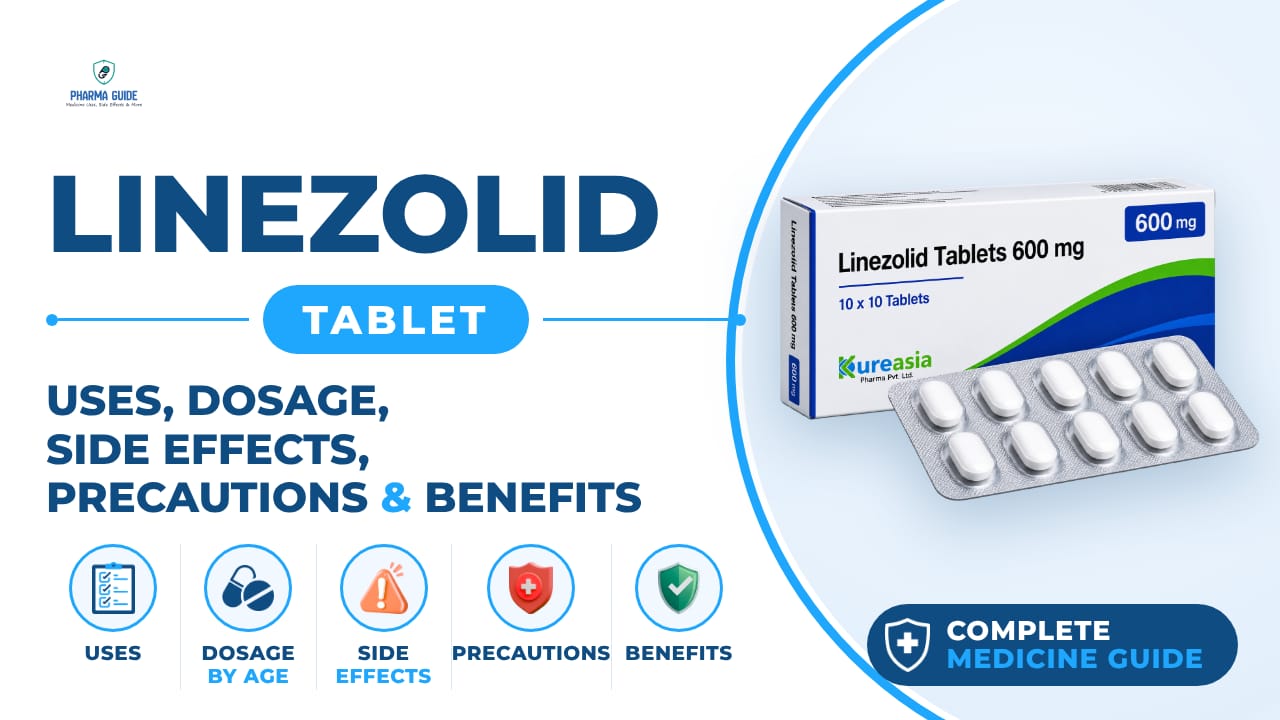
| Generic name | Linezolid |
|---|---|
| Drug class | Oxazolidinone antibiotic |
| Forms | Tablet, Oral suspension (liquid) |
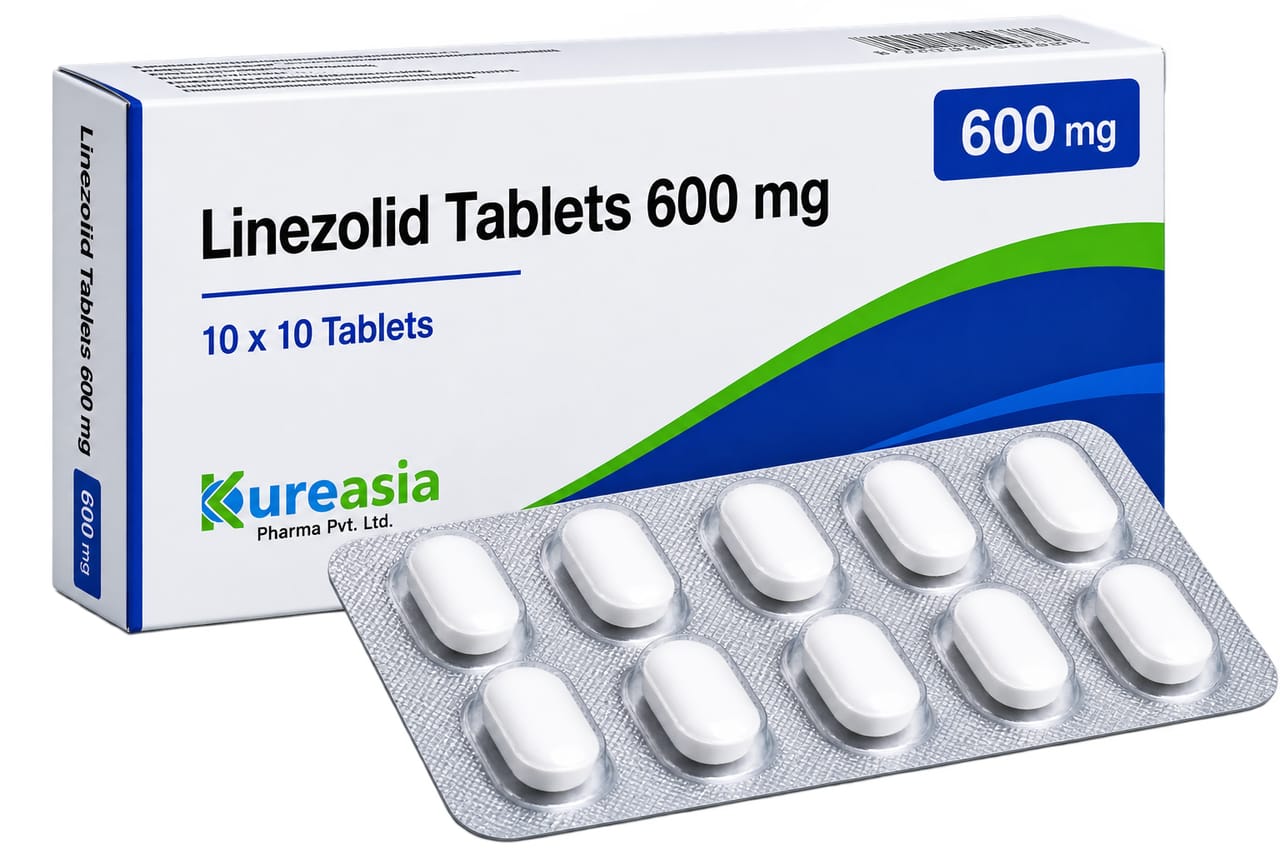
Quick overview
Linezolid Tablet contains linezolid, an antibiotic from the oxazolidinone class. It is used to treat certain bacterial infections, including pneumonia and some skin or under-the-skin infections. It will not work for colds, flu, or other viral infections. Linezolid works by stopping the growth of bacteria that cause infections.
What is Linezolid Tablet
Linezolid is an antibiotic used to treat infections caused by certain bacteria. It will not work for colds, flu, or other infections caused by viruses.
Linezolid Tablet uses
- Treating certain bacterial infections
- Treating pneumonia
- Treating some infections in the skin or under the skin
Benefits of Linezolid Tablet
- Stops the growth of bacteria that cause infections
- Can treat infections when taken as directed by a doctor
How Linezolid Tablet works
Linezolid works by stopping the growth of certain bacteria (germs) that cause infections.
Linezolid Tablet dosage
Take this medicine by mouth with or without food. If it upsets your stomach, take it with food. Take it at the same times every day, and swallow the tablet whole with some water. You can take it before, during, or after a meal. Take the full course of treatment even if you feel better, unless your doctor tells you to stop. Do not stop taking this medicine without talking to your doctor. If you are on kidney dialysis, take this medicine after your dialysis treatment. This medicine is not normally used to treat children and adolescents under 18 years old.
If you miss a dose, take it as soon as you remember. If it is almost time for the next dose, skip the missed dose and continue your regular schedule. Do not double up doses.
| Age group | Dose |
|---|---|
| Birth–11 years | 10 mg/kg every 8 hours for most indicated serious infections |
| 12–17 years | 600 mg every 12 hours |
| 18–64 years | 600 mg every 12 hours |
| 65+ years | Usually 600 mg every 12 hours; clinical monitoring recommended |
Available forms and strengths
- Tablet
- Oral suspension (liquid)
Side effects of Linezolid Tablet
Common
- Nausea, vomiting, diarrhea, stomach pain
- Headache
- Change in the way things taste (metallic taste)
- Rash, itching
- Dizziness
- White patches in the mouth (thrush)
- Irritation, burning, or itching of the vagina
- Change in color of the tongue or teeth
- Difficulty sleeping
- Increased blood pressure
- Constipation
- Indigestion
- Localized pain
Serious
- Hives; rash; itching; difficulty breathing or swallowing; swelling of the face, throat, tongue, lips, eyes, hands, or feet; or hoarseness
- Blistering or peeling skin
- Repeated nausea and vomiting; fast breathing; confusion; or feeling tired
- Pain, numbness, or weakness in hands, feet, or other parts of the body
- Severe diarrhea (watery or bloody stools) that may occur with or without fever and stomach cramps, possibly up to 2 months or more after treatment
- Changes in color vision, blurred vision, or other changes in vision
- Confusion, drowsiness, weakness, difficulty breathing; unusual bleeding or bruising
- Muscle pain or tenderness; muscle weakness; dark or cola-colored urine
- Seizures or fits
- Signs of infection such as fever, chills, cough, or sore throat
- Symptoms of serotonin syndrome such as agitation, confusion, rapid heartbeat, severe breathing problems, and diarrhea, especially with certain antidepressants or opioids
- Signs of low blood sodium such as muscle weakness, fatigue, dizziness, headache, confusion
- Signs of liver injury such as right upper belly pain, loss of appetite, nausea, light-colored stool, dark urine, yellowing of skin or eyes
- Unusual bruising or bleeding
- Unusual vaginal discharge, itching, or odor
- Ringing in the ears (tinnitus)
Warnings and precautions
- Do not take this medicine if you are taking or have taken certain medicines for depression or Parkinson's disease (MAOIs) within the last two weeks, as this can be dangerous.
- This medicine may cause serotonin syndrome, a potentially life-threatening condition, especially when combined with certain antidepressants or opioid medicines.
- This medicine may cause serious muscle breakdown (rhabdomyolysis), which can lead to kidney damage.
- This medicine is not normally used in children and adolescents under 18 years old.
- This medicine may decrease fertility in men.
- Avoid eating large amounts of foods containing tyramine, such as aged cheese, smoked or cured meats, and fermented or pickled foods, as this can interact with the medicine.
- The effect of this medicine in pregnant women is not known. It should not be taken during pregnancy unless your doctor advises it.
- You should not breastfeed while taking this medicine because it passes into breast milk and could affect the baby.
- Tell your doctor if you have kidney problems, especially if you are on dialysis. If you are on kidney dialysis, take this medicine after your dialysis session.
- Tell your doctor if you have liver problems before taking this medicine.
- Avoid drinking alcohol, especially draught beers and wine, while taking this medicine because it may interact with a substance called tyramine and raise your blood pressure.
- This medicine may make you feel dizzy or cause vision problems. If this happens, do not drive or use machinery.
Storage
- Keep this medicine out of the sight and reach of children
- Do not use this medicine after the expiry date shown on the carton and blister
- This medicinal product does not require any special storage conditions
- Do not throw away medicines via wastewater or household waste; ask your pharmacist how to dispose of medicines you no longer use
- Keep the medication in the container it came in, tightly closed, and out of reach of children
- Store at room temperature and away from light and excess heat and moisture (not in the bathroom)
- Dispose of unneeded medications so that pets, children, and other people cannot take them; do not flush this medication down the toilet; use a medicine take-back program
When to see a doctor
- Get medical help right away if you have signs of an allergic reaction, such as hives, rash, itching, swelling of the face, lips, tongue, or throat, or difficulty breathing.
- Get medical help right away if you notice blistering or peeling skin.
- Get medical help right away if you have severe or bloody diarrhea, which can occur even up to two months after finishing treatment.
- Get medical help right away if you notice changes in your vision, such as blurred vision or changes in color vision.
- Get medical help right away if you have signs of serotonin syndrome, such as fever, sweating, restlessness, trouble moving or balancing, stiff muscles, unusual eye movements, or shaking.
- Get medical help right away if you have unexplained muscle pain, tenderness, or weakness, or dark urine, which can be signs of serious muscle breakdown.
- Get medical help right away if you have confusion, drowsiness, weakness, difficulty breathing, or unusual bleeding or bruising.
- If you think you have taken too much of this medicine, contact your doctor or a poison control center right away.
Alternatives
- Vancomycin
- Daptomycin
- Ceftaroline
- Teicoplanin
- Clindamycin
- Doxycycline
Watch the video
FAQs
What is Linezolid Tablet used for?
Linezolid Tablet is used to treat certain bacterial infections, including pneumonia and some infections in the skin or under the skin. It will not work for colds, flu, or other viral infections.
How does Linezolid Tablet work?
Linezolid works by stopping the growth of certain bacteria (germs) that cause infections.
How should I take Linezolid Tablet?
Take this medicine by mouth with or without food, at the same times every day, swallowing the tablet whole with water. Take the full course of treatment even if you feel better, unless your doctor tells you to stop. If you are on kidney dialysis, take this medicine after your dialysis treatment.
What should I avoid while taking Linezolid Tablet?
Avoid eating large amounts of foods containing tyramine, such as aged cheese, smoked or cured meats, and fermented or pickled foods, and avoid drinking alcohol, especially draught beers and wine, as these can interact with the medicine.
What are the serious side effects of Linezolid Tablet?
Serious side effects include allergic reactions, blistering or peeling skin, severe or bloody diarrhea, vision changes, serotonin syndrome, muscle breakdown, seizures, liver injury signs, and low blood sodium signs.
General information, not medical advice
Your prescriber and the leaflet in your pack know your situation. This page does not.
- Follow your prescriber and the leaflet
- Don't start, stop, or change a dose on your own
- Doses and warnings differ by country and product
Sources
Video
Related medicines
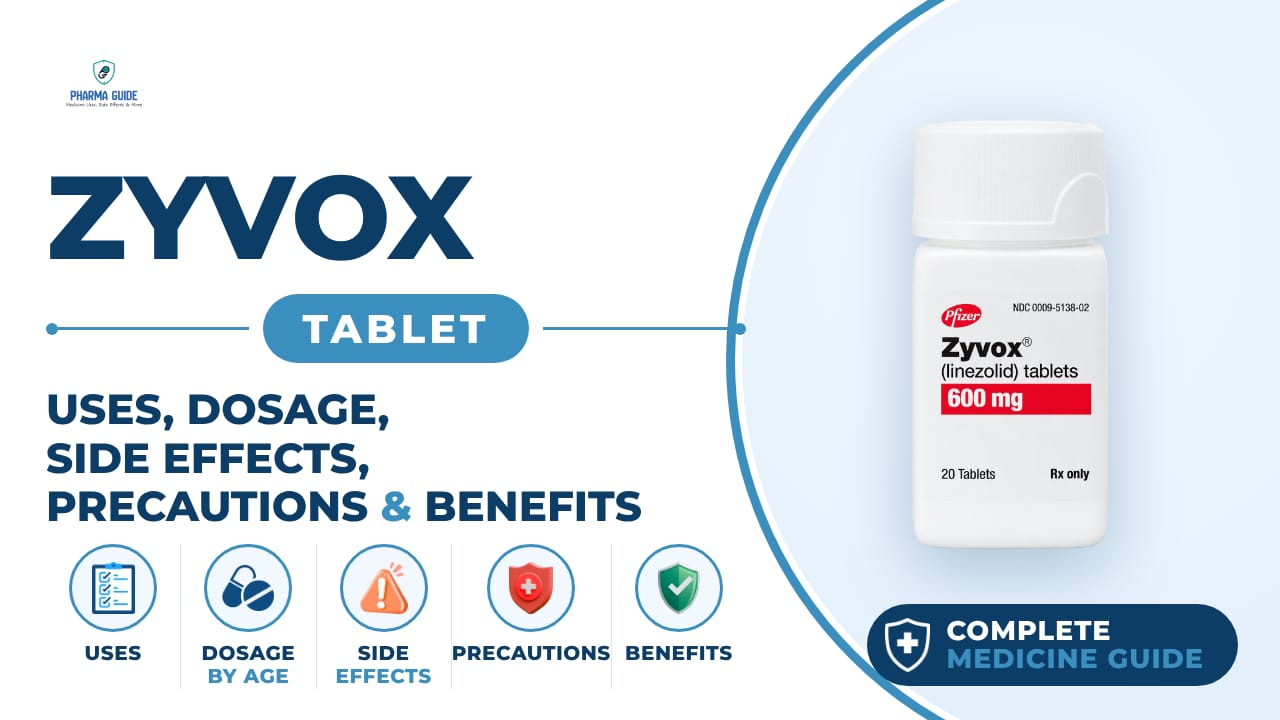
Zyvox Tablet: Uses, Dosage, Side Effects, Precautions and Alternates
Oxazolidinone antibiotic
Zyvox Tablet (linezolid) treats serious bacterial infections like MRSA and VRE. Learn about uses, dosage, side effects, and important drug warnings.
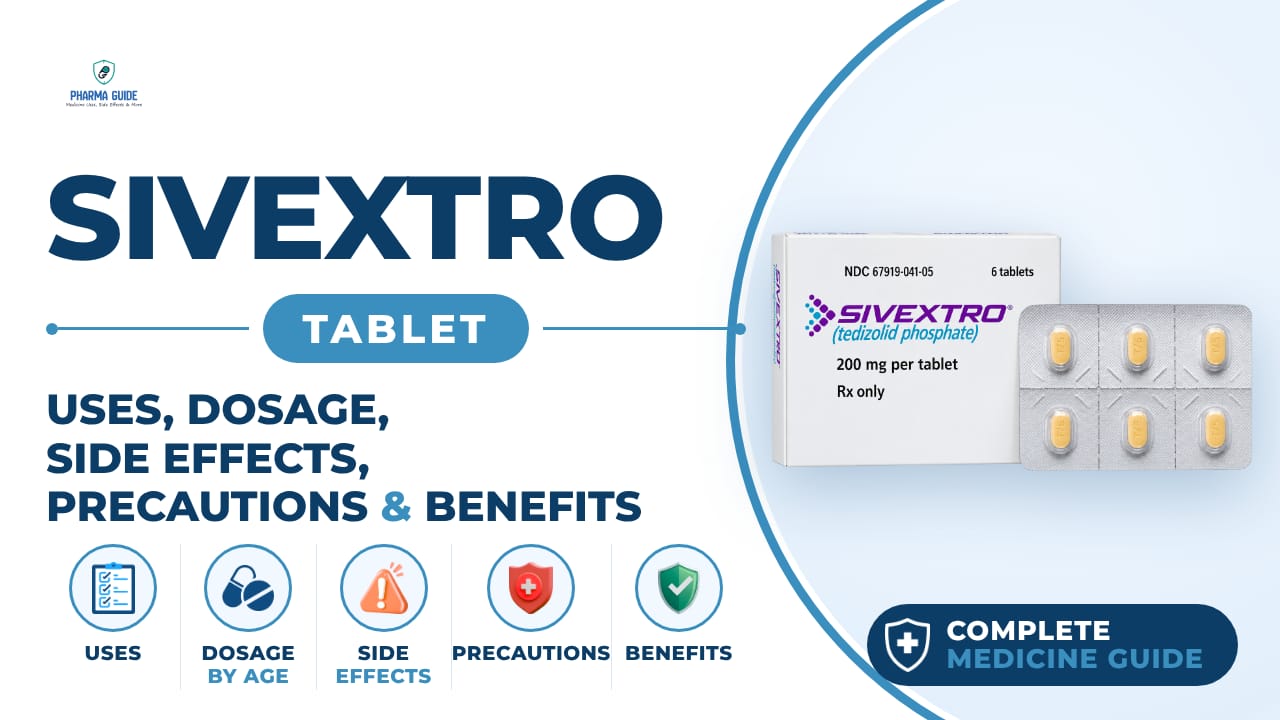
Sivextro Tablet: Uses, Dosage, Side Effects, Precautions and Alternates
Oxazolidinone antibiotic
Sivextro Tablet is a prescription antibiotic for bacterial skin infections, taken once daily for 6 days. Learn about dosage, side effects, and precautions.