
Safety
General information, not medical advice
Your prescriber and the leaflet in your pack know your situation. This page does not.
- Follow your prescriber and the leaflet
- Don't start, stop, or change a dose on your own
- Doses and warnings differ by country and product
Lixisenatide Injection: Uses, Dosage, Side Effects, Precautions and Alternates
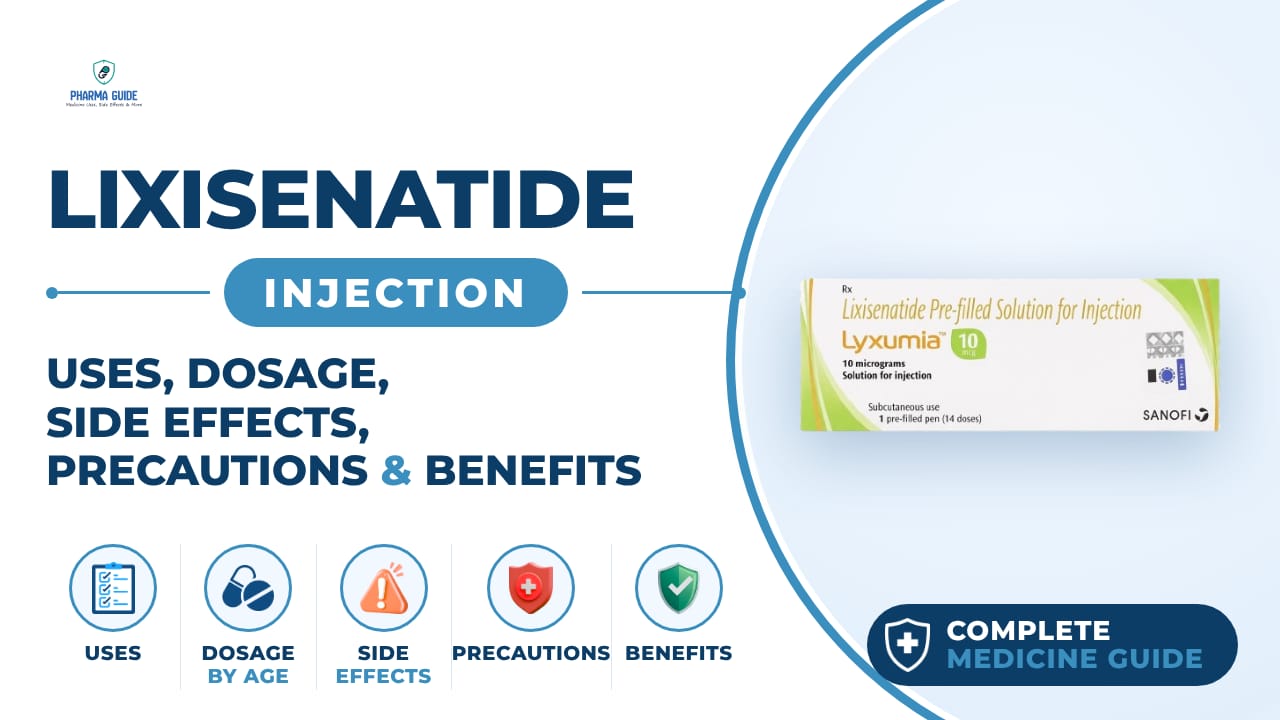
| Generic name | Lixisenatide |
|---|---|
| Drug class | GLP-1 receptor agonist (glucagon-like peptide-1 receptor agonist / incretin mimetic) |
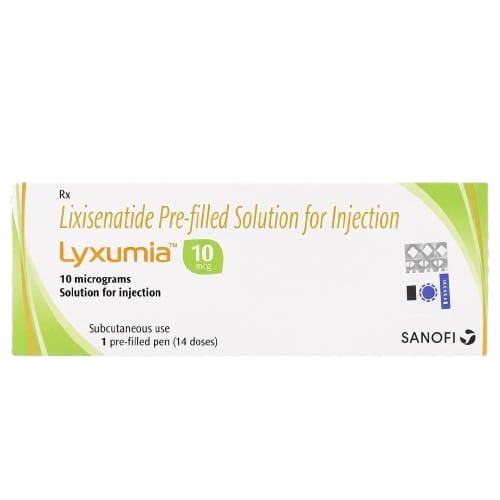
| Forms | Injection |
Quick overview
Lixisenatide Injection (generic name: lixisenatide) is a GLP-1 receptor agonist used along with diet and exercise to help control blood sugar in adults with type 2 diabetes. It is not for use in people with type 1 diabetes. It is given as a once-daily injection before the first meal of the day and may be used together with other diabetes medicines for additional glucose control.
What is Lixisenatide Injection
Lixisenatide is an injectable medicine that copies the action of a natural body hormone called GLP-1. It is used along with diet and exercise to help control blood sugar in adults with type 2 diabetes. It is not for people with type 1 diabetes.
Lixisenatide Injection uses
- Type 2 diabetes
- Improving blood sugar control with diet and exercise
- Additional glucose control with other diabetes medicines
- Managing high blood sugar in adults with type 2 diabetes
- Supporting long-term blood sugar management
Benefits of Lixisenatide Injection
- Helps lower blood sugar
- Improves glucose control
- Supports diabetes management
- May reduce appetite
- May support weight reduction
How Lixisenatide Injection works
Lixisenatide copies a natural hormone in the body called GLP-1. It tells the pancreas to release more insulin when blood sugar is high, reduces the release of a hormone called glucagon that raises blood sugar, and slows down how fast food leaves the stomach, which helps prevent blood sugar spikes after meals and helps you feel full sooner.
Lixisenatide Injection dosage
Use this medicine once a day, within one hour (60 minutes) before the first meal of the day, at about the same time every day. It is best to inject it before the same meal each day, whichever meal is most convenient for you. Inject under the skin (subcutaneously) in the abdomen, thigh, or upper arm — do not inject into a vein or muscle. Change (rotate) the exact injection spot within the chosen area each time; do not use the exact same spot repeatedly.
Check that the liquid is clear and colorless with no particles before each use; do not use it if it looks cloudy, colored, or has particles. Use a new needle for every injection and do not share your pen with anyone else, even if the needle is changed.
If you miss a dose, inject it within the hour before your next meal; do not take two doses at once to make up for a missed dose. Take oral antibiotics or acetaminophen at least one hour before your injection, or with a meal/snack at another time, since this medicine slows stomach emptying and can affect how other oral medicines are absorbed. If you take birth control pills by mouth, take them at least one hour before or eleven hours after your injection of this medicine.
Continue following the meal plan, exercise routine, and blood sugar testing schedule recommended by your doctor. Do not stop using this medicine without talking to your doctor, as this can cause your blood sugar to rise.
| Age group | Dose |
|---|---|
| Under 18 years | Not recommended |
| 18–64 years | 10–20 mcg, once/day |
| 65+ years | 10–20 mcg, once/day |
Available forms and strengths
- Injection
Side effects of Lixisenatide Injection
Common
- Nausea
- Vomiting
- Headache
- Diarrhea
- Feeling dizzy
- Indigestion
- Constipation
- Bloating
- Pain, itching, or redness at the injection site
Serious
- Severe allergic reactions (anaphylaxis), including swelling of the face, lips, tongue, or throat and difficulty breathing or swallowing
- Inflammation of the pancreas (pancreatitis), which may be severe and lead to death
- Low blood sugar (hypoglycemia), especially when used with a sulfonylurea or insulin
- Kidney problems, including acute kidney injury or worsening of kidney failure
- Gallbladder problems (pain in the upper stomach, fever, yellowing of skin or eyes, clay-colored stools)
- Increased chance of food or liquid getting into the lungs during surgery or procedures using general anesthesia or deep sedation
- Fast or irregular heartbeat (tachycardia) or palpitations
Warnings and precautions
- It is not known if this medicine will harm an unborn baby. It should not be used during pregnancy; insulin is recommended instead if blood sugar control is needed during pregnancy. It is not known if this medicine passes into breast milk, and it should not be used while breastfeeding.
- No dose change is needed for mild or moderate kidney problems, but this medicine is not recommended for people with severe kidney impairment or kidney failure because there isn't enough experience with it in these patients. No dose adjustment is needed for patients with liver problems.
- This medicine by itself has little to no effect on your ability to drive or use machines, but if you also take a sulfonylurea or basal insulin, you should take care to avoid low blood sugar while driving or using machines.
- This medicine has not been studied in people with a history of pancreatitis or with a stomach condition that causes slow stomach emptying (gastroparesis), and it is not recommended for people with slow stomach emptying.
- Never share your pen with another person, even if you change the needle, because this could spread a serious infection.
- This medicine should not be used together with both a basal insulin and a sulfonylurea at the same time, because this increases the risk of low blood sugar.
- People taking this medicine should be aware that dehydration from vomiting, nausea, or diarrhea could worsen kidney function, so it's important to drink enough fluids.
- This medicine can slow the absorption of other oral medicines, so some drugs like antibiotics need to be timed carefully around your injection.
Storage
- Store new, unused pens in the refrigerator at 36°F to 46°F (2°C to 8°C)
- Do not freeze; do not use the medicine if it has been frozen
- After first use, store the pen at room temperature, no higher than 86°F (30°C)
- After activation, use the pen for up to 14 days, then throw it away even if some medicine is left
- Protect the pen from light; replace the pen cap after each use
- Do not store the pen with the needle attached
- Do not use past the expiration date printed on the label
- Keep the pen, needles, and all medicines out of the reach of children
- Dispose of needles in a puncture-resistant sharps container, and ask your pharmacist about proper disposal of medicines and needles; do not flush medicine down the toilet
When to see a doctor
- Stop using this medicine and get medical help right away if you have symptoms of a severe allergic reaction, such as swelling of the face, lips, tongue, or throat, or trouble breathing or swallowing.
- Stop taking this medicine and contact a doctor right away if you have severe and persistent pain in your stomach area that may spread to your back, with or without vomiting, as this could be a sign of pancreatitis.
- Tell your healthcare provider right away if you get symptoms of gallbladder problems, such as pain in your upper stomach, fever, yellowing of the skin or eyes, or clay-colored stools.
- Talk with your healthcare provider about how to treat low blood sugar if you have symptoms such as headache, drowsiness, weakness, hunger, fast heartbeat, dizziness, confusion, irritability, sweating, or feeling jittery.
- Tell all your healthcare providers that you are taking this medicine before you are scheduled to have surgery or other procedures that use general anesthesia or deep sedation.
Alternatives
- Dulaglutide
- Liraglutide
- Exenatide
Watch the video
FAQs
What is Lixisenatide Injection used for?
It is used along with diet and exercise to help control blood sugar in adults with type 2 diabetes, and may be combined with other diabetes medicines for additional glucose control.
How is Lixisenatide Injection taken?
It is injected once a day within one hour before the first meal of the day, at about the same time daily, under the skin in the abdomen, thigh, or upper arm, rotating the injection site each time.
What are the common side effects of Lixisenatide Injection?
Common side effects include nausea, vomiting, headache, diarrhea, dizziness, indigestion, constipation, bloating, and pain, itching, or redness at the injection site.
Can Lixisenatide Injection be used during pregnancy?
No, it should not be used during pregnancy since it is not known if it will harm an unborn baby; insulin is recommended instead if blood sugar control is needed.
How should Lixisenatide Injection be stored?
Store new, unused pens in the refrigerator at 36°F to 46°F, avoid freezing, and after first use keep the pen at room temperature no higher than 86°F, using it within 14 days before discarding.
General information, not medical advice
Your prescriber and the leaflet in your pack know your situation. This page does not.
- Follow your prescriber and the leaflet
- Don't start, stop, or change a dose on your own
- Doses and warnings differ by country and product
Sources
Video
Related medicines

Injectafer Injection: Uses, Dosage, Side Effects, Precautions and Alternates
Iron products
Injectafer (ferric carboxymaltose) treats iron deficiency anemia and heart failure-related iron deficiency via IV. Learn uses, dosage, side effects, and

Gliclazide Tablet: Uses, Dosage, Side Effects, Precautions and Alternates
Sulfonylurea (hypoglycemic/antidiabetic agent)
Gliclazide Tablet is a sulfonylurea for type 2 diabetes that boosts insulin release. Learn about dosage, side effects, warnings, and precautions.