
Safety
General information, not medical advice
Your prescriber and the leaflet in your pack know your situation. This page does not.
- Follow your prescriber and the leaflet
- Don't start, stop, or change a dose on your own
- Doses and warnings differ by country and product
Loperamide Capsule: Uses, Dosage, Side Effects, Precautions and Alternates
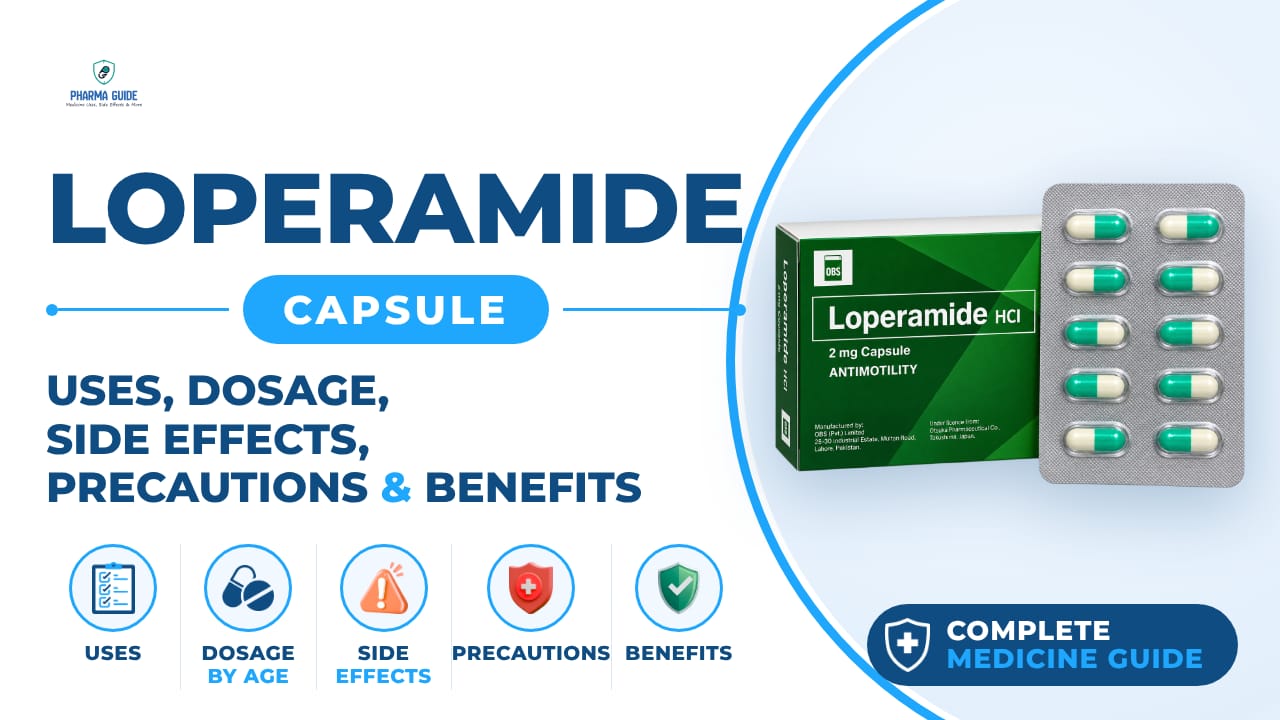
| Generic name | Loperamide hydrochloride |
|---|---|
| Drug class | Antidiarrheal |
| Forms | Capsules, Tablets, Oral liquid/solution, Oral suspension, Chewable tablets, Orodispersible tablets |
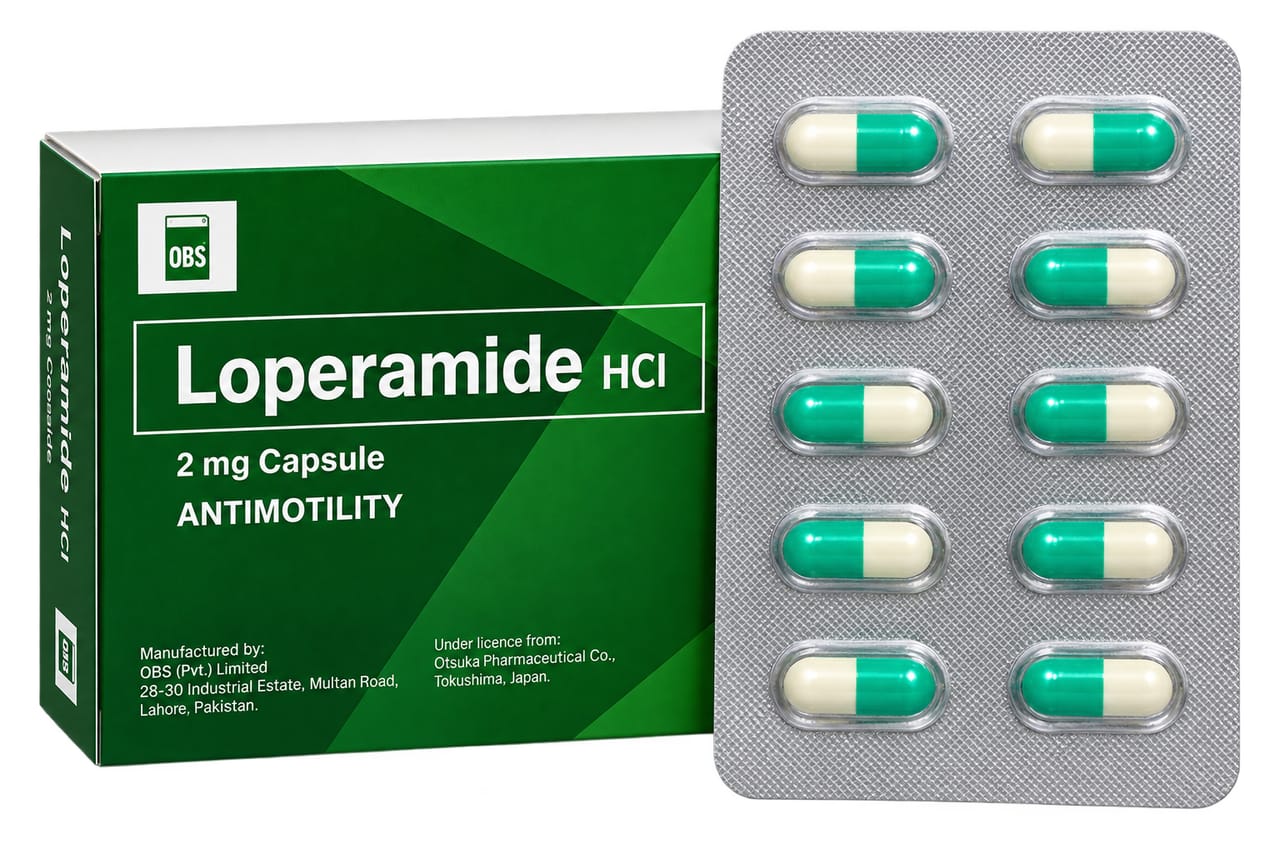
Quick overview
Loperamide Capsule (loperamide hydrochloride) is an antidiarrheal medicine used to treat occasional or short-term diarrhea, as well as diarrhea linked to Irritable Bowel Syndrome. It works by slowing down the movement of the gut, helping the body reabsorb fluids and salts. It is usually used for a short period of time and should be taken exactly as directed.
What is Loperamide Capsule
Loperamide is a medicine used to treat diarrhea. It belongs to a group of medicines called antidiarrheals and is usually used for a short period of time.
Loperamide Capsule uses
- Treats occasional or short-term diarrhea
- Treats diarrhea in people diagnosed with Irritable Bowel Syndrome (IBS)
- Reduces the amount of stool in people who have an ileostomy
- Used off-label to manage chemotherapy-related diarrhea
Benefits of Loperamide Capsule
- Slows down an overactive bowel, which decreases the number of bowel movements
- Allows water and salts that are usually lost in diarrhea to be absorbed back into the body
How Loperamide Capsule works
Loperamide slows down the movement of the gut by acting on receptors in the intestines. This gives the body more time to absorb fluids and salts, making stools less watery and reducing how often you need to go to the bathroom.
Loperamide Capsule dosage
Take by mouth with a full glass of water. Swallow capsules whole with a drink of water. For short-term diarrhea, this medicine is for adults and children aged 12 and over. For IBS diarrhea, it is only for adults aged 18 and over who have been diagnosed with IBS by a doctor. Do not take more than the recommended amount in a 24-hour period, and do not use for an attack lasting longer than 48 hours without talking to a doctor. Drink more liquid than usual to replace fluids lost from diarrhea. Only take this medicine as needed, following the dosing instructions carefully. If you forget a dose, take a dose after the next loose stool; do not take a double dose.
| Age group | Dose |
|---|---|
| 2–5 years | Capsule form not recommended; use only under medical supervision |
| 6–11 years | Pediatric dosing should be age/weight-based; capsules may not be appropriate |
| 12–17 years | 4 mg initially, then 2 mg after each loose stool, according to local labeling |
| 18–64 years | 4 mg initially, then 2 mg after each loose stool |
| 65+ years | Usually adult dosing; consider medical conditions and other medicines |
Available forms and strengths
- Capsules
- Tablets
- Oral liquid/solution
- Oral suspension
- Chewable tablets
- Orodispersible tablets
Side effects of Loperamide Capsule
Common
- Dry mouth
- Flatulence (gas)
- Abdominal cramps or stomach pain
- Nausea
- Constipation
- Dizziness
- Drowsiness
- Headache
- Indigestion
- Tiredness
Serious
- Toxic megacolon
- Necrotizing enterocolitis
- Stevens-Johnson syndrome and toxic epidermal necrolysis (severe skin reactions)
- Syncope (fainting)
- QT/QTc interval prolongation, torsades de pointes, ventricular tachycardia
- Cardiac arrest and other ventricular arrhythmias
- Urinary retention or difficulty passing urine
- Severe constipation
- Allergic reactions including hives, swelling of face, lips, tongue or throat, and difficulty breathing
Warnings and precautions
- Taking too much loperamide can cause serious, potentially life-threatening heart problems, including a dangerous rapid heart rhythm called Torsades de Pointes, or death.
- Do not use loperamide if you have ulcerative colitis, bloody or tarry stools, diarrhea with a high fever, or diarrhea caused by antibiotics.
- Do not give this medicine to a child younger than 2 years old. Children aged 2 to 5 should only use it after checking with a doctor.
- Avoid drinking tonic water while taking loperamide, as it can interact with the medicine and may cause serious heart problems.
- This medicine is not for long-term treatment and should only be used for a short period.
- There is not enough information about using loperamide during pregnancy. Ask your doctor before taking this medicine if you are pregnant, think you might be pregnant, or are planning a pregnancy.
- You should not take loperamide while breastfeeding. Small amounts may pass into breast milk.
- Talk to your doctor before taking this medicine if you have liver disease.
- Drinking alcohol with this medication can increase the risk of dizziness or fainting spells.
- This medicine may make you feel dizzy, tired, or sleepy, and you may feel less alert. Do not drive or use machines if you are affected.
Storage
- Keep this medicine out of the sight and reach of children.
- Store below 25°C. Store in the original package.
- Do not use this medicine after the date shown as the expiry date on the packaging.
- Medicines should not be disposed of via wastewater or household waste. Ask your pharmacist how to dispose of medicines no longer required.
When to see a doctor
- Stop taking the medicine and get medical help right away if you have watery or bloody diarrhea, stomach pain or bloating, worsening diarrhea, or a fast, pounding, or fluttering heartbeat with sudden dizziness.
- Get emergency help right away for signs of an allergic reaction such as hives, difficulty breathing, or swelling of the face or throat, or for a severe skin reaction with fever, sore throat, or skin blistering and peeling.
- If you think you have taken too much of this medicine, contact a poison control center or emergency room right away.
- Talk to your doctor right away if you develop black or bloody stools, a fever, or a swollen stomach.
- Talk to your doctor if you still have diarrhea after 2 days of treatment or if you develop stomach bloating.
- Talk to a doctor as soon as possible if you have difficulty passing water, severe constipation, or narrowing of the pupils of the eye.
Alternatives
- Probiotics
- Oral Rehydration Solution (ORS)
- Diosmectite
- Racecadotril
- Bismuth Subsalicylate
Watch the video
FAQs
What is Loperamide Capsule used for?
It treats occasional or short-term diarrhea and diarrhea in people with Irritable Bowel Syndrome (IBS). It is also used to reduce stool amount in people with an ileostomy and off-label for chemotherapy-related diarrhea.
How does Loperamide Capsule work?
It slows down the movement of the gut by acting on receptors in the intestines, giving the body more time to absorb fluids and salts, which makes stools less watery and reduces how often you need to go to the bathroom.
What is the dosage for Loperamide Capsule?
For adults and children 12 and over, the usual dose is 4 mg initially, then 2 mg after each loose stool. Do not take more than the recommended amount in 24 hours, and do not use for an attack lasting longer than 48 hours without talking to a doctor.
What are the serious side effects of Loperamide Capsule?
Serious side effects include toxic megacolon, necrotizing enterocolitis, severe skin reactions, fainting, QT interval prolongation, cardiac arrest and other ventricular arrhythmias, urinary retention, severe constipation, and allergic reactions.
Can I drink tonic water while taking Loperamide Capsule?
No, you should avoid drinking tonic water while taking loperamide, as it can interact with the medicine and may cause serious heart problems.
General information, not medical advice
Your prescriber and the leaflet in your pack know your situation. This page does not.
- Follow your prescriber and the leaflet
- Don't start, stop, or change a dose on your own
- Doses and warnings differ by country and product
Sources
Video
Related medicines

Imodium Capsule: Uses, Dosage, Side Effects, Precautions and Alternates
Antidiarrheal
Imodium Capsule (Loperamide) treats acute, chronic, and traveler's diarrhea by slowing gut movement. Learn dosage, side effects, and precautions.

Injectafer Injection: Uses, Dosage, Side Effects, Precautions and Alternates
Iron products
Injectafer (ferric carboxymaltose) treats iron deficiency anemia and heart failure-related iron deficiency via IV. Learn uses, dosage, side effects, and