
Safety
General information, not medical advice
Your prescriber and the leaflet in your pack know your situation. This page does not.
- Follow your prescriber and the leaflet
- Don't start, stop, or change a dose on your own
- Doses and warnings differ by country and product
Lovastatin Tablet: Uses, Dosage, Side Effects, Precautions and Alternates
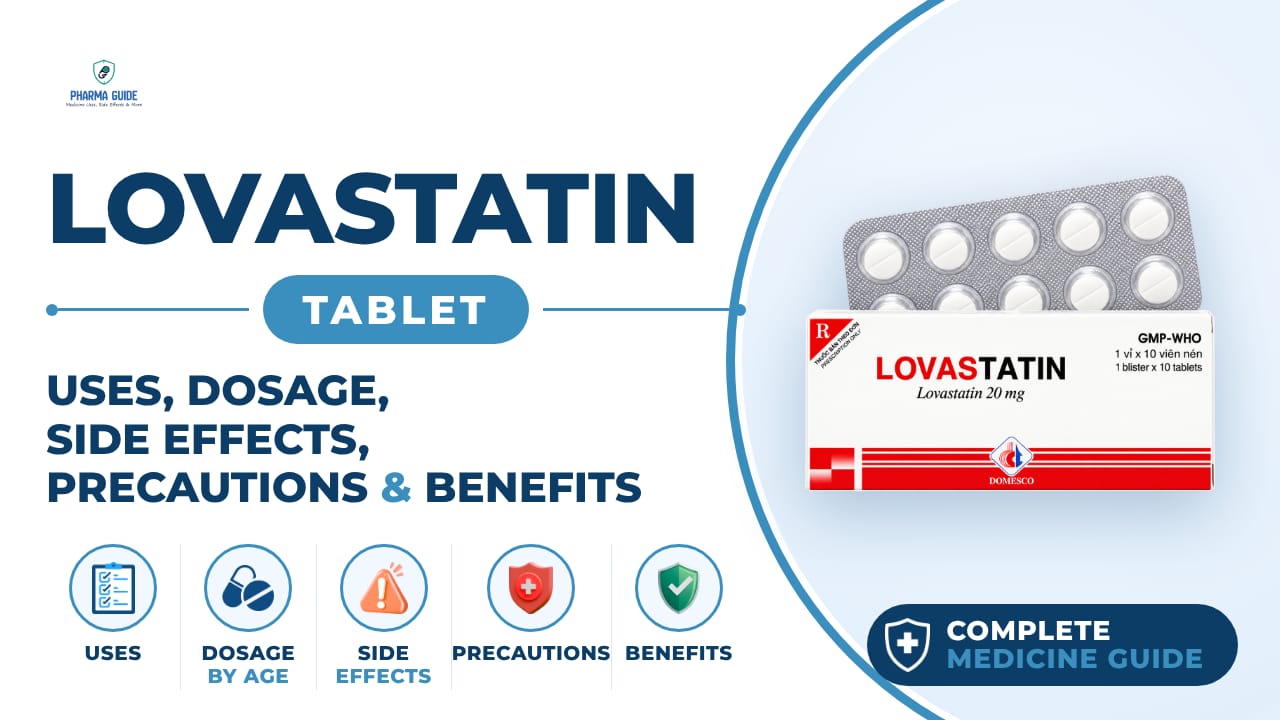
| Generic name | Lovastatin |
|---|---|
| Drug class | Lipid Metabolism Regulator (HMG-CoA reductase inhibitor / statin) |
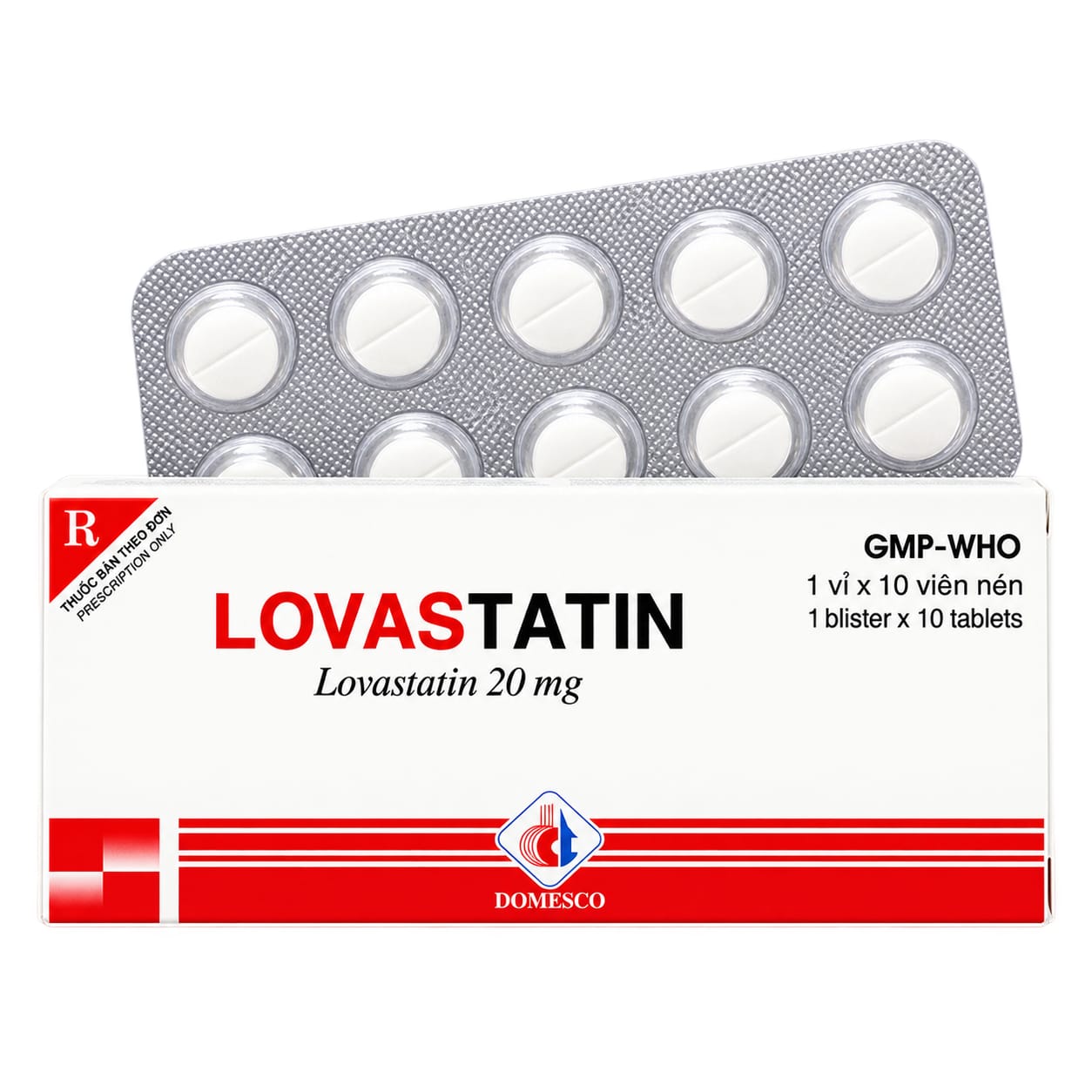
| Forms | Tablets, 20 mg, Tablets, 40 mg |
Quick overview
Lovastatin Tablet (generic name Lovastatin) is a prescription statin medicine used to help lower cholesterol and triglyceride levels in the blood. It works by reducing the amount of cholesterol the liver makes, helping to lower LDL ("bad") cholesterol and slow the progression of hardening of the arteries. It is typically used along with a cholesterol-lowering diet and is taken exactly as prescribed by a doctor.
What is Lovastatin Tablet
Lovastatin is a prescription medicine used to help lower cholesterol and fat (triglyceride) levels in the blood. It belongs to a group of medicines called statins, which work by reducing the amount of cholesterol made by the liver.
Lovastatin Tablet uses
- Helps lower elevated total cholesterol and LDL ('bad') cholesterol, used together with a cholesterol-lowering diet, in people whose cholesterol has not improved enough with diet alone
- Used to slow the progression of hardening of the arteries (atherosclerosis) in the blood vessels of the heart as part of an overall treatment plan to lower cholesterol
- Used to help lower the risk of stroke, heart attack, and other heart complications in adults with diabetes, coronary heart disease, or other risk factors
Benefits of Lovastatin Tablet
- Lowers LDL cholesterol
- Helps reduce total cholesterol
- Can lower triglycerides
- May modestly increase HDL cholesterol
- Helps reduce the risk of cardiovascular events in appropriate patients
How Lovastatin Tablet works
Lovastatin blocks an enzyme in the liver that the body needs to make cholesterol. This lowers the amount of cholesterol produced and helps the liver remove more LDL cholesterol from the blood.
Lovastatin Tablet dosage
Take your medication exactly as your physician instructed; do not change the dose unless directed by a physician. It is usually taken as a single dose with the evening meal, or split into two doses taken with the morning and evening meals, because taking it in the evening works better than taking it in the morning. Continue following any diet, exercise, or weight control plan your physician has recommended.
If you miss a dose at its usual time, take it as soon as possible, but if it is almost time for your next dose, skip the missed dose and take only your next scheduled dose — do not take a double dose. Avoid drinking large amounts of grapefruit juice while taking this medicine. If taking a resin such as cholestyramine, leave an interval of at least two hours between that medicine and lovastatin.
Keep regular appointments with your physician so your blood can be tested and your progress checked. Avoid drinking large quantities of alcohol while taking this medicine. Tell your physician or dentist you are taking this medicine before any surgery or dental procedure. Safety and effectiveness in children have not been firmly established.
| Age group | Dose |
|---|---|
| 18–64 years | Commonly 20 mg once daily with the evening meal; adjusted based on cholesterol response |
Available forms and strengths
- Tablets, 20 mg
- Tablets, 40 mg
Side effects of Lovastatin Tablet
Common
- Constipation, diarrhea, gas, stomach upset, nausea
- Abdominal pain
- Headache, dizziness
- Skin rash
- Blurred vision
- Muscle cramps or aches
- Memory problems or forgetfulness
- Depression
- Erectile dysfunction
- Trouble sleeping, including insomnia and nightmares
Serious
- Unexplained muscle pain, tenderness, or weakness (possible sign of myopathy or muscle breakdown)
- Brownish or discolored urine
- Generalized weakness, especially with fever or feeling unwell
- Signs of liver problems such as yellowing of skin or eyes, dark urine, loss of appetite, or upper right abdominal pain
- Signs of an allergic reaction such as hives, swelling of the face, lips, tongue, or throat, or difficulty breathing
- Signs of rhabdomyolysis (serious muscle breakdown) that can lead to kidney failure
- Persistent cough, shortness of breath, or fever (possible lung problem)
- Rare immune-related muscle disease (immune-mediated necrotizing myopathy) with ongoing muscle weakness
Warnings and precautions
- This medicine can rarely cause serious muscle damage (myopathy or rhabdomyolysis) that can lead to kidney failure, especially at higher doses or when combined with certain other drugs.
- Taking this medicine with certain antifungal medicines, some antibiotics, certain HIV medicines, the antidepressant nefazodone, or cyclosporine is not recommended due to a higher risk of muscle damage.
- This medicine can cause liver problems, shown as increases in liver enzyme tests; liver function should be checked before starting treatment and periodically afterward.
- Drinking large amounts of grapefruit juice can increase levels of the drug in the blood and raise the risk of side effects, so it should be avoided.
- This medicine is not recommended for use in pregnant women due to risks to the developing baby.
- Blood sugar levels may rise in some people taking this type of medicine, which could affect diabetes control.
- This medicine should not be used during pregnancy because it may harm the developing baby. If you become pregnant while taking it, stop the medicine and tell your doctor right away.
- Women taking this medicine should not breastfeed, because it is not known if the drug passes into breast milk and it could cause harm to a nursing baby.
- No dose change is usually needed for mild to moderate kidney problems, but people with severe kidney impairment need careful dosing and monitoring because of a higher risk of muscle problems.
- This medicine should not be used by people with active liver disease, and liver function should be tested before starting and periodically during treatment.
- People who drink a lot of alcohol or have a history of liver disease should use this medicine cautiously, and should avoid drinking large amounts of alcohol while taking it.
Storage
- Keep container tightly closed and store at 15°C - 30°C
- Protect from light
- Keep all medicines out of the reach of children
- Do not use outdated medicine
When to see a doctor
- Get emergency help right away if you have signs of an allergic reaction such as hives, difficulty breathing, or swelling of the face, lips, tongue, or throat.
- Contact your doctor promptly if you have unexplained muscle pain, tenderness, or weakness, especially with fever or feeling unwell, or if your urine becomes brown or discolored, since these can be signs of serious muscle or kidney damage.
- Seek medical attention if you notice signs of liver problems, such as yellowing skin or eyes, dark urine, loss of appetite, nausea, or pain in the upper right abdomen.
- If you think you may have taken too much of this medicine, contact a health care practitioner, hospital emergency department, or your local poison control center right away, even if you have no symptoms.
Alternatives
- Atorvastatin
- Rosuvastatin
- Simvastatin
- Pravastatin
Watch the video
FAQs
What is Lovastatin Tablet used for?
It is used to lower elevated total and LDL cholesterol alongside a cholesterol-lowering diet, slow the progression of atherosclerosis, and help reduce the risk of stroke, heart attack, and other heart complications in adults with diabetes, coronary heart disease, or other risk factors.
How should I take Lovastatin Tablet?
It is usually taken as a single dose with the evening meal, or split into two doses with the morning and evening meals, since evening dosing works better than morning dosing. Take it exactly as prescribed and continue any recommended diet or exercise plan.
What should I avoid while taking Lovastatin Tablet?
Avoid drinking large amounts of grapefruit juice, as it can increase drug levels and side effect risk, and avoid drinking large quantities of alcohol. If taking a resin like cholestyramine, leave at least two hours between doses.
What are the serious side effects of Lovastatin Tablet?
Serious side effects include unexplained muscle pain, tenderness, or weakness, brownish urine, signs of liver problems, allergic reactions, rhabdomyolysis, persistent cough or shortness of breath, and a rare immune-related muscle disease.
Can Lovastatin Tablet be used during pregnancy?
No, it is not recommended during pregnancy because it may harm the developing baby, and women taking it should not breastfeed.
General information, not medical advice
Your prescriber and the leaflet in your pack know your situation. This page does not.
- Follow your prescriber and the leaflet
- Don't start, stop, or change a dose on your own
- Doses and warnings differ by country and product
Sources
Video
Related medicines

Injectafer Injection: Uses, Dosage, Side Effects, Precautions and Alternates
Iron products
Injectafer (ferric carboxymaltose) treats iron deficiency anemia and heart failure-related iron deficiency via IV. Learn uses, dosage, side effects, and

Gliclazide Tablet: Uses, Dosage, Side Effects, Precautions and Alternates
Sulfonylurea (hypoglycemic/antidiabetic agent)
Gliclazide Tablet is a sulfonylurea for type 2 diabetes that boosts insulin release. Learn about dosage, side effects, warnings, and precautions.