
Safety
General information, not medical advice
Your prescriber and the leaflet in your pack know your situation. This page does not.
- Follow your prescriber and the leaflet
- Don't start, stop, or change a dose on your own
- Doses and warnings differ by country and product
Lyrica Capsule: Uses, Dosage, Side Effects, Precautions and Alternates

| Generic name | Pregabalin |
|---|---|
| Drug class | Anticonvulsant (antiepileptic/gabapentinoid) |
| Forms | Capsule, Oral solution |
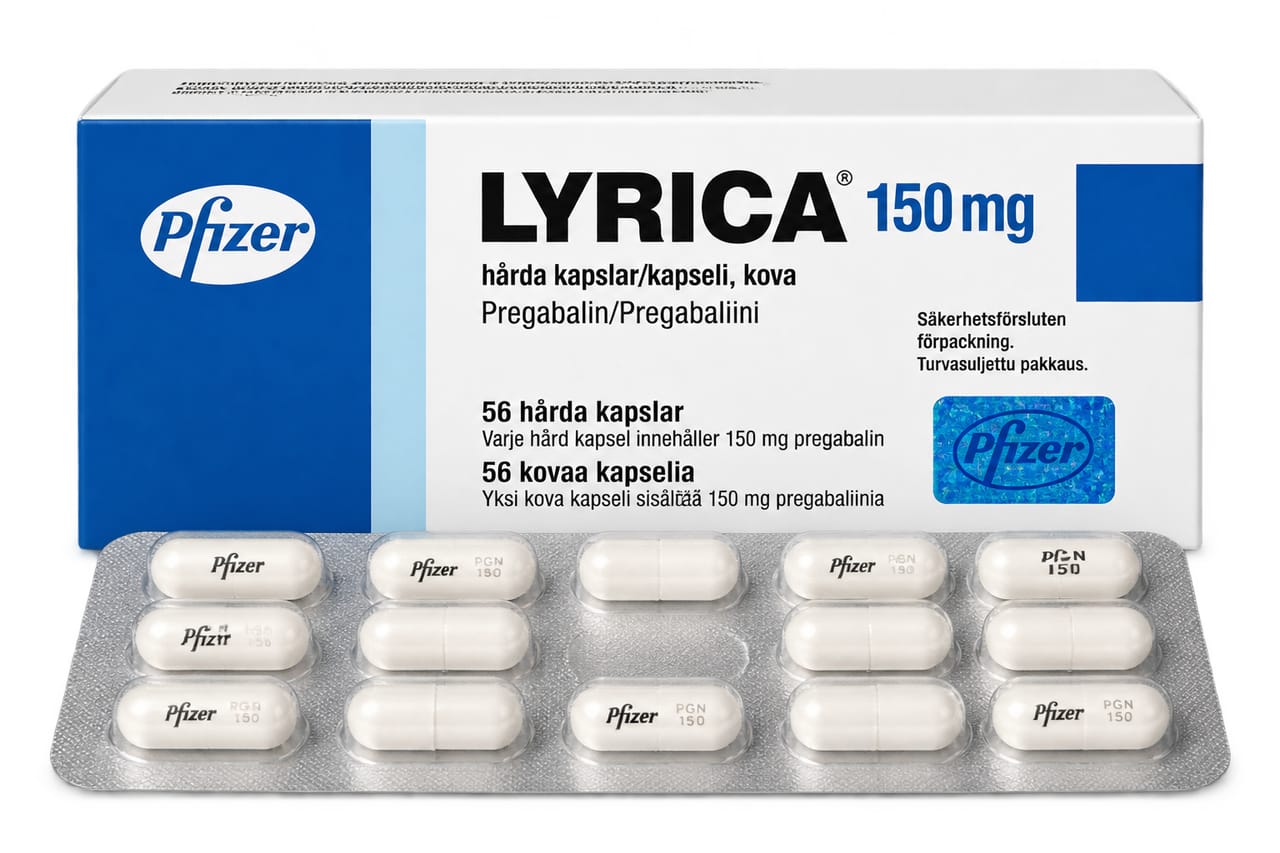
Quick overview
Lyrica Capsule contains the active ingredient pregabalin and belongs to the anticonvulsant (antiepileptic/gabapentinoid) class of medicines. It is used to treat neuropathic pain, epilepsy, and related nerve pain conditions, as well as fibromyalgia and generalized anxiety disorder. It is available as capsules, and according to other sources, also as an oral solution. Lyrica should be used exactly as prescribed, and the dose or treatment should not be stopped without checking with a doctor.
What is Lyrica Capsule
Lyrica is a prescription medicine that contains the active ingredient pregabalin. It belongs to a group of medicines called anticonvulsants and is available as capsules (and, per other sources, as an oral solution).
Lyrica Capsule uses
- Treating neuropathic pain (pain caused by damage to or abnormality of the nerves)
- Controlling epilepsy (a condition with repeated seizures/fits)
- Diabetic nerve pain (diabetic neuropathy)
- Nerve pain caused by shingles (postherpetic neuralgia)
- Fibromyalgia (widespread muscle pain and tenderness)
- Nerve pain caused by spinal cord injury
- Generalized anxiety disorder
Benefits of Lyrica Capsule
- Helps control neuropathic pain
- Helps control epilepsy/seizures
- Helps most people with neuropathic pain or epilepsy manage their condition
How Lyrica Capsule works
Lyrica is thought to work by controlling brain chemicals that send signals to nerves, which helps prevent seizures, and it also reduces pain signals sent through the nervous system.
Lyrica Capsule dosage
Swallow the capsules whole with a full glass of water; do not chew, break, or open them. Take your medicine at about the same time each day for the best effect and to help you remember. It does not matter if you take this medicine before or after food. Continue taking your medicine for as long as your doctor tells you, even if you feel well, since it controls but does not cure the condition. Do not stop taking it or lower the dose without checking with your doctor, as stopping suddenly can worsen your condition or cause withdrawal symptoms. Do not let yourself run out of medicine over weekends or holidays. If it is almost time for your next dose, skip the missed dose and take your next dose as scheduled; do not double up. This medicine is not recommended for children under 18 years old. If you are older than 65, your doctor may adjust your dose.
| Age group | Dose |
|---|---|
| Under 18 Years | Use only if prescribed by a specialist |
| Adults (18–64 Years) | Initial dose: 75 mg twice daily or 50 mg three times daily; adjusted based on condition |
| Older Adults (65+ years) | Lower starting dose; adjusted based on kidney function and response |
Available forms and strengths
- Capsule
- Oral solution
Side effects of Lyrica Capsule
Common
- Dizziness
- Feeling tired or drowsy
- Constipation
- Diarrhoea
- Nausea
- Headache
- Increase in weight
- Unsteadiness when walking, reduced co-ordination, shaking or tremors
- Dry mouth
- Blurred or double vision
- Swelling in hands or feet
- Trouble concentrating
- Increased appetite
Serious
- Unusual changes in mood or behaviour
- Signs of new or increased irritability or agitation
- Signs of depression
- Confusion
- Swelling of the hands, ankles or feet
- Enlargement of breasts
- Unexplained muscle pain, tenderness and weakness
- Passing little to no urine
- Trouble breathing, shallow breaths
- Yellowing of the skin or eye whites
- Dark coloured urine or pale-coloured stools
- Abdominal pain
- Loss of appetite
- Shortness of breath
- Irritated red eyes that are sensitive to light
- More frequent or more severe seizures (fits)
- Rash, itching or hives
- Swelling of the face, lips, tongue or other parts of the body
- Skin peeling or serious skin reactions (Stevens-Johnson syndrome, toxic epidermal necrolysis)
- Ulcers of mouth, throat, nose, genitals and eyes
- Easy bruising or unusual bleeding
Warnings and precautions
- Lyrica is not recommended during pregnancy. Taking pregabalin in the first three months of pregnancy may increase the chance of birth defects. Tell your doctor if you are pregnant or planning to become pregnant.
- The active ingredient in Lyrica passes into breast milk, and its safety for infants is unknown. It is recommended that you do not breastfeed while taking Lyrica.
- Tell your doctor if you have kidney problems, as your dose may need to be adjusted.
- Be careful when drinking alcohol while taking this medicine, as it may make dizziness and drowsiness worse.
- Be careful driving or using machines until you know how this medicine affects you, since it can cause dizziness and drowsiness.
- Before taking Lyrica, tell your doctor if you have a history of drug abuse, since Lyrica carries a risk of misuse, abuse, and dependence. Combining Lyrica with other drowsiness-causing medicines such as sleeping tablets, opioids, antihistamines, antidepressants, antipsychotics, cannabis, or alcohol can cause severe drowsiness, decreased awareness, breathing problems, coma, and death.
- Do not stop taking Lyrica or lower the dose without checking with your doctor, since stopping suddenly may worsen your condition or cause withdrawal symptoms.
- Some people taking medicines for convulsions, including Lyrica, have had thoughts of harming themselves or ending their life. Patients and caregivers should watch for warning signs.
Storage
- Keep your capsules in the pack until it is time to take them
- Keep your capsules in a cool dry place where the temperature stays below 25°C
- Do not store it in the bathroom or near a sink
- Do not leave it on a windowsill or in the car on hot days
- Keep it where children cannot reach it
- A locked cupboard at least one-and-a-half metres above the ground is a good place to store medicines
- If your doctor tells you to stop taking this medicine or the expiry date has passed, ask your pharmacist what to do with any medicine that is left over
When to see a doctor
Call your doctor right away if you notice any changes in your vision. Contact your doctor or a mental health professional right away if you or someone you know shows signs of suicidal thoughts, self-harm, or unusual changes in mood or behaviour.
Alternatives
- Gabapentin
- Amitriptyline
- Topiramate
Watch the video
FAQs
What is Lyrica Capsule used for?
Lyrica is used to treat neuropathic pain, epilepsy, diabetic nerve pain, postherpetic neuralgia, fibromyalgia, nerve pain from spinal cord injury, and generalized anxiety disorder.
How should I take Lyrica Capsule?
Swallow the capsules whole with a full glass of water without chewing, breaking, or opening them. Take it at about the same time each day, with or without food, and continue as prescribed even if you feel well.
What should I do if I miss a dose of Lyrica?
If it is almost time for your next dose, skip the missed dose and take your next dose as scheduled. Do not double up on doses.
What are the common side effects of Lyrica Capsule?
Common side effects include dizziness, drowsiness, constipation, diarrhoea, nausea, headache, weight gain, unsteadiness, dry mouth, blurred vision, swelling in hands or feet, trouble concentrating, and increased appetite.
Is Lyrica Capsule safe during pregnancy?
Lyrica is not recommended during pregnancy, as taking pregabalin in the first three months may increase the chance of birth defects. Tell your doctor if you are pregnant or planning to become pregnant.
General information, not medical advice
Your prescriber and the leaflet in your pack know your situation. This page does not.
- Follow your prescriber and the leaflet
- Don't start, stop, or change a dose on your own
- Doses and warnings differ by country and product
Sources
Video
Related medicines

Injectafer Injection: Uses, Dosage, Side Effects, Precautions and Alternates
Iron products
Injectafer (ferric carboxymaltose) treats iron deficiency anemia and heart failure-related iron deficiency via IV. Learn uses, dosage, side effects, and

Gliclazide Tablet: Uses, Dosage, Side Effects, Precautions and Alternates
Sulfonylurea (hypoglycemic/antidiabetic agent)
Gliclazide Tablet is a sulfonylurea for type 2 diabetes that boosts insulin release. Learn about dosage, side effects, warnings, and precautions.