
Safety
General information, not medical advice
Your prescriber and the leaflet in your pack know your situation. This page does not.
- Follow your prescriber and the leaflet
- Don't start, stop, or change a dose on your own
- Doses and warnings differ by country and product
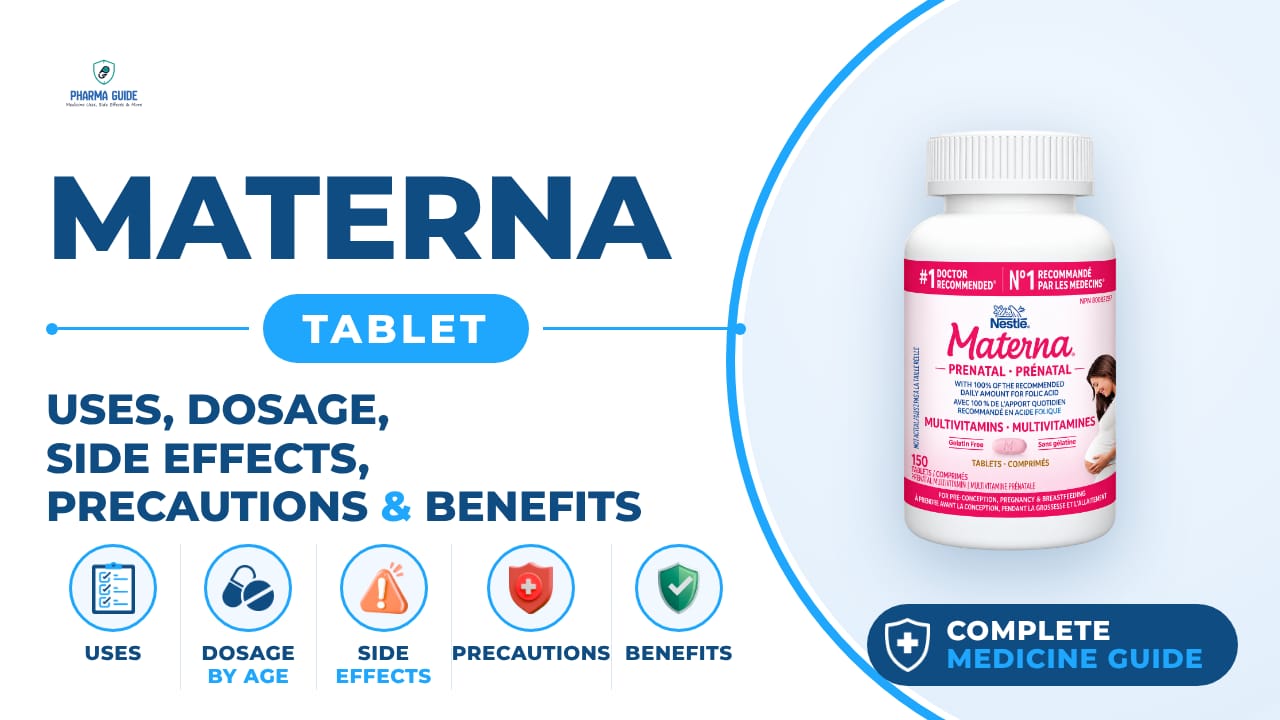
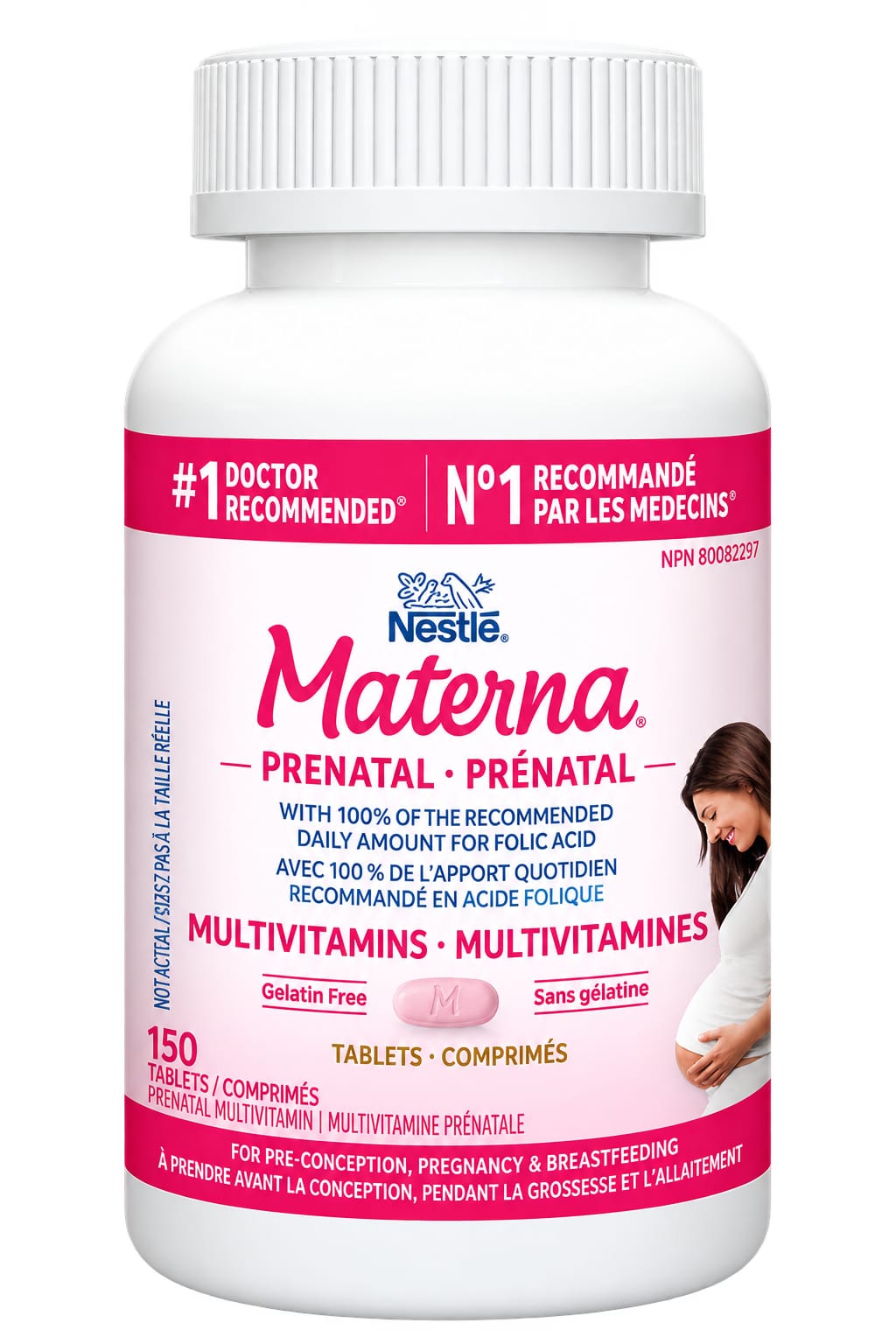
Materna Tablet: Uses, Dosage, Side Effects, Precautions and Alternates
| Generic name | Clomifene |
|---|---|
| Drug class | Synthetic ovulation stimulant |
| Forms | Tablet |
Quick overview
Materna Tablet contains clomifene, a synthetic ovulation stimulant. It is used to treat female infertility by helping trigger the release of an egg from the ovaries. It works by blocking oestrogen receptors in the brain, prompting the release of hormones that stimulate the ovaries. This medicine should be used exactly as prescribed, with certain precautions during pregnancy, breastfeeding, and other health conditions.
What is Materna Tablet
Materna Cc 100 MG Tablet is a medicine used to treat female infertility (inability of women to get pregnant). It contains clomifene, which helps trigger the release of an egg from the ovaries.
Materna Tablet uses
- Infertility due to ovulatory failure (when a woman does not ovulate regularly)
- PCOS-related infertility (particularly beneficial for women with polycystic ovary syndrome)
Benefits of Materna Tablet
- Prenatal Nutrition: Helps provide essential vitamins and minerals during pregnancy.
- Folic Acid Support: Supports normal fetal development and helps meet increased folate requirements.
- Iron Support: Provides iron needed for normal hemoglobin and red blood cell production.
- Calcium Support: Helps support normal bone and teeth development.
- Vitamin Support: Supplies essential nutrients that may be difficult to obtain in sufficient amounts from diet alone.
How Materna Tablet works
This medicine works by blocking oestrogen receptors in a part of the brain, which makes the body think oestrogen levels are lower than they really are. This causes the brain to release more of certain hormones (FSH and LH) that stimulate the ovaries and help trigger the release of an egg.
Materna Tablet dosage
This medicine can be taken with or without food. Swallow the tablet whole; do not chew, crush, or break it. It is usually taken for five days, starting on the fifth day of your period. Do not take more than three courses of treatment. It is not intended for use in children and adolescents.
| Age group | Dose |
|---|---|
| Under 12 Years | Not recommended |
| 12–17 Years | Use only if prescribed by a healthcare professional |
| Adults (18–64 Years) | Usually 1 tablet once daily, preferably with food |
| Older Adults (65+ Years) | Usually 1 tablet once daily, as advised |
Available forms and strengths
- Tablet — 100 MG
Side effects of Materna Tablet
Common
- Nausea or vomiting
- Headache
- Hot flashes/flushing (feeling of warmth and redness in the face)
- Stomach pain or bloating
- Breast pain or tenderness
- Breakthrough bleeding or spotting
- Trouble sleeping
- Anxiety and nervousness
- Weight gain
- Constipation
- Diarrhea
Serious
- Abnormal vaginal bleeding
- Blurred vision or other visual disturbances
- Yellowing of skin and eyes
- Severe allergic reaction (skin rash, itching/swelling of face/tongue/throat, severe dizziness, breathing difficulty)
- Abdominal or pelvic pain with enlargement of ovaries
Warnings and precautions
- This medicine is unsafe to use during pregnancy. It is not recommended while breastfeeding; talk to your doctor before taking it if you are breastfeeding.
- If you have kidney problems, use this medicine with caution and talk to your doctor first.
- This medicine is not recommended if you have liver conditions, as it can worsen the condition. It is not known exactly how this medicine interacts with alcohol, so it's best to check with your doctor before drinking.
- This medicine may cause blurred vision, so avoid driving or operating heavy machinery if you experience this side effect.
- Your doctor may check your hormone levels and rule out certain conditions like uterine cancer or ovarian cysts before you start this medicine.
- This medicine may increase the chance of having more than one baby at a time (twins or more). Discuss this risk with your doctor.
- This medicine is not meant for use in children under 18 years of age.
- Athletes should avoid high-risk sports like archery, racing, and shooting while taking this medicine and should check the list of banned substances published by anti-doping authorities.
- This medicine should be used with caution if you have high blood fat levels, hormone-sensitive cancer, fibroids in the womb, or a history of seizures, as it may worsen these conditions.
- Do not take this medicine if you have unexplained vaginal bleeding, ovarian cysts, a pituitary or brain tumour, thyroid or adrenal gland problems, or early menopause.
Storage
- Store below 30°C
- Protect the medicine from direct sunlight, heat, and moisture
- Keep the medicine in its original packaging until it's time to take it
- Keep out of reach of children
- Always check the expiry date before taking this medicine
When to see a doctor
- Seek immediate medical attention if you notice signs of an allergic reaction such as skin rash, itching or swelling (especially of the face, tongue, or throat), severe dizziness, or difficulty breathing.
- Contact your doctor if you experience abdominal or pelvic pain, weight gain, discomfort, or distention, as this could be a sign of ovarian enlargement.
- Stop the medicine and contact your doctor immediately if you develop any visual disturbances.
- Contact your doctor in case of an overdose.
Alternatives
- Obimin
- Pregnacare
- Prenatal Plus
Watch the video
FAQs
What is Materna Tablet used for?
Materna Tablet is used to treat female infertility, including infertility due to ovulatory failure and PCOS-related infertility, by helping trigger the release of an egg from the ovaries.
How does Materna Tablet work?
It works by blocking oestrogen receptors in a part of the brain, making the body think oestrogen levels are lower than they are. This causes the brain to release more FSH and LH hormones that stimulate the ovaries and help trigger ovulation.
How should Materna Tablet be taken?
It can be taken with or without food and should be swallowed whole without chewing, crushing, or breaking. It is usually taken for five days, starting on the fifth day of the period, and no more than three courses of treatment should be taken.
What are the common side effects of Materna Tablet?
Common side effects include nausea or vomiting, headache, hot flashes, stomach pain or bloating, breast pain or tenderness, breakthrough bleeding, trouble sleeping, anxiety, weight gain, constipation, and diarrhea.
Is Materna Tablet safe during pregnancy?
No, Materna Tablet is unsafe to use during pregnancy and is also not recommended while breastfeeding; a doctor should be consulted before use in breastfeeding women.
General information, not medical advice
Your prescriber and the leaflet in your pack know your situation. This page does not.
- Follow your prescriber and the leaflet
- Don't start, stop, or change a dose on your own
- Doses and warnings differ by country and product
Sources
Video
Related medicines

Injectafer Injection: Uses, Dosage, Side Effects, Precautions and Alternates
Iron products
Injectafer (ferric carboxymaltose) treats iron deficiency anemia and heart failure-related iron deficiency via IV. Learn uses, dosage, side effects, and

Gliclazide Tablet: Uses, Dosage, Side Effects, Precautions and Alternates
Sulfonylurea (hypoglycemic/antidiabetic agent)
Gliclazide Tablet is a sulfonylurea for type 2 diabetes that boosts insulin release. Learn about dosage, side effects, warnings, and precautions.