
Safety
General information, not medical advice
Your prescriber and the leaflet in your pack know your situation. This page does not.
- Follow your prescriber and the leaflet
- Don't start, stop, or change a dose on your own
- Doses and warnings differ by country and product
Mefoxin Injection: Uses, Dosage, Side Effects, Precautions and Alternates
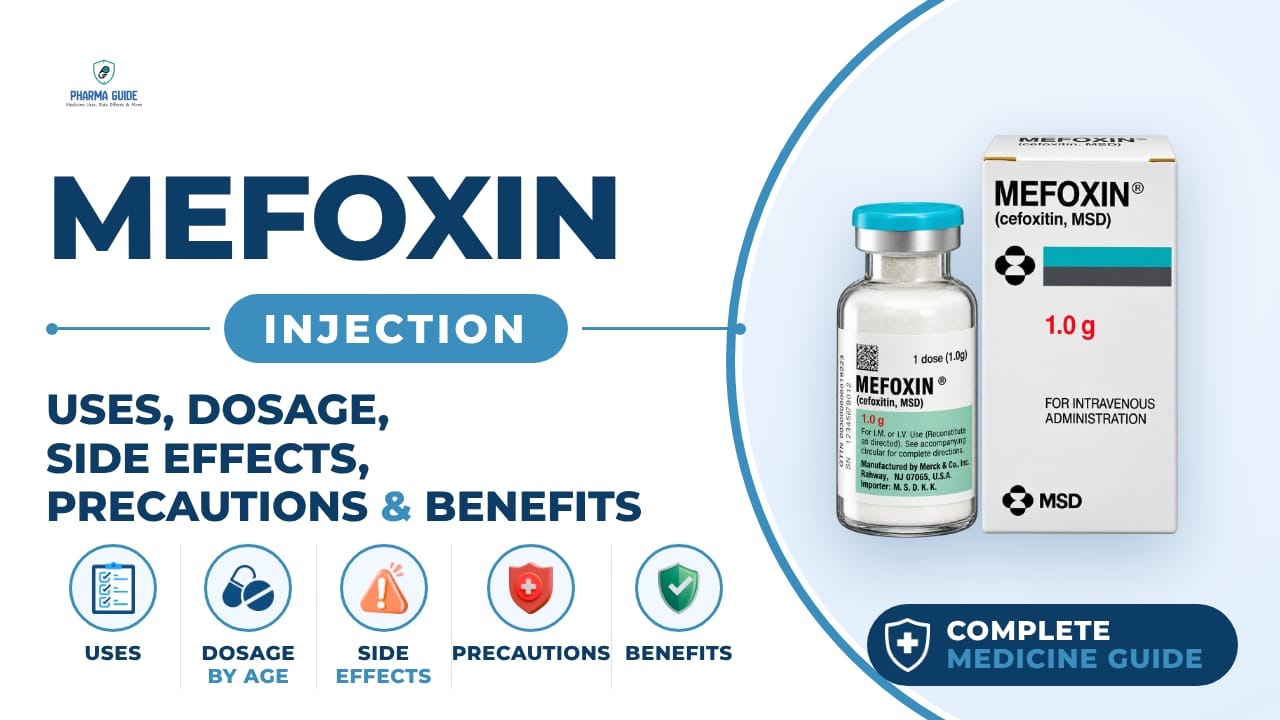
| Generic name | Cefoxitin |
|---|---|
| Drug class | Second generation cephalosporin (cephamycin antibiotic) |
| Forms | Powder for solution (for injection), Solution |
Quick overview
Mefoxin Injection (generic name: Cefoxitin) is a second generation cephalosporin (cephamycin antibiotic) given by injection into a vein by a nurse or other trained health professional. It is used to treat various bacterial infections and to help prevent infection before certain surgeries. It works by stopping bacteria from building their cell walls, which leads to the bacteria's destruction.
What is Mefoxin Injection
Mefoxin is a sterile injectable antibiotic that belongs to the cephalosporin family of medicines. It is given into a vein by a nurse or other trained health professional to treat or prevent certain bacterial infections.
Mefoxin Injection uses
- Lower respiratory tract infections, including pneumonia and lung abscess
- Urinary tract infections
- Intra-abdominal infections, including peritonitis and intra-abdominal abscess
- Gynecological infections, including endometritis, pelvic cellulitis, and pelvic inflammatory disease
- Septicemia (bloodstream infection)
- Bone and joint infections
- Skin and skin structure infections
- Prevention of infection before certain surgeries, including gastrointestinal surgery, vaginal or abdominal hysterectomy, or cesarean section
Benefits of Mefoxin Injection
- Treats serious bacterial infections caused by bacteria sensitive to this medicine
- Helps prevent infection when given before certain surgeries
- Remains active against many bacteria that are resistant to some other cephalosporins and penicillins
How Mefoxin Injection works
Mefoxin kills bacteria by stopping them from building their cell walls, which are needed for the bacteria to survive.
Mefoxin Injection dosage
This medicine is given by a nurse or other trained health professional through a needle placed in a vein. When used to prevent infection before surgery, it is usually given shortly before the operation so that it reaches effective levels in the body during the procedure. If a dose is being given slowly by IV, other fluids being given through the same line may be paused during the infusion.
Treatment should be taken exactly as directed and the full course completed, even if you start to feel better early. If diarrhea develops during or after treatment, do not take anti-diarrhea medicine without checking with your doctor first.
| Age group | Dose |
|---|---|
| 3 months–11 years | Commonly 80–160 mg/kg/day IV or IM, divided every 4–6 hours |
| 3–11 years | 80–160 mg/kg/day, divided every 4–6 hours |
| 12–17 years | Commonly 1,000–2,000 mg every 6–8 hours, depending on body size and infection severity |
Available forms and strengths
- Powder for solution (for injection)
- Solution
Side effects of Mefoxin Injection
Common
- Changes in skin color at the injection site
- Pain, swelling, or tenderness at the injection site
- Red streaks on the skin near the injection site
- Thrombophlebitis (vein inflammation) with intravenous use
Serious
- Severe or persistent diarrhea, which may be watery and bloody (possible sign of colitis)
- Signs of allergic reaction such as rash, hives, itching, swelling of the face/lips/tongue/throat, or difficulty breathing
- Seizures
- Unusual bleeding or bruising
- Yellowing of the eyes or skin (jaundice)
- Decreased urine output or signs of kidney problems
- Severe skin reactions such as blistering, peeling, or loosening of the skin
- Signs of blood problems such as unusual tiredness, paleness, fever, or sore throat
- Confusion, agitation, hostility, irritability, lethargy, or coma
Warnings and precautions
- Before starting this medicine, tell your doctor if you have ever had an allergic reaction to this medicine, other cephalosporins, penicillins, or other drugs. If an allergic reaction happens, the medicine should be stopped right away, and severe reactions may need emergency treatment.
- This medicine, like nearly all antibiotics, can cause a serious intestinal condition called C. difficile-associated diarrhea, which can range from mild diarrhea to severe, life-threatening colitis. This can happen even two months or more after finishing the medicine.
- This medicine should be used with caution in people with a history of gut conditions such as colitis, as it could make the condition worse.
- Using this medicine for a long time can lead to overgrowth of bacteria that are not killed by the drug, causing a new infection.
- This medicine does not treat viral infections such as the common cold, and not completing the full course of treatment can make the infection harder to treat in the future.
- Some cephalosporin antibiotics have been linked to seizures, especially in people with kidney problems who did not get a lower dose.
- There are no well-controlled studies of this medicine in pregnant women, so it should only be used during pregnancy if clearly needed.
- This medicine passes into breast milk in small amounts, so caution should be used if given to a nursing mother.
- People with kidney problems may need a lower dose because the medicine is removed from the body mainly by the kidneys, and reduced kidney function can cause the drug to build up. No routine liver-specific dose adjustment is generally required. No major direct interaction with alcohol is established.
- This medicine usually does not impair driving, but avoid driving if dizziness or confusion occurs.
Storage
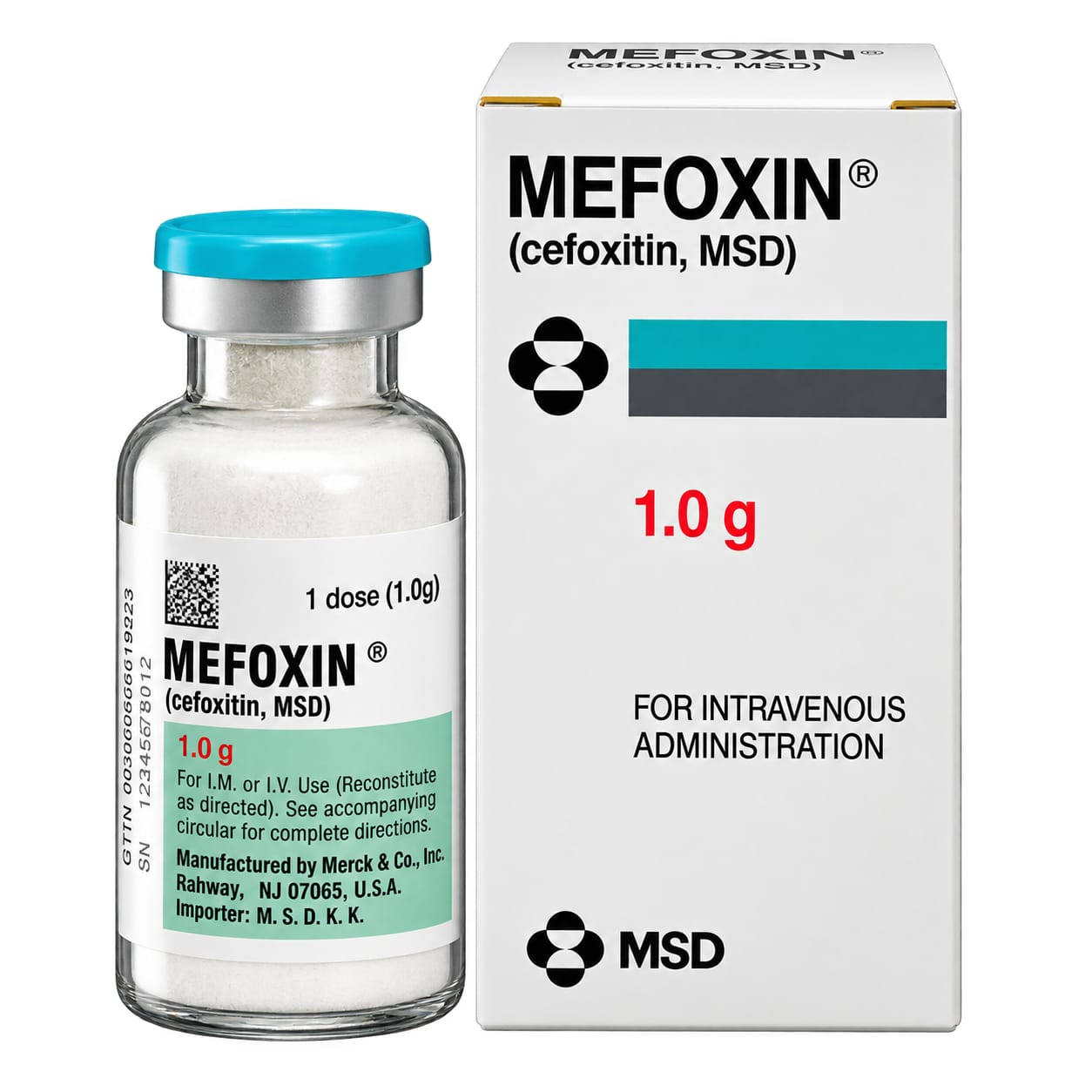
- MEFOXIN in the dry state should be stored between 2-25°C (36-77°F).
- Avoid exposure to temperatures above 50°C.
- The dry material as well as solutions tend to darken, depending on storage conditions; product potency, however, is not adversely affected.
- After the periods mentioned above, any unused solutions should be discarded.
When to see a doctor
- Contact your doctor right away if you develop watery or bloody diarrhea, with or without stomach cramps and fever, even if it happens weeks after your last dose.
- Get medical help right away if you notice swelling of the face, ankles, or hands, severe skin reactions, confusion, seizures, or decreased urine output.
- Seek medical attention if an allergic reaction occurs, since serious reactions can require emergency treatment.
Alternatives
- Cefotetan
- Ceftriaxone
- Ertapenem
Watch the video
FAQs
What is Mefoxin Injection used for?
It treats infections such as pneumonia, urinary tract infections, intra-abdominal infections, gynecological infections, septicemia, bone and joint infections, and skin infections. It is also used to prevent infection before certain surgeries like gastrointestinal surgery, hysterectomy, or cesarean section.
How does Mefoxin Injection work?
Mefoxin kills bacteria by stopping them from building their cell walls, which are needed for the bacteria to survive.
What are the common side effects of Mefoxin Injection?
Common side effects include changes in skin color at the injection site, pain, swelling, or tenderness at the injection site, red streaks on the skin near the injection site, and vein inflammation (thrombophlebitis) with intravenous use.
Can Mefoxin Injection cause serious side effects?
Yes, serious side effects can include severe or persistent diarrhea (possible sign of colitis), allergic reactions, seizures, unusual bleeding or bruising, jaundice, decreased urine output, severe skin reactions, blood problems, and confusion or lethargy.
Is Mefoxin Injection safe during pregnancy?
There are no well-controlled studies of this medicine in pregnant women, so it should only be used during pregnancy if clearly needed. It also passes into breast milk in small amounts, so caution should be used in nursing mothers.
General information, not medical advice
Your prescriber and the leaflet in your pack know your situation. This page does not.
- Follow your prescriber and the leaflet
- Don't start, stop, or change a dose on your own
- Doses and warnings differ by country and product
Sources
Video
Related medicines

Injectafer Injection: Uses, Dosage, Side Effects, Precautions and Alternates
Iron products
Injectafer (ferric carboxymaltose) treats iron deficiency anemia and heart failure-related iron deficiency via IV. Learn uses, dosage, side effects, and

Gliclazide Tablet: Uses, Dosage, Side Effects, Precautions and Alternates
Sulfonylurea (hypoglycemic/antidiabetic agent)
Gliclazide Tablet is a sulfonylurea for type 2 diabetes that boosts insulin release. Learn about dosage, side effects, warnings, and precautions.