
Safety
General information, not medical advice
Your prescriber and the leaflet in your pack know your situation. This page does not.
- Follow your prescriber and the leaflet
- Don't start, stop, or change a dose on your own
- Doses and warnings differ by country and product
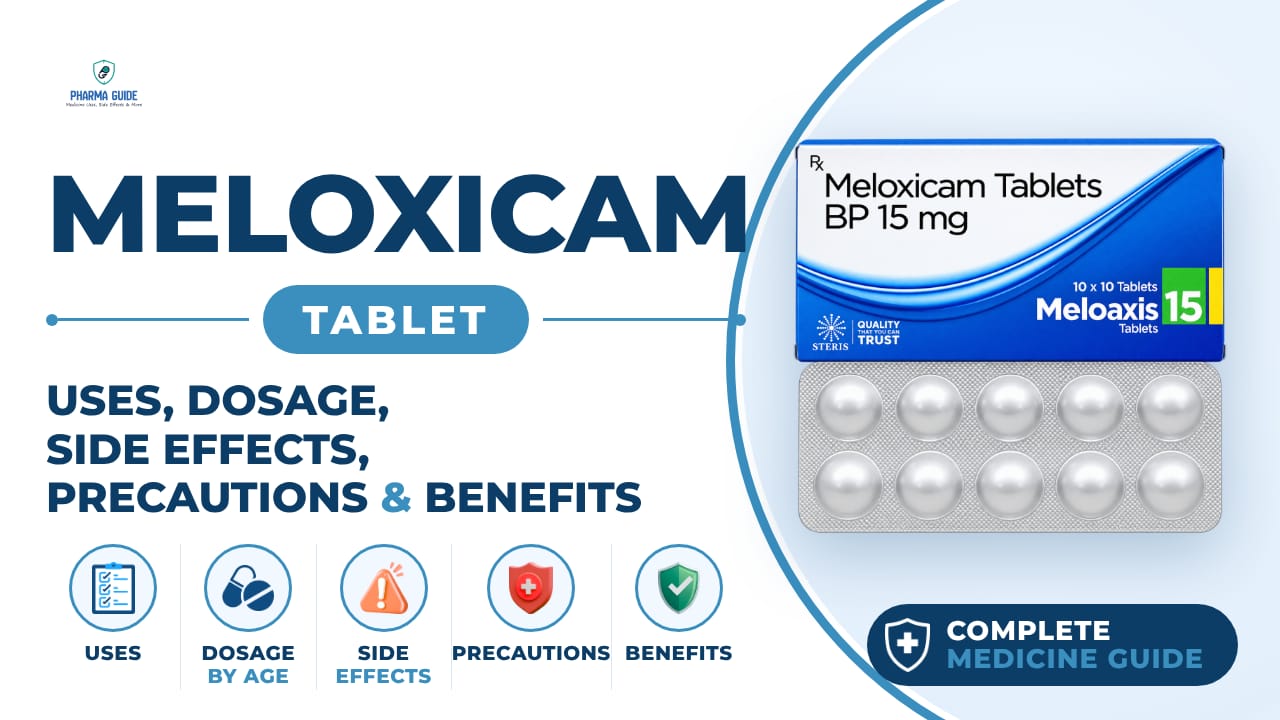
Meloxicam Tablet: Uses, Dosage, Side Effects, Precautions and Alternates
| Generic name | meloxicam |
|---|---|
| Drug class | Nonsteroidal anti-inflammatory drug (NSAID) |
| Forms | Tablet, Capsule |
Quick overview
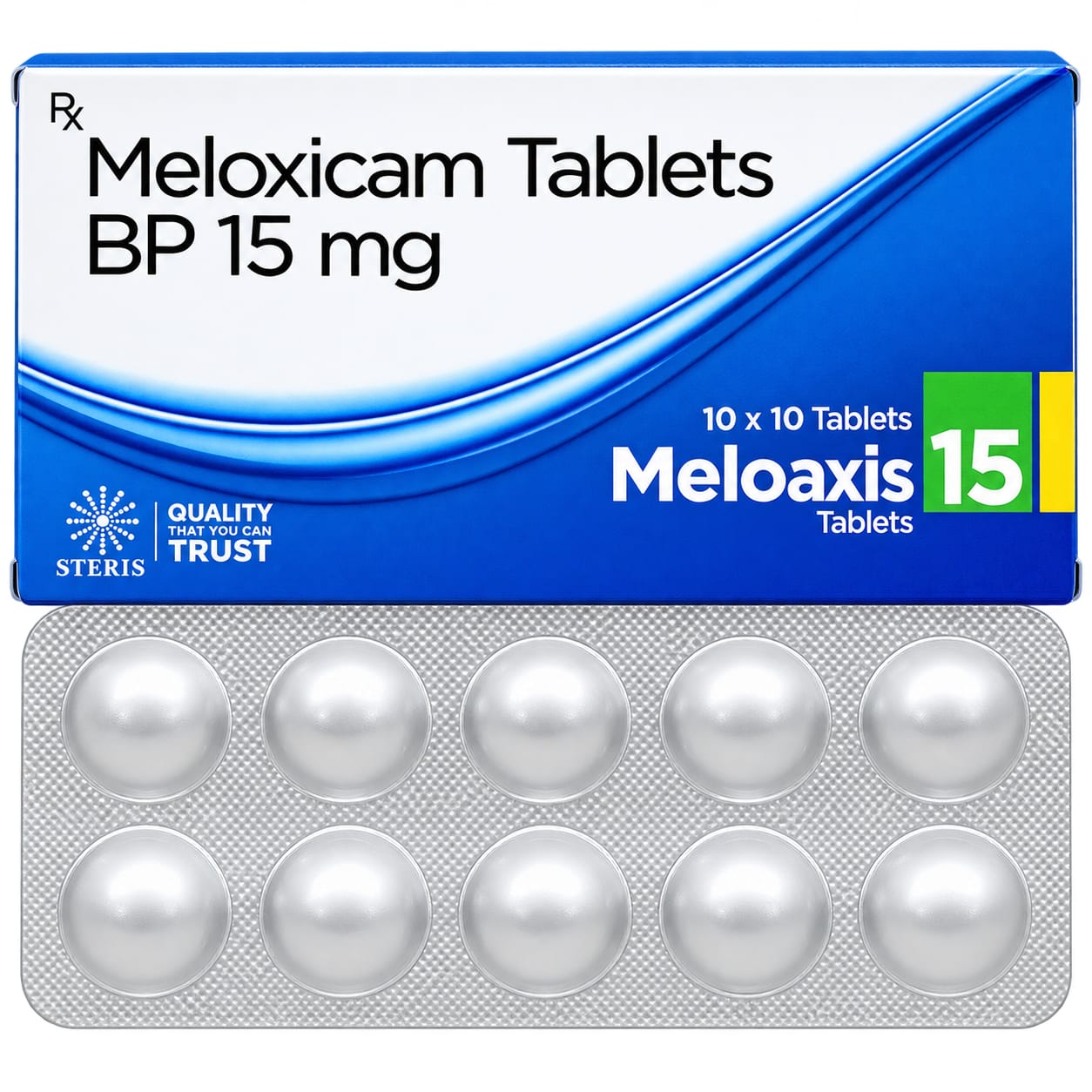
Meloxicam Tablet (generic name: meloxicam) is a prescription nonsteroidal anti-inflammatory drug (NSAID) used to relieve pain and swelling from arthritis. It is used for osteoarthritis and rheumatoid arthritis in adults, and for juvenile idiopathic arthritis in children aged 2 years and older weighing 60 kg or more. It is available as tablets, and in some countries as capsules or liquid, usually in 7.5 mg and 15 mg strengths.
What is Meloxicam Tablet
Meloxicam is a prescription nonsteroidal anti-inflammatory drug (NSAID) used to relieve pain and swelling from arthritis. It is available as tablets (and also as capsules or liquid in some countries), usually in 7.5 mg and 15 mg strengths.
Meloxicam Tablet uses
- Symptomatic treatment of osteoarthritis in adults
- Symptomatic treatment of rheumatoid arthritis in adults
- Juvenile idiopathic arthritis in children aged 2 years and older (weighing 60 kg or more)
Benefits of Meloxicam Tablet
- Reduces inflammation
- Relieves joint pain
- Helps reduce joint stiffness
- Treats symptoms of osteoarthritis
- Treats symptoms of rheumatoid arthritis
- Can treat certain forms of juvenile rheumatoid arthritis
How Meloxicam Tablet works
Meloxicam blocks an enzyme called cyclooxygenase (COX), which lowers the production of prostaglandins, substances in the body that cause inflammation, pain, and fever.
Meloxicam Tablet dosage
Swallow the tablet with fluid, taken together with food. It can be taken without regard to the timing of meals. Tablets can be cut or crushed if needed for easier swallowing, but the 7.5 mg tablet's break mark should only be used to help with swallowing, not to split it into a smaller partial dose.
If you miss a dose, resume your usual schedule the next day; do not take an extra dose to make up for a missed one. Meloxicam is not recommended for use in children and adolescents under 18 years for osteoarthritis or rheumatoid arthritis; a separate lower-weight-based dosing applies only for juvenile idiopathic arthritis in children 2 years and older weighing at least 60 kg. Elderly or frail patients may be started on a lower dose with closer supervision.
| Age group | Dose |
|---|---|
| Adults 18–64 years | Usually 7.5 mg once daily; may be increased by a clinician to 15 mg once daily |
| 65 years and older | Dose is individualized; the lowest effective dose is generally preferred because adverse effects are more common |
Available forms and strengths
- Tablet (7.5 mg and 15 mg)
- Capsule
Side effects of Meloxicam Tablet
Common
- Abdominal pain
- Diarrhea
- Indigestion or heartburn (dyspepsia)
- Nausea
- Dizziness
- Headache
- Itching or rash
- Flatulence
- Constipation
Serious
- Stomach or intestinal bleeding, ulcers, or holes (may show as bloody or black tarry stools, vomiting blood, severe stomach pain)
- Heart attack or stroke (chest pain, trouble breathing, numbness or weakness on one side, confusion, trouble speaking, vision problems)
- Liver damage (yellowing of skin or eyes, dark urine, nausea, stomach pain)
- Kidney damage or kidney failure (changes in how much you urinate, swelling)
- Serious allergic reactions including anaphylaxis (swelling of face/throat/tongue, hives, trouble breathing)
- Serious skin reactions including Stevens-Johnson syndrome, toxic epidermal necrolysis, and DRESS (fever, rash, swollen glands, blistering or peeling skin)
- High blood pressure or worsening of existing high blood pressure
- Fluid retention and swelling (edema), which can worsen heart failure
- Blood disorders such as anemia, low platelet count, or low white blood cell count
Warnings and precautions
Meloxicam can increase the risk of serious heart problems like heart attack and stroke, which can be fatal, and this risk may increase with long-term use or higher doses. It should not be used for pain around heart bypass surgery.
Meloxicam can cause serious stomach and intestinal problems, including bleeding, ulcers, and holes, which can happen at any time without warning and can be fatal. Older adults are at higher risk.
Rare but serious skin reactions can occur, usually within the first month of treatment, and can be life-threatening. Serious allergic reactions can occur even in people who have never had a reaction to this medicine before.
This medicine should not be combined with other NSAIDs, including over-the-counter ones such as aspirin and ibuprofen, due to increased risk of stomach bleeding and ulcers.
Meloxicam should not be used during pregnancy, especially from around 20 weeks onward, as it can harm the developing baby's kidneys and other organs. It is contraindicated in the third trimester.
Meloxicam should not be used while breastfeeding because it may cause serious harm to a nursing infant.
People with severe kidney problems should not take meloxicam, and those with mild to moderate kidney impairment need careful monitoring since the drug can reduce kidney function.
People with severe liver impairment or active liver disease should not take meloxicam, as it can worsen liver problems.
Avoid drinking alcohol while taking meloxicam, since it increases the chance of stomach problems.
Meloxicam can cause drowsiness, dizziness, or blurred vision, so avoid driving or using machinery if you experience these effects.
Storage
- Store below 25°C and protect from direct sunlight (tablets and capsules)
- Store at controlled room temperature (15–30°C) in a dry place, out of reach of children
- Any unused medicine or waste material should be disposed of by taking it to your local pharmacy
- Do not keep outdated medicine or medicine no longer needed; return unused or expired medicine to your pharmacist
When to see a doctor
- Get emergency help right away if you have signs of a heart attack or stroke, such as chest pain, trouble breathing, numbness on one side of the body, confusion, or trouble speaking.
- Stop the medicine and get emergency help if you notice bloody or black tarry stools, vomit blood, or have severe stomach pain, as this may indicate stomach bleeding or a perforated ulcer.
- Seek emergency care for signs of a serious allergic reaction, such as rash, swelling of the face or throat, trouble breathing, fever, or flu-like symptoms.
- Stop taking the medicine and contact your doctor immediately if you develop any skin rash, mouth sores, or other signs of a serious skin reaction.
- Seek medical attention if you think you or someone else has taken too much of this medicine, even if there are no symptoms yet.
- Contact your doctor if you notice yellowing of the skin or eyes, dark urine, nausea, or stomach pain, which may signal liver problems.
Alternatives
- Ibuprofen
- Naproxen
- Celecoxib
Watch the video
FAQs
What is Meloxicam Tablet used for?
Meloxicam is used for symptomatic treatment of osteoarthritis and rheumatoid arthritis in adults, and for juvenile idiopathic arthritis in children aged 2 years and older weighing at least 60 kg.
How should Meloxicam Tablet be taken?
Swallow the tablet with fluid, taken together with food, and it can be taken without regard to meal timing. If a dose is missed, resume the usual schedule the next day without doubling up.
What is the usual dose of Meloxicam for adults?
Adults 18–64 years usually take 7.5 mg once daily, which a clinician may increase to 15 mg once daily. Elderly patients are given individualized, lower doses due to higher risk of side effects.
What are the serious side effects of Meloxicam Tablet?
Serious side effects include stomach or intestinal bleeding or ulcers, heart attack or stroke, liver or kidney damage, serious allergic reactions, serious skin reactions, high blood pressure, and fluid retention.
Can Meloxicam be used during pregnancy or breastfeeding?
Meloxicam should not be used during pregnancy, especially from around 20 weeks onward, and is contraindicated in the third trimester. It should also not be used while breastfeeding due to risk of serious harm to the infant.
General information, not medical advice
Your prescriber and the leaflet in your pack know your situation. This page does not.
- Follow your prescriber and the leaflet
- Don't start, stop, or change a dose on your own
- Doses and warnings differ by country and product
Sources
- MOBIC Australian Product Information (PI0107-15), Boehringer Ingelheim
- APO-MELOXICAM Product Monograph, Apotex Inc., September 25, 2023
- Medical News Today: Meloxicam, oral tablet (medicalnewstoday.com/articles/meloxicam-oral-tablet)
Video
Related medicines
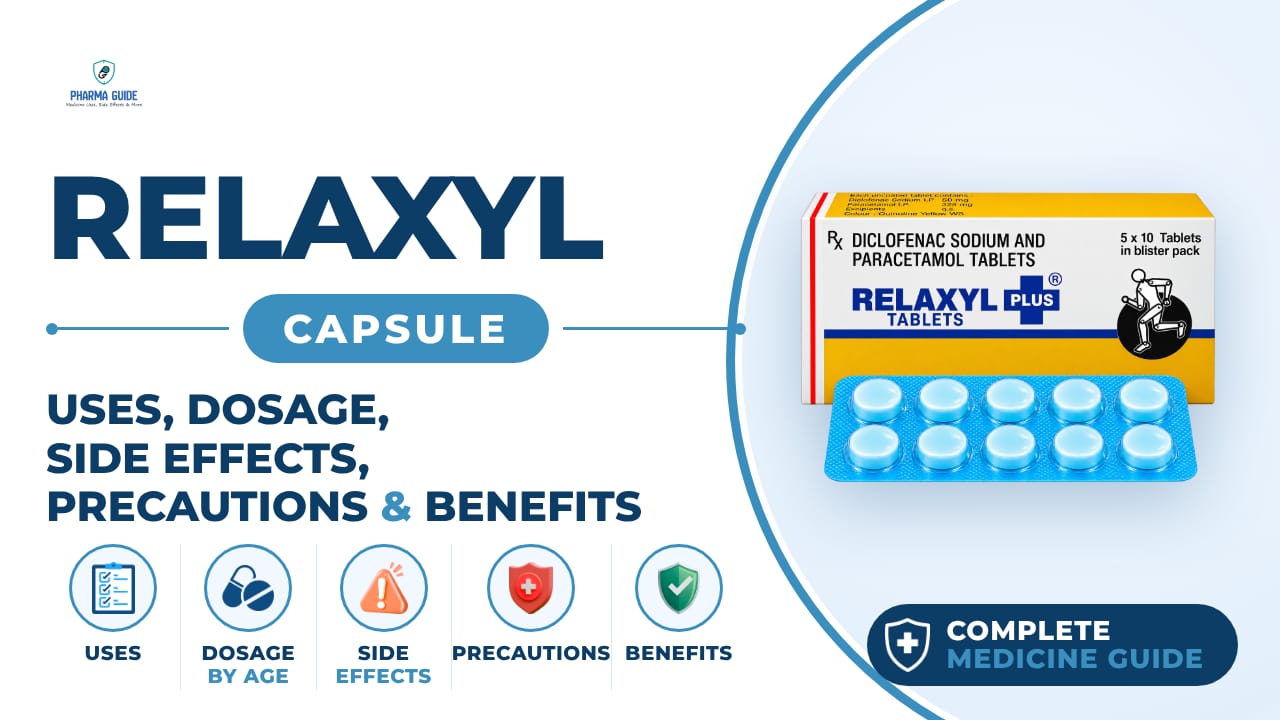
Relaxyl Capsule: Uses, Dosage, Side Effects, Precautions and Alternates
Nonsteroidal Anti-Inflammatory Drug (NSAID)
Relaxyl Capsule contains diclofenac, an NSAID used to relieve joint and muscle pain, swelling, and inflammation. Learn uses, dosage, and side effects.
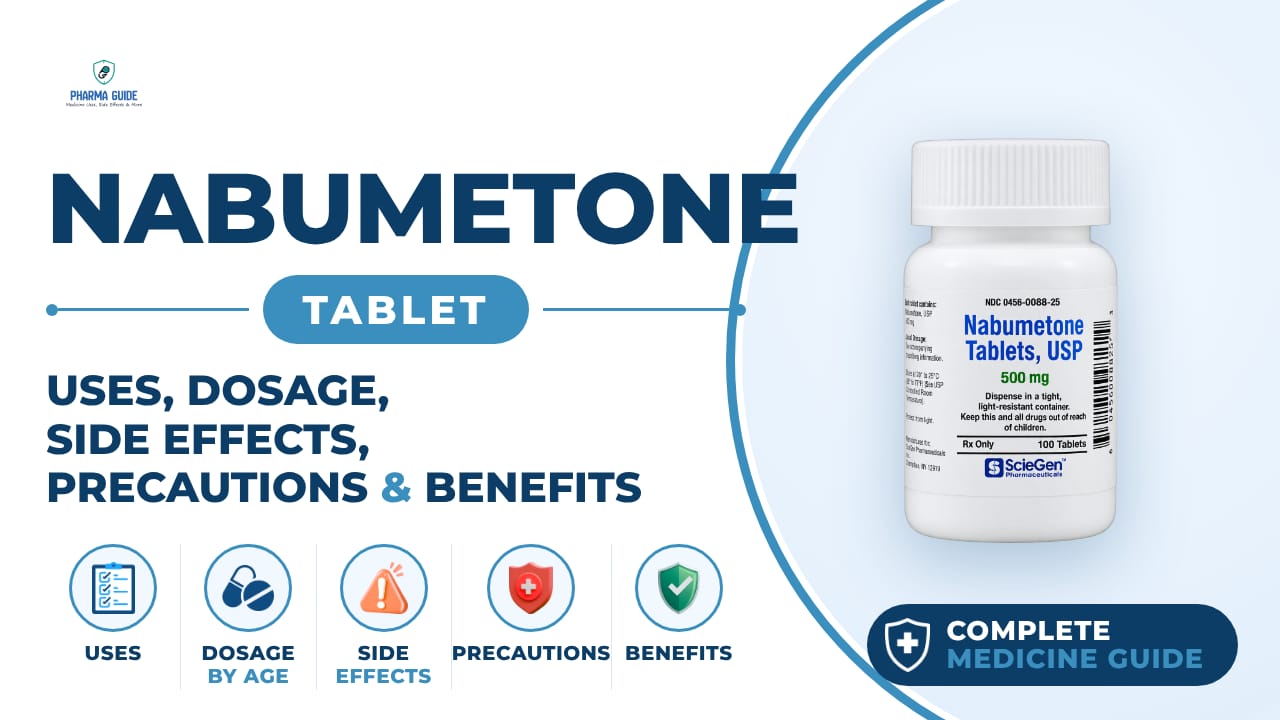
Nabumetone Tablet: Uses, Dosage, Side Effects, Precautions and Alternates
Nonsteroidal anti-inflammatory drug (NSAID)
Nabumetone Tablet is an NSAID for osteoarthritis and rheumatoid arthritis pain relief. Learn its dosage, uses, side effects, and safety warnings.