
Safety
General information, not medical advice
Your prescriber and the leaflet in your pack know your situation. This page does not.
- Follow your prescriber and the leaflet
- Don't start, stop, or change a dose on your own
- Doses and warnings differ by country and product
Methylcobalamin Tablet: Uses, Dosage, Side Effects, Precautions and Alternates
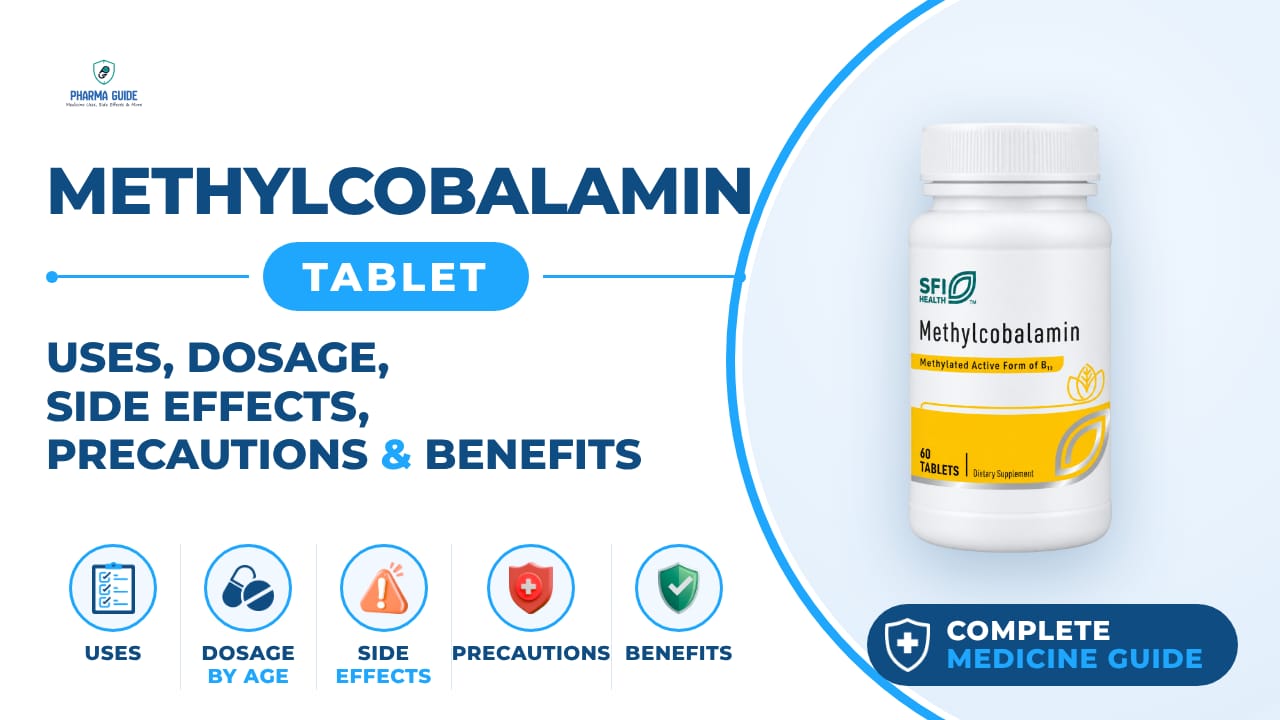
| Generic name | Methylcobalamin |
|---|---|
| Drug class | Vitamin (Vitamin B12 analogue) |
| Forms | Tablets, Capsules (soft capsule), Sublingual tablets, Injectable solution, Nasal gel, Nasal spray, Powder |
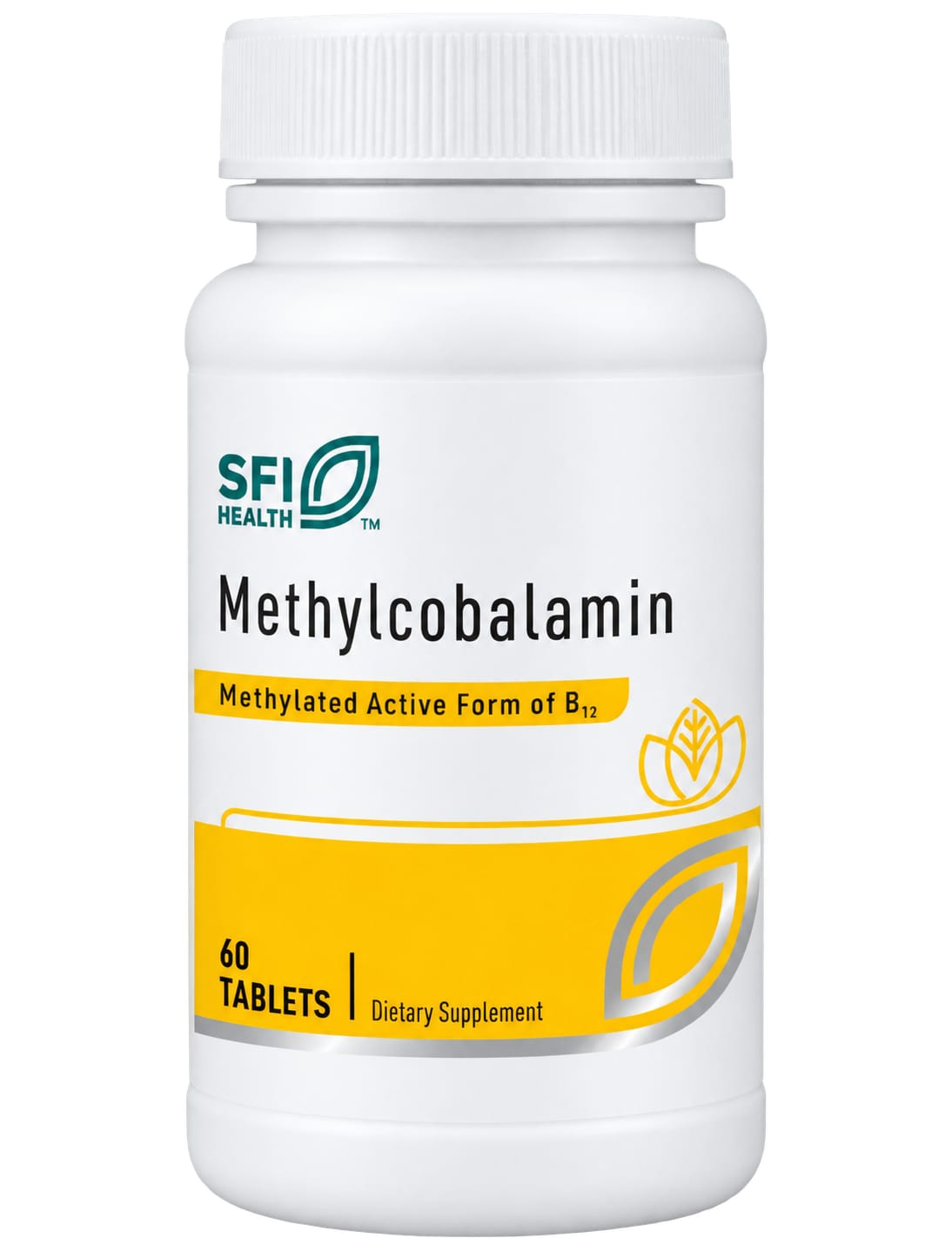
Quick overview
Methylcobalamin Tablet contains Methylcobalamin, a Vitamin B12 analogue, and is the active, ready-to-use form of Vitamin B12. It is mainly given to people who have low Vitamin B12 levels and is used to support nerve health, red blood cell production, and treatment of certain types of anaemia. It is available as tablets, capsules, and injections, and should be used exactly as prescribed by your doctor.
What is Methylcobalamin Tablet
Methylcobalamin is the active, ready-to-use form of Vitamin B12. It comes as tablets, capsules, and injections, and is mainly given to people who have low Vitamin B12 levels in their body.
Methylcobalamin Tablet uses
- Treating Vitamin B12 deficiency
- Nerve problems such as peripheral neuropathy and neuralgia
- Anaemia, including pernicious anaemia and megaloblastic anaemia
- Back pain and other nerve-related problems linked to low B12
- Nerve pain in people with diabetes (diabetic neuropathy)
Benefits of Methylcobalamin Tablet
- Helps treat Vitamin B12 deficiency
- Helps restore and maintain healthy nerves
- Can reduce numbness, tingling, and pain from nerve damage
- Helps the body make red blood cells and can help prevent megaloblastic anaemia
- Supports brain health and thinking ability
- Helps with DNA production and energy production
- May help with neuropathy, anaemia, and other nerve disorders
How Methylcobalamin Tablet works
Methylcobalamin helps the body form myelin, the protective covering around nerve fibers, and it also helps produce red blood cells, which supports overall nerve and brain health.
Methylcobalamin Tablet dosage
The tablet should be swallowed whole; do not chew or crush it. It is a water-soluble vitamin and is better absorbed on an empty stomach, so it can be taken in the morning at least 30 minutes before eating or 2 hours after eating. It can also be taken with food, or with water or milk, as directed by your doctor.
Do not change your dose without asking your doctor first. If you miss a dose, take it as soon as you remember, but skip it if it's almost time for your next dose — do not double up. Injections are given into a muscle by a healthcare professional and should not be self-administered.
| Age group | Dose |
|---|---|
| Under 12 Years | Use only if prescribed by a doctor |
| 12–18 Years | 500–1500 mcg/day (as advised) |
| Adults (18–64 Years) | 500–1500 mcg/day (as prescribed) |
| Older Adults (65+ Years) | 500–1500 mcg/day; adjusted based on nutritional needs |
Available forms and strengths
- Tablets
- Capsules (soft capsule)
- Sublingual tablets
- Injectable solution
- Nasal gel
- Nasal spray
- Powder
Side effects of Methylcobalamin Tablet
Common
- Vomiting
- Diarrhoea
- Nausea
- Headache
- Loss of appetite
- Skin rash
- Itching
- Swelling
- Anxiety
- Restlessness
- Involuntary or uncontrolled movements
- Chest pain and discomfort
- Fatigue
Serious
- Signs of allergic reaction: difficulty breathing, hives, swollen lips, face, tongue, or throat
- Hypokalemia (low potassium)
- Congestive heart failure
- Blood clots in the arms and legs
- Life-threatening allergic reactions
- Pleural effusion (fluid around the lungs)
Warnings and precautions
- Methylcobalamin should not be used in pregnancy to treat anaemia unless it is due to Vitamin B12 deficiency. It should only be used on your doctor's advice after discussing risks and benefits.
- Methylcobalamin is not known to be harmful during breastfeeding. It passes into breast milk in very small amounts, so it can be used if your doctor recommends it.
- Tell your doctor if you have kidney problems before taking methylcobalamin injections. Tell your doctor if you have liver problems before taking methylcobalamin injections.
- Avoid alcohol while taking methylcobalamin, as it can make it harder for your body to absorb the vitamin and may increase dizziness and drowsiness.
- Do not use methylcobalamin if you have Leber's disease, a rare genetic condition causing sudden, painless vision loss, as it may cause serious damage to the optic nerve.
- Avoid using methylcobalamin if you are allergic to it or to cobalt.
- Use with caution if you have optic nerve disease, low potassium levels, polycythemia, or frequent infections.
- Older adults may absorb the tablet form less well through the intestine, though injections are still well absorbed.
- Do not give methylcobalamin to a child without medical advice.
Storage
- Store methylcobalamin in a dry and cool place, preferably at room temperature between 20°C and 25°C.
- Keep it away from direct contact with light, heat, and air.
- Keep it safely in a place that is away from children's reach.
When to see a doctor
- Get immediate medical help if you notice signs of an allergic reaction, such as trouble breathing, hives, or swelling of the lips, face, tongue, or throat.
- If side effects continue for a while, stop the medicine and contact your doctor right away.
- If you think you or someone else has taken too much, go to the nearest hospital emergency department right away and bring the medicine packaging with you.
Alternatives
- Hydroxocobalamin
- Mecobalamin
- Methyl B12 Plus
Watch the video
FAQs
What is Methylcobalamin Tablet used for?
It is used for treating Vitamin B12 deficiency, nerve problems like peripheral neuropathy and neuralgia, anaemia including pernicious and megaloblastic anaemia, back pain linked to low B12, and diabetic neuropathy.
How should Methylcobalamin Tablet be taken?
The tablet should be swallowed whole without chewing or crushing. It is better absorbed on an empty stomach, so it can be taken in the morning at least 30 minutes before eating or 2 hours after eating, though it can also be taken with food, water, or milk as directed by your doctor.
What is the dosage of Methylcobalamin Tablet for adults?
Adults aged 18-64 years are generally prescribed 500-1500 mcg/day as prescribed by their doctor.
What are the common side effects of Methylcobalamin Tablet?
Common side effects include vomiting, diarrhoea, nausea, headache, loss of appetite, skin rash, itching, swelling, anxiety, restlessness, involuntary movements, chest pain and discomfort, and fatigue.
Who should avoid taking Methylcobalamin Tablet?
People with Leber's disease should not use it due to risk of optic nerve damage, and it should be avoided by those allergic to methylcobalamin or cobalt. It should be used with caution in people with optic nerve disease, low potassium levels, polycythemia, or frequent infections.
General information, not medical advice
Your prescriber and the leaflet in your pack know your situation. This page does not.
- Follow your prescriber and the leaflet
- Don't start, stop, or change a dose on your own
- Doses and warnings differ by country and product
Sources
Video
Related medicines

Injectafer Injection: Uses, Dosage, Side Effects, Precautions and Alternates
Iron products
Injectafer (ferric carboxymaltose) treats iron deficiency anemia and heart failure-related iron deficiency via IV. Learn uses, dosage, side effects, and

Gliclazide Tablet: Uses, Dosage, Side Effects, Precautions and Alternates
Sulfonylurea (hypoglycemic/antidiabetic agent)
Gliclazide Tablet is a sulfonylurea for type 2 diabetes that boosts insulin release. Learn about dosage, side effects, warnings, and precautions.