
Safety
General information, not medical advice
Your prescriber and the leaflet in your pack know your situation. This page does not.
- Follow your prescriber and the leaflet
- Don't start, stop, or change a dose on your own
- Doses and warnings differ by country and product
Methylprednisolone Injection: Uses, Dosage, Side Effects, Precautions and Alternates
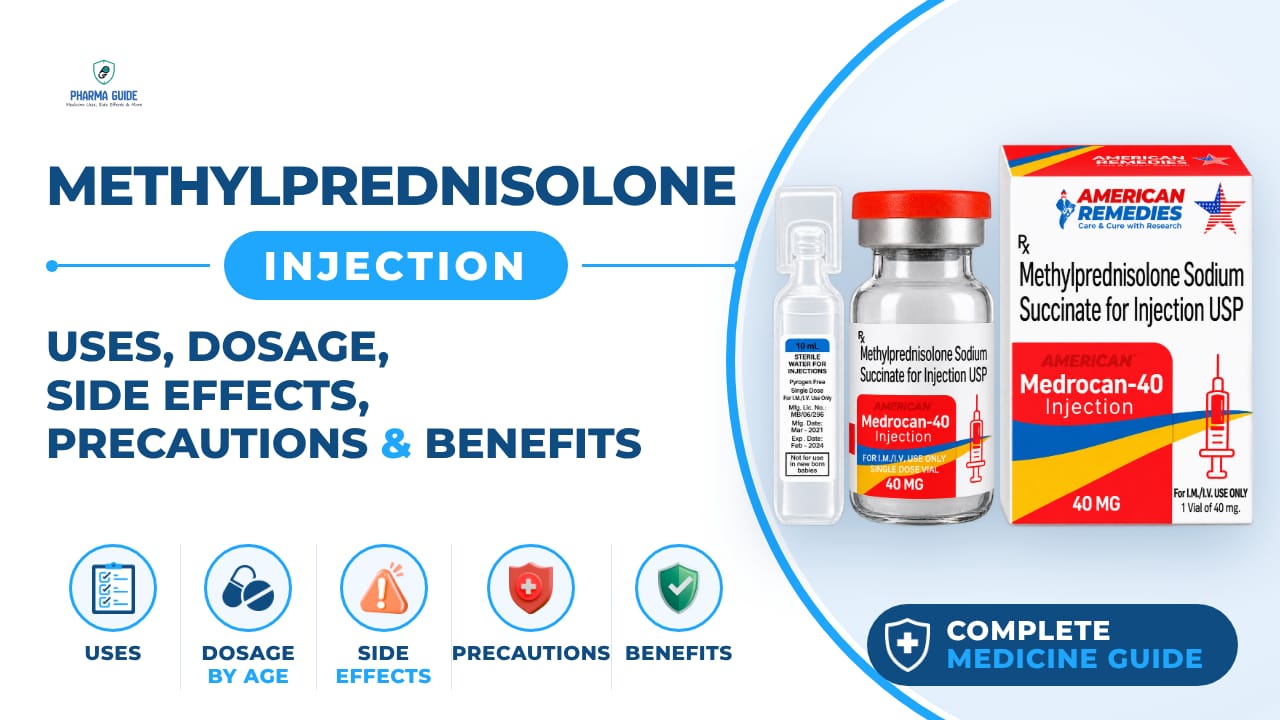
| Generic name | Methylprednisolone |
|---|---|
| Drug class | Corticosteroid (glucocorticoid) |
| Forms | Powder for solution, Solution, Suspension for injection |
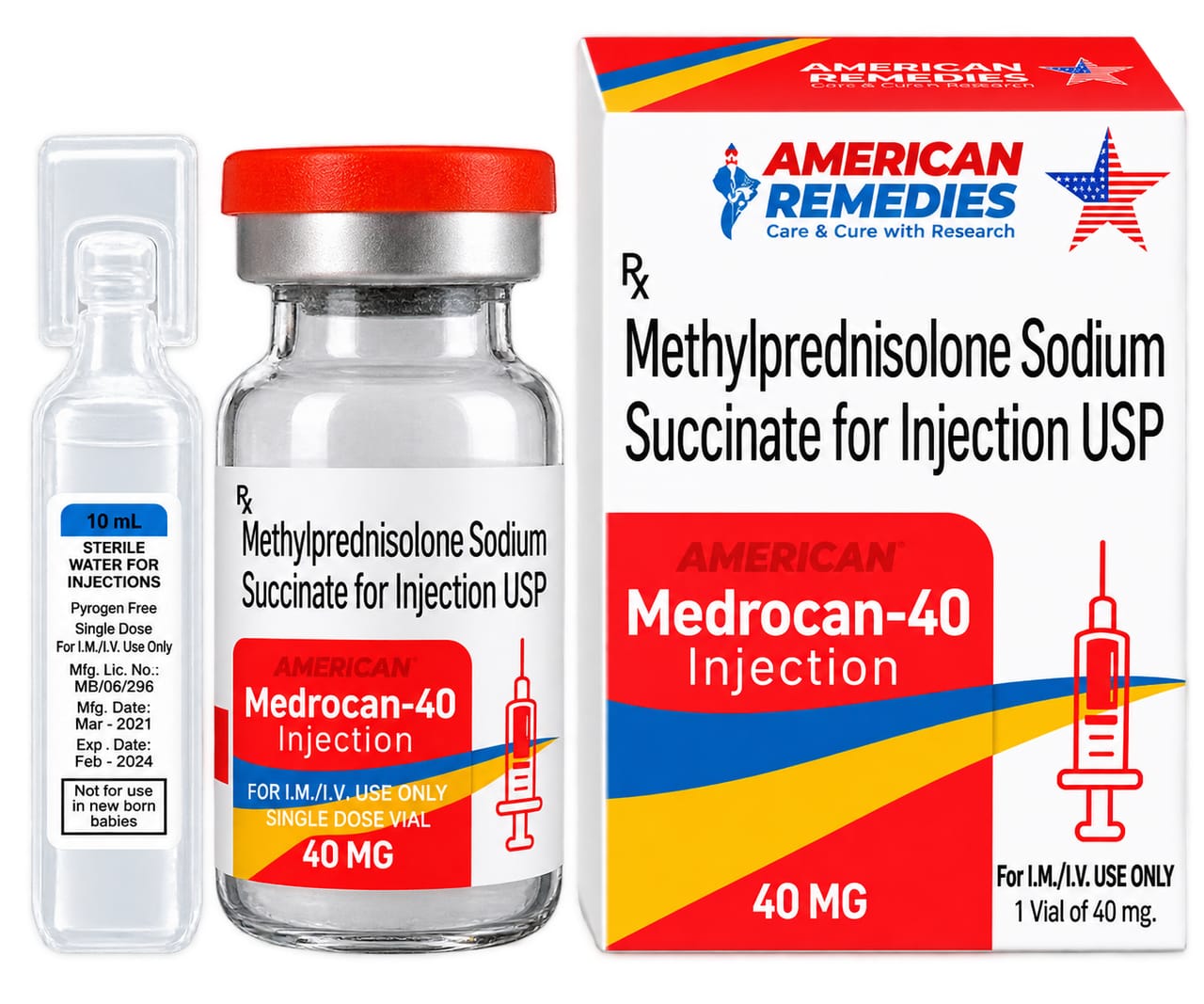
Quick overview
Methylprednisolone Injection is a man-made corticosteroid (glucocorticoid) given by a healthcare professional to reduce swelling, redness, itching, and allergic reactions, and to change how the immune system works. It is given into a vein, a muscle, a joint, or directly into a skin lesion, depending on the condition being treated. It is used for a wide range of severe allergic, inflammatory, autoimmune, and other conditions.
What is Methylprednisolone Injection
Methylprednisolone injection is a man-made corticosteroid (steroid) medicine given by a healthcare professional. It reduces swelling, redness, itching, and allergic reactions, and it changes how the immune system works. It is given into a vein, a muscle, a joint, or directly into a skin lesion, depending on the condition being treated.
Methylprednisolone Injection uses
- Severe or incapacitating allergic conditions such as asthma, atopic dermatitis, contact dermatitis, drug hypersensitivity reactions, and serum sickness
- Arthritis conditions including rheumatoid arthritis, gouty arthritis, and osteoarthritis
- Lupus and other autoimmune/collagen diseases
- Severe skin conditions such as pemphigus, exfoliative dermatitis, and Stevens-Johnson syndrome
- Blood or bone marrow disorders such as autoimmune hemolytic anemia and low platelet counts
- Eye or vision inflammatory conditions such as uveitis and optic neuritis
- Lung or breathing problems such as asthma and sarcoidosis
- Gastrointestinal diseases such as ulcerative colitis and Crohn's disease
- Adrenal gland problems, including replacement therapy for low corticosteroid levels
- Kidney conditions such as nephrotic syndrome
- Flare-ups of multiple sclerosis
- Certain cancers such as leukemia and lymphoma (palliative treatment)
- Cerebral edema associated with brain tumors
- Severe allergic reactions and anaphylaxis (as part of overall treatment)
- Prevention of organ transplant rejection
Benefits of Methylprednisolone Injection
- Reduces inflammation, swelling, redness, and pain
- Helps control allergic reactions
- Can provide relief when oral treatment is not possible or a faster effect is needed
- May be used short-term to control a flare before switching to a longer-term treatment
How Methylprednisolone Injection works
Methylprednisolone is a man-made steroid similar to cortisol, a hormone the body naturally produces. It works by lowering the activity of substances in the body that cause inflammation and by changing how the immune system responds, which reduces swelling, redness, itching, and allergic symptoms.
Methylprednisolone Injection dosage
This medicine is given only by or under the direct supervision of a doctor or trained healthcare professional. It may be given as an injection into a vein, into a muscle, into a joint, into soft tissue, or directly into a skin lesion, depending on the form and reason for treatment. A doctor may give a few doses of this medicine until the condition improves, then switch to an oral medicine that works the same way. Do not stop this medicine suddenly without checking with your doctor first; the dose may need to be reduced gradually before stopping completely. Tell your doctor about any extra stress, illness, surgery, or infection, since your dose may need to be adjusted temporarily.
| Age group | Dose |
|---|---|
| Children | Dose is based on body weight and medical condition; commonly 0.5–1.7 mg/kg/day, divided as prescribed |
| Adults (18–64 Years) | 10–40 mg/day or higher, depending on the condition and severity |
| Older Adults (65+ Years) | Lowest effective dose, individually adjusted by a healthcare professional |
| Emergency Conditions | Higher doses may be administered under medical supervision |
Available forms and strengths
- Powder for solution
- Solution
- Suspension for injection
Side effects of Methylprednisolone Injection
Common
- Headache
- Dizziness
- Increased appetite
- Trouble sleeping
- Acne
- Mood changes
- Increased sweating
- Weight gain
- Stomach upset or nausea
- Swelling of the hands, feet, or lower legs
Serious
- Signs of allergic reaction: rash, itching, hives, swelling of the face, lips, tongue, or throat, or trouble breathing
- Signs of infection: fever, chills, sore throat, or cough
- High blood sugar: increased thirst or urination, blurred vision, unusual tiredness
- Low adrenal gland function: nausea, vomiting, dizziness, unusual weakness
- Mood or behavior changes: depression, anxiety, confusion, hallucinations, thoughts of suicide or self-harm
- Stomach bleeding: black or bloody stools, vomiting blood or material that looks like coffee grounds
- Vision changes or eye pain
- Muscle weakness, muscle pain, or dark urine (possible sign of muscle breakdown)
- Irregular, fast, or pounding heartbeat
- Signs of a blood clot: sudden chest pain, breathlessness, or coughing up blood
- Bone pain or fractures
- Symptoms of tumor lysis syndrome: decreased urination, joint pain, rapid weight gain, swelling of the feet or legs
Warnings and precautions
- Serious nervous system problems, including paralysis and stroke, have occurred when corticosteroids were injected into the space around the spinal cord (epidural). This medicine is not approved for that use.
- This medicine can increase the risk of infections and can hide the usual signs of infection, making them harder to detect.
- Do not receive live vaccines while being treated with this medicine, and avoid close contact with people who have recently had a live vaccine.
- Long-term use may cause thinning of the bones (osteoporosis) or slowed growth in children.
- Stopping this medicine suddenly after long-term use can cause serious withdrawal problems; the dose must be reduced gradually under medical supervision.
- This medicine should not be used to treat traumatic brain injury, as it has been linked to increased risk of death in this situation.
- This medicine can cause serious mental health problems, including depression and suicidal thoughts, especially at high doses.
- Using this medicine during pregnancy can harm the unborn baby, including a risk of low birth weight and cataracts in infants of mothers on long-term treatment.
- It should only be used in pregnancy if the benefits outweigh the risks, and should be discussed with a doctor.
- Corticosteroids pass into breast milk in small amounts and could affect a nursing infant's growth or hormone levels. Discuss the risks and benefits with a doctor before breastfeeding while using this medicine.
- This medicine should be used with caution in people with kidney disease, since sodium and fluid retention can occur and dosage adjustments may be needed.
- People with liver disease may need caution, since the effects of corticosteroids can increase due to decreased breakdown of the drug in the liver.
- Interaction with alcohol is not well studied; check with your doctor before drinking alcohol while using this medicine.
- This medicine can cause dizziness, vertigo, visual disturbances, and fatigue. Do not drive or operate machinery if you are affected.
Storage
- This medication is given in a hospital or clinic and will not be stored at home
- Keep this medicine out of the sight and reach of children
- Do not use this medicine after the expiry date stated on the label and carton
- This medicinal product does not require any special storage conditions
- Once the medicine has been mixed with Sterile Water for Injections, the solution should be used straight away; any unused liquid should be disposed of safely
- Store below 30°C
- Store protected from light. Do not freeze
- This product is not suitable for multi-dose use; after the desired dose is given, any remaining suspension should be discarded
When to see a doctor
- Get emergency help right away if you have signs of a severe allergic reaction, such as rash, itching, trouble breathing or swallowing, or swelling of the face, lips, tongue, or throat.
- Call your doctor right away if you have symptoms of adrenal gland problems, such as blurred vision, dizziness or fainting, irregular heartbeat, increased thirst or urination, or unusual tiredness.
- Contact your doctor immediately if you notice muscle pain, muscle weakness, or red-brown colored urine, as this could indicate a serious muscle breakdown condition.
- Seek immediate medical attention for symptoms of a burst or bleeding stomach ulcer, such as stomach pain spreading to the back, black or bloodstained stools, or vomiting blood.
- Tell your doctor right away if you notice any change in vision, including blurred vision or eye pain.
- Get medical help right away if you or your child develop signs of infection such as fever, chills, or sore throat.
- Seek help immediately if you develop symptoms of a blood clot in the lungs, such as sudden sharp chest pain, breathlessness, or coughing up blood.
Alternatives
- Prednisolone
- Betamethasone
- Deflazacort
Watch the video
FAQs
What is Methylprednisolone Injection used for?
It is used for severe allergic conditions, arthritis, lupus and other autoimmune diseases, severe skin conditions, blood disorders, eye inflammation, asthma, inflammatory bowel disease, adrenal and kidney conditions, multiple sclerosis flare-ups, certain cancers, cerebral edema, anaphylaxis, and prevention of organ transplant rejection.
How is Methylprednisolone Injection given?
It is given only by or under the supervision of a healthcare professional, as an injection into a vein, muscle, joint, soft tissue, or directly into a skin lesion, depending on the condition being treated.
Can I stop Methylprednisolone Injection suddenly?
No, you should not stop this medicine suddenly without checking with your doctor, as the dose may need to be reduced gradually to avoid withdrawal problems.
What are the serious side effects of Methylprednisolone Injection?
Serious side effects include allergic reactions, signs of infection, high blood sugar, low adrenal gland function, mood or behavior changes, stomach bleeding, vision changes, muscle weakness or breakdown, irregular heartbeat, blood clots, bone pain or fractures, and tumor lysis syndrome symptoms.
Is Methylprednisolone Injection safe during pregnancy?
It can harm the unborn baby, including risks of low birth weight and cataracts in infants of mothers on long-term treatment, so it should only be used in pregnancy if benefits outweigh risks, as discussed with a doctor.
General information, not medical advice
Your prescriber and the leaflet in your pack know your situation. This page does not.
- Follow your prescriber and the leaflet
- Don't start, stop, or change a dose on your own
- Doses and warnings differ by country and product
Sources
Video
Related medicines
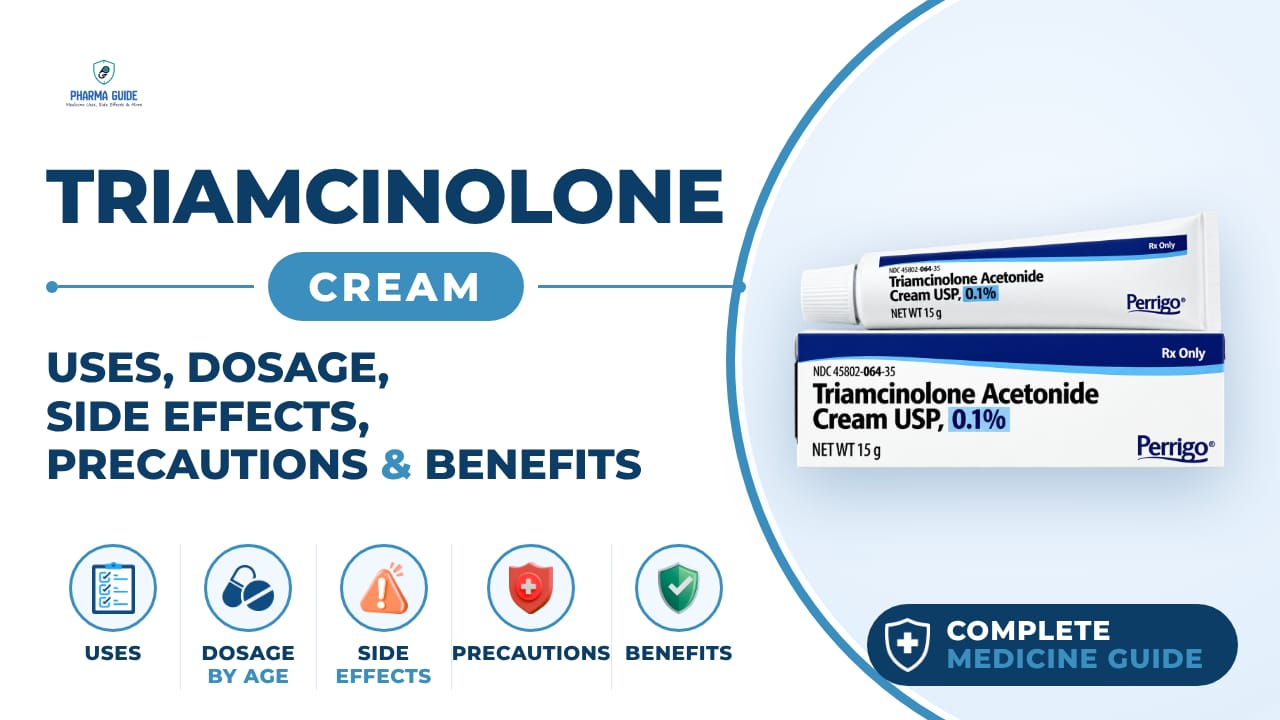
Triamcinolone Cream: Uses, Dosage, Side Effects, Precautions and Alternates
corticosteroid (glucocorticoid)
Triamcinolone Cream is a mid-potency corticosteroid that treats eczema, psoriasis, and allergic rashes by reducing skin inflammation, redness, and itching.
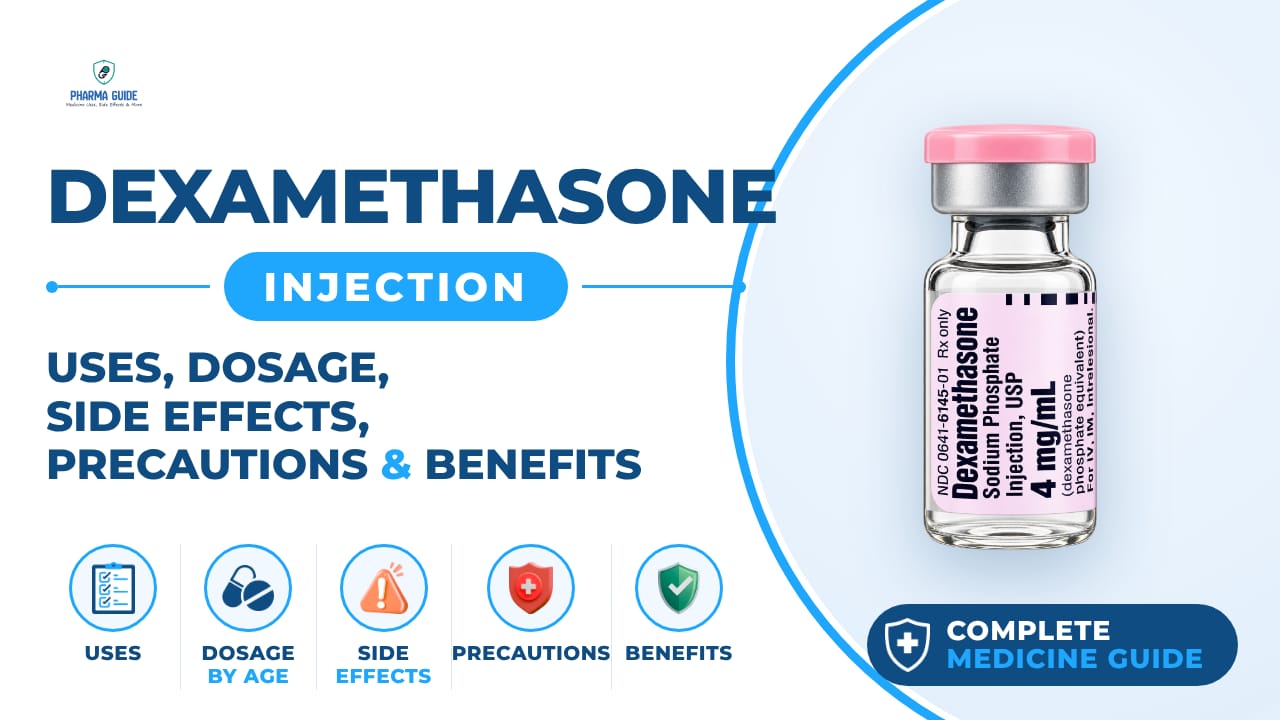
Dexamethasone Injection: Uses, Dosage, Side Effects, Precautions and Alternates
Corticosteroid (glucocorticoid)
Dexamethasone Injection is a corticosteroid shot used for inflammation, allergic reactions, breathing problems, and more. Learn uses, dosage, and side effects.