
Safety
General information, not medical advice
Your prescriber and the leaflet in your pack know your situation. This page does not.
- Follow your prescriber and the leaflet
- Don't start, stop, or change a dose on your own
- Doses and warnings differ by country and product
Metoclopramide Tablet: Uses, Dosage, Side Effects, Precautions and Alternates
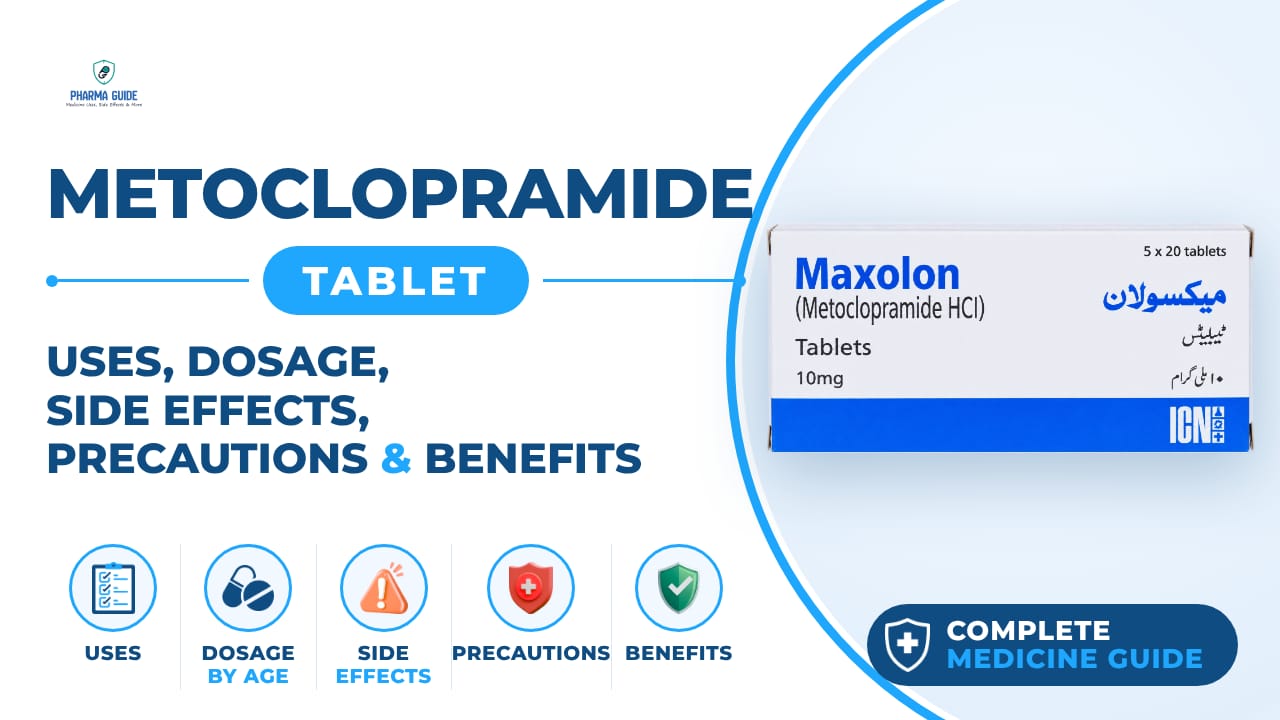
| Generic name | Metoclopramide |
|---|---|
| Drug class | Antiemetic / Modifier of upper gastrointestinal tract motility (prokinetic agent) |
| Forms | Tablet, Orally disintegrating tablet, Oral solution/syrup, Injection, Nasal spray |
Quick overview
Metoclopramide Tablet is a prescription antiemetic that treats nausea, vomiting, and stomach problems by helping the stomach empty faster. It is used for conditions such as diabetic gastroparesis, GERD, and chemotherapy- or surgery-related nausea and vomiting. It works by blocking dopamine receptors in the brain and increasing stomach and intestinal contractions. Dosing, forms, side effects, and precautions are detailed below.
What is Metoclopramide Tablet
Metoclopramide is a prescription medicine used to treat nausea, vomiting, and stomach problems by helping the stomach empty faster. It works on the digestive system and on parts of the brain that control nausea and vomiting.
Metoclopramide Tablet uses
- Relieving symptoms of slow stomach emptying (gastroparesis) in people with diabetes
- Treating gastroesophageal reflux disease (GERD/heartburn) when other medicines have not worked well enough
- Preventing nausea and vomiting caused by cancer chemotherapy
- Preventing nausea and vomiting after certain types of surgery, when a stomach tube cannot be used
- Helping a feeding tube pass into the small intestine when it does not pass normally
- Helping with certain X-ray examinations of the stomach or small intestine
Benefits of Metoclopramide Tablet
- Speeds up stomach emptying to relieve nausea, vomiting, and feelings of fullness
- Can reduce heartburn symptoms from acid reflux
- Helps prevent nausea and vomiting linked to chemotherapy or surgery
How Metoclopramide Tablet works
Metoclopramide blocks dopamine receptors in the brain area that triggers nausea and vomiting, and it also increases the strength of stomach and intestinal contractions, which helps food move through the stomach and intestines faster.
Metoclopramide Tablet dosage
Take oral forms of this medicine on an empty stomach, before meals and at bedtime, unless your doctor tells you otherwise. Swallow tablets whole with a drink of water; do not crush or chew them. If you are using an orally disintegrating tablet, remove it from the package with dry hands right before use, place it on your tongue, and let it dissolve without chewing or swallowing it whole.
Do not use two different forms of metoclopramide (such as tablets and oral solution) at the same time. Continue taking this medicine even if you feel well, and do not stop without talking to your doctor, since stopping suddenly can cause withdrawal symptoms such as dizziness, nervousness, and headaches.
If treating slow stomach emptying from diabetes, your nausea may improve early in treatment and continue to improve over several weeks, while the feeling of fullness may take longer to go away. Older adults and people with kidney or liver problems may need a lower dose. Do not take this medicine for longer than 12 weeks unless your doctor has told you to.
| Age group | Dose |
|---|---|
| Under 1 year | Do not use |
| 1–17 years | Doctor's advice required; dose is indication-specific |
| 18 years & older | 10 mg up to 3 times daily |
| Adults | 10 mg up to 3 times daily |
Available forms and strengths
- Tablet
- Orally disintegrating tablet
- Oral solution/syrup
- Injection
- Nasal spray
Side effects of Metoclopramide Tablet
Common
- Diarrhea
- Sleepiness/drowsiness
- Dizziness
- Tiredness/fatigue
- Headache
- Trouble sleeping (insomnia)
- Confusion
- Restlessness
Serious
- Uncontrollable muscle movements, especially of the face and tongue (tardive dyskinesia), which may not go away even after stopping the medicine
- Muscle spasms of the face, neck, or body (dystonia), especially within the first two days of use
- Depression, thoughts of harming or killing yourself
- High fever, stiff muscles, confusion, fast or uneven heartbeat, and increased sweating (neuroleptic malignant syndrome)
- Slowed movement, tremor, stiffness, or trouble keeping balance (Parkinson-like symptoms)
- Allergic reactions such as rash, hives, swelling of the face/lips/tongue/throat, or difficulty breathing
- Irregular heartbeat, high or low blood pressure
- Breast enlargement or discharge, menstrual changes, or difficulty with sexual function
- Yellowing of skin or eyes, signs of liver problems
- Difficulty urinating or loss of bladder control
- Vision problems
Warnings and precautions
- This medicine can cause tardive dyskinesia, a serious and sometimes permanent movement disorder.
- The risk increases the longer you take the medicine and the higher the dose, so treatment for longer than 12 weeks should be avoided except in rare cases where the benefit outweighs the risk.
- Do not use this medicine if you have stomach or intestinal problems such as bleeding, blockage, or a tear, since stimulating gut movement could be harmful.
- This medicine should not be used in people with an adrenal gland tumor called pheochromocytoma, because it may cause a dangerous spike in blood pressure.
- This medicine should not be used in people with epilepsy or seizure disorders, as it may increase the frequency and severity of seizures.
- A rare but potentially fatal condition called Neuroleptic Malignant Syndrome (NMS) has been reported, with symptoms including high fever, muscle stiffness, altered consciousness, and irregular heartbeat or blood pressure.
- Mental depression, including suicidal thoughts and suicide, has occurred in people taking this medicine, with or without a prior history of depression.
- This medicine can increase blood pressure, so it should be used cautiously in people with high blood pressure, with regular blood pressure checks during treatment.
- Muscle spasms of the face, neck, body, arms, and legs can occur, usually within the first two days of use, and are more likely in children and adults under 30.
- This medicine should not usually be used in people 65 years of age or older because it may not be as safe or effective as other treatment options for their condition.
- Metoclopramide is not recommended for use during the first and third trimesters of pregnancy unless your doctor specifically directs you to use it.
- It should generally only be used in pregnancy if clearly needed, and after delivery there may be a higher risk of depression. Metoclopramide passes into breast milk and is generally not recommended while breastfeeding.
- If it is used, watch the baby for symptoms such as stomach discomfort and gas.
- The kidneys help clear this medicine from the body, so people with kidney problems may need a lower dose to avoid the medicine building up in the body.
- People with moderate or severe liver impairment may need a reduced dose because the body clears the medicine more slowly, which can increase the risk of side effects.
- Avoid drinking alcohol while taking this medicine, since alcohol can worsen side effects like sleepiness and impair judgment and coordination.
- This medicine may cause drowsiness, dizziness, or blurred vision, so do not drive or operate machinery until you know how it affects you.
Storage
- Store tablets and oral solution between 15° and 30°C
- Protect from light
- Protect the oral solution from freezing
- Keep out of reach and sight of children
- Bring unused and expired medicine to your pharmacist for proper disposal
- Do not flush this medication down the toilet; use a medicine take-back program
When to see a doctor
- Get emergency help right away if you have uncontrollable body movements such as lip-smacking, mouth puckering, chewing, frowning, scowling, sticking out your tongue, blinking, eye movements, or shaking of your arms or legs.
- Seek immediate medical attention if you notice symptoms of an allergic reaction such as skin rash, itching or swelling (especially of the face, tongue, or throat), severe dizziness, or breathing difficulties.
- Call your doctor right away if you feel depressed or have thoughts of hurting or killing yourself.
- Call your doctor right away if you have high fever, stiff muscles, problems thinking, a very fast or uneven heartbeat, and increased sweating, as these may be signs of a serious condition called Neuroleptic Malignant Syndrome.
- Call your doctor right away if you have muscle movements that you cannot stop or control, or that are new or unusual.
- If you think you have taken too much of this medicine, contact a healthcare professional, hospital emergency department, or your local poison control center right away, even if you have no symptoms.
Alternatives
- Clopra
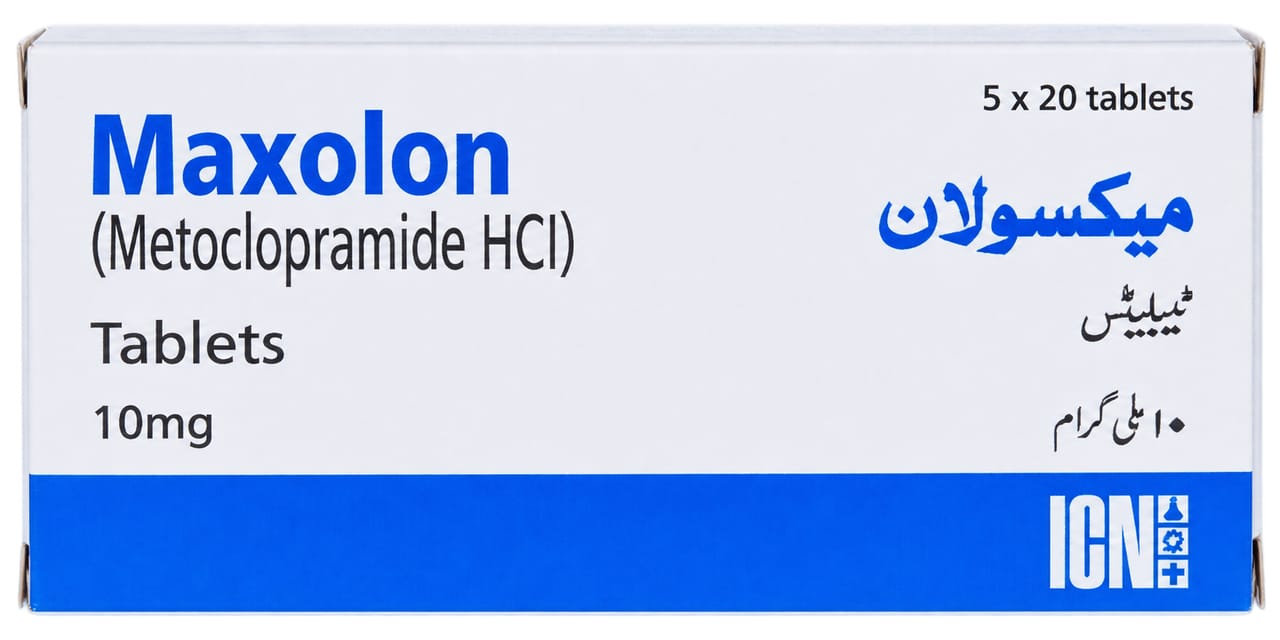
- Maxolon
- Metozolv ODT
- Reglan
- Gimoti
- MAR-Metoclopramide
- Metonia
- PMS-Metoclopramide
- PMS-Metoclopramide HCl
- PRZ-Metoclopramide
Watch the video
FAQs
What is Metoclopramide Tablet used for?
It treats nausea, vomiting, and stomach problems by helping the stomach empty faster. It is used for diabetic gastroparesis, GERD, chemotherapy- or surgery-related nausea and vomiting, aiding feeding tube passage, and certain stomach X-ray examinations.
How should I take Metoclopramide Tablet?
Take it on an empty stomach, before meals and at bedtime unless your doctor says otherwise. Swallow tablets whole with water without crushing or chewing. Do not stop suddenly without consulting your doctor, as this can cause withdrawal symptoms like dizziness, nervousness, and headaches.
What is the typical dose for adults?
Adults 18 years and older typically take 10 mg up to 3 times daily. Older adults and people with kidney or liver problems may need a lower dose, and treatment should generally not exceed 12 weeks unless directed by a doctor.
What are the serious side effects of Metoclopramide Tablet?
Serious side effects include tardive dyskinesia (uncontrollable muscle movements), dystonia, neuroleptic malignant syndrome, depression or suicidal thoughts, Parkinson-like symptoms, allergic reactions, irregular heartbeat, and liver problems.
Who should not take Metoclopramide Tablet?
It should not be used by people with stomach or intestinal bleeding, blockage, or tears, those with pheochromocytoma, or those with epilepsy or seizure disorders. It is generally not recommended for people 65 and older.
General information, not medical advice
Your prescriber and the leaflet in your pack know your situation. This page does not.
- Follow your prescriber and the leaflet
- Don't start, stop, or change a dose on your own
- Doses and warnings differ by country and product
Sources
Video
Related medicines

Injectafer Injection: Uses, Dosage, Side Effects, Precautions and Alternates
Iron products
Injectafer (ferric carboxymaltose) treats iron deficiency anemia and heart failure-related iron deficiency via IV. Learn uses, dosage, side effects, and

Gliclazide Tablet: Uses, Dosage, Side Effects, Precautions and Alternates
Sulfonylurea (hypoglycemic/antidiabetic agent)
Gliclazide Tablet is a sulfonylurea for type 2 diabetes that boosts insulin release. Learn about dosage, side effects, warnings, and precautions.