
Safety
General information, not medical advice
Your prescriber and the leaflet in your pack know your situation. This page does not.
- Follow your prescriber and the leaflet
- Don't start, stop, or change a dose on your own
- Doses and warnings differ by country and product
Mirtazapine Tablet: Uses, Dosage, Side Effects, Precautions and Alternates
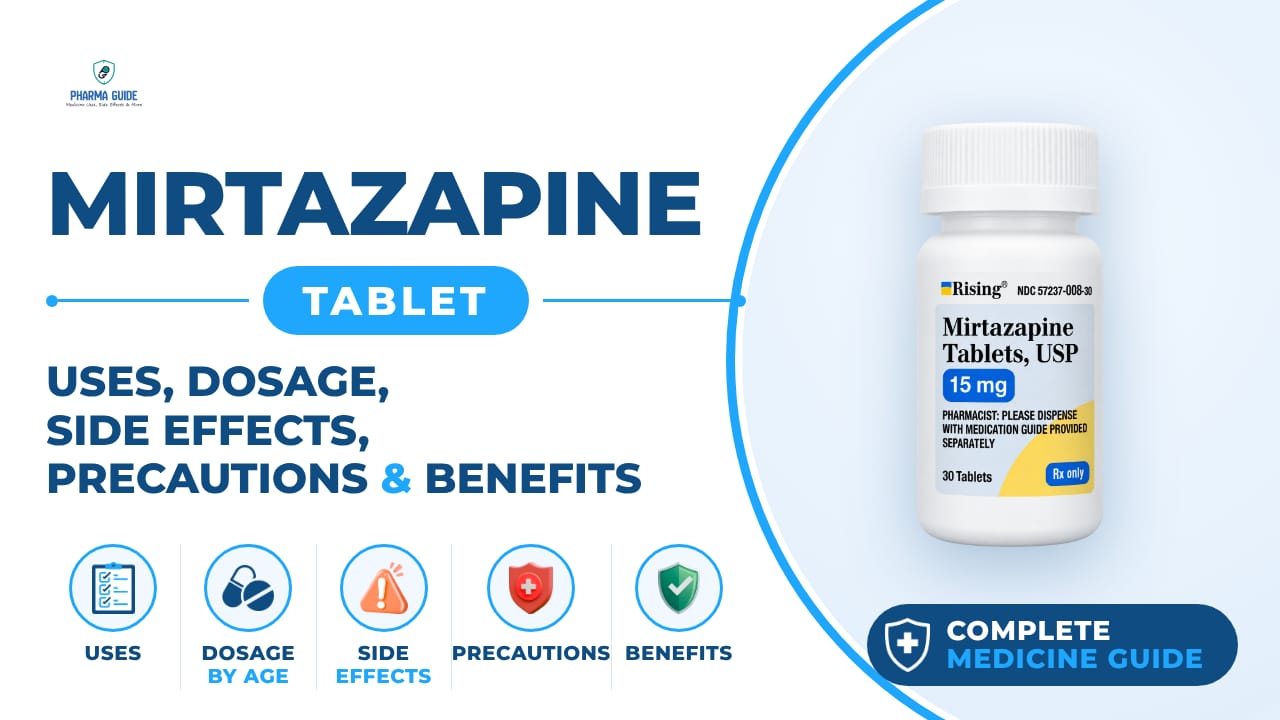
| Generic name | Mirtazapine |
|---|---|
| Drug class | Tetracyclic antidepressant |
| Forms | Tablet, Orally disintegrating tablet |
Quick overview
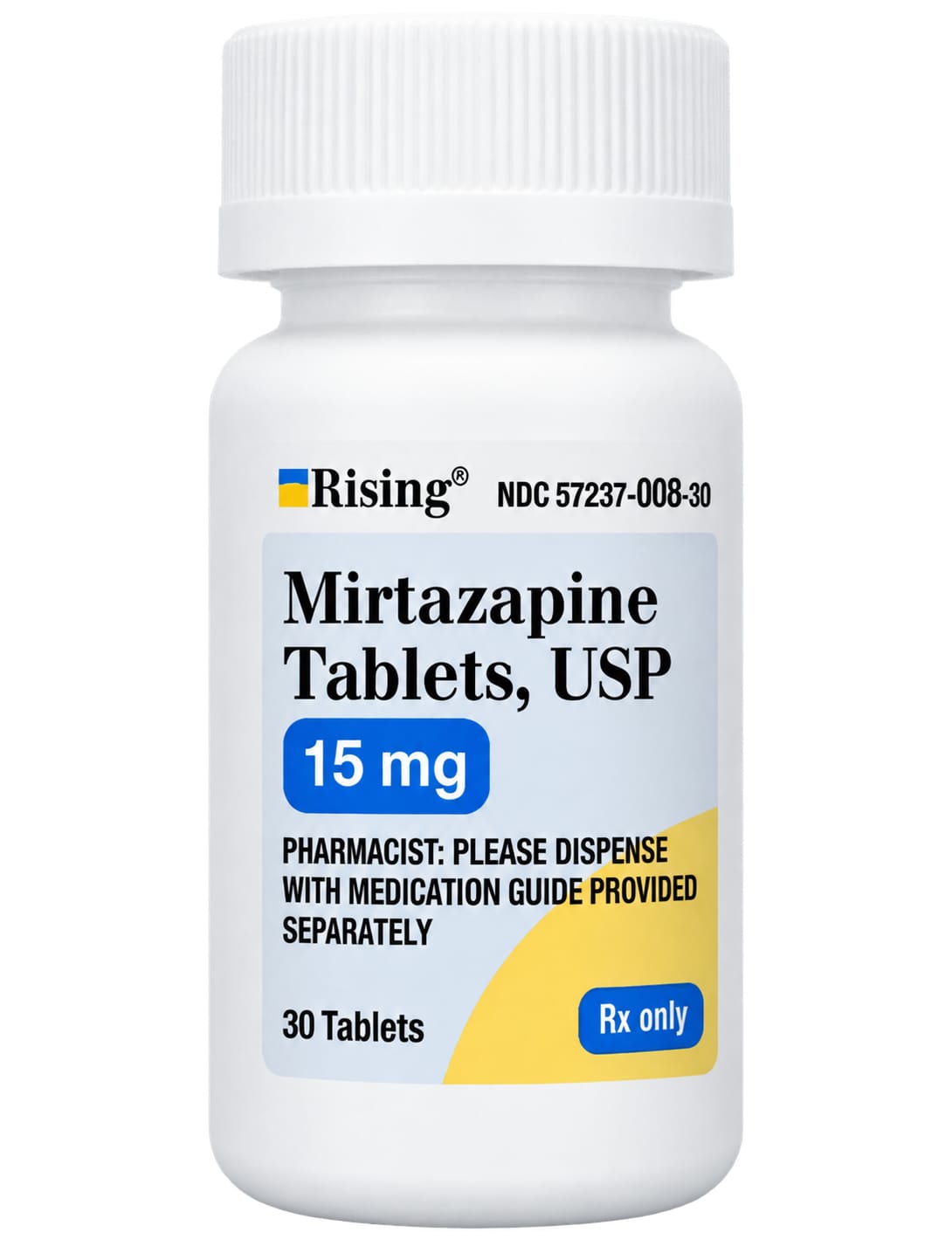
Mirtazapine Tablet (generic name: mirtazapine) is a tetracyclic antidepressant used to treat major depressive disorder. It works on brain chemicals that regulate mood and may also improve sleep and reduce anxiety symptoms linked to depression. It is available as a regular tablet and as an orally disintegrating tablet, and should be taken exactly as prescribed by a doctor.
What is Mirtazapine Tablet
Mirtazapine is a prescription antidepressant medicine used to treat depression. It belongs to a group of medicines called tetracyclic antidepressants that work in the brain and central nervous system.
Mirtazapine Tablet uses
- Treatment of major depressive disorder (depression)
Benefits of Mirtazapine Tablet
- Can help relieve symptoms of depression such as low mood, loss of interest in activities, poor appetite, disturbed sleep, low energy, and feelings of guilt
- May improve sleep disturbance and anxiety symptoms linked to depression
- Depression Symptom Relief: Helps improve mood and reduce symptoms of depression
- Sleep Support: May improve sleep quality in people with depression-related insomnia
How Mirtazapine Tablet works
Mirtazapine is thought to increase the activity of certain brain chemicals called serotonin and norepinephrine, which help regulate mood. It also blocks histamine receptors, which may explain why it tends to make people sleepy.
Mirtazapine Tablet dosage
Take exactly as prescribed by your doctor, at the same time each day, preferably in the evening before bedtime. Mirtazapine can be taken with or without food. Swallow the regular tablet whole with water. For the orally disintegrating tablet, place it on your tongue and let it dissolve without chewing, then swallow; you do not need water.
Do not stop taking this medicine suddenly without talking to your doctor; your doctor may reduce your dose gradually. It may take a few weeks before you notice improvement in your symptoms; keep taking the medicine as directed even if you don't feel better right away.
If you miss a dose, take it as soon as you remember, but if it is almost time for your next dose, skip the missed dose and continue your regular schedule; do not take a double dose. Elderly patients may need a lower dose or different schedule because their bodies may process the medicine more slowly.
| Age group | Dose |
|---|---|
| Under 18 Years | Use only if prescribed by a specialist |
| Adults (18–64 Years) | Initial dose: 15 mg once daily at bedtime; usual range 15–45 mg/day |
| Older Adults (65+ Years) | Initial dose: 7.5–15 mg once daily; adjusted based on response and health condition |
Available forms and strengths
- Tablet
- Orally disintegrating tablet
Side effects of Mirtazapine Tablet
Common
- Drowsiness or sleepiness
- Dizziness
- Dry mouth
- Increased appetite
- Weight gain
- Constipation
- Abnormal dreams
- Headache
- Tiredness
- Diarrhoea
- Nausea, vomiting
Serious
- Suicidal thoughts or actions, especially in children, teenagers, and young adults
- Serotonin syndrome (agitation, hallucinations, fever, sweating, fast heart rate, muscle stiffness, twitching, loss of coordination, nausea, vomiting, diarrhea)
- Signs of low white blood cells / infection (fever, chills, sore throat, mouth sores, flu-like symptoms)
- Severe allergic reaction (trouble breathing, swelling of face, tongue, or throat, hives)
- Severe skin reactions (blistering, peeling skin, painful rash, sores in mouth)
- Mania or hypomania (racing thoughts, unusual risk-taking, extreme happiness or irritability)
- Seizures
- Low sodium levels (headache, confusion, memory problems, feeling unsteady or weak)
- Abnormal heart rhythm changes
- Liver problems (yellowing of skin or eyes)
- Pancreatitis (abdominal pain and nausea)
- Eye problems (eye pain, vision changes, swelling or redness in or around the eye)
Warnings and precautions
- Antidepressants can increase suicidal thoughts and behavior in children, teenagers, and young adults, especially in the first few months of treatment. Anyone taking this medicine should be watched closely for worsening depression or unusual behavior changes.
- Never take this medicine together with a monoamine oxidase inhibitor (MAOI), or within 14 days of stopping one, as this combination can cause a dangerous reaction.
- This medicine can cause serotonin syndrome, a potentially life-threatening condition, especially when combined with other medicines that affect serotonin levels.
- This medicine can lower white blood cell counts, increasing the risk of infection.
- Do not stop taking this medicine suddenly, as this can cause withdrawal symptoms; your doctor should help you reduce the dose gradually.
- This medicine may cause serious skin reactions.
- Low sodium levels in the blood can occur with this medicine, more commonly in elderly patients.
- Mirtazapine should only be used during pregnancy if clearly needed, and you should talk to your doctor if you are pregnant or planning pregnancy.
- It isn't known whether mirtazapine is safe during breastfeeding, so talk to your doctor if you are breastfeeding.
- People with kidney problems may need a lower dose because the body clears the medicine more slowly, which can increase side effects.
- People with liver problems may process the medicine more slowly, increasing the risk of side effects, so caution is needed.
- Avoid drinking alcohol while taking this medicine because it can add to drowsiness and impair thinking and reactions.
- Do not drive or use machinery until you know how this medicine affects you, since it can cause drowsiness and slow your reactions.
Storage
- Keep out of the reach of children
- Do not keep outdated medicine or medicine no longer needed
- Ask your healthcare professional how you should dispose of any medicine you do not use
- Store the medicine in a closed container at room temperature, away from heat, moisture, and direct light
- Keep from freezing
- Keep the orally disintegrating tablet in the original package until you are ready to take it
When to see a doctor
- Get emergency help right away if you have signs of a severe allergic reaction, such as trouble breathing or swelling of the face, tongue, or throat.
- Call your doctor right away if you notice new or worsening depression, anxiety, agitation, irritability, aggression, panic attacks, trouble sleeping, or thoughts of suicide or self-harm.
- Seek medical attention right away if you develop symptoms of serotonin syndrome, such as agitation, hallucinations, fever, sweating, fast heart rate, muscle stiffness, or loss of coordination.
- Call your doctor if you have signs of infection like fever, chills, sore throat, or mouth sores, which could mean a drop in white blood cells.
- Call your doctor right away if you have symptoms of low sodium levels, such as headache, confusion, weakness, or feeling unsteady.
- If you think you have taken too much of this medicine, contact your doctor or local poison control center right away, or go to the emergency room.
Alternatives
- Sertraline
- Escitalopram
- Duloxetine
Watch the video
FAQs
What is Mirtazapine Tablet used for?
Mirtazapine Tablet is a tetracyclic antidepressant used to treat major depressive disorder. It can also help improve sleep disturbance and anxiety symptoms linked to depression.
How should I take Mirtazapine Tablet?
Take it exactly as prescribed, at the same time each day, preferably in the evening before bedtime, with or without food. Swallow the regular tablet whole with water, or let the orally disintegrating tablet dissolve on your tongue without chewing or water.
What are the common side effects of Mirtazapine Tablet?
Common side effects include drowsiness, dizziness, dry mouth, increased appetite, weight gain, constipation, abnormal dreams, headache, tiredness, diarrhoea, and nausea or vomiting.
Can I stop taking Mirtazapine Tablet suddenly?
No, you should not stop taking it suddenly, as this can cause withdrawal symptoms. Your doctor should help you reduce the dose gradually.
What is the dosage of Mirtazapine Tablet for adults?
For adults aged 18–64, the initial dose is typically 15 mg once daily at bedtime, with a usual range of 15–45 mg per day, as directed by a doctor.
General information, not medical advice
Your prescriber and the leaflet in your pack know your situation. This page does not.
- Follow your prescriber and the leaflet
- Don't start, stop, or change a dose on your own
- Doses and warnings differ by country and product
Sources
Video
Related medicines
Remeron Tablet: Uses, Dosage, Side Effects, Precautions and Alternates
tetracyclic antidepressant
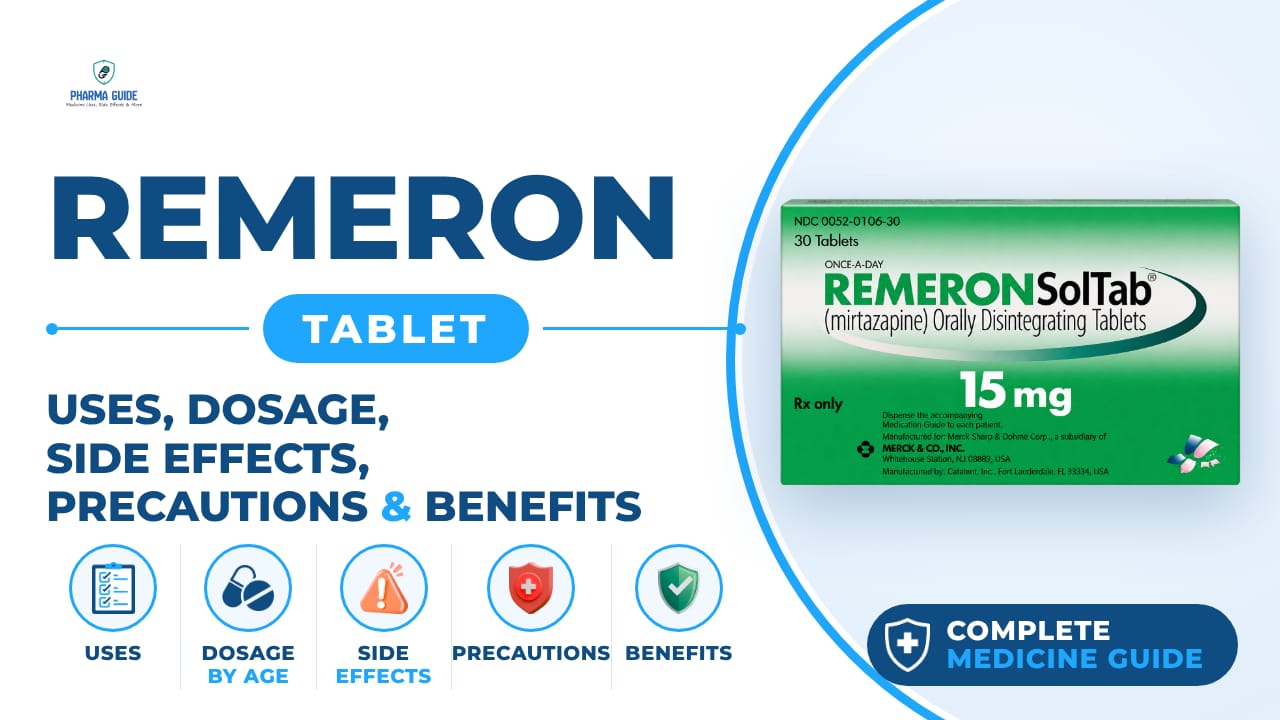
Remeron Tablet (mirtazapine) treats major depressive disorder in adults. Learn about its uses, dosage, side effects, warnings, and alternatives.

Injectafer Injection: Uses, Dosage, Side Effects, Precautions and Alternates
Iron products
Injectafer (ferric carboxymaltose) treats iron deficiency anemia and heart failure-related iron deficiency via IV. Learn uses, dosage, side effects, and