
Safety
General information, not medical advice
Your prescriber and the leaflet in your pack know your situation. This page does not.
- Follow your prescriber and the leaflet
- Don't start, stop, or change a dose on your own
- Doses and warnings differ by country and product
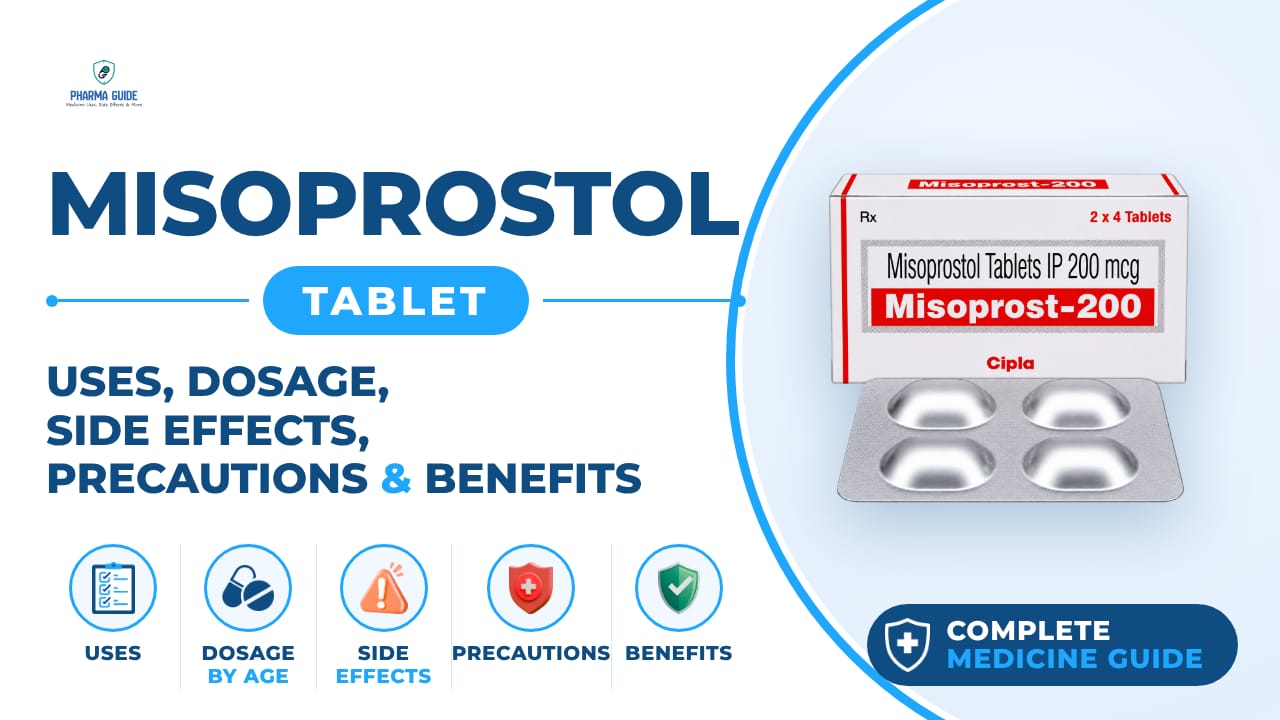
Misoprostol Tablet: Uses, Dosage, Side Effects, Precautions and Alternates
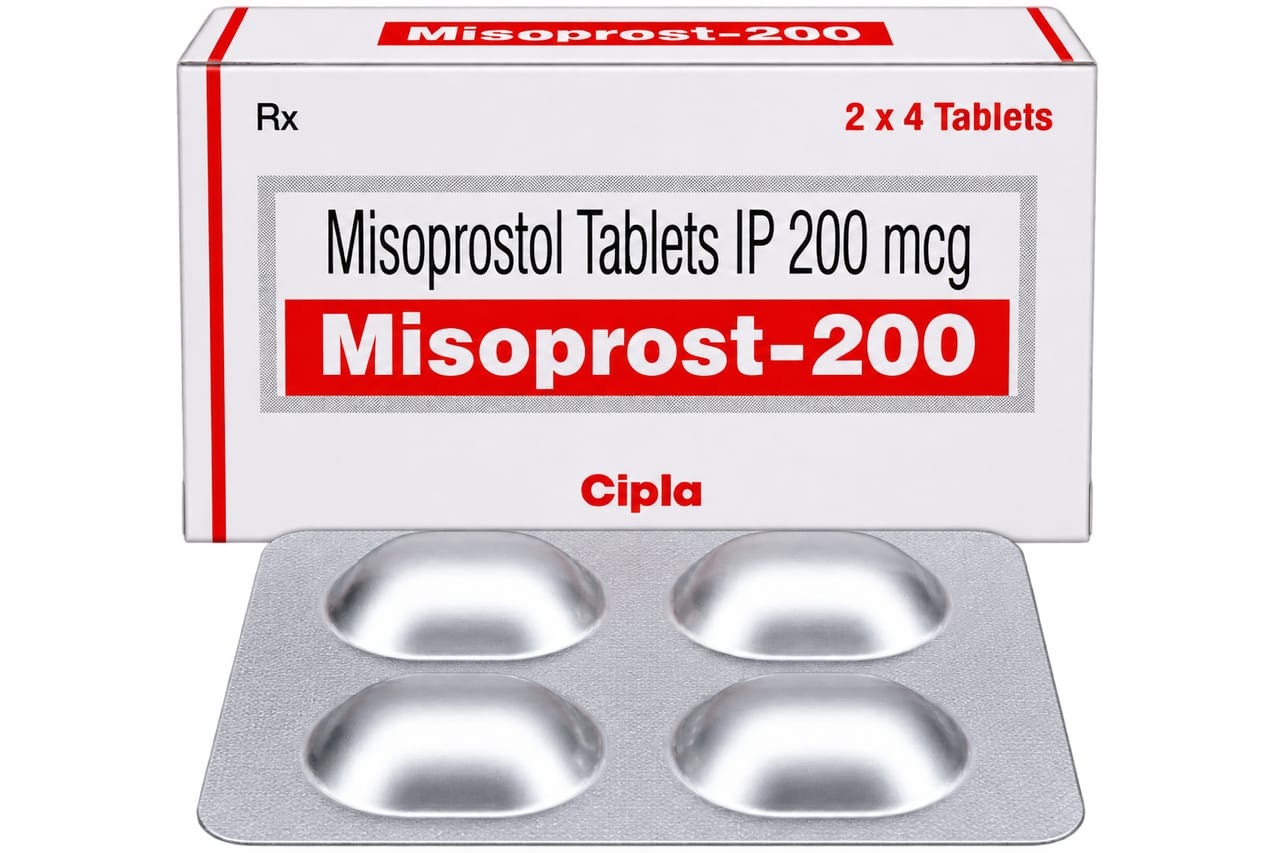
| Generic name | Misoprostol |
|---|---|
| Drug class | Miscellaneous GI agents (prostaglandin E1 analog) |
| Forms | Oral tablet (100 mcg; 200 mcg), Sublingual tablet (200 micrograms) |
Quick overview
Misoprostol Tablet (generic name misoprostol) is a prostaglandin E1 analog used to prevent stomach ulcers caused by aspirin or NSAID medicines and to protect the stomach lining. It is also used in hospital settings for certain pregnancy-related conditions, including ending an early pregnancy, managing miscarriage, and controlling bleeding after childbirth. It works by reducing stomach acid, increasing protective stomach mucus, and causing uterine muscle contractions. Dosage depends on the condition being treated and requires medical supervision.
What is Misoprostol Tablet
Misoprostol is a man-made version of a natural body substance called prostaglandin. It reduces stomach acid and helps protect the stomach lining from damage caused by aspirin or NSAID pain medicines. It is also used in hospital settings for certain pregnancy-related conditions.
Misoprostol Tablet uses
- Preventing stomach ulcers caused by aspirin or NSAID medicines (like ibuprofen, naproxen, celecoxib, diclofenac, indomethacin, and meloxicam)
- Short-term treatment of stomach and duodenal ulcers not caused by NSAIDs (off-label)
- Combined with mifepristone or methotrexate to end an early pregnancy (medical abortion)
- Used alone for treatment of early pregnancy loss (miscarriage)
- Used in hospital settings to ripen the cervix, induce labor in women with premature rupture of membranes, and treat serious bleeding after childbirth
Benefits of Misoprostol Tablet
- Helps protect the stomach lining from ulcers caused by NSAID use
- Effective and safe option for ending an early pregnancy when combined with mifepristone
- Can be used alone for pregnancy termination or miscarriage management if mifepristone is not available
How Misoprostol Tablet works
Misoprostol acts like a natural body substance called prostaglandin. It lowers the amount of acid the stomach makes and helps the stomach produce more protective mucus, which helps prevent ulcers. In the uterus, it causes the muscle to contract, which helps ripen the cervix, start labor, or control bleeding.
Misoprostol Tablet dosage
Take exactly as prescribed by your doctor and follow all directions on your prescription label and medication guide. Do not share this medicine with another person, even if they have the same symptoms.
When used for ulcer prevention, this medicine is usually taken with meals, several times a day, with the last dose at bedtime. You may have nausea, stomach cramps, or diarrhea, especially in the first few weeks of treatment; these symptoms usually improve after about a week. Call your doctor if you have severe nausea, stomach pain, or diarrhea that lasts longer than eight days.
When taken by mouth for stomach protection, food may lower how well the medicine is absorbed, so follow your doctor's instructions on timing with meals. For pregnancy-related uses, tablets may be placed in the cheek pouch (between the lip and gum) or under the tongue and left to dissolve for a set time before swallowing any leftover pieces with a drink of water.
If it is almost time for your next dose, skip the missed dose and take only the next regularly scheduled dose; do not take two doses at once. Ask your doctor before using an antacid, since some antacids can increase your risk of diarrhea while taking this medicine.
| Age group | Dose |
|---|---|
| Under 18 years | Doctor/specialist supervision required |
| 18 years & older | Dose depends on indication; not suitable for a single age-based dose |
| Older adults | Same indication-specific dosing; medical supervision required |
Available forms and strengths
- Oral tablet (100 mcg; 200 mcg)
- Sublingual tablet (200 micrograms)
Side effects of Misoprostol Tablet
Common
- Diarrhea
- Stomach pain
- Nausea
- Vomiting
- Headache
- Shivering
- Fever/chills
- Dizziness or fainting
Serious
- Severe ongoing stomach discomfort or diarrhea
- Signs of dehydration such as dizziness, confusion, feeling very thirsty, or less urination
- Allergic reaction: hives, difficulty breathing, swelling of face, lips, tongue, or throat
Warnings and precautions
- This medicine can cause birth defects, early birth, uterine rupture, miscarriage, or dangerous bleeding of the uterus. It should not be used to prevent stomach ulcers during pregnancy.
- Do not use this medicine if you are allergic to misoprostol or other prostaglandins.
- Tell your doctor before use if you have had inflammatory bowel disease, other intestinal problems, heart disease, or if you are dehydrated.
- There is a risk of uterine rupture, especially when used for labor induction later in pregnancy or in women who have had a prior cesarean delivery.
- Cases of heart-related problems, including spasm of heart blood vessels, have been reported with this medicine, so caution is needed in people with existing heart risk factors.
- This medicine should not be used to start labor when given as a single low-dose tablet meant for treating bleeding after childbirth, since that dose is not appropriate and could be dangerous for that purpose.
- This medicine can cause birth defects, early birth, uterine rupture, miscarriage, or dangerous bleeding.
- It should not be used to prevent stomach ulcers if you are pregnant. If you can become pregnant, you will need a negative pregnancy test before starting treatment and must use effective birth control during treatment and for at least one month afterward.
- Ask your doctor if it is safe to breastfeed while using this medicine.
- No dose change is generally needed for kidney problems, but your doctor may lower the dose if the standard dose is not well tolerated. Dose adjustment is not specifically outlined for liver problems in product labeling.
- This medicine has no or only a very small effect on your ability to drive or use machines.
Storage
- Store at room temperature away from moisture and heat.
- Store below 30°C.
- Store in the original package in order to protect from moisture.
- Keep out of the sight and reach of children.
- Do not throw away any medicines via wastewater or household waste. Ask your doctor or healthcare provider how to throw away medicines you no longer use.
When to see a doctor
- Get emergency medical help right away if you have signs of an allergic reaction such as hives, difficulty breathing, or swelling of your face, lips, tongue, or throat.
- Call your doctor right away if you have severe ongoing stomach discomfort or diarrhea, or signs of dehydration like dizziness, confusion, extreme thirst, or reduced urination.
- Stop taking this medicine and tell your doctor right away if you become pregnant during treatment for non-pregnancy-related conditions.
- Seek in-person medical care if you have heavy bleeding, no bleeding after taking misoprostol for pregnancy-related treatment, pain not relieved by pain medicine, foul-smelling vaginal discharge, or fever/feeling ill more than 24 hours after use.
- If you think you have taken too much of this medicine, contact your doctor as soon as possible or seek emergency medical attention.
Alternatives
- Misoprostol combined with mifepristone
- Misoprostol combined with methotrexate
- Cytotec
Watch the video
FAQs
What is Misoprostol Tablet used for?
It is used to prevent stomach ulcers caused by aspirin or NSAID medicines, and in hospital settings for pregnancy-related conditions such as ending an early pregnancy, managing miscarriage, ripening the cervix, inducing labor, and controlling bleeding after childbirth.
How does Misoprostol Tablet work?
It acts like a natural prostaglandin, lowering stomach acid and increasing protective mucus to prevent ulcers, while in the uterus it causes muscle contractions that help ripen the cervix, start labor, or control bleeding.
What are the common side effects of Misoprostol Tablet?
Common side effects include diarrhea, stomach pain, nausea, vomiting, headache, shivering, fever or chills, and dizziness or fainting.
Can Misoprostol Tablet be used during pregnancy for ulcer prevention?
No, it should not be used to prevent stomach ulcers during pregnancy because it can cause birth defects, early birth, uterine rupture, miscarriage, or dangerous uterine bleeding.
What should I do if I miss a dose of Misoprostol Tablet?
If it is almost time for your next dose, skip the missed dose and take only the next regularly scheduled dose; do not take two doses at once.
General information, not medical advice
Your prescriber and the leaflet in your pack know your situation. This page does not.
- Follow your prescriber and the leaflet
- Don't start, stop, or change a dose on your own
- Doses and warnings differ by country and product
Sources
Video
Related medicines

Injectafer Injection: Uses, Dosage, Side Effects, Precautions and Alternates
Iron products
Injectafer (ferric carboxymaltose) treats iron deficiency anemia and heart failure-related iron deficiency via IV. Learn uses, dosage, side effects, and

Gliclazide Tablet: Uses, Dosage, Side Effects, Precautions and Alternates
Sulfonylurea (hypoglycemic/antidiabetic agent)
Gliclazide Tablet is a sulfonylurea for type 2 diabetes that boosts insulin release. Learn about dosage, side effects, warnings, and precautions.