
Safety
General information, not medical advice
Your prescriber and the leaflet in your pack know your situation. This page does not.
- Follow your prescriber and the leaflet
- Don't start, stop, or change a dose on your own
- Doses and warnings differ by country and product
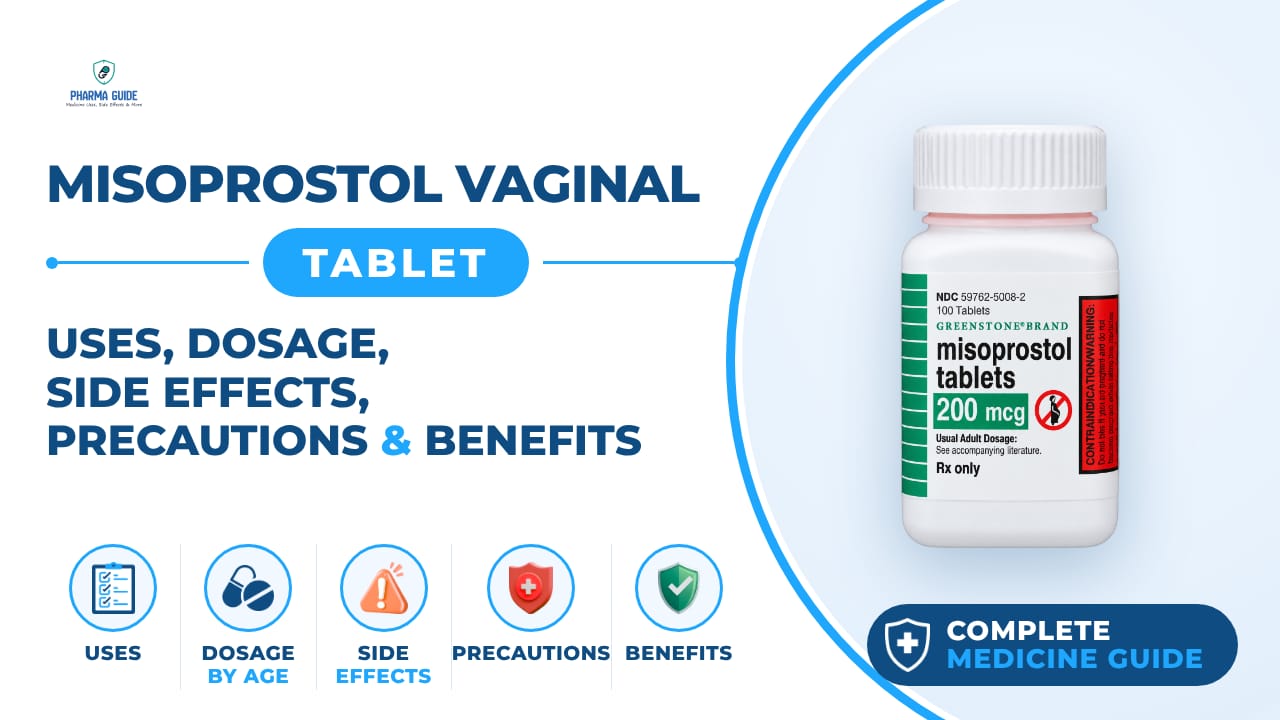
Misoprostol Vaginal Tablet: Uses, Dosage, Side Effects, Precautions and Alternates
| Generic name | Misoprostol |
|---|---|
| Drug class | Miscellaneous GI agents (synthetic prostaglandin E1 analogue) |
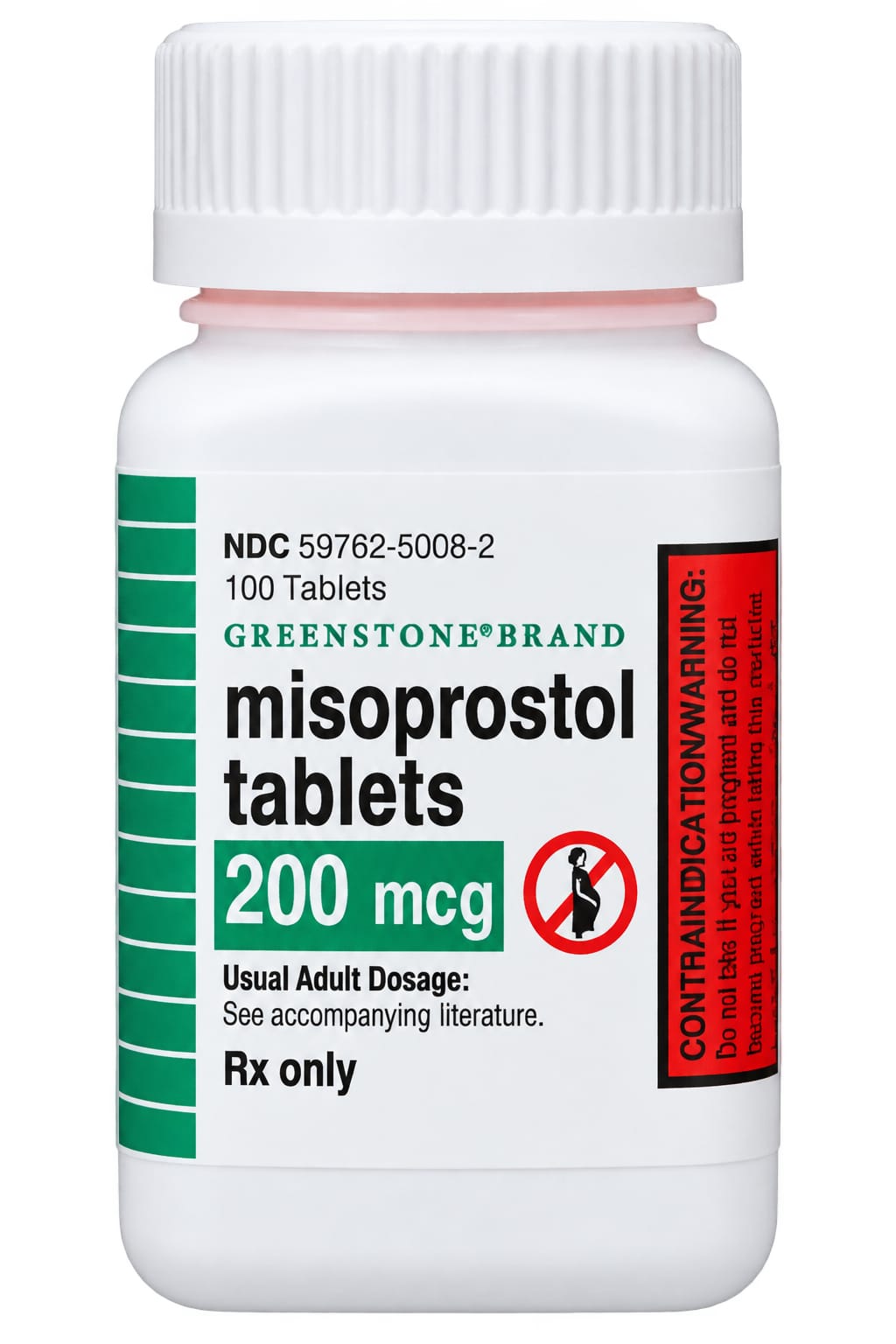
| Forms | Oral tablet (100 mcg and 200 mcg) |
Quick overview
Misoprostol Vaginal Tablet contains the active ingredient Misoprostol, a synthetic prostaglandin E1 analogue. It was originally developed to treat stomach ulcers but is also used to affect the uterus and cervix, including for ending early pregnancy, treating miscarriage, starting labor, and controlling heavy bleeding after childbirth. It is available as an oral tablet in 100 mcg and 200 mcg strengths. Use of this medicine, especially for pregnancy-related purposes, requires medical supervision due to the risk of serious complications.
What is Misoprostol Vaginal Tablet
Misoprostol is a man-made version of a substance called prostaglandin that the body makes naturally. It was originally made to treat stomach ulcers, but it is also used to affect the uterus and cervix, including for ending an early pregnancy, treating miscarriage, starting labor, and controlling heavy bleeding after childbirth.
Misoprostol Vaginal Tablet uses
- Reducing the risk of stomach ulcers caused by NSAIDs (like ibuprofen, naproxen, or aspirin) in people at high risk of ulcer complications
- Ending an early pregnancy (medical abortion), usually combined with mifepristone
- Treating early pregnancy loss (miscarriage) or incomplete abortion
- Softening and opening (ripening) the cervix before surgical procedures such as dilation and curettage or hysteroscopy
- Starting or helping along labor, including in cases of premature rupture of membranes
- Treating serious bleeding after childbirth (postpartum hemorrhage) when other treatments are not available or have not worked
Benefits of Misoprostol Vaginal Tablet
- Offers a non-surgical option for ending an early pregnancy or completing a miscarriage
- Low cost, long shelf life, and does not need refrigeration, making it widely available
- Effective at softening the cervix before some gynecologic procedures, which may reduce the need for extra mechanical dilation
How Misoprostol Vaginal Tablet works
Misoprostol acts like a natural body substance called prostaglandin. In the stomach, it reduces acid and helps protect the stomach lining. In the uterus and cervix, it causes the muscles to contract and softens the cervix, which helps expel pregnancy tissue.
Misoprostol Vaginal Tablet dosage
Take exactly as directed by your doctor; follow your prescription label and any instruction sheets you are given. For ulcer prevention, this medicine is usually taken with meals, with the last dose of the day at bedtime, to help reduce stomach upset. When used vaginally, tablets are placed high into the vagina and are left to dissolve on their own. When used under the tongue or in the cheek pouch, tablets are held in place for about 20 to 30 minutes to dissolve, then any remaining pieces are swallowed with water.
Do not share this medicine with anyone else, even if they have similar symptoms. If a dose is missed, take it as soon as you remember, unless it is almost time for the next dose — in that case skip the missed dose and continue your normal schedule; do not double up doses. Ask your doctor before using an antacid, and avoid antacids containing magnesium, since these can cause or worsen diarrhea.
| Age group | Dose |
|---|---|
| Under 18 Years | Use only under specialist medical supervision |
| Adults (18–64 Years) | Dose varies by medical purpose (commonly 25–800 mcg depending on indication) |
| Older Adults (65+ years) | Dose determined by doctor based on medical condition |
Available forms and strengths
- Oral tablet (100 mcg and 200 mcg)
Side effects of Misoprostol Vaginal Tablet
Common
- Diarrhea
- Stomach pain or cramping
- Nausea and vomiting
- Wind (flatulence)
- Indigestion
- Constipation
- Headache
- Chills and fever
- Dizziness
- Heavier and more prolonged vaginal bleeding than a normal period
- Skin rash
Serious
- Severe or ongoing stomach discomfort or diarrhea lasting more than 8 days
- Signs of dehydration such as dizziness, confusion, feeling very thirsty, or reduced urination
- Very heavy bleeding (soaking more than two large thick sanitary pads an hour for more than two hours in a row)
- Continuous bleeding for several days causing dizziness or light-headedness
- Sudden onset of extremely heavy bleeding after bleeding had stopped
- Little or no bleeding in the first seven days after taking the medicine, which may mean the pregnancy was not ended
- Chills and fever lasting more than 24 hours after the last dose, which may suggest infection
- Severe abdominal pain lasting more than 24 hours after the last dose
- Signs of an allergic reaction: hives, difficulty breathing, swelling of the face, lips, tongue, or throat
- Tearing of the uterus (uterine rupture), which can cause severe bleeding and may require surgery
- Amniotic fluid entering the mother's bloodstream, causing a serious allergic-type reaction
- High fever above 40°C (104°F) with confusion, agitation, fast heartbeat, or convulsions
Warnings and precautions
- This medicine must not be given to pregnant women to lower the risk of NSAID-related ulcers because it can cause birth defects, abortion, premature birth, or tearing of the uterus.
- Tearing of the uterus has occurred when this medicine was used to start labor or cause abortion. The danger goes up the further along the pregnancy is and if the uterus has had prior surgery, including a C-section.
- Never give this medicine to another person. It was prescribed for your own condition and could be dangerous for someone else, especially if they are pregnant.
- It is illegal to give or sell these tablets to someone else for the purpose of causing an abortion.
- Do not use this medicine in the last three months of pregnancy if you have had a previous C-section or major uterine surgery, because of the higher risk of the uterus tearing.
- Combining this medicine with oxytocin (a labor-inducing drug) less than 4 hours apart is not recommended because it can increase uterine activity too much.
- This medicine must not be used during pregnancy to prevent NSAID ulcers because it can cause miscarriage, birth defects, premature birth, or tearing of the uterus. When used for pregnancy-related reasons, it must only be done under medical supervision because of the risk of serious complications.
- This medicine passes into breast milk. Ask your doctor whether breastfeeding is safe while using it.
- People with kidney problems may process this medicine more slowly, but usually don't need a routine dose change. Your doctor may lower your dose if you don't tolerate the usual amount.
- This medicine can cause dizziness. Be careful when driving or using machinery until you know how it affects you.
Storage
- Store at or below 25°C (77°F) in a dry area
- Store at room temperature away from moisture and heat
- Do not store above 30°C
- Keep in the original package
- Keep out of the reach and sight of children
- Do not use after the expiry date on the carton or blister strip
- If leftover tablets are not needed, dispose of them by taking them to the clinic that supplied them, a local pharmacy, or an NHS clinic for disposal — do not put them in waste water or household waste
When to see a doctor
- Get emergency help right away if you have signs of a serious allergic reaction, such as hives, trouble breathing, or swelling of your face, lips, tongue, or throat.
- Call your doctor right away if you have severe ongoing stomach pain or diarrhea, or signs of dehydration like dizziness, confusion, extreme thirst, or reduced urination.
- Seek medical attention if you soak through more than two large thick sanitary pads an hour for more than two hours in a row, or if you have ongoing bleeding for several days that makes you dizzy or light-headed.
- Seek medical care if bleeding suddenly becomes extremely heavy after having stopped, or if you have very little or no bleeding in the first week, which may mean the pregnancy did not end and needs further treatment.
- Seek medical help if you have chills and fever lasting more than a day after your last dose, which could mean you have an infection, or if you have severe stomach pain lasting more than a day after your last dose.
- If you become pregnant while taking this medicine for a non-pregnancy reason, stop taking it and contact your doctor right away.
Alternatives
- Dinoprostone
- Mifepristone
- Prostaglandin E2
Watch the video
FAQs
What is Misoprostol Vaginal Tablet used for?
It is used to reduce the risk of NSAID-related stomach ulcers, end an early pregnancy (usually with mifepristone), treat miscarriage or incomplete abortion, ripen the cervix before gynecologic procedures, start or help labor, and treat serious postpartum bleeding.
How is Misoprostol Vaginal Tablet taken?
It should be taken exactly as directed by a doctor. For ulcer prevention, it is usually taken with meals and at bedtime. Vaginally, tablets are placed high into the vagina to dissolve on their own, while sublingual or buccal use involves holding the tablet in place for 20 to 30 minutes before swallowing any remaining pieces with water.
What should I do if I miss a dose?
If you miss a dose, take it as soon as you remember unless it is almost time for the next dose, in which case you should skip the missed dose and continue your normal schedule without doubling up.
What are the serious side effects of Misoprostol Vaginal Tablet?
Serious effects include very heavy or prolonged vaginal bleeding, signs of dehydration, little or no bleeding in the first seven days, fever or severe abdominal pain lasting more than 24 hours after the last dose, allergic reactions, and tearing of the uterus.
Can Misoprostol Vaginal Tablet be used during pregnancy for ulcer prevention?
No, it must not be given to pregnant women to prevent NSAID-related ulcers because it can cause birth defects, miscarriage, premature birth, or tearing of the uterus.
General information, not medical advice
Your prescriber and the leaflet in your pack know your situation. This page does not.
- Follow your prescriber and the leaflet
- Don't start, stop, or change a dose on your own
- Doses and warnings differ by country and product
Sources
- https://pmc.ncbi.nlm.nih.gov/articles/PMC2760893/
- https://www.drugs.com/misoprostol.html
- https://www.pristyncare.com/treatment/mtp/misoprostol/
- NHS Lothian Patient Information Leaflet, Misoprostol v2.0, Nov 24
- Cytotec (misoprostol) FDA Prescribing Information, Reference ID: 4228046
- Abortion with Self-Administered Misoprostol: A Guide for Women, International Women's Health Coalition and Gynuity Health Projects
Video
Related medicines

Injectafer Injection: Uses, Dosage, Side Effects, Precautions and Alternates
Iron products
Injectafer (ferric carboxymaltose) treats iron deficiency anemia and heart failure-related iron deficiency via IV. Learn uses, dosage, side effects, and

Gliclazide Tablet: Uses, Dosage, Side Effects, Precautions and Alternates
Sulfonylurea (hypoglycemic/antidiabetic agent)
Gliclazide Tablet is a sulfonylurea for type 2 diabetes that boosts insulin release. Learn about dosage, side effects, warnings, and precautions.