
Safety
General information, not medical advice
Your prescriber and the leaflet in your pack know your situation. This page does not.
- Follow your prescriber and the leaflet
- Don't start, stop, or change a dose on your own
- Doses and warnings differ by country and product
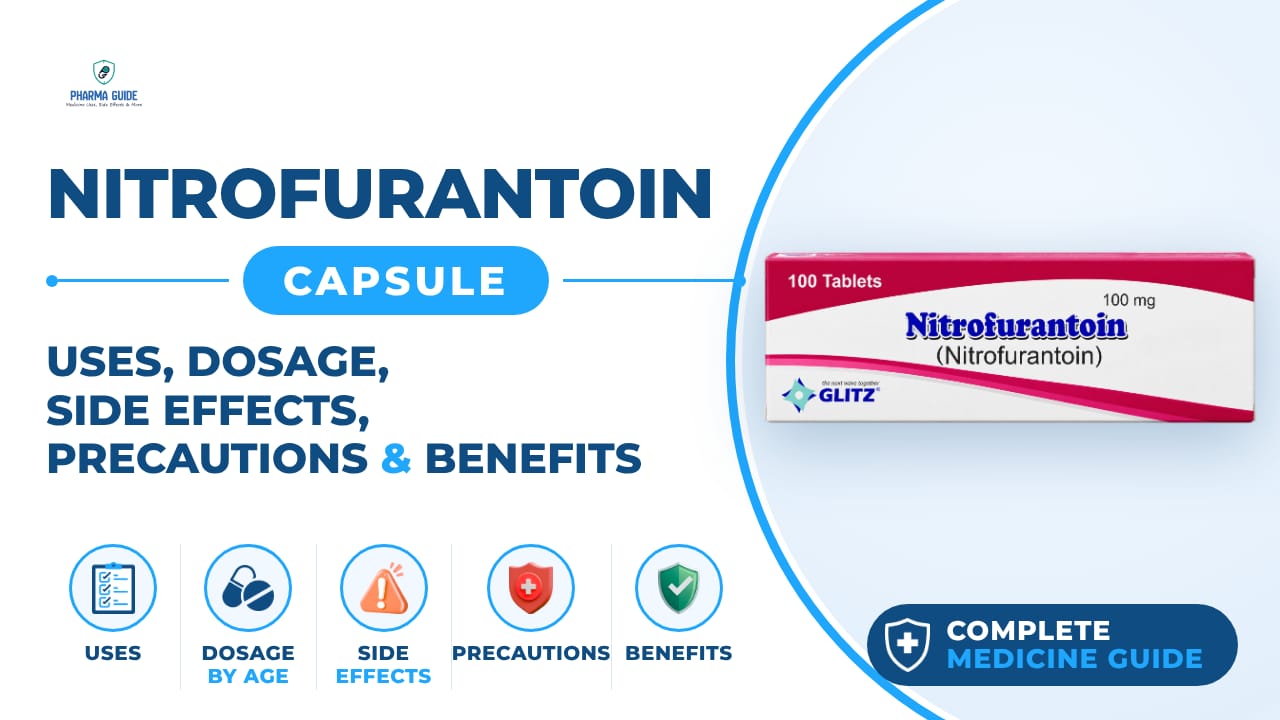
Nitrofurantoin Capsule: Uses, Dosage, Side Effects, Precautions and Alternates
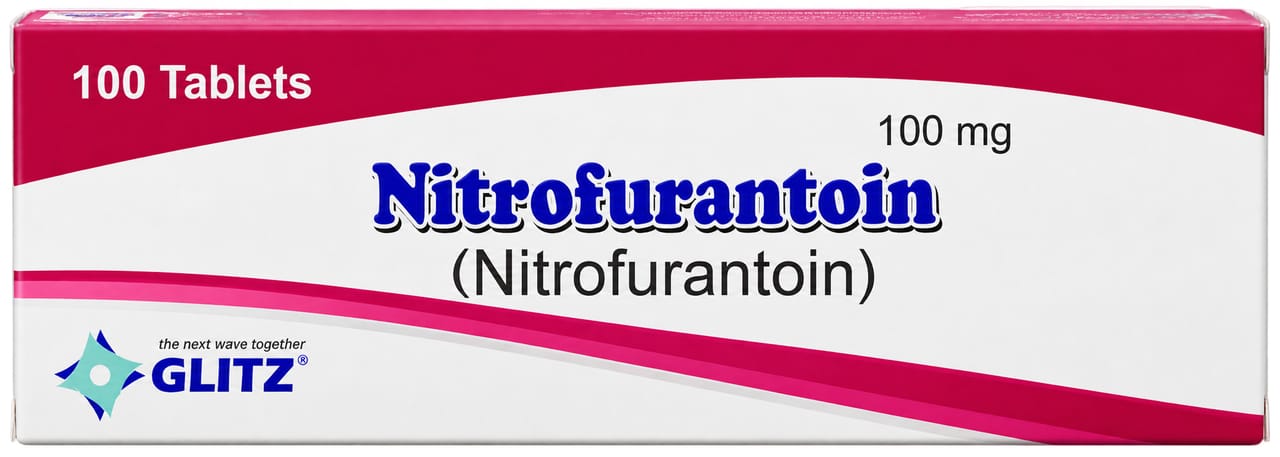
| Generic name | Nitrofurantoin |
|---|---|
| Drug class | Urinary anti-infective (antibiotic) |
| Forms | Capsule, Suspension (liquid), Extended-release capsule |
Quick overview
Nitrofurantoin Capsule is a urinary anti-infective antibiotic used to treat urinary tract infections and to help prevent them from recurring. It works by damaging bacteria so they cannot make proteins, use energy, or copy their DNA and RNA, which kills them. It is taken with food, and common side effects include headache, dizziness, and stomach upset, while rare but serious effects can involve the lungs, liver, and nerves.
What is Nitrofurantoin Capsule
Nitrofurantoin is an antibiotic that fights bacteria in the body. It is used to treat urinary tract infections and will not work against viral infections like colds or flu.
Nitrofurantoin Capsule uses
- Treating urinary tract infections (bladder infections/cystitis)
- Preventing repeat urinary tract infections
Benefits of Nitrofurantoin Capsule
- Kills bacteria or stops them from growing in the urinary tract
- Clears up symptoms of urinary tract infections when taken for the full course
How Nitrofurantoin Capsule works
Nitrofurantoin is changed by bacteria into active forms that damage important bacterial building blocks, stopping the bacteria from making proteins, using energy, and copying their DNA and RNA, which kills them.
Nitrofurantoin Capsule dosage
Follow all directions on your prescription label; do not take more, less, or for longer than recommended. Take with food or milk, ideally with breakfast and dinner, to reduce stomach upset and help your body absorb the medicine better. Swallow the capsule whole; do not open, crush, or chew it before swallowing.
If using the liquid form, shake it well just before measuring a dose, and use a proper dose-measuring device rather than a household spoon. You may mix a liquid dose with water, milk, or fruit juice to make it easier to swallow, and drink the mixture right away.
Keep taking the medicine for the full length of time prescribed, even if you feel better early, because stopping too soon may let the infection come back or become harder to treat. Do not use antacids containing magnesium trisilicate while taking this medicine, as they can reduce how well your body absorbs it.
If you miss a dose, take it as soon as you remember, but skip it if it is almost time for your next dose; do not double up. Tell any doctor treating you that you are taking this medicine, since it can affect certain urine sugar test results.
| Age group | Dose |
|---|---|
| Under 3 months | Not routinely recommended |
| 3 months–5 years | Dose based on weight; suspension usually preferred |
| 6–11 years | Dose based on weight; capsules may not be suitable |
| 12–17 years | 100 mg twice daily |
| Adults ≥18 years | 100 mg twice daily |
Available forms and strengths
- Capsule
- Suspension (liquid)
- Extended-release capsule
Side effects of Nitrofurantoin Capsule
Common
- Headache
- Dizziness
- Gas
- Upset stomach
- Mild diarrhea
- Vaginal itching or discharge
- Drowsiness
Serious
- Allergic reaction: hives, difficulty breathing, swelling of face, lips, tongue, or throat
- Watery or bloody diarrhea
- Sudden chest pain or discomfort, wheezing, dry cough or hack
- New or worsening cough, trouble breathing
- Fever, chills, body aches, tiredness, unexplained weight loss
- Numbness, tingling, or pain in hands or feet (possible nerve damage)
- Liver problems: nausea, upper stomach pain, itching, tiredness, loss of appetite, dark urine, clay-colored stools, yellowing of skin or eyes
- Lupus-like syndrome: joint pain or swelling with fever, swollen glands, muscle aches, chest pain, vomiting, unusual thoughts or behavior, patchy skin color
- Signs of lung problems: chest pain, chills, cough, fever, general feeling of illness, thickened bronchial secretions, trouble breathing
- Signs of hemolytic anemia: back, leg, or stomach pain, bleeding gums, chills, dark urine, fatigue, fever, body swelling, headache, loss of appetite, nausea or vomiting, nosebleeds, pale skin, sore throat, trouble breathing, yellowing of eyes or skin
Warnings and precautions
- This medicine can cause lung problems, ranging from sudden reactions to long-term lung scarring, especially with long-term use; these have contributed to deaths in some cases. Liver problems, including hepatitis and liver damage, can occur rarely, and there have been fatal cases.
- Nerve damage (peripheral neuropathy) can occur and may become severe or permanent; deaths have been reported. Certain conditions like kidney problems, anemia, diabetes, and vitamin B deficiency can increase this risk.
- This medicine can cause a type of anemia from red blood cell breakdown, particularly in people with a G6PD enzyme deficiency, which is more common in certain ethnic groups. Severe diarrhea caused by an infection called C. difficile can occur with this and almost all antibiotics, sometimes appearing more than two months after finishing treatment.
- This medicine should not be used in people with severe kidney disease, urination problems, or a history of jaundice or liver problems caused by nitrofurantoin. It should not be used in the last few weeks of pregnancy because of a risk of a certain type of anemia in the baby.
- Elderly patients may be more likely to have serious lung and liver reactions, especially with long-term use, and may need extra monitoring of kidney function.
- This medicine should not be used in the last few weeks of pregnancy. Earlier in pregnancy, it should only be used if clearly needed, based on your doctor's judgment.
- This medicine can pass into breast milk in small amounts and may be harmful to a nursing baby, especially one under one month old. Talk with your doctor about the risks and benefits before breastfeeding while using it.
- This medicine should not be used by people with severe kidney disease and should be used carefully in those with milder kidney problems, since it may not be cleared from the body as quickly.
- People with a history of liver problems caused by this medicine, or severe liver disease, should not take it. It should be used carefully in people with other liver conditions.
- Using alcohol with certain medicines may cause interactions; discuss alcohol use with your healthcare professional.
Storage
- Store the medicine in a closed container at room temperature, away from heat, moisture, and direct light
- Keep from freezing
- Keep out of the reach of children
- Do not keep outdated medicine or medicine no longer needed
- Ask your healthcare professional how you should dispose of any medicine you do not use
When to see a doctor
- Get emergency help right away if you have signs of a serious allergic reaction, such as hives, trouble breathing, or swelling of your face, lips, tongue, or throat.
- Call your doctor right away if you have watery or bloody diarrhea, chest pain, wheezing, new or worsening cough, trouble breathing, fever, chills, body aches, unexplained weight loss, numbness or tingling in your hands or feet, or signs of liver problems like nausea, stomach pain, itching, dark urine, or yellowing of skin or eyes.
- Check with your doctor right away if you or your child have chest pain, chills, cough, fever, a general feeling of illness, or trouble breathing, as these can be signs of a serious lung reaction.
- Check with your doctor right away if you notice numbness, tingling, or burning pain in your hands, arms, legs, or feet, as this could be a sign of nerve damage.
- Seek emergency medical help or contact your local poison control center if you think you or someone else has taken too much of this medicine.
Alternatives
- Fosfomycin
- Trimethoprim
- Trimethoprim + Sulfamethoxazole (Co-trimoxazole)
Watch the video
FAQs
What is Nitrofurantoin Capsule used for?
It is used to treat urinary tract infections (bladder infections/cystitis) and to help prevent them from recurring.
How should Nitrofurantoin Capsule be taken?
Take it with food or milk, ideally with breakfast and dinner, to reduce stomach upset and improve absorption. Swallow the capsule whole without opening, crushing, or chewing it, and complete the full prescribed course even if you feel better early.
What are the common side effects of Nitrofurantoin Capsule?
Common side effects include headache, dizziness, gas, upset stomach, mild diarrhea, vaginal itching or discharge, and drowsiness.
What serious risks are linked to Nitrofurantoin Capsule?
Rare but serious risks include lung problems, liver damage, nerve damage (peripheral neuropathy), hemolytic anemia, lupus-like syndrome, and severe allergic reactions.
Can Nitrofurantoin Capsule be used during pregnancy?
It should not be used in the last few weeks of pregnancy due to a risk of anemia in the baby, and earlier in pregnancy it should only be used if clearly needed, based on a doctor's judgment.
General information, not medical advice
Your prescriber and the leaflet in your pack know your situation. This page does not.
- Follow your prescriber and the leaflet
- Don't start, stop, or change a dose on your own
- Doses and warnings differ by country and product
Sources
Video
Related medicines

Injectafer Injection: Uses, Dosage, Side Effects, Precautions and Alternates
Iron products
Injectafer (ferric carboxymaltose) treats iron deficiency anemia and heart failure-related iron deficiency via IV. Learn uses, dosage, side effects, and

Gliclazide Tablet: Uses, Dosage, Side Effects, Precautions and Alternates
Sulfonylurea (hypoglycemic/antidiabetic agent)
Gliclazide Tablet is a sulfonylurea for type 2 diabetes that boosts insulin release. Learn about dosage, side effects, warnings, and precautions.