
Safety
General information, not medical advice
Your prescriber and the leaflet in your pack know your situation. This page does not.
- Follow your prescriber and the leaflet
- Don't start, stop, or change a dose on your own
- Doses and warnings differ by country and product
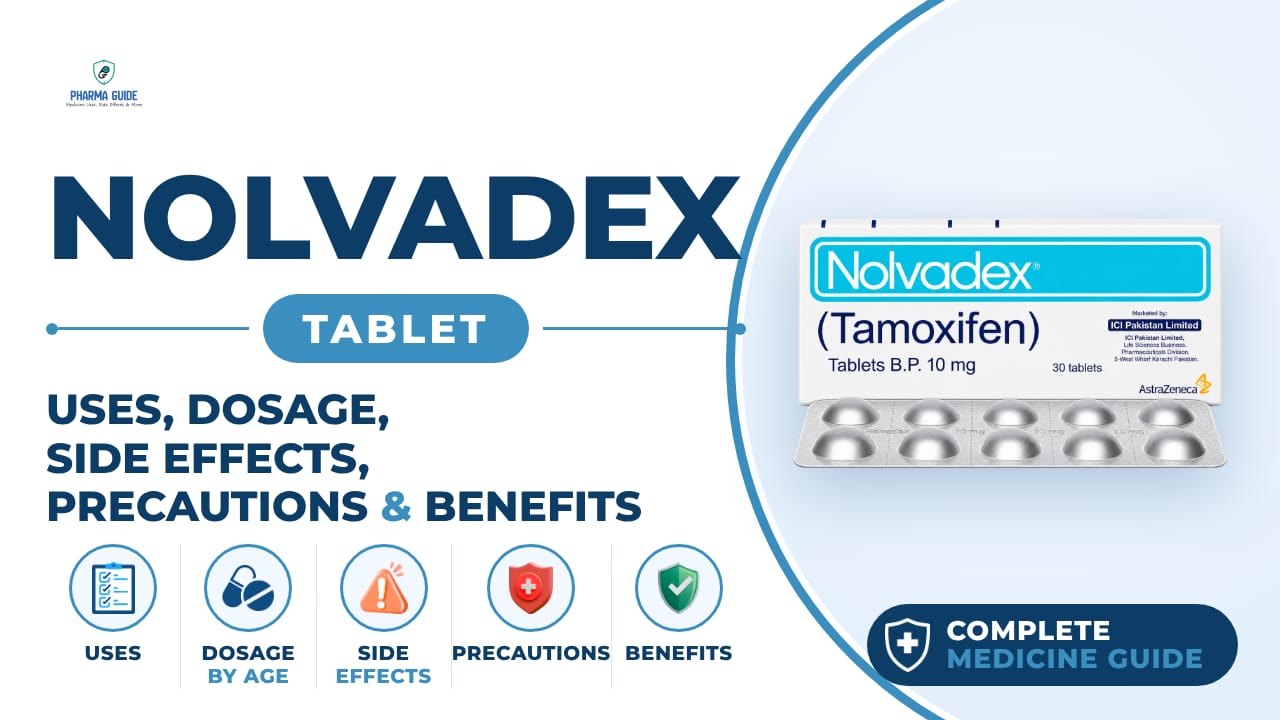
Nolvadex Tablet: Uses, Dosage, Side Effects, Precautions and Alternates
| Generic name | Tamoxifen citrate |
|---|---|
| Drug class | Nonsteroidal antiestrogen (antineoplastic agent) |
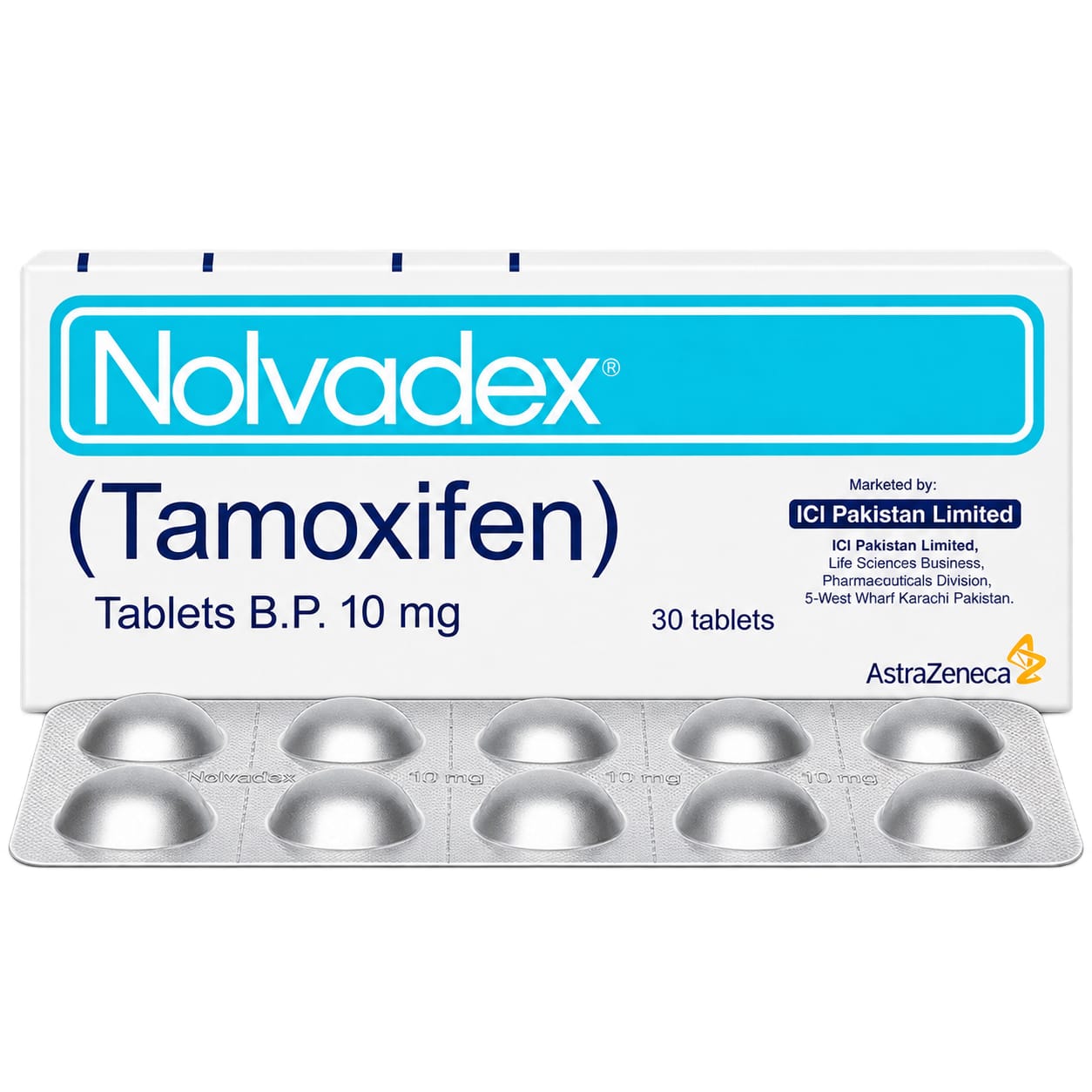
| Forms | Tablets (10 mg and 20 mg strengths) |
Quick overview
Nolvadex Tablet contains tamoxifen citrate, a nonsteroidal antiestrogen used to treat breast cancer and, in certain high-risk women, to lower the chance of developing breast cancer. It works by blocking the effects of estrogen, which some breast tumors need to grow. It is available as tablets and is taken as directed by a doctor, usually once daily.
What is Nolvadex Tablet
Nolvadex is a prescription medicine containing tamoxifen citrate, a nonsteroidal antiestrogen. It is used to treat breast cancer and, in certain high-risk women, to lower the chance of getting breast cancer.
Nolvadex Tablet uses
- Treatment of metastatic (advanced) breast cancer in women and men
- Adjuvant (after surgery) treatment of node-positive and node-negative breast cancer in women following mastectomy or breast-conserving surgery and radiation
- Reducing the risk of invasive breast cancer in women with ductal carcinoma in situ (DCIS) after breast surgery and radiation
- Reducing the incidence of breast cancer in women at high risk of developing the disease
Benefits of Nolvadex Tablet
- Can shrink or control tumor growth in advanced breast cancer
- Reduces the risk of breast cancer coming back after early treatment
- Reduces the chance of getting a second breast cancer in the opposite breast
- Reduces the risk of invasive breast cancer in women with DCIS
- Lowers the chance of getting breast cancer in women at high risk
How Nolvadex Tablet works
Nolvadex blocks the effects of the hormone estrogen in the body. Because some breast tumors need estrogen to grow, blocking its effects can stop or slow the growth of these tumors.
Nolvadex Tablet dosage
Take the tablets exactly as your doctor tells you to, and do not change your dose or stop without talking to your doctor first. Take your medicine at the same time each day to help you remember. If you miss a dose, take it as soon as you remember, then take your next dose as usual; do not take two doses at the same time. Swallow the tablets whole with a drink of water. You can take this medicine with or without food. For early breast cancer, treatment is usually continued for about 5 years; for advanced cancer, treatment continues as long as your doctor feels it is helpful. Keep all scheduled check-ups, including breast exams, mammograms, and gynecological exams while taking this medicine.
| Age group | Dose |
|---|---|
| Under 18 years | Safety and effectiveness are not established for routine breast-cancer treatment |
| 18–64 years | Commonly 20 mg once daily; some regimens use 20–40 mg/day depending on indication |
Available forms and strengths
- Tablets (10 mg and 20 mg strengths)
Side effects of Nolvadex Tablet
Common
- Hot flashes
- Vaginal discharge
- Vaginal bleeding
- Menstrual irregularities
- Nausea
- Fluid retention (swelling)
- Hair thinning or partial hair loss
- Headache
- Light-headedness
- Skin rash or changes
- Mood changes/depression
- Weight loss
Serious
- Blood clots in the lungs (pulmonary embolism)
- Blood clots in the legs (deep vein thrombosis)
- Stroke
- Cancer of the uterus (endometrial cancer) or rare uterine sarcoma
- Cataracts or need for cataract surgery
- Liver problems including jaundice, hepatitis, or liver failure
- Severe allergic reactions including swelling of face, lips, tongue, or throat (angioedema)
- Severe skin reactions such as Stevens-Johnson syndrome or toxic epidermal necrolysis
- Low platelet counts or low white blood cell counts
- High calcium levels in patients with bone metastases (hypercalcemia)
- Pancreatitis with elevated triglycerides
Warnings and precautions
- This medicine must not be used during pregnancy because it may seriously harm an unborn baby. Women should use non-hormonal birth control while taking it and for a period after stopping, and should contact their doctor immediately if they become pregnant.
- It is not known whether this medicine passes into breast milk, but because of the potential for serious side effects in a nursing baby, a decision must be made whether to stop breastfeeding or stop the medicine.
- No routine dose adjustment is usually required solely for kidney impairment.
- This medicine has been linked to liver problems, including changes in liver enzymes and, rarely, more serious conditions like fatty liver, hepatitis, or liver failure, some of which have been fatal.
- Alcohol is best limited, particularly if liver problems are present.
- This medicine is unlikely to affect your ability to drive or use machines, but tiredness and weakness have been reported, so caution should be used if these symptoms occur.
- For women taking this medicine to reduce breast cancer risk or for DCIS, there are serious and potentially life-threatening risks, including cancer of the uterus, stroke, and blood clots in the lungs. Some of these events have been fatal.
- This medicine should not be used by women who need blood-thinning medicine (anticoagulants) or who have had blood clots in the past, when it is being used to reduce breast cancer risk.
- There is an increased risk of changes in the lining of the uterus, including cancer, linked to this medicine. Any unusual vaginal bleeding should be checked by a doctor right away.
- This medicine increases the risk of blood clots in the veins and lungs, which can cause serious problems, disability, or death.
- This medicine can cause eye problems including cataracts, and in rare cases, more serious changes affecting the retina or optic nerve.
- In patients with bone metastases, this medicine can cause high calcium levels shortly after starting treatment, which needs prompt medical attention.
Storage
- Store at room temperature (68-77°F or 15-30°C)
- Protect from light
- Keep in a well-closed, light-resistant container
- Keep out of the reach of children
- Do not take the tablets after the expiration date on the container; make sure any discarded tablets are kept out of the reach of children
When to see a doctor
- Contact your doctor immediately if you notice new breast lumps, vaginal bleeding, changes in your menstrual cycle, changes in vaginal discharge, or pelvic pain or pressure.
- Get medical help right away for swelling or tenderness in your calf, unexplained shortness of breath, sudden chest pain, or coughing up blood, as these may be signs of a blood clot.
- Seek medical attention if you notice any changes in your vision, as this medicine can affect the eyes.
- Seek medical help right away for signs of a stroke, such as sudden weakness, numbness, trouble speaking, confusion, vision problems, or sudden severe headache.
- Stop taking this medicine and get immediate medical help if you develop swelling of the face, lips, tongue, or throat, which could be a sign of a serious allergic reaction.
- Tell your doctor immediately if you experience excessive nausea, vomiting, or thirst, as this could indicate high calcium levels in your blood.
Alternatives
- Toremifene
- Anastrozole
- Letrozole
Watch the video
FAQs
What is Nolvadex Tablet used for?
Nolvadex is used to treat metastatic breast cancer, as adjuvant therapy after breast cancer surgery, to reduce the risk of invasive breast cancer in women with DCIS, and to lower the chance of developing breast cancer in women at high risk.
How does Nolvadex Tablet work?
Nolvadex contains tamoxifen citrate, which blocks the effects of estrogen in the body. Since some breast tumors need estrogen to grow, blocking it can stop or slow tumor growth.
What is the usual dosage of Nolvadex Tablet?
For adults 18-64 years, the common dose is 20 mg once daily, with some regimens using 20-40 mg/day depending on the indication. Early breast cancer treatment usually continues for about 5 years, while advanced cancer treatment continues as long as the doctor feels it is helpful.
What are the serious side effects of Nolvadex Tablet?
Serious side effects include blood clots in the lungs or legs, stroke, endometrial cancer or uterine sarcoma, cataracts, liver problems, severe allergic reactions, severe skin reactions, low blood cell counts, high calcium levels in patients with bone metastases, and pancreatitis.
Can Nolvadex Tablet be used during pregnancy?
No, Nolvadex must not be used during pregnancy because it may seriously harm an unborn baby. Women should use non-hormonal birth control while taking it and contact their doctor immediately if they become pregnant.
General information, not medical advice
Your prescriber and the leaflet in your pack know your situation. This page does not.
- Follow your prescriber and the leaflet
- Don't start, stop, or change a dose on your own
- Doses and warnings differ by country and product
Sources
Video
Related medicines

Injectafer Injection: Uses, Dosage, Side Effects, Precautions and Alternates
Iron products
Injectafer (ferric carboxymaltose) treats iron deficiency anemia and heart failure-related iron deficiency via IV. Learn uses, dosage, side effects, and

Gliclazide Tablet: Uses, Dosage, Side Effects, Precautions and Alternates
Sulfonylurea (hypoglycemic/antidiabetic agent)
Gliclazide Tablet is a sulfonylurea for type 2 diabetes that boosts insulin release. Learn about dosage, side effects, warnings, and precautions.