Ofloxacin Tablet: Uses, Dosage, Side Effects, Precautions and Alternates
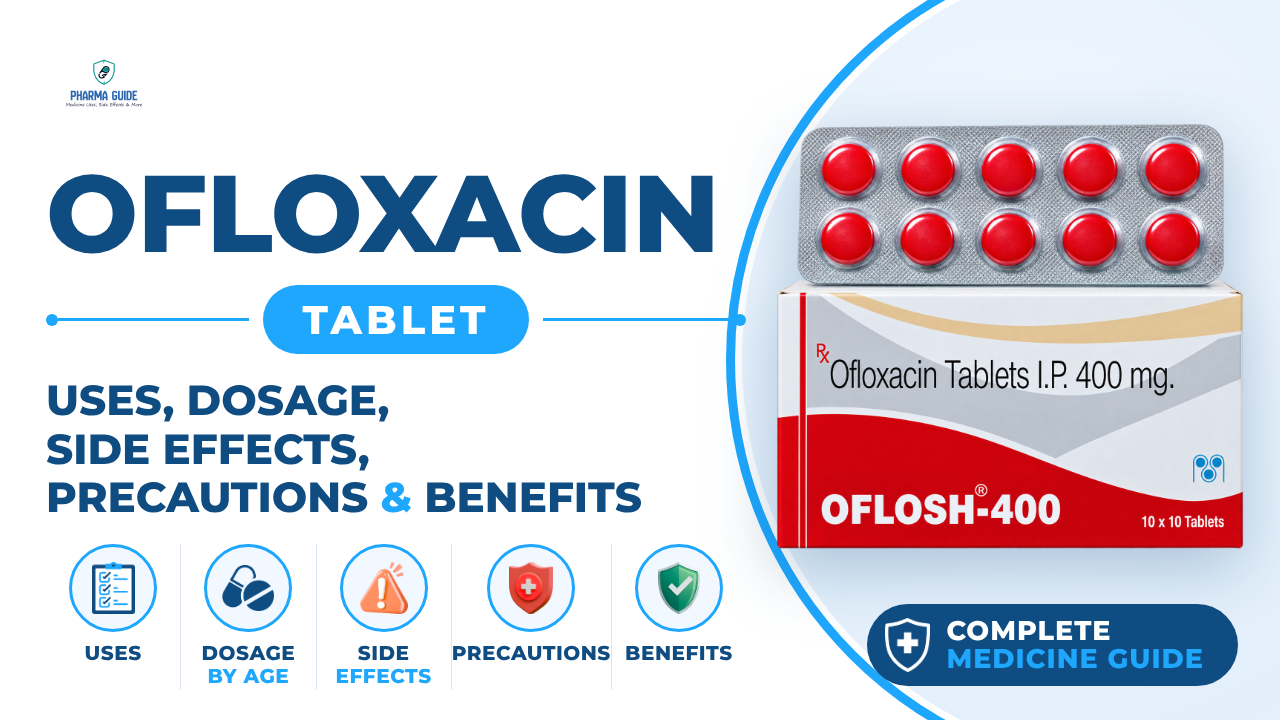
| Generic name | ofloxacin |
|---|---|
| Drug class | Quinolones and Fluoroquinolones |
| Forms | Oral tablet |
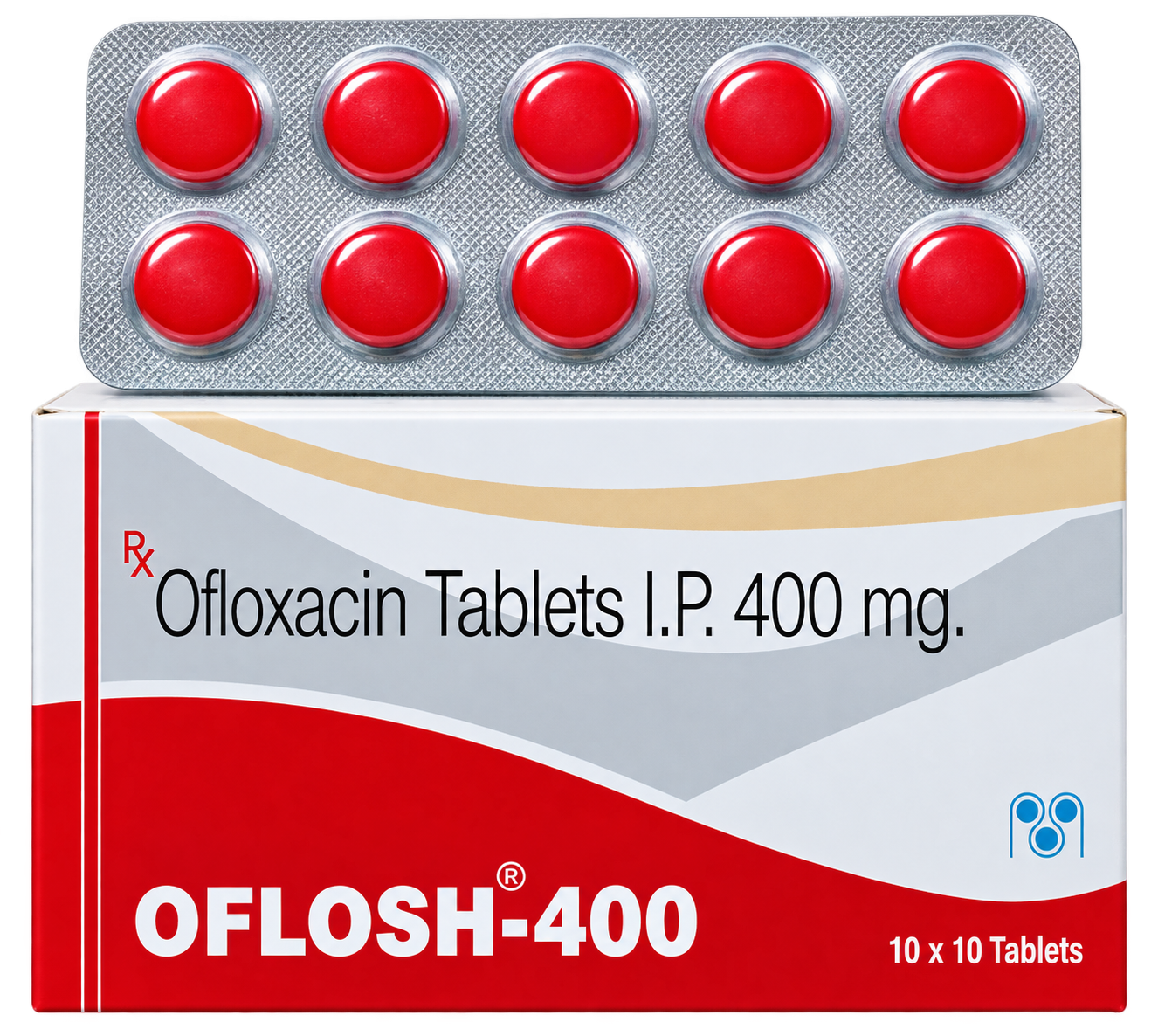
Quick overview
Ofloxacin Tablet contains ofloxacin, a fluoroquinolone antibiotic that fights bacterial infections in the body. It is used for many types of bacterial infections, including those affecting the skin, lungs, urinary tract, and prostate, but it does not work against viral infections like the flu or a common cold. It is taken by mouth and must be used for the full prescribed length of time.
What is Ofloxacin Tablet
Ofloxacin is a fluoroquinolone antibiotic that fights bacteria in the body. It is used to treat many types of bacterial infections but does not work against viral infections like the flu or a common cold.
Ofloxacin Tablet uses
- Bacterial infections of the skin
- Lung infections such as pneumonia and bronchitis
- Prostate infections
- Urinary tract infections (bladder and kidneys)
- Pelvic inflammatory disease
- Chlamydia and/or gonorrhea
- Infectious diarrhea
- Legionnaires' disease
Benefits of Ofloxacin Tablet
- Treats many different types of bacterial infections
- Taken by mouth
- Can be taken with or without food
- May be an option for people with an allergy to penicillin
How Ofloxacin Tablet works
Ofloxacin works by blocking certain enzymes that bacteria use to grow and repair their genetic material (DNA). By blocking this process, the antibiotic kills the bacteria.
Ofloxacin Tablet dosage
Take ofloxacin with water, and drink extra fluids to keep your kidneys working properly. You may take ofloxacin with or without food, at the same time each day. If it is upsetting your stomach, try taking it with food, but avoid calcium-containing items such as yogurt or cheese.
Keep a gap between two doses as directed, usually taking it about 12 hours apart. Use this medicine for the full prescribed length of time, even if your symptoms quickly improve. Skipping doses can increase your risk of an infection that is resistant to medication.
Do not share ofloxacin with another person. Do not take ofloxacin within 2 hours of taking sucralfate, antacids, or any supplements or multivitamins containing magnesium, aluminum, iron, calcium, or zinc. Ofloxacin will not treat a viral infection such as the flu or a common cold.
| Age group | Dose |
|---|---|
| Under 18 years | Generally not recommended unless specifically prescribed |
| 18–64 years | Usually 200–400 mg every 12 hours, depending on infection |
| 65+ years | Adult dosing; adjust for kidney function |
Available forms and strengths
- Oral tablet
Side effects of Ofloxacin Tablet
Common
- Nausea
- Constipation
- Diarrhea
- Dizziness
- Headache
- Trouble sleeping (insomnia)
- Vomiting
- Itching
- Taste changes
- Fatigue
Serious
- Signs of an allergic reaction such as hives, difficult breathing, swelling of the face or throat
- Severe skin reaction with fever, sore throat, burning eyes, skin pain, or a spreading red or purple rash with blistering and peeling
- Tendon problems such as sudden pain, swelling, bruising, tenderness, stiffness, or a snapping or popping sound in a joint
- Nerve symptoms such as numbness, weakness, tingling, or burning pain in the hands, arms, legs, or feet
- Serious mood or behavior changes such as confusion, agitation, paranoia, hallucinations, memory problems, or thoughts of suicide
- Low blood sugar with headache, hunger, sweating, irritability, dizziness, nausea, fast heart rate, or feeling anxious or shaky
- Severe and constant pain in the chest, stomach, or back (possible damage to the aorta)
- Severe stomach pain and watery or bloody diarrhea
- Fast or pounding heartbeats, fluttering in the chest, shortness of breath, and sudden dizziness
- Muscle weakness and breathing problems
- Little or no urination
- A seizure
- Increased pressure inside the skull with severe headaches, ringing in the ears, vision problems, or pain behind the eyes
- Liver problems such as upper stomach pain, loss of appetite, dark urine, clay-colored stools, or yellowing of the skin or eyes
Warnings and precautions
- Fluoroquinolone antibiotics can cause serious or disabling side effects that may not be reversible.
- Ofloxacin should be used only for infections that cannot be treated with a safer antibiotic.
- Ofloxacin can cause tendon swelling or tearing, especially in the Achilles tendon of the heel.
- This can happen during treatment or up to several months after stopping.
- The risk is higher in older adults, people who use steroid medicine, and those who have had an organ transplant.
- In rare cases, ofloxacin may damage the aorta, the main blood artery of the body, which could lead to dangerous bleeding or death.
- Ofloxacin is not approved for use by anyone younger than 18 years old. You should not use ofloxacin if you are allergic to ofloxacin or other fluoroquinolones.
- If you have myasthenia gravis, taking ofloxacin can worsen muscle weakness and breathing problems.
- Ofloxacin can make you sunburn more easily.
- Avoid sunlight and tanning beds, wear protective clothing, and use sunscreen when outdoors.
- It is not known whether ofloxacin will harm an unborn baby.
- Tell your doctor if you are pregnant, as it has not been well studied in pregnancy.
- You should not breast-feed while using this medicine.
- Tell your doctor if you have liver or kidney disease.
- Kidney problems can raise the risk of some serious side effects, and your dose may need to be different.
- Tell your doctor if you have liver disease. Although rare, some people taking ofloxacin have had serious liver problems.
- Avoid driving or hazardous activity until you know how ofloxacin will affect you, because your reactions could be impaired.
Storage
- Store at room temperature away from moisture and heat.
- Keep the bottle tightly closed when not in use.
- Keep in a cool and dry place away from the reach of children, and avoid heat, air, light, and moisture.
When to see a doctor
Get emergency medical help if you have signs of an allergic reaction such as hives, difficult breathing, or swelling in your face or throat, or a severe skin reaction. Get emergency medical help if you have severe and constant pain in your chest, stomach, or back.
Stop taking ofloxacin and call your doctor at once if you have signs of low blood sugar, nerve symptoms, serious mood or behavior changes, or signs of tendon rupture.
Get medical help as soon as possible if you develop watery or bloody diarrhea, fever, fatigue, or stomach cramps during or after treatment, as these could be signs of a serious C. difficile infection.
If there is a seizure or trouble breathing after an overdose, the patient must be rushed to the nearest hospital. For an overdose, seek emergency medical attention or call your local poison control center.
Alternatives
- Ciprofloxacin
- Levofloxacin
- Moxifloxacin
- Norfloxacin
- Azithromycin
- Clarithromycin
Watch the video
FAQs
What is Ofloxacin Tablet used for?
It is used to treat bacterial infections of the skin, lungs (pneumonia, bronchitis), prostate, urinary tract, pelvic inflammatory disease, chlamydia and/or gonorrhea, infectious diarrhea, and Legionnaires' disease. It does not work against viral infections like the flu or common cold.
How should I take Ofloxacin Tablet?
Take it with water, with or without food, at the same time each day, about 12 hours apart. Avoid calcium-containing items like yogurt or cheese if taking with food, and complete the full prescribed course even if symptoms improve.
What should I avoid while taking Ofloxacin Tablet?
Avoid taking it within 2 hours of sucralfate, antacids, or supplements containing magnesium, aluminum, iron, calcium, or zinc. Also avoid sunlight and tanning beds since it can make you sunburn more easily, and avoid driving or hazardous activities until you know how it affects you.
What are the serious side effects of Ofloxacin Tablet?
Serious side effects include tendon problems, nerve symptoms like numbness or tingling, serious mood or behavior changes, low blood sugar, severe constant pain in the chest, stomach, or back, severe diarrhea, fast or pounding heartbeats, seizures, and liver problems.
Can Ofloxacin Tablet be used in children or during pregnancy?
Ofloxacin is not approved for use in anyone younger than 18 years old. It is not known whether it will harm an unborn baby, so tell your doctor if you are pregnant, and you should not breast-feed while using this medicine.
Sources
- https://www.drugs.com/mtm/ofloxacin.html
- https://www.goodrx.com/ofloxacin/what-is
- https://www.carehospitals.com/medicine-detail/ofloxacin
- http://medlineplus.gov/druginfo/meds/a691005.html
- https://www.mayoclinic.org/drugs-supplements/ofloxacin-oral-route/side-effects/drg-20072196
- https://www.webmd.com/drugs/2/drug-7792/ofloxacin-oral/details
Video
Related medicines
Levofloxacin Tablet: Uses, Dosage, Side Effects, Precautions and Alternates
Quinolones and Fluoroquinolones
Levofloxacin Tablet is a fluoroquinolone antibiotic for pneumonia, sinusitis, bronchitis, UTIs, and skin infections. Learn uses, dosage, side effects, and
Avelox Tablet: Uses, Dosage, Side Effects, Precautions and Alternates
Quinolones and Fluoroquinolones
Avelox Tablet is a fluoroquinolone antibiotic for lung, sinus, skin, and abdominal infections. Learn about dosage, side effects, and safety warnings.