Levofloxacin Tablet: Uses, Dosage, Side Effects, Precautions and Alternates
| Generic name | levofloxacin |
|---|---|
| Drug class | Quinolones and Fluoroquinolones |
| Forms | Oral solution, Ophthalmic solution (eye drops), Oral Tablet, Intravenous (IV) |
Quick overview
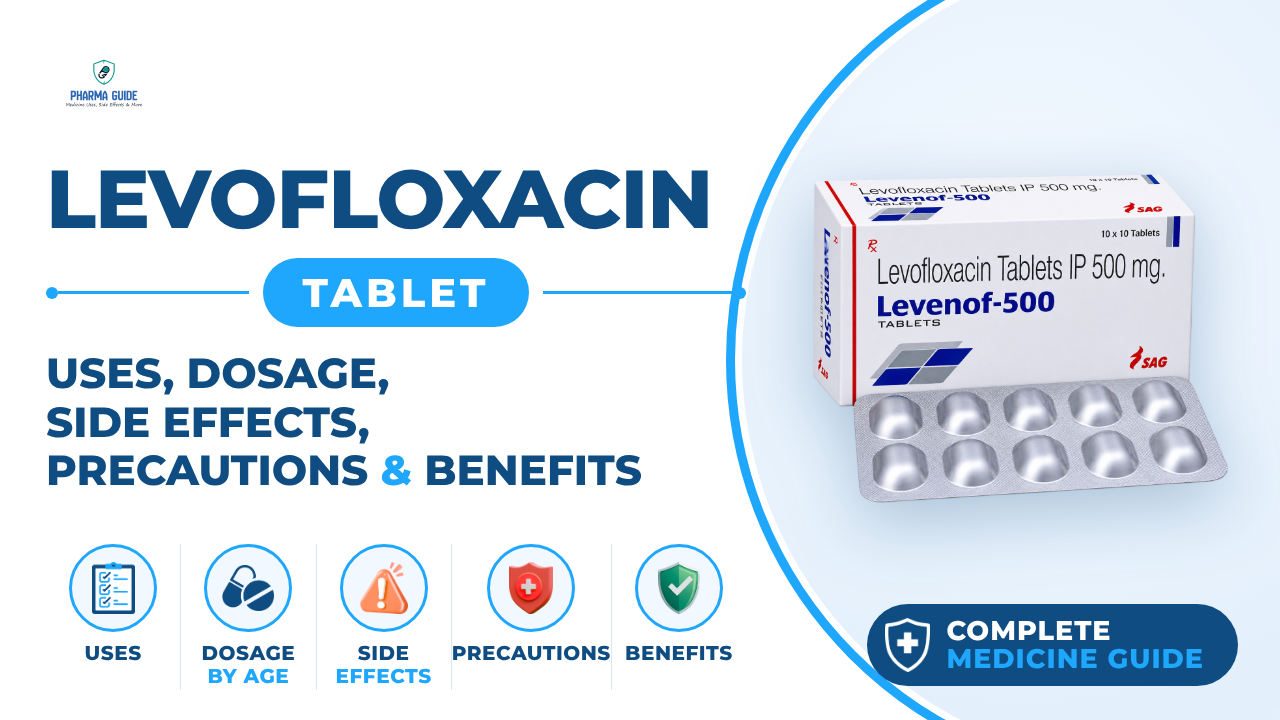
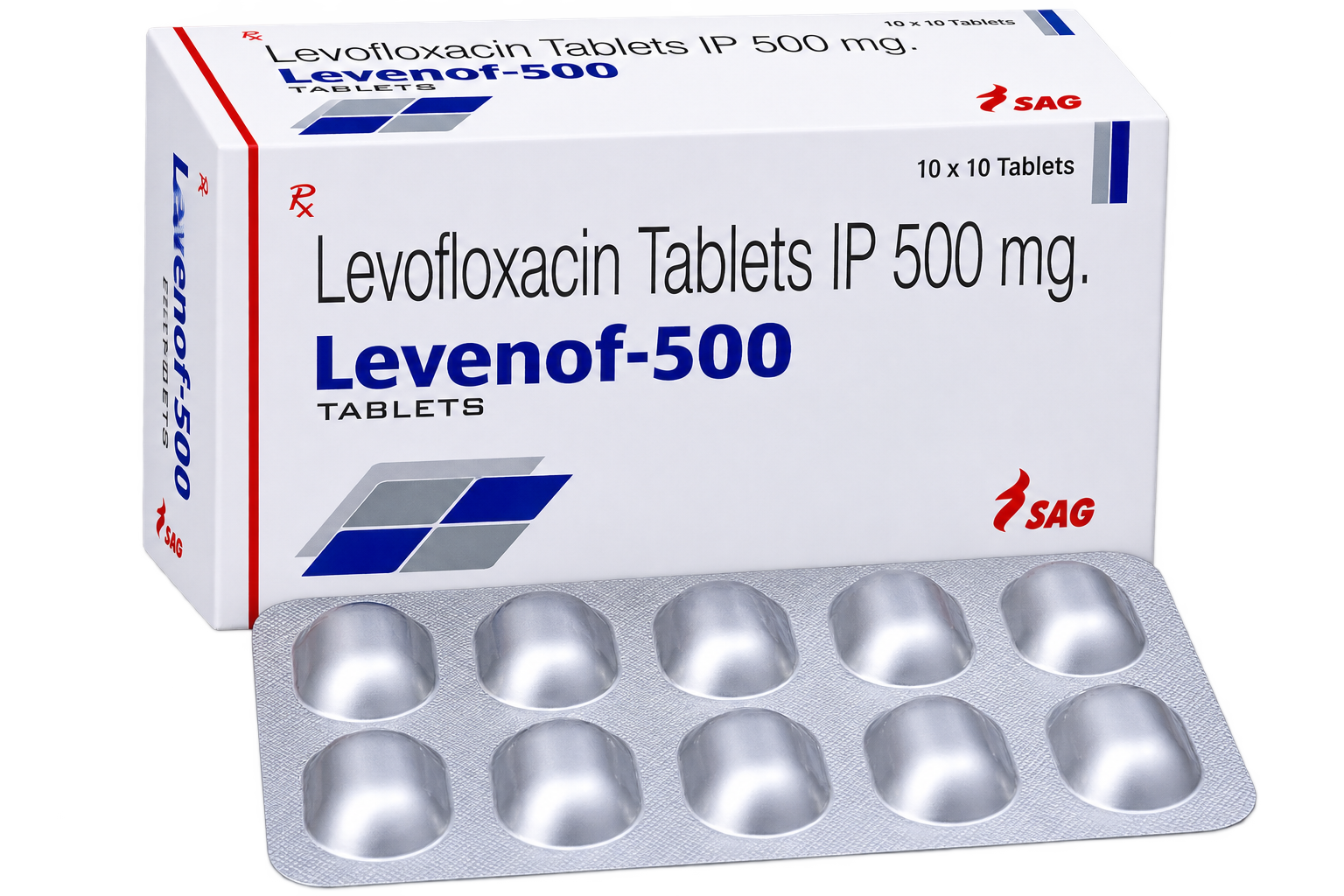
Levofloxacin Tablet is a prescription antibiotic belonging to the fluoroquinolone group of medicines. It is used to treat various bacterial infections, including pneumonia, sinus infections, bronchitis flare-ups, skin infections, and urinary tract infections. It is usually reserved for infections that cannot be treated with safer antibiotics because fluoroquinolones can cause serious or disabling side effects. It does not treat viral infections such as the flu or a common cold.
What is Levofloxacin Tablet
Levofloxacin is a prescription antibiotic used to treat different types of bacterial infections. It belongs to a group of antibiotics called fluoroquinolones. It is usually only used for bacterial infections that cannot be treated with safer antibiotics, because fluoroquinolones can cause serious or disabling side effects. It does not treat viral infections such as the flu or a common cold.
Levofloxacin Tablet uses
- Pneumonia (community-acquired and hospital-acquired)
- Sinus infection (acute bacterial sinusitis)
- Worsening of chronic bronchitis (acute bacterial exacerbation)
- Skin and skin structure infections
- Chronic bacterial prostate infection
- Urinary tract infections
- Kidney infection (acute pyelonephritis)
- Inhalational anthrax (post-exposure)
- Plague
Benefits of Levofloxacin Tablet
- Stops the growth of bacteria
- Kills the bacteria causing the infection
- Reduces the infection
How Levofloxacin Tablet works
Levofloxacin works by killing the bacteria that are causing an infection. It stops bacterial DNA from working properly, which the bacteria need to grow and multiply.
Levofloxacin Tablet dosage
Take levofloxacin with water, at the same time each day. Drink extra fluids to keep your kidneys working properly while taking levofloxacin. You may take levofloxacin tablets with or without food. Taking it with food may help to reduce upset stomach. You can crush the tablet.
Take your dose at least 2 hours before or 2 hours after antacids, sucralfate, metal cations such as iron, multivitamin preparations with zinc, or products containing these components. Use levofloxacin for the full prescribed length of time, even if your symptoms quickly improve. Do not share levofloxacin with another person. Levofloxacin may affect a drug-screening urine test and give false results; tell the laboratory staff you are taking it.
| Age group | Dose |
|---|---|
| Under 18 years | Generally not recommended unless specifically prescribed |
| 18–64 years | 250–750 mg once daily, depending on infection |
| 65+ years | Adult dose; adjust according to kidney function |
Available forms and strengths
- Oral solution
- Ophthalmic solution (eye drops)
- Oral Tablet
- Intravenous (IV)
Side effects of Levofloxacin Tablet
Common
- Nausea
- Headache
- Diarrhea
- Insomnia (trouble sleeping)
- Dizziness
- Constipation
- Vomiting
- Abdominal or stomach pain or discomfort
- Dyspepsia (discomfort or pain in the upper abdomen)
- Shortness of breath
- Yeast infection of the mouth and throat
- Skin rash
- Itching
- Vaginal itching and discharge
- Swelling caused by excess fluid
- Chest pain
Serious
- Allergic reaction (hives, difficult breathing, swelling of the face or throat)
- Severe skin reaction with blistering and peeling
- Tendon problems, including tendon rupture or inflammation
- Nerve damage (peripheral neuropathy), which may be permanent
- Serious mood or behavior changes
- Low blood sugar, which can lead to coma
- Damage to the aorta leading to dangerous bleeding or death
- Severe watery or bloody diarrhea (Clostridium difficile infection)
- Fast or pounding heartbeats (heart rhythm problems)
- Seizures (convulsions)
- Increased pressure inside the skull
- Liver problems
- Suicidal thoughts or actions
- Worsening of muscle weakness in people with myasthenia gravis
Warnings and precautions
- Levofloxacin can cause serious side effects, including tendon problems, nerve damage, serious mood or behavior changes, or low blood sugar.
- This drug is linked with an increased risk of tendon rupture and tendinitis, which can happen at any age.
- The risk is higher if you are over 60, take corticosteroid drugs, or have had a kidney, heart, or lung transplant.
- This drug may cause peripheral neuropathy (nerve damage in your arms, hands, legs, or feet), which may be permanent.
- Stop taking the drug and call your doctor if you have pain, burning, tingling, numbness, or weakness.
- This drug may worsen muscle weakness in people with myasthenia gravis.
- You should not take it if you have a history of this condition.
- It should only be used for uncomplicated urinary tract infection, acute worsening of chronic bronchitis, and acute bacterial sinusitis if no other treatment options exist.
- In rare cases, levofloxacin may damage your aorta, the main blood artery of the body, which could lead to dangerous bleeding or death.
- The risk is higher in older people. Levofloxacin could make you sunburn more easily. Avoid sunlight or tanning beds, wear protective clothing, and use sunscreen when outdoors.
- Do not take this drug again if you have ever had an allergic reaction to it.
- Taking it again could cause death.
- Tell your doctor if you are pregnant or plan to become pregnant.
- It is not known whether levofloxacin will harm an unborn baby, and it should be used during pregnancy only if the benefit justifies the risk.
- You should not breast-feed while using levofloxacin.
- It passes into breast milk and may cause side effects in a breastfed child.
- Talk to your doctor about how to feed your baby.
- Tell your doctor if you have kidney disease.
- If you have kidney problems, your doctor will adjust your dose and how often you take the drug based on how much your kidneys are damaged.
- This drug may cause liver damage, which can be fatal.
- Call your doctor right away if you have signs of liver problems such as nausea, vomiting, stomach pain, fever, weakness, itching, unusual tiredness, loss of appetite, light-colored stools, dark urine, or yellowing of your skin or eyes.
- Avoid driving or hazardous activity until you know how levofloxacin affects you, as it can make you feel dizzy and lightheaded and may impair your reactions.
Storage
- Store at room temperature, between 15°C and 30°C, in well-closed containers.
- Keep the bottle tightly closed when not in use.
- Store away from moisture and heat.
- Do not store this medication in moist or damp areas, such as bathrooms.
- Keep out of the reach and sight of children.
- Do not use after the expiry date; return expired medications to your pharmacist.
When to see a doctor
- Get emergency medical help if you have signs of an allergic reaction such as hives, difficult breathing, or swelling in your face or throat, or a severe skin reaction with blistering and peeling.
- Get emergency medical help if you have severe and constant pain in your chest, stomach, or back, as this could be a sign of damage to your aorta.
- Stop taking levofloxacin and call your doctor at once if you have signs of tendon rupture such as sudden pain, swelling, bruising, tenderness, stiffness, movement problems, or a snapping or popping sound in any of your joints.
- Stop taking this drug and call your doctor right away if you have any signs of nerve damage such as pain, burning, tingling, numbness, and weakness.
- Call your doctor right away if you have thoughts of harming yourself while taking this drug. Free and confidential crisis support is available around the clock; reach out to a local crisis or suicide support line.
- Call your doctor right away if you have stomach pain, cramps, or very loose, watery, or bloody stools, as this may be a serious bowel infection.
- If you think you have taken too much levofloxacin, contact your healthcare professional, hospital emergency department, or your local poison control center right away, even if there are no symptoms.
Alternatives
- Doxycycline
- Azithromycin
- Clarithromycin
- Amoxicillin
- Amoxicillin-Clavulanate
- Cefuroxime
- Cefixime
Watch the video
FAQs
What infections does Levofloxacin Tablet treat?
It treats bacterial infections such as pneumonia, sinus infections, worsening of chronic bronchitis, skin infections, chronic bacterial prostate infection, urinary tract infections, kidney infection, and is also used for inhalational anthrax post-exposure and plague.
How should I take Levofloxacin Tablet?
Take it with water at the same time each day, with or without food, and drink extra fluids. Take your dose at least 2 hours before or after antacids, sucralfate, iron, or multivitamins with zinc. Complete the full prescribed course even if symptoms improve quickly.
What are the serious side effects of Levofloxacin Tablet?
Serious side effects include tendon problems like rupture or inflammation, nerve damage that may be permanent, serious mood or behavior changes, low blood sugar, aorta damage, severe diarrhea from C. difficile infection, heart rhythm problems, seizures, liver problems, and suicidal thoughts.
Who should avoid taking Levofloxacin Tablet?
People with a history of myasthenia gravis should not take it, as it can worsen muscle weakness. Those who have had a prior allergic reaction to levofloxacin should not take it again, as this could be fatal.
Can Levofloxacin Tablet be taken during pregnancy or breastfeeding?
It is not known whether levofloxacin will harm an unborn baby, so it should only be used during pregnancy if the benefit justifies the risk. Breastfeeding is not recommended since the drug passes into breast milk and may cause side effects in a breastfed child.
Sources
Video
Related medicines
Ofloxacin Tablet: Uses, Dosage, Side Effects, Precautions and Alternates
Quinolones and Fluoroquinolones
Ofloxacin Tablet is a fluoroquinolone antibiotic for skin, lung, urinary tract, and prostate infections. Learn uses, dosage, side effects, and precautions.
Avelox Tablet: Uses, Dosage, Side Effects, Precautions and Alternates
Quinolones and Fluoroquinolones
Avelox Tablet is a fluoroquinolone antibiotic for lung, sinus, skin, and abdominal infections. Learn about dosage, side effects, and safety warnings.