
Safety
General information, not medical advice
Your prescriber and the leaflet in your pack know your situation. This page does not.
- Follow your prescriber and the leaflet
- Don't start, stop, or change a dose on your own
- Doses and warnings differ by country and product
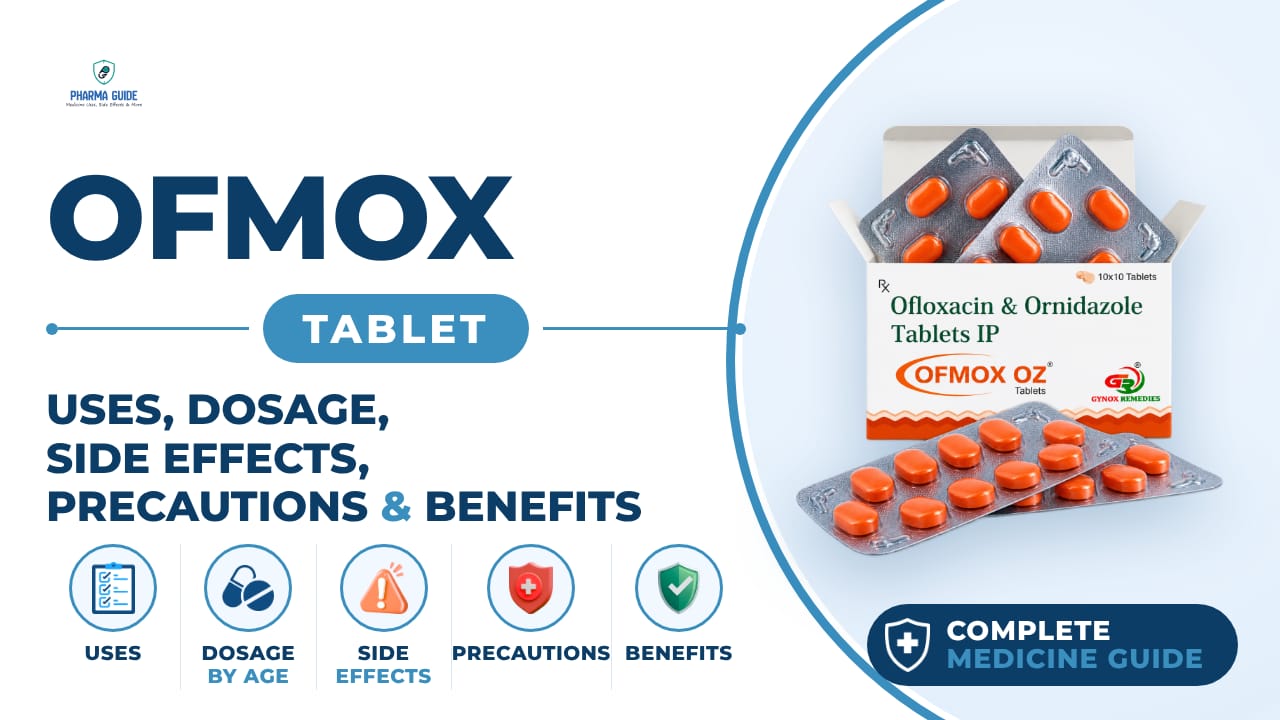
Ofmox Tablet: Uses, Dosage, Side Effects, Precautions and Alternates
| Generic name | Ofloxacin |
|---|---|
| Drug class | fluoroquinolone antibiotics |
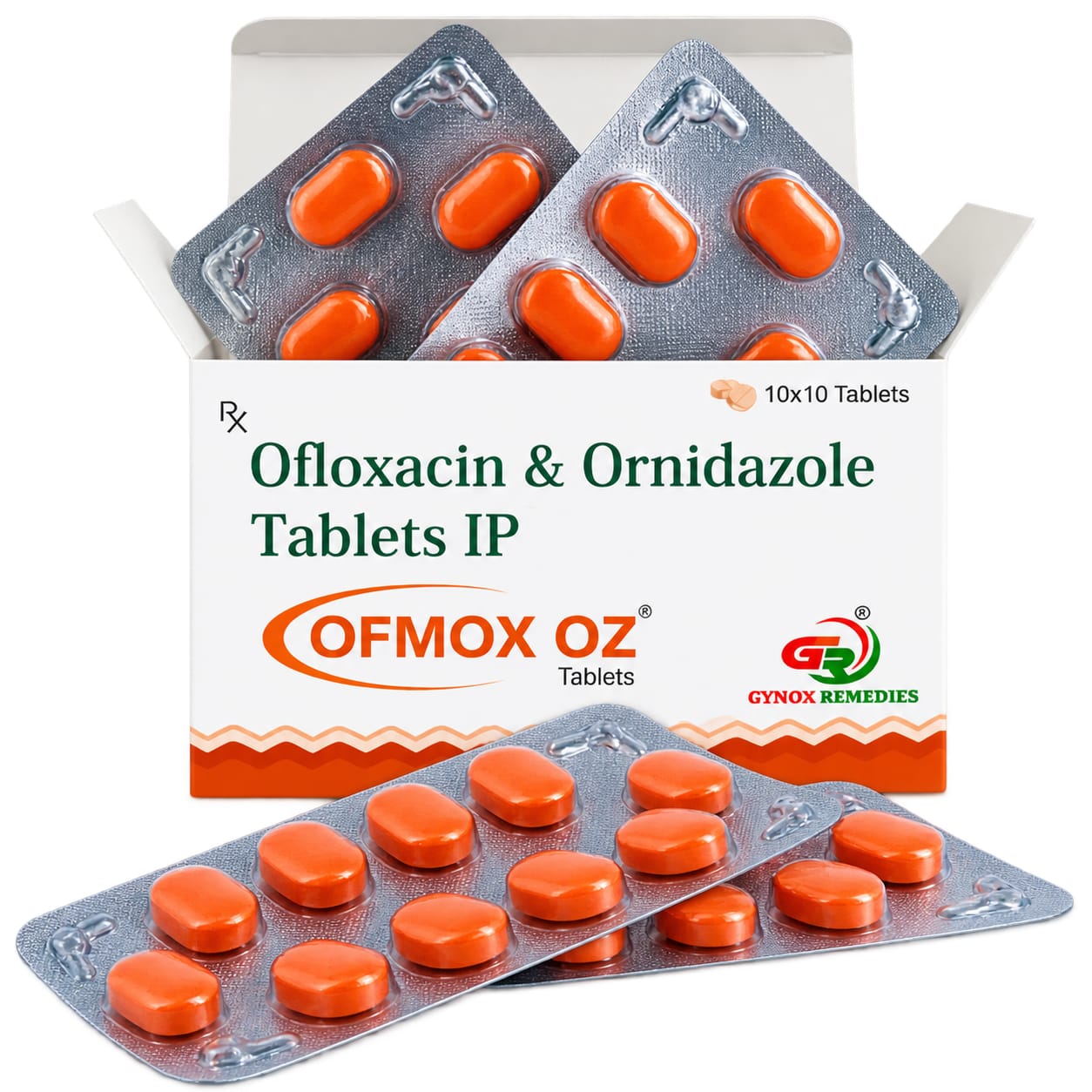
| Forms | Tablet |
Quick overview
Ofmox Tablet contains Ofloxacin, a medicine from the fluoroquinolone class of antibiotics. It is used to treat a range of bacterial infections, including urinary tract infections, respiratory infections, skin infections, and certain sexually transmitted infections. It works by stopping bacteria from growing and multiplying. It does not work against viral infections such as colds or flu.
What is Ofmox Tablet
Ofmox Tablet is an antibiotic medicine that treats bacterial infections. It belongs to a group of antibiotics called fluoroquinolones and does not work against infections caused by viruses, like colds or flu.
Ofmox Tablet uses
- Urinary tract infections (kidneys, bladder, ureters, or urethra)
- Pyelonephritis
- Urethritis
- Cystitis
- Community-acquired pneumonia
- Bronchitis
- Traveller's diarrhea
- Skin and soft tissue infections
- Gonorrhea
- Chlamydia and other sexually transmitted infections
- Bacterial infections of the eyes, ears, and sinuses
- Bacterial prostatitis
- Preventing infections after certain gastrointestinal or urinary surgeries
Benefits of Ofmox Tablet
- Stops the growth of bacteria causing the infection
- Works against a wide range of Gram-positive and Gram-negative bacteria
- Can help clear infections when other antibiotics have not worked
How Ofmox Tablet works
This medicine works by blocking enzymes that bacteria need to copy and repair their DNA, which stops the bacteria from growing and multiplying.
Ofmox Tablet dosage
Ofmox Tablet can be taken with or without food, as directed by your doctor. Some guidance suggests taking it on an empty stomach, at least 1 hour before or 2 hours after meals, for better absorption. Swallow the tablet whole with a glass of water; do not chew, crush, or break it. Try to take it at the same time every day to help you remember your dose. Avoid lying down right after taking it, to lower the chance of throat or chest irritation.
Complete the full course of treatment even if you start feeling better, to prevent the infection from coming back or becoming resistant. Avoid taking antacids, dairy products, or iron/calcium/magnesium supplements within 2 hours of your dose, as they can stop the medicine from working properly. If you miss a dose, take it as soon as you remember, but do not take two doses at once to make up for a missed one.
| Age group | Dose |
|---|---|
| Under 18 Years | Use only if prescribed by a healthcare professional |
| Adults (18–64 Years) | 200–400 mg twice daily depending on infection |
| Older Adults (65+ Years) | 200–400 mg twice daily; dose adjustment may be needed with kidney problems |
Available forms and strengths
- Tablet
Side effects of Ofmox Tablet
Common
- Stomach pain or cramps
- Diarrhea or loose stools
- Nausea and vomiting
- Headache
- Dizziness
- Muscle pain
- Fever
- Painful urination
- Decreased appetite
- Joint pain
- Change in taste
- Excessive gas in stomach
- Runny nose
- Skin rash
- Insomnia (trouble sleeping)
Serious
- Black or tarry stools
- Tendonitis or tendon problems, including tendon rupture (especially the Achilles tendon)
- Nerve damage causing tingling, numbness, or burning in the hands and feet
- Increased sensitivity to sunlight (photosensitivity)
- Changes in blood sugar (very low or very high)
- Confusion
- Seizures
Warnings and precautions
- This medicine is not recommended during pregnancy, especially in the first trimester, as it may harm the baby. Talk to your doctor before taking it if you are pregnant.
- This medicine passes into breast milk, so it is not recommended while breastfeeding. Talk to your doctor about the risks and benefits before using it.
- Use with caution if you have kidney problems, as this medicine may worsen kidney issues, and kidney function may need to be monitored.
- Use with caution if you have liver problems, as this medicine may affect the liver and liver function may need to be checked.
- It's best to avoid alcohol while taking this medicine, as it can increase side effects like dizziness or stomach discomfort.
- This medicine may cause dizziness, so avoid driving or operating machinery until you know how it affects you.
- Do not use this medicine if you are allergic to it or to other similar antibiotics, or if you have a condition called tendinitis or myasthenia gravis (a disease that causes muscle weakness).
- Avoid this medicine if you have had seizures before, as it may make seizures more likely.
- This medicine should not be used in people with a condition called G6PD deficiency, as it can increase the risk of a type of anemia caused by red blood cell breakdown.
- Not recommended for children under 18, as it may cause joint problems.
- Use with caution if you have heart problems, as this medicine can affect heart rhythm.
Storage
- Store in a cool, dry place, away from direct sunlight and moisture, at room temperature (typically between 20-25°C)
- Keep the medication in its original packaging or a tightly closed container to protect it from moisture
- Keep out of reach of children and pets
- Do not use the medication past its expiration date
- For disposal, follow local guidelines or ask your healthcare provider or pharmacist about proper disposal methods; do not flush the tablets down the toilet or throw them in the trash unless instructed to do so
When to see a doctor
- Stop taking this medicine and get medical help right away if you notice sudden pain or swelling in a joint or tendon, as this could be a sign of tendon damage.
- Get medical help immediately if you have signs of an allergic reaction, such as rash, swelling, or difficulty breathing.
- If you take too much of this medicine, seek immediate medical attention or contact a poison control center, especially if you have nausea, vomiting, dizziness, confusion, or seizures.
Alternatives
- Norfloxacin
- Moxifloxacin
- Levofloxacin
- Ciprofloxacin
Watch the video
FAQs
What is Ofmox Tablet used for?
Ofmox Tablet is used to treat bacterial infections such as urinary tract infections, pneumonia, bronchitis, skin and soft tissue infections, gonorrhea, chlamydia, and bacterial infections of the eyes, ears, and sinuses.
How does Ofmox Tablet work?
It works by blocking enzymes that bacteria need to copy and repair their DNA, which stops the bacteria from growing and multiplying.
What is the dosage of Ofmox Tablet for adults?
Adults (18-64 years) typically take 200-400 mg twice daily depending on the infection, as directed by a doctor.
What are the side effects of Ofmox Tablet?
Common side effects include stomach pain, diarrhea, nausea, headache, dizziness, muscle pain, and skin rash. Serious side effects include tendon problems, nerve damage, increased sun sensitivity, and changes in blood sugar.
Can I take Ofmox Tablet during pregnancy?
Ofmox Tablet is not recommended during pregnancy, especially in the first trimester, as it may harm the baby. Talk to your doctor before taking it if you are pregnant.
General information, not medical advice
Your prescriber and the leaflet in your pack know your situation. This page does not.
- Follow your prescriber and the leaflet
- Don't start, stop, or change a dose on your own
- Doses and warnings differ by country and product
Sources
Video
Related medicines

Injectafer Injection: Uses, Dosage, Side Effects, Precautions and Alternates
Iron products
Injectafer (ferric carboxymaltose) treats iron deficiency anemia and heart failure-related iron deficiency via IV. Learn uses, dosage, side effects, and

Gliclazide Tablet: Uses, Dosage, Side Effects, Precautions and Alternates
Sulfonylurea (hypoglycemic/antidiabetic agent)
Gliclazide Tablet is a sulfonylurea for type 2 diabetes that boosts insulin release. Learn about dosage, side effects, warnings, and precautions.