
Safety
General information, not medical advice
Your prescriber and the leaflet in your pack know your situation. This page does not.
- Follow your prescriber and the leaflet
- Don't start, stop, or change a dose on your own
- Doses and warnings differ by country and product
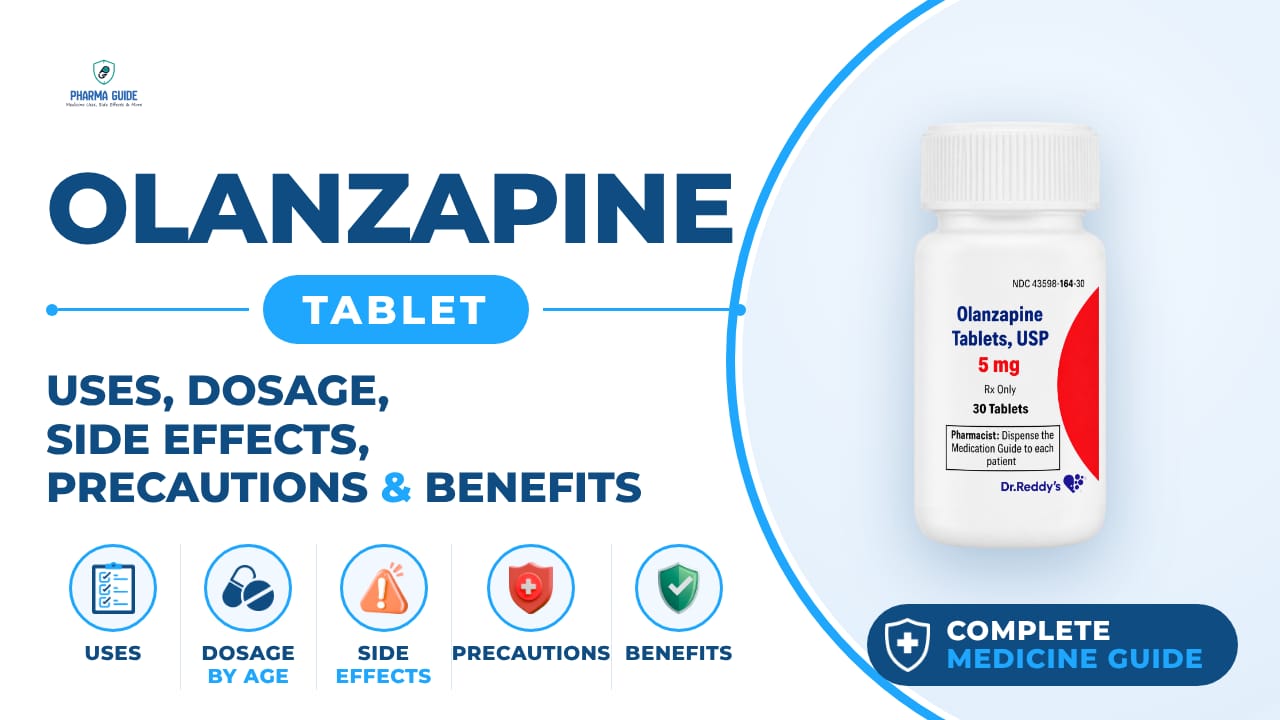
Olanzapine Tablet: Uses, Dosage, Side Effects, Precautions and Alternates
| Generic name | Olanzapine |
|---|---|
| Drug class | Antipsychotic (atypical antipsychotic / thienobenzodiazepine) |
| Forms | Tablet, Orally disintegrating tablet, Intramuscular injection (powder for solution) |
Quick overview
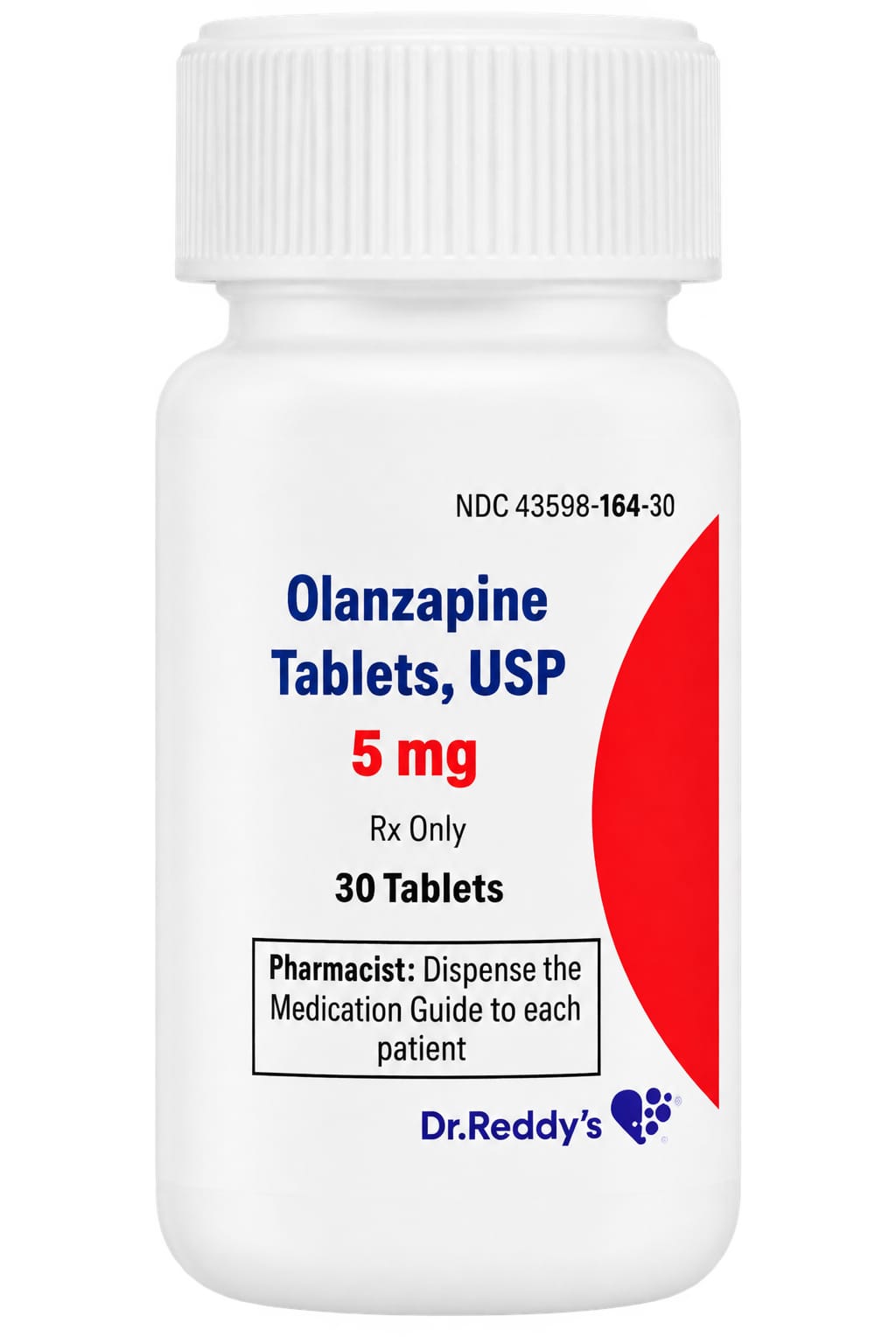
Olanzapine Tablet, generic name Olanzapine, is an atypical antipsychotic (thienobenzodiazepine) medicine used to treat schizophrenia and bipolar disorder. It works by balancing dopamine and serotonin levels in the brain, substances that help control mood, behavior, and thoughts. It is available as a tablet, an orally disintegrating tablet, and an intramuscular injection. Dosage is individualized by age and condition, and it should be used exactly as prescribed.
What is Olanzapine Tablet
Olanzapine is an antipsychotic medicine used to treat schizophrenia and bipolar disorder. It works by balancing dopamine and serotonin levels in the brain, which are substances that help control mood, behavior, and thoughts.
Olanzapine Tablet uses
- Treatment of schizophrenia in adults and adolescents (13 years and older)
- Acute treatment of manic or mixed episodes associated with bipolar I disorder and maintenance treatment of bipolar I disorder
- Adjunct to lithium or valproate for manic or mixed episodes of bipolar I disorder in adults
- Treatment of acute agitation associated with schizophrenia and bipolar I mania (intramuscular injection)
- In combination with fluoxetine, treatment of depressive episodes associated with bipolar I disorder
- In combination with fluoxetine, treatment of treatment-resistant depression
Benefits of Olanzapine Tablet
- Helps reduce symptoms of schizophrenia such as hearing or seeing things that are not there, false beliefs, and withdrawal
- Helps control manic or mixed episodes of bipolar disorder such as elevated mood, racing thoughts, and impulsive behavior
- Can help maintain stability and reduce relapse in schizophrenia and bipolar I disorder when used long-term
How Olanzapine Tablet works
Olanzapine is thought to work by blocking certain dopamine and serotonin receptors in the brain, which may help correct the chemical imbalances involved in schizophrenia and bipolar disorder, though its exact mechanism is not fully known.
Olanzapine Tablet dosage
Take by mouth and swallow with a drink of water; do not chew or crush unless using the orally disintegrating tablet form. It can be taken with or without food, at regular intervals, once a day, generally at the same time each day. Do not take more often than directed and do not stop taking except on the advice of your care team.
If using the orally disintegrating tablet, make sure hands are dry, peel back the foil (do not push the tablet through), and place the tablet in the mouth immediately after opening; it will dissolve quickly in saliva and can be swallowed with or without water.
If you miss a dose, take it as soon as you remember; if it is almost time for your next dose, skip the missed dose and take only the next scheduled dose; do not take two doses at once. Lower starting doses are generally used in adolescents, elderly patients, and those who are debilitated or more sensitive to the medicine. Do not share this medicine with others.
| Age group | Dose |
|---|---|
| Under 13 Years | Not routinely recommended |
| 13–17 Years | 2.5–5 mg once daily initially; adjusted by doctor |
| Adults (18–64 Years) | 5–10 mg once daily initially; adjusted according to condition |
| Older Adults (65+ years) | Lower starting dose may be considered; individualized by doctor |
Available forms and strengths
- Tablet
- Orally disintegrating tablet
- Intramuscular injection (powder for solution)
Side effects of Olanzapine Tablet
Common
- Constipation
- Dizziness
- Drowsiness
- Dry mouth
- Headache
- Upset stomach
- Weight gain
- Increased appetite
- Restlessness
Serious
- Allergic reactions—skin rash, itching, hives, swelling of the face, lips, tongue, or throat
- High blood sugar (hyperglycemia)—increased thirst or amount of urine, unusual weakness or fatigue, blurry vision
- High fever, stiff muscles, increased sweating, fast or irregular heartbeat, and confusion (possible neuroleptic malignant syndrome)
- High prolactin level—unexpected breast tissue growth, discharge from the nipple, change in sex drive or performance, irregular menstrual cycle
- Infection—fever, chills, cough, or sore throat
- Low blood pressure—dizziness, feeling faint or lightheaded, blurry vision
- Pain or trouble swallowing
- Seizures
- Stroke—sudden numbness or weakness of the face, arm, or leg, trouble speaking, confusion, trouble walking, loss of balance or coordination, dizziness, severe headache, change in vision
- Thoughts of suicide or self-harm, worsening mood, feelings of depression
- Trouble passing urine
- Uncontrolled and repetitive body movements, muscle stiffness or spasms, tremors or shaking, loss of balance or coordination, restlessness, shuffling walk (extrapyramidal symptoms)
- Serious skin reactions with fever or flu-like symptoms and rash, which may blister or peel
- Blood clots, including in the legs or lungs
- Drug Reaction with Eosinophilia and Systemic Symptoms (DRESS)
Warnings and precautions
- Elderly patients with dementia-related psychosis treated with antipsychotic drugs like olanzapine have an increased risk of death, mostly from heart-related or infectious causes. Olanzapine is not approved for this use.
- Olanzapine can cause a rare but potentially fatal condition called Neuroleptic Malignant Syndrome (NMS), with symptoms like high fever, muscle rigidity, and confusion.
- Olanzapine can cause serious metabolic changes including high blood sugar, high cholesterol/triglycerides, and weight gain, which should be monitored regularly.
- Olanzapine may cause tardive dyskinesia, a movement disorder that may not go away even after stopping the medicine.
- Olanzapine can cause orthostatic hypotension (a drop in blood pressure on standing), especially when starting treatment, which can cause dizziness or fainting.
- Olanzapine can cause a serious skin reaction called DRESS, which can involve rash, fever, swollen glands, and organ problems, and can be fatal.
- Olanzapine may lower white blood cell counts, increasing infection risk, especially in those with a history of low blood counts.
- Olanzapine may impair the body's ability to regulate temperature, increasing risk of overheating or excessive cold sensitivity.
- Do not stop taking olanzapine suddenly, as this may cause a severe reaction; your doctor should lower the dose gradually if stopping.
- Olanzapine should only be used during pregnancy if the potential benefit justifies the potential risk to the baby. Babies exposed in the third trimester may have withdrawal or movement symptoms after birth. Breastfeeding is not recommended while taking olanzapine, as it passes into breast milk and may affect the baby.
- Olanzapine is not removed by dialysis and dosage adjustment is generally not required for kidney problems, but caution is still advised since olanzapine can affect blood pressure and other body systems. Caution should be used in patients with liver problems, since impaired liver function may reduce clearance of the drug, and olanzapine has been linked to liver enzyme increases.
- Avoid alcohol while taking olanzapine, as it can increase drowsiness and the risk of low blood pressure on standing. Olanzapine can affect judgment, thinking, and motor skills, so you should not drive or operate hazardous machinery until you know how it affects you.
Storage
- Store at controlled room temperature between 15 and 30 degrees C (59 and 86 degrees F), or as labeled between 20° to 25°C (68° to 77°F)
- Protect from light and moisture
- Keep out of the reach of children
- Throw away any unused medication after the expiration date
- Do not throw away medicines via wastewater or household waste; ask your pharmacist how to dispose of medicines you no longer use
When to see a doctor
- Get emergency help right away if you have signs of an allergic reaction such as rash, itching, hives, or swelling of the face, lips, tongue, or throat.
- Seek immediate medical care if you have high fever, stiff muscles, sweating, fast or irregular heartbeat, and confusion, which could be neuroleptic malignant syndrome.
- Contact your doctor right away if you have fevers or flu-like symptoms with a rash that may turn into blisters or peeling skin, which could indicate a serious skin reaction.
- Get medical help immediately if you notice signs of a stroke such as sudden numbness or weakness of the face, arm, or leg, trouble speaking, confusion, or loss of balance.
- Tell your doctor right away if you have thoughts of suicide or self-harm, or if your mood or depression is worsening.
- Seek medical attention if you experience uncontrolled body movements, muscle stiffness, tremors, or shuffling walk, which may be signs of extrapyramidal symptoms.
- Get medical help right away if you develop signs of dehydration or overheating such as excessive or absent sweating, dry mouth, feeling very hot, thirst, or inability to urinate.
- If you think you have taken too much of this medicine, contact a poison control center or go to an emergency room right away.
Alternatives
- Risperidone
- Ziprasidone
- Clozapine
Watch the video
FAQs
What is Olanzapine Tablet used for?
It is used to treat schizophrenia, manic or mixed episodes of bipolar I disorder, maintenance of bipolar I disorder, acute agitation, and with fluoxetine for bipolar depression and treatment-resistant depression.
How does Olanzapine Tablet work?
It works by blocking certain dopamine and serotonin receptors in the brain, which may help correct chemical imbalances involved in schizophrenia and bipolar disorder, though its exact mechanism is not fully known.
What is the dosage of Olanzapine Tablet for adults?
Adults aged 18 to 64 typically start with 5 to 10 mg once daily, with the dose adjusted by a doctor according to the condition.
What are the common side effects of Olanzapine Tablet?
Common side effects include constipation, dizziness, drowsiness, dry mouth, headache, upset stomach, weight gain, increased appetite, and restlessness.
Can I drink alcohol while taking Olanzapine Tablet?
Alcohol should be avoided while taking olanzapine, as it can increase drowsiness and the risk of low blood pressure on standing.
General information, not medical advice
Your prescriber and the leaflet in your pack know your situation. This page does not.
- Follow your prescriber and the leaflet
- Don't start, stop, or change a dose on your own
- Doses and warnings differ by country and product
Sources
Video
Related medicines

Injectafer Injection: Uses, Dosage, Side Effects, Precautions and Alternates
Iron products
Injectafer (ferric carboxymaltose) treats iron deficiency anemia and heart failure-related iron deficiency via IV. Learn uses, dosage, side effects, and

Gliclazide Tablet: Uses, Dosage, Side Effects, Precautions and Alternates
Sulfonylurea (hypoglycemic/antidiabetic agent)
Gliclazide Tablet is a sulfonylurea for type 2 diabetes that boosts insulin release. Learn about dosage, side effects, warnings, and precautions.