
Safety
General information, not medical advice
Your prescriber and the leaflet in your pack know your situation. This page does not.
- Follow your prescriber and the leaflet
- Don't start, stop, or change a dose on your own
- Doses and warnings differ by country and product
Omega-3 Fish Oil Capsule: Uses, Dosage, Side Effects, Precautions and Alternates
| Generic name | Omega-3 polyunsaturated fatty acids |
|---|---|
| Drug class | Nutraceutical products |
| Forms | Capsule |
Quick overview
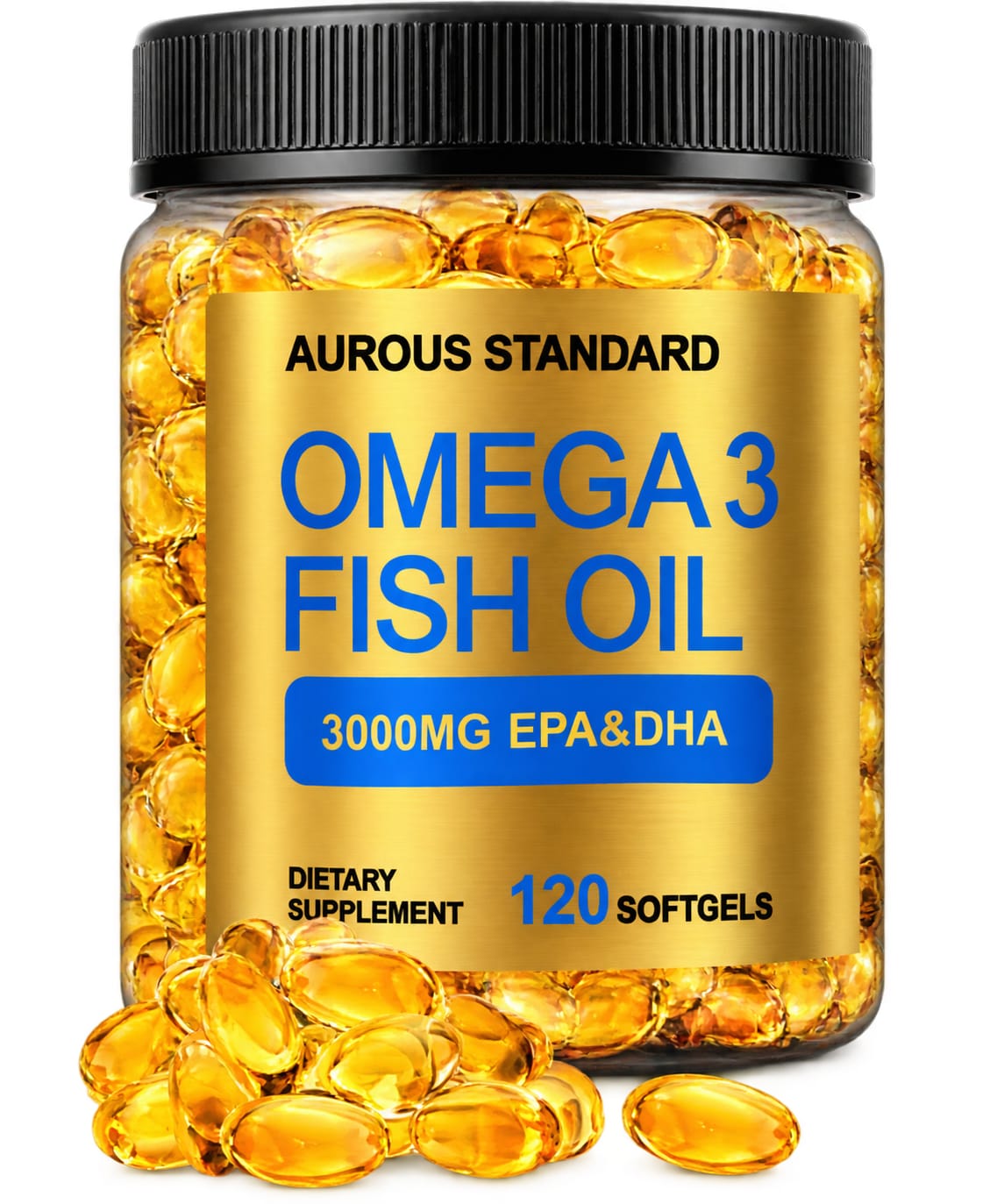
Omega-3 Fish Oil Capsule contains omega-3 polyunsaturated fatty acids and belongs to the nutraceutical products class. It is used together with diet and exercise to help lower triglyceride levels in the blood, which may reduce the risk of heart-related problems. The capsules should be swallowed whole, taken with food, and used alongside a healthy diet, exercise, and weight-control routine.
What is Omega-3 Fish Oil Capsule
Fish Oil capsules contain omega-3 polyunsaturated fatty acids, which are found in oils from certain fish, vegetables, and other plant sources. These fatty acids are not made by the body and must be obtained through diet or supplements.
Omega-3 Fish Oil Capsule uses
- Used together with diet and exercise to help lower triglyceride levels in the blood
- May also be used for other purposes not listed in the medication guide
Benefits of Omega-3 Fish Oil Capsule
- Helps lower triglyceride levels, which can reduce risk of coronary artery disease, heart disease, and stroke
- May help raise HDL (good) cholesterol and lower blood pressure
- May support brain and eye function because DHA is concentrated in these tissues
- May help reduce inflammation
How Omega-3 Fish Oil Capsule works
Omega-3 fatty acids lower the amount of triglycerides your body produces. High triglycerides can raise the risk of heart disease and stroke.
Omega-3 Fish Oil Capsule dosage
Take exactly as directed on the label or as prescribed by your doctor; do not take more or for longer than recommended. Swallow the capsule whole; do not puncture or open it. It works best when taken with food. This medicine is only part of a full treatment plan that also includes diet, exercise, and weight control, so follow those routines closely. If you miss a dose, take it as soon as you remember, but skip it if it is almost time for your next dose; do not double up. Your blood may need to be tested regularly to check how well the medicine is working.
| Age group | Dose |
|---|---|
| Children (1–12 Years) | 250–500 mg omega-3 daily (as advised) |
| Adolescents (13–17 Years) | 250–1000 mg omega-3 daily depending on need |
| Adults (18–64 Years) | 1000 mg fish oil daily (EPA + DHA amount depends on product) |
| Older Adults (65+ Years) | 1000 mg fish oil daily; use based on health needs |
Available forms and strengths
Capsule
Side effects of Omega-3 Fish Oil Capsule
Common
- Back pain
- Unusual or unpleasant taste in your mouth
- Upset stomach, belching
- Mild skin rash
- Fishy aftertaste, nausea, loose stools, indigestion
Serious
- Fever, chills, body aches, flu symptoms
- Chest pain
- Uneven heartbeats
- Signs of allergic reaction: hives, difficulty breathing, swelling of face, lips, tongue, or throat
Warnings and precautions
- Do not use Fish Oil if you are allergic to fish or soybeans.
- Do not give this medicine to anyone under 18 years old.
- There may be other drugs that can interact with Fish Oil, so tell your doctor about all the medicines, vitamins, and herbal products you use before starting a new one.
- People taking blood thinners such as warfarin, or antiplatelet drugs, should check with their doctor first because of a possible increased bleeding risk.
- It isn't known whether Fish Oil will harm an unborn baby. Tell your doctor if you are pregnant or plan to become pregnant while using it.
- It isn't known whether omega-3 fatty acids pass into breast milk or could harm a nursing baby. Don't use this medicine while breastfeeding without telling your doctor.
- Inform your doctor if you take blood-thinning medicines.
- Ask your doctor or pharmacist about using this medicine if you have liver disease.
- Avoid drinking alcohol, as it can raise triglycerides and may make your condition worse. Ask your doctor before use if you drink more than two alcoholic drinks a day.
- Use caution before surgery or dental procedures.
Storage
- Store Fish Oil at room temperature away from moisture and heat. Do not freeze.
When to see a doctor
- Stop using Fish Oil and get emergency medical help if you think you've taken too much, or if you notice signs of an allergic reaction such as hives, trouble breathing, or swelling of the face, lips, tongue, or throat.
- Stop using Fish Oil and call your doctor right away if you have fever, chills, body aches, flu symptoms, chest pain, or an irregular heartbeat.
- Contact your doctor if you have ongoing stomach or gut symptoms, unusual bruising or bleeding, or any other concerning symptoms after starting fish oil.
Alternatives
- Chia Seed Oil
- Algal Omega-3 Supplements
- Flaxseed Oil Capsules
- Krill Oil Capsules
Watch the video
FAQs
What is Omega-3 Fish Oil Capsule used for?
It is used together with diet and exercise to help lower triglyceride levels in the blood, which may reduce the risk of heart-related problems.
How should I take Omega-3 Fish Oil Capsule?
Swallow the capsule whole without puncturing or opening it, take it with food, and follow the dose on the label or as prescribed, along with diet, exercise, and weight control.
What is the adult dosage of Omega-3 Fish Oil Capsule?
Adults aged 18 to 64 typically take 1000 mg of fish oil daily, with the EPA and DHA amount depending on the specific product.
What are the common side effects of Omega-3 Fish Oil Capsule?
Common side effects include back pain, unusual or fishy taste, upset stomach, belching, mild skin rash, nausea, loose stools, and indigestion.
Who should avoid taking Omega-3 Fish Oil Capsule?
Avoid it if you are allergic to fish or soybeans, and do not give it to anyone under 18 years old; people on blood thinners should check with their doctor first due to bleeding risk.
General information, not medical advice
Your prescriber and the leaflet in your pack know your situation. This page does not.
- Follow your prescriber and the leaflet
- Don't start, stop, or change a dose on your own
- Doses and warnings differ by country and product
Sources
Video
Related medicines

Injectafer Injection: Uses, Dosage, Side Effects, Precautions and Alternates
Iron products
Injectafer (ferric carboxymaltose) treats iron deficiency anemia and heart failure-related iron deficiency via IV. Learn uses, dosage, side effects, and

Gliclazide Tablet: Uses, Dosage, Side Effects, Precautions and Alternates
Sulfonylurea (hypoglycemic/antidiabetic agent)
Gliclazide Tablet is a sulfonylurea for type 2 diabetes that boosts insulin release. Learn about dosage, side effects, warnings, and precautions.