
Safety
General information, not medical advice
Your prescriber and the leaflet in your pack know your situation. This page does not.
- Follow your prescriber and the leaflet
- Don't start, stop, or change a dose on your own
- Doses and warnings differ by country and product
Oral Rehydration Salts Sachet: Uses, Dosage, Side Effects, Precautions and Alternates
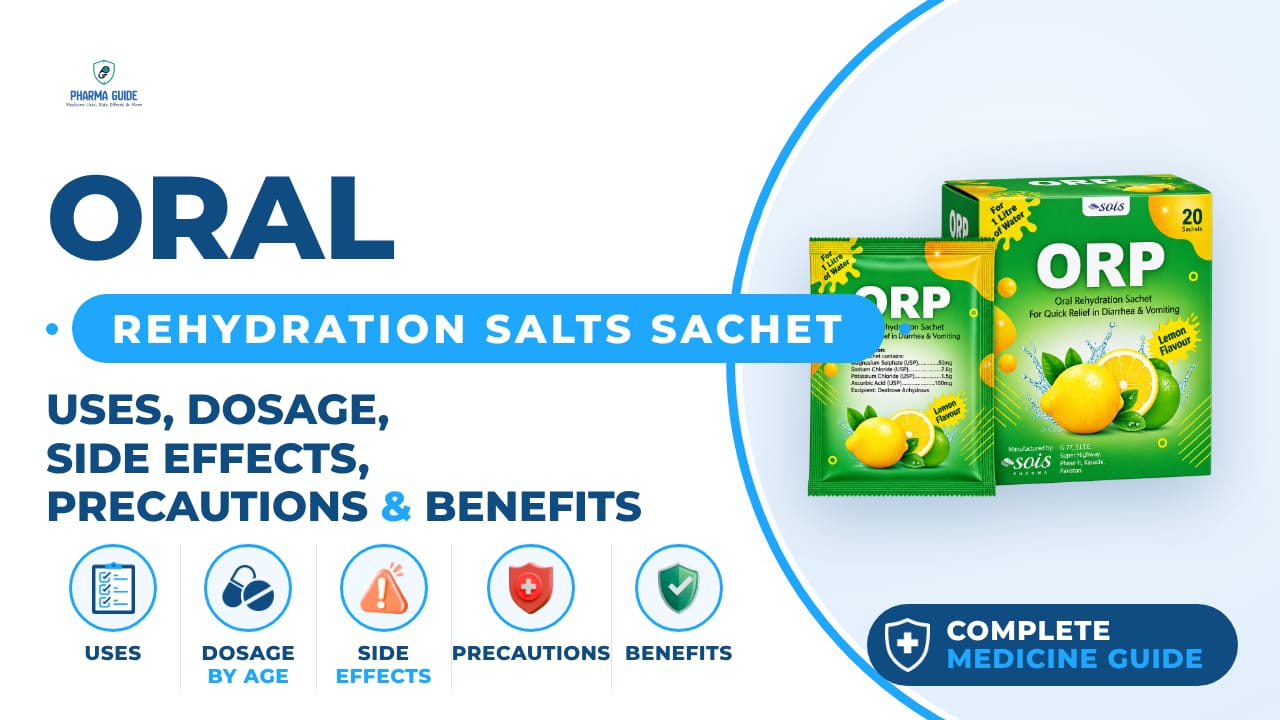
| Generic name | Oral rehydration solution (ORS) |
|---|---|
| Drug class | Rehydration therapy / electrolyte and glucose solution |
| Forms | Powders in packets (sachets) to be dissolved in water, Drinks, Ice blocks, Effervescent tablets for making solutions |
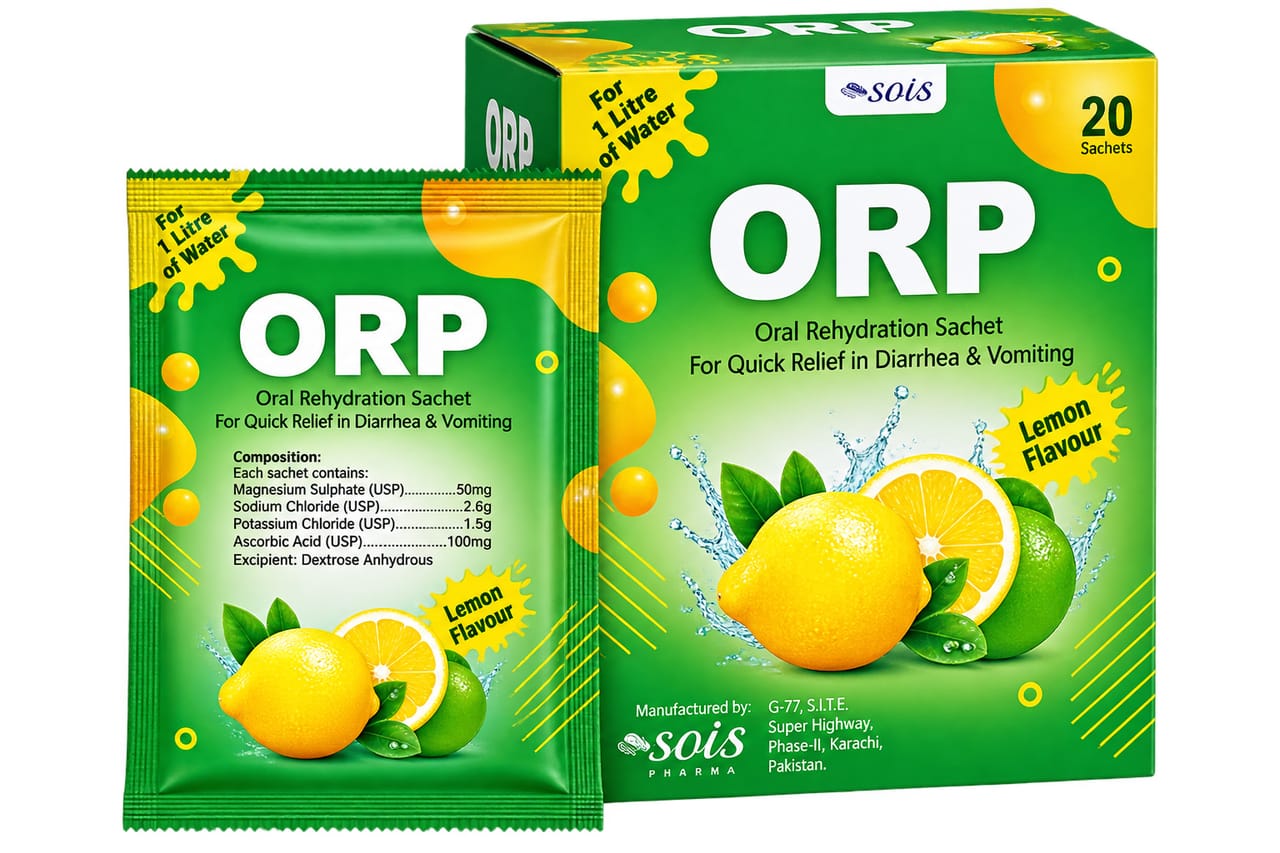
Quick overview
Oral Rehydration Salts (ORS) Sachet is a mixture of electrolytes, such as sodium and potassium, and glucose, dissolved in water. It is used to replace fluids and salts lost during dehydration caused by diarrhoea, vomiting, fever, or heavy sweating. ORS works by using glucose to help the body absorb sodium and water more quickly through the intestine. It is available as sachets, drinks, ice blocks, and effervescent tablets.
What is Oral Rehydration Salts Sachet
Oral Rehydration Salts (ORS) is a mixture of electrolytes (such as sodium and potassium) and glucose (sugar) that is dissolved in water. It is used to replace fluids and salts that the body loses during dehydration caused by conditions like diarrhoea, vomiting, fever, or heavy sweating.
Oral Rehydration Salts Sachet uses
- Treating dehydration caused by diarrhoea, vomiting, fever or heavy sweating
- Treating moderate dehydration in children and adults
- Helping maintain fluid and electrolyte balance during prolonged physical activity in heat or mild diarrhoea
Benefits of Oral Rehydration Salts Sachet
- Prevents and treats dehydration caused by diarrhea
- Replaces lost fluids and electrolytes
- Helps restore sodium and potassium balance
- Supports rehydration during vomiting and other fluid loss
- Suitable for children and adults when correctly prepared
How Oral Rehydration Salts Sachet works
ORS works because sodium and glucose are absorbed together by special transporter proteins in the small intestine, and water follows along with them. This is why ORS contains both sugar and salt together — glucose helps the body take in sodium, and this pulls water into the body faster than water alone.
Oral Rehydration Salts Sachet dosage
Wash your hands, then wash the container and utensil you will use with soap and clean water before preparing the solution. Mix the ORS powder only with clean drinking water; for infants, use boiled and cooled water. Do not add extra powder, sugar, or salt to the mixture, and do not mix it with milk or juice.
If you cannot drink the full amount at once, take small sips over a longer period; using a straw or chilling the solution may help. Other medicines can generally be taken at the same time as ORS if needed.
Avoid fizzy drinks, undiluted juices, tea, coffee and sports drinks while treating dehydration, as their high sugar content can worsen dehydration. Do not use ORS to treat diarrhoea for more than 2 to 3 days unless a healthcare provider tells you to.
If sick (vomiting) within 30 minutes of taking a dose, take another dose; if sick after more than 30 minutes, wait until the next loose bowel motion before taking more. If unsure how much fluid a vomiting child has kept down, it is better to give more rather than less of the solution.
| Age group | Dose |
|---|---|
| Under 2 years | 50–100 mL |
| 2–9 years | 100–200 mL |
| 10–17 years | 200 mL or more, as needed |
| 18–64 years | As much as needed after each loose stool |
| 65+ years | As needed; monitor hydration and underlying conditions |
Available forms and strengths
- Powders in packets (sachets) to be dissolved in water
- Drinks
- Ice blocks
- Effervescent tablets for making solutions
Side effects of Oral Rehydration Salts Sachet
Common
- Nausea
- Vomiting
- Dizziness
- Loss of appetite
- General body weakness
- Increased thirst
- Confusion
- Irritability
- Muscle twitching
- Swelling of the ankles or feet
- Puffy eyelids
- Mild bloating
Serious
- Convulsions
- Very high heart rate (tachycardia)
- High blood pressure
- Kidney problems or kidney damage
- Severe confusion
- Severe thirst indicating salt toxicity (hypernatremia)
Warnings and precautions
- People with kidney disease should talk to a pharmacist or healthcare provider before using ORS, because the sodium and potassium in it may not be suitable for them.
- Use ORS with caution if you have a kidney disorder, diabetes, heart failure, or are taking heart disease or blood pressure medications. A doctor can determine if it's safe for you.
- If ORS isn't prepared or used correctly, it can cause salt toxicity, also known as hypernatremia.
- ORS should generally only be used when prescribed or recommended by a doctor, since using it when you don't actually need it makes salt toxicity more likely.
- If you have diabetes, ORS can affect your blood glucose, so check with a pharmacist or healthcare provider and monitor your blood glucose more closely while unwell.
- Homemade ORS mixtures can be risky because too much salt can be harmful, especially for infants and young children; it's not recommended to treat dehydration with homemade ORS.
When to see a doctor
- Always see a healthcare provider urgently if a baby under 6 months old has vomiting or diarrhoea, since babies can quickly become dehydrated and unwell.
- Get urgent medical help if a child or someone you're caring for is drowsy and hard to wake, has a lot of watery diarrhoea, is vomiting and can't keep fluids down, has blood in their stool, starts vomiting green fluid, has severe stomach pain, shows signs of dehydration, or has diarrhoea or vomiting lasting more than 10 days.
- Severe dehydration is a medical emergency — get emergency help right away if there is no sweat or tear production, ongoing dizziness, fast heart rate, rapid breathing, or dark urine.
- See a doctor if you experience nausea, vomiting, weakness, poor appetite, confusion, or excessive thirst after taking ORS, as these may be signs of salt toxicity.
- If symptoms worsen or a severe reaction occurs while using ORS, stop using it and seek medical help immediately.
Alternatives
- Rice-based ORS
- Pediatric electrolyte solution
- Ready-to-drink electrolyte solution
Watch the video
FAQs
What is Oral Rehydration Salts Sachet used for?
It is used to treat dehydration caused by diarrhoea, vomiting, fever or heavy sweating, including moderate dehydration in children and adults.
How does Oral Rehydration Salts Sachet work?
Glucose and sodium are absorbed together by transporter proteins in the small intestine, and water follows along, allowing ORS to rehydrate the body faster than water alone.
How should Oral Rehydration Salts Sachet be prepared and given?
Mix the powder only with clean drinking water (boiled and cooled for infants), without adding extra sugar, salt, milk or juice. Doses vary by age, from 50–100 mL for under 2 years to as much as needed after each loose stool for adults.
Can Oral Rehydration Salts Sachet be used for more than a few days?
No, it should not be used to treat diarrhoea for more than 2 to 3 days unless a healthcare provider advises otherwise.
What are the signs of salt toxicity from Oral Rehydration Salts Sachet?
Symptoms like nausea, vomiting, weakness, poor appetite, confusion, or excessive thirst after taking ORS may indicate salt toxicity (hypernatremia), and a doctor should be seen.
General information, not medical advice
Your prescriber and the leaflet in your pack know your situation. This page does not.
- Follow your prescriber and the leaflet
- Don't start, stop, or change a dose on your own
- Doses and warnings differ by country and product
Sources
Video
Related medicines

Injectafer Injection: Uses, Dosage, Side Effects, Precautions and Alternates
Iron products
Injectafer (ferric carboxymaltose) treats iron deficiency anemia and heart failure-related iron deficiency via IV. Learn uses, dosage, side effects, and

Gliclazide Tablet: Uses, Dosage, Side Effects, Precautions and Alternates
Sulfonylurea (hypoglycemic/antidiabetic agent)
Gliclazide Tablet is a sulfonylurea for type 2 diabetes that boosts insulin release. Learn about dosage, side effects, warnings, and precautions.